We have a client, a specialty chocolate ingredients trader, who came to me excited about his first cocoa purchase from the Dominican Republic. The price beat his Ecuadorian supply, the photos from the fermentation site looked beautiful, beans spread on wooden racks in the sun, and everything smelled like a good deal. I asked him one question: for this shipment's Dominican cocoa export warehouse storage, which leg of the journey had he actually contracted for? He went quiet. He assumed warehousing meant finding a warehouse, putting the beans there, and trucking them to port when the vessel arrived. Three months later he came back in a very different mood. At port inspection, one container failed on mold, the buyer applied a discount, and the margin on the whole container went with the freight money.
He is not alone. Most people who lose money on Dominican cocoa lose it in storage, because cocoa is not like other agricultural products. It does not mind sitting still. It minds sitting still in the wrong conditions. A little extra moisture invites mold. Poor airflow turns a stack into an oven. Every handoff blurs responsibility a little more. This article lays out the insider version, the one vendors only tell you after something has gone wrong: from the fermentation sites around Yamasá to the port of Santo Domingo, how the drying and mold ledger actually works.
Dominican Cocoa Export Warehouse Storage Starts With Moisture
Here is the counterintuitive part: cocoa rarely goes wrong because it was not dried enough. It usually goes wrong because it dried, and then absorbed moisture again.
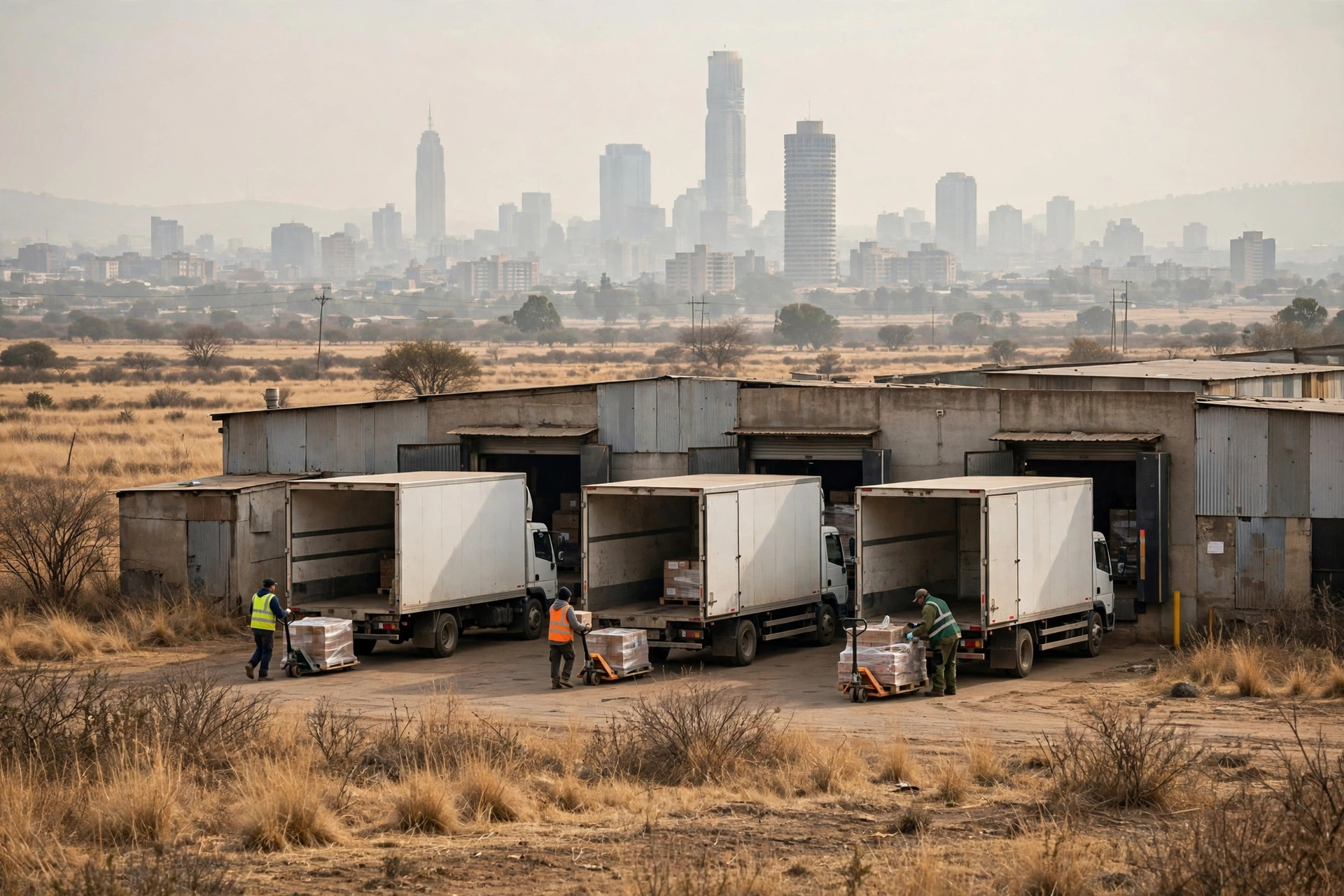
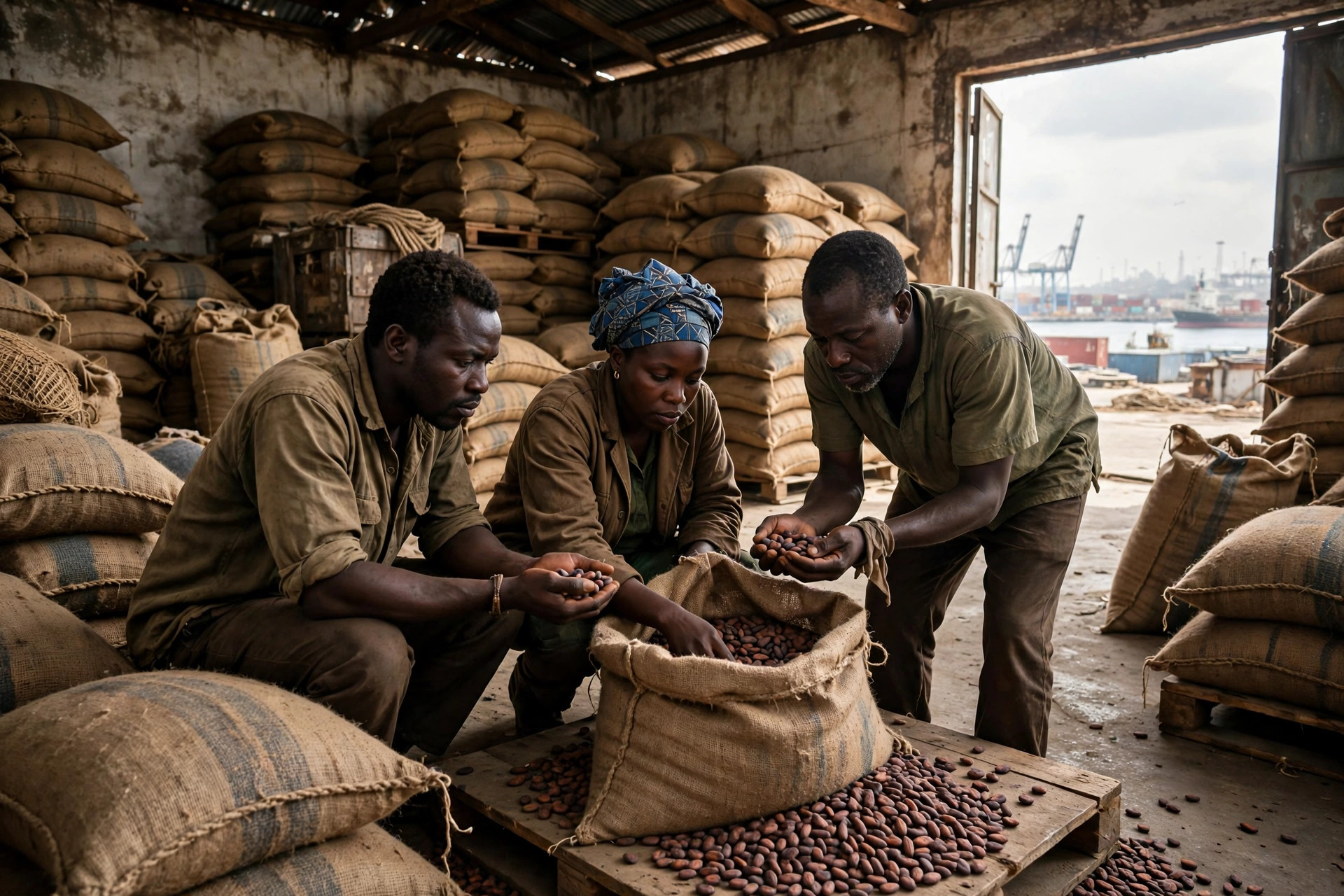
Our client's first container tells the story. The beans fermented and sun-dried in the Yamasá area, and when they felt dry to the hand, the crew bagged them. Rain arrived on bagging day, so the bags sat under a shed for two days before moving into the warehouse. Those two days were enough. The beans pulled humidity back in. At the warehouse near Santo Domingo, the owner opened a bag for inspection and the surface looked fine, but deeper inside, the beans felt sticky and carried a musty smell. The buyer tested the lot and downgraded the whole container.
Here is the insider detail: many warehouse quotes cover stacking only, not moisture management. Nobody is watching your moisture between intake and dispatch unless you pay for that watching and write it down. If you assume the warehouse will look after moisture as a matter of course, you are assuming a service that was never sold to you. The fix is boring and it works. Write intake inspection into the contract: sample from the mouth, the middle, and the bottom of the bag, not just the mouth. Record the result on a handover sheet and have both sides sign it. If a lot tests above your threshold, hold it separately and dry it further before it joins the main stack. Half a day spent here can save a container's worth of deductions.
Then there is the bag itself, a trade-off with no perfect answer. Woven bags breathe, which means they also let humidity in. Liner bags keep humidity out, which means they also trap heat and any moisture already inside. In a hot, humid climate, the choice matters less than the sequence: dry the beans properly first, then choose the bag. Put damp beans into a liner bag and you have simply sealed the moisture in with them, which is how mold gets a head start. There is no bag that fixes wet beans. There is only the right order, and the order is not negotiable.
Where Mold Actually Comes From Between Fermentation and Port
A second client story is even more instructive, and more infuriating. This client bought organic cocoa from a northern growing region. Fermentation and drying were done properly, and the lab report looked clean. The cargo moved to a warehouse near Santo Domingo and waited three weeks for a vessel. Pre-loading retesting showed mold above the buyer's limit. The client blamed the warehouse. The warehouse produced its intake report, which showed the cargo clean on arrival, and argued that what happened afterward fell outside its responsibility. The two sides argued for a month and split most of the loss, with the client carrying the larger share.
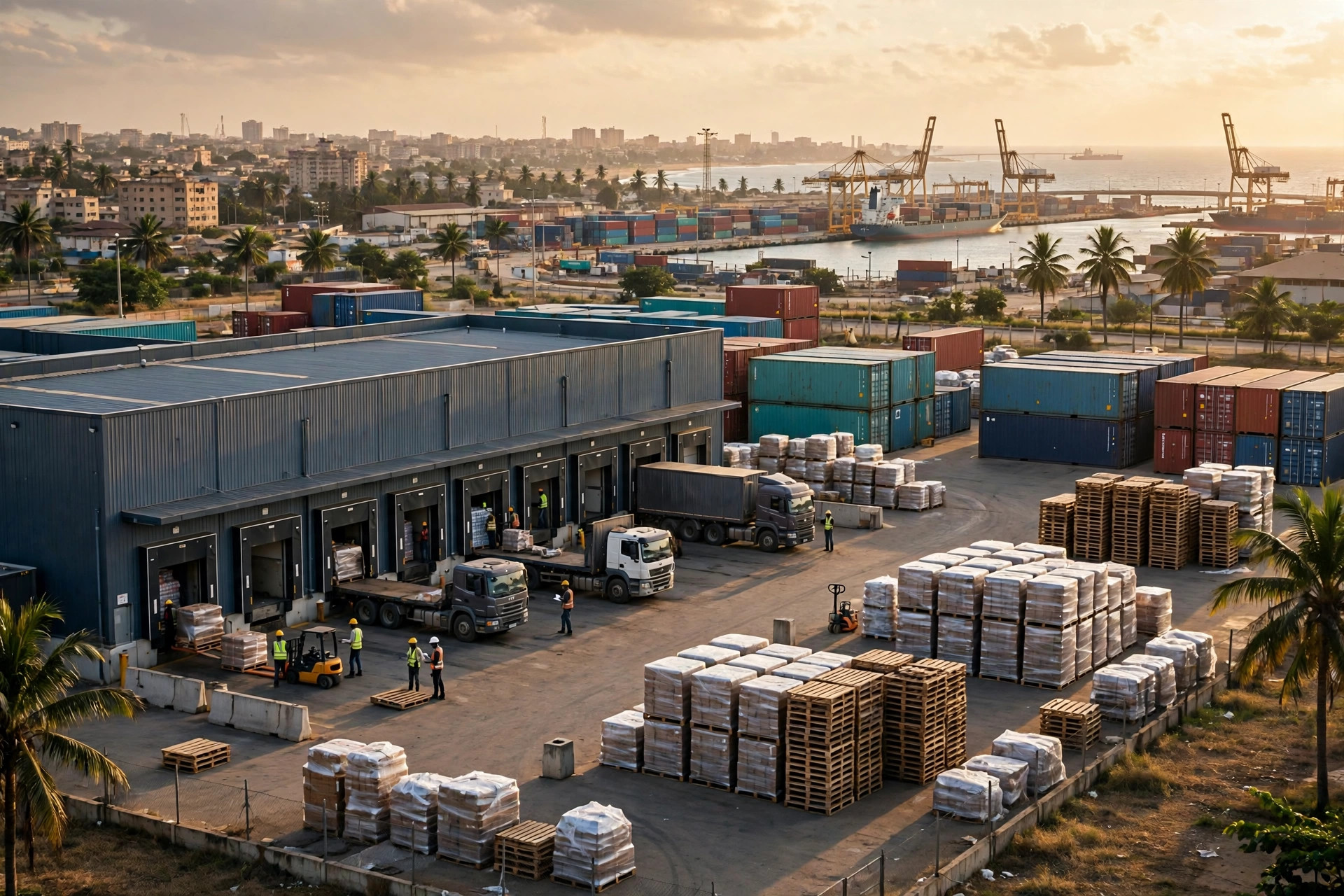
So where does mold actually come from? Three routes, and only three: moisture already in the beans, humidity inside the warehouse, and rain during transfer. Between fermentation and port, the cargo passes through at least three hands: the fermentation site, an inland warehouse, and a port warehouse. At each handoff, responsibility gets fuzzier, because each operator means something different by the word storage. One means stacking. Another means stacking plus ventilation. A third means nothing more than not losing your cargo.
That is why you should never open a negotiation by asking how storage is priced. Ask three specific questions instead. First, do you inspect on intake, and is the inspection standard written into the contract? Second, who records temperature and humidity in the warehouse, and will those records be sent to me on a schedule? Third, if the cargo molds in storage, how is liability divided, by intake result or by time period? Ask those three and the other side knows immediately that they are dealing with someone who has seen a claim before, and the padding quietly comes out of the quote.
One more insider note: warehouses near the port often consolidate cargo from several owners in the same hall during peak season. Sharing a hall is not itself a problem. The problem is that your cocoa shares ventilation and aisles with other people's cargo, and if a neighbor's lot brings in moisture, or the hall cuts ventilation to save power, your beans suffer with everyone else's. Before signing, walk the floor yourself. Look for roof leaks, damp patches on the floor, and ventilation openings blocked by pallets. Those five minutes tell you more than ten pages of brochure.
Negotiating Dominican Cocoa Export Warehouse Storage Into the Contract
Here is a decision framework you can take into your next negotiation. Do not start with price. Start with responsibility, in this order: inspection first, liability second, price last.
On inspection, get four things in writing: the sampling method, the acceptance standard, the process when a lot fails, and who pays for retesting. On liability, get three things: who bears the loss when cargo arrives clean and leaves dirty, how cross-contamination in shared storage is treated, and who bears the loss when cargo gets rained on during transfer. Only then talk price, and make sure inspection fees, retest fees, and the cost of separate drying are all inside the price, not waiting to appear as surcharges. Many of the cheapest quotes on the market are cheap precisely because all of those services were cut out. When something goes wrong, the add-ons cost more than the savings ever did.
There is also a time ledger that buyers forget. Cocoa is not a race to the vessel, and it is not a long nap either. Getting dried beans into storage promptly is right, but the weeks waiting for a vessel near the port are the highest-risk weeks of all. If the sailing slips, you need ventilation and inspection frequency agreed in advance, not improvised after the delay. My standard clause is simple: if storage runs beyond the agreed number of days, the warehouse provides a weekly sampling record. It costs little, and it forces your cargo to stay on someone's agenda.
The honest summary is this: Dominican cocoa is good cargo, with a flavor profile buyers recognize and pay for. But good cargo is exactly what suffers when nobody owns the storage leg. The fermentation team owns fermentation. The port team owns loading. The middle stretch, the warehouse stretch, is the part most likely to belong to nobody. If you, as the cargo owner, do not put inspection, liability, and ventilation into the contract, you are handing the whole container over to luck.
Next time you negotiate a contract, ask these three questions: do you inspect on intake? Will I see the temperature and humidity records? If the cargo leaves dirty, who pays? Ask them out loud, and the other side will know this deal cannot be bluffed.
By Susan, 3PL Sales Director