Let me give you the verdict first: the first question about a Curitiba warehouse is not rent. It is freight direction. Freight heading to the port, freight heading into the city, and freight heading out across Brazil's three southern states are three completely different cost equations. Mix them up and the rent you saved will come back as freight bills and tax headaches.
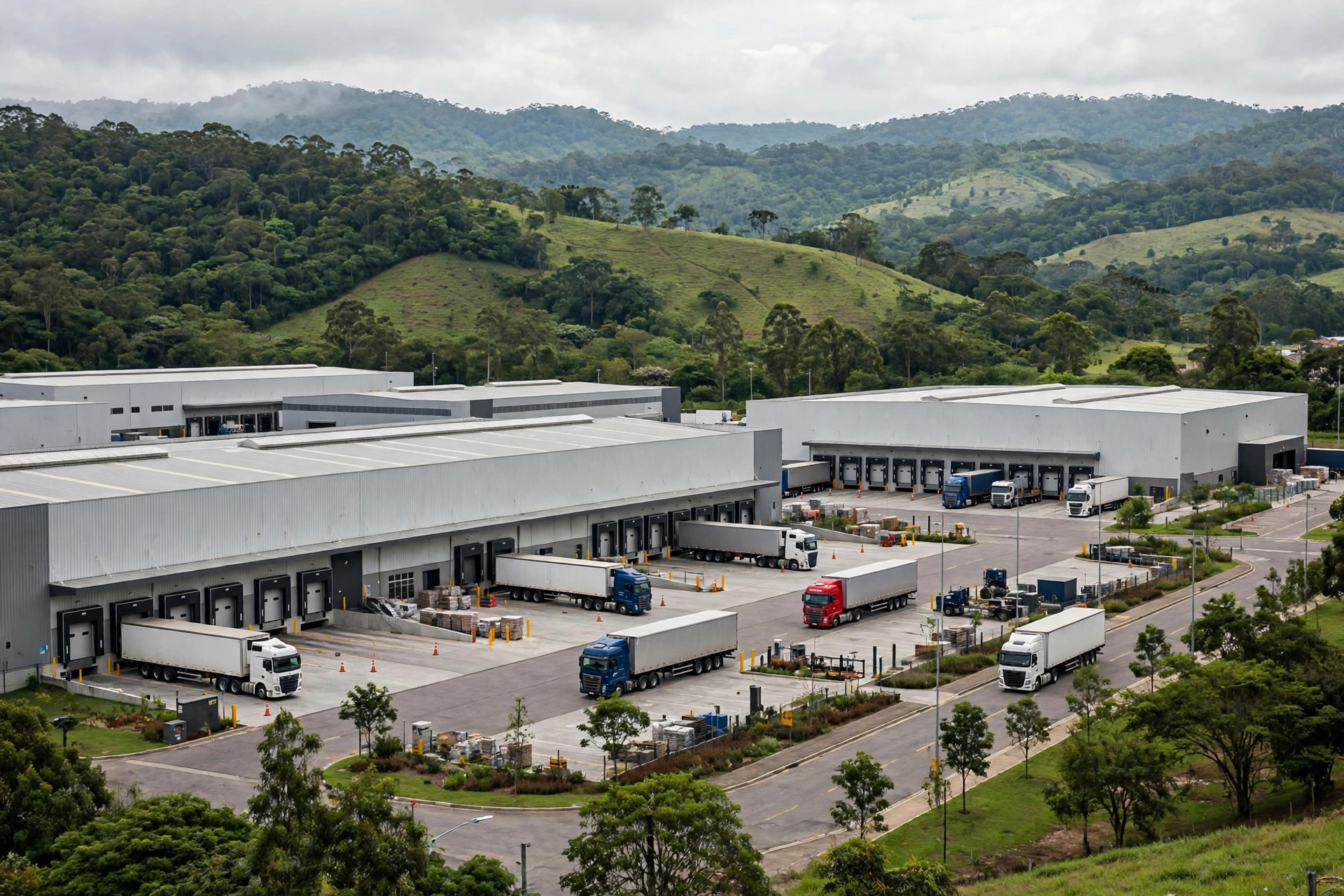
Curitiba sits in an unusual spot on Brazil's warehousing map. It is the capital of Paraná state, up on a plateau, with the BR-277 highway running down the mountain to the port of Paranaguá — one of southern Brazil's most important export gateways, moving grain, pulp and paper, auto parts, and frozen meat. West lies Paraná's agricultural and industrial interior. South, the markets of Santa Catarina and Rio Grande do Sul run together in one long corridor. One city, three freight flows meeting — and the companies that set up warehouses here fall into three camps, each keeping a very different set of books.
The Curitiba warehouse trap: "close to the port" is not a strategy
A few years ago I worked with an auto parts exporter that leased a warehouse south of Curitiba for one reason: it was close to Paranaguá, so container drayage would be easy. The warehouse was signed, and the problems moved in with it. About half of his freight actually went to customers toward São Paulo, and half to distributors in Rio Grande do Sul — so every shipment had to loop back through Curitiba's city traffic before it could go anywhere, with trucks stuck for hours. Worse, his building sat on the port corridor itself, so when the BR-277 jammed up in peak season, his port pickup schedule was at the mercy of the road. In early 2023 that highway was even closed for weeks after landslides, and the whole corridor's freight sat still. Whatever he saved on rent, one peak season of drayage surcharges and late-delivery penalties ate it all.
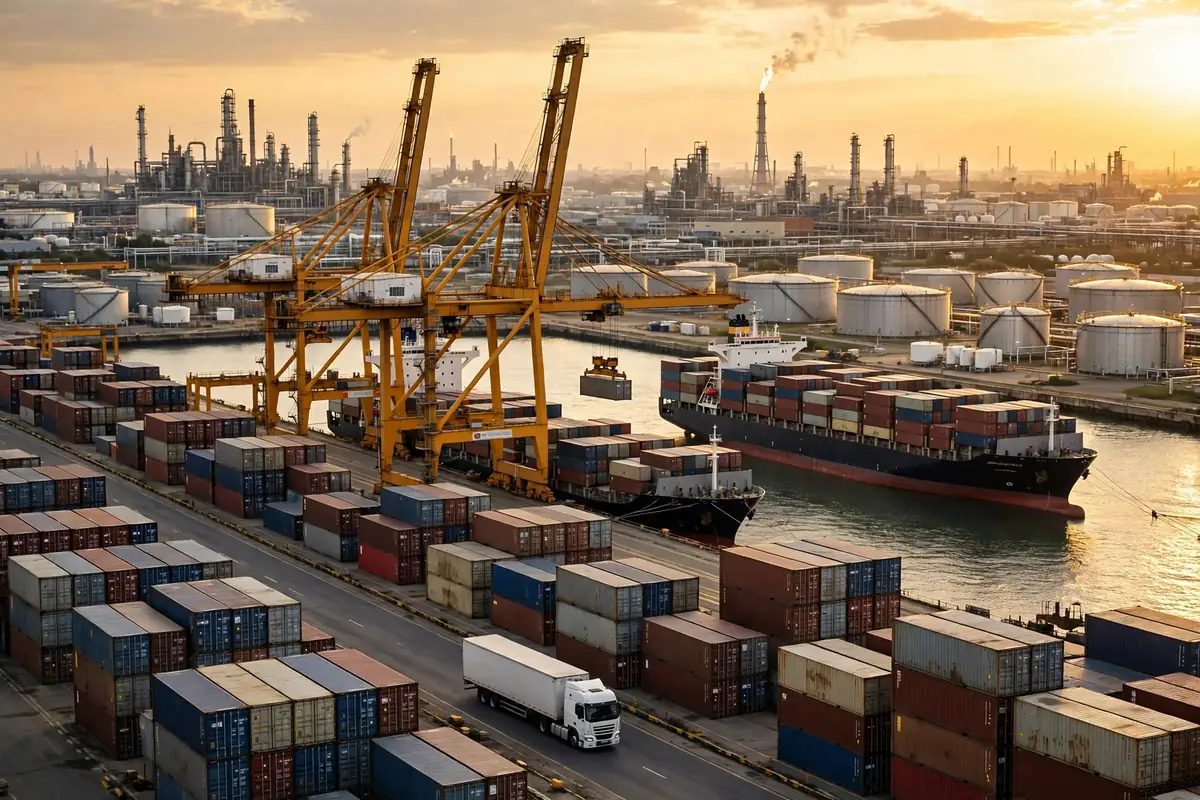
That story has two sides. A port-corridor warehouse has real advantages: close to the port, fast empty-container turnaround, and the full supporting cast — bonded warehousing, container yards, export consolidation — all nearby, with the shortest chain for documentation and inspection. But the price is equally real: your operating rhythm gets held hostage by vessel schedules and one mountain road. Companies doing pure export, with steady volumes and flexible timing, fit here well. Companies doing domestic distribution, pushing out dozens of small LTL shipments a day, will be miserable here.
The suburban warehouse: for whoever serves the local market
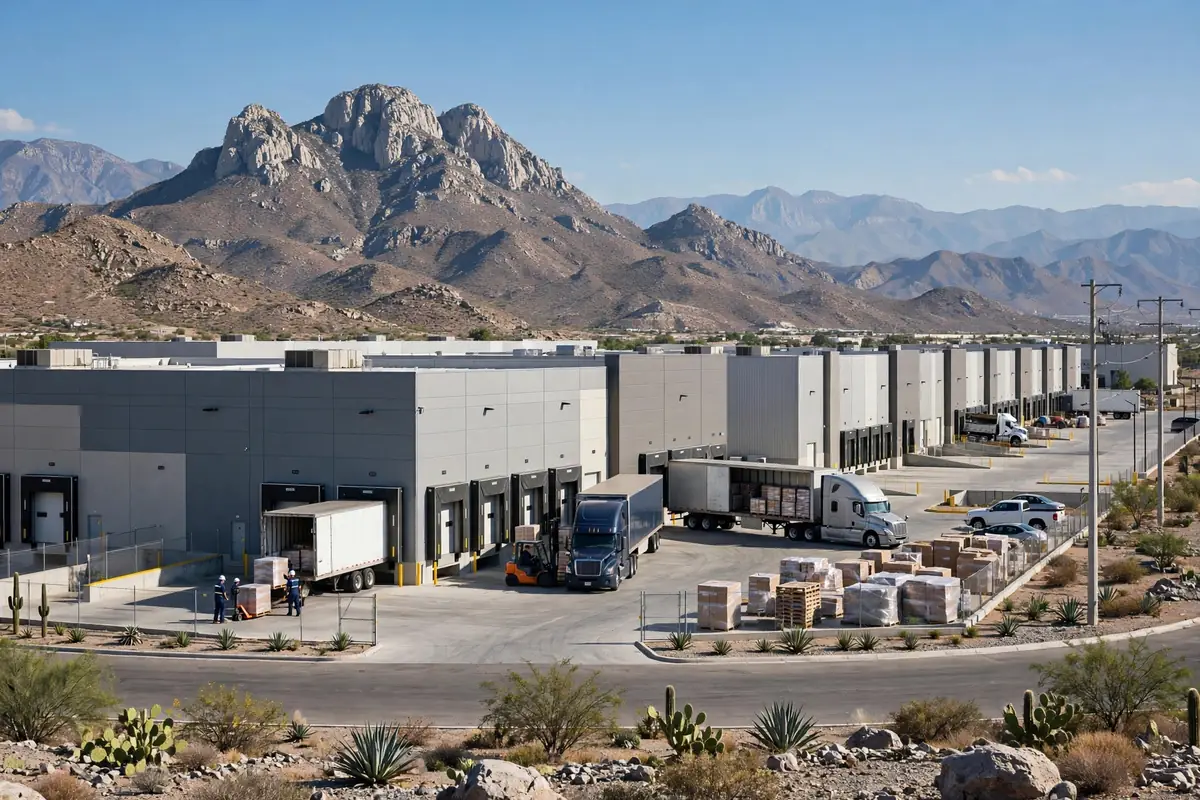
The second option is a suburban Curitiba warehouse. The Curitiba metro area is Paraná's biggest consumer market in its own right, and its industrial and logistics parks ring the city with a deeper labor pool than the port corridor — hiring, shift scheduling, and night shifts are all easier to staff. For local delivery, e-commerce fulfillment, and retail replenishment, the math works like this: rent may run higher than on the corridor, but your last-mile radius shrinks, same-day delivery rates climb, and returns handling gets simpler. Those savings routinely beat the rent difference.
But suburban warehouses carry a trap I have seen people walk into too many times: security. In Brazilian cities, safety varies enormously from one neighborhood to the next — sometimes from one street to the next. Before signing anything, visit the site in daylight and again at night, look at truck access routes, the park's fencing and gate control, and the surrounding streets, and ask existing tenants about cargo losses. Security spending is not a one-time fit-out; it is a fixed monthly cost, and it belongs in your calculation before you even discuss whether the rent is attractive. One more thing people overlook: expansion flexibility. Brazilian warehouse leases work differently from American ones on term length and rent adjustment, so read the expansion clause, early-exit terms, and rent review mechanism line by line before signing. I have watched a company grow into needing another 5,000 square meters mid-term, only to find the neighboring unit already leased to someone else — forcing a second warehouse, a second team, and a second system, doubling costs overnight.
The Curitiba warehouse as a regional hub: the hardest math, and the most valuable
The third option is the one I would urge you to run the numbers on most seriously: use Curitiba as a regional distribution center serving Paraná, Santa Catarina, and Rio Grande do Sul from a single building. Curitiba sits roughly in the middle of the three southern states, with highways running south to Florianópolis and Porto Alegre, so one warehouse gives you deeper inventory, one team, and one system across all three markets — and both dead stock and stockouts come down.
This is where the math gets hardest, and it is not about freight. It is about tax. Brazil's ICMS is a state-level value-added tax, and every state plays by different rules: interstate transfer treatment, input credits, and rate differences between states all feed directly into what a distribution warehouse really costs. And Brazil is in the middle of a tax reform that will gradually replace ICMS with new taxes levied where the goods are consumed — which means any calculation built on "set up in this state for the tax break" could be rewritten tomorrow. So my rule is simple: treat tax directionally, never bet the project on a specific incentive. Run the numbers once assuming no tax benefit at all. If the project still works, then treat any incentive as a bonus, not the reason to build. Any site proposal where the tax break carries the business case, I would discount by half before believing it. For actual rates and current incentives, go by the latest local policy and your tax adviser's advice — never trust a rate table from three years ago.
Seasonality and industrial structure belong in the calculation too. Paraná is a farm state, and during grain harvest season the port corridor's trucking capacity gets squeezed by agricultural exports, moving both prices and transit times. Meanwhile the automotive, paper, and food-processing industries around Curitiba have their own production rhythms, and warehouse demand swings with them. Before signing, lay your volume curve against the local industrial calendar: if your peak collides with the port's peak, your warehouse will get squeezed; space you rent for the off-season is money burned. An elasticity clause in the lease — room to flex space up and down — costs far less than hunting for overflow space later.
Three options, one comparison table
| Location type | Best for | Biggest upside | Biggest cost | Ask yourself first |
|---|---|---|---|---|
| Port corridor | Pure exporters, steady volume, flexible timing | Close to port, short documentation and inspection chain | Hostage to vessel schedules and one mountain road | Does 80% or more of my freight actually move through Paranaguá? |
| Suburban park | Local delivery, e-commerce fulfillment, retail replenishment | Short last mile, high same-day rate | Security varies by neighborhood and is a fixed monthly cost | Can I live with a permanent monthly security bill? |
| Regional hub | Brands and distributors covering all three southern states | One warehouse, deeper inventory, one team | Interstate tax complexity, and reform may rewrite the incentive math | Without any tax break, does this still pencil out? |
Here is the simplest framework I use: total cost = rent + security + linehaul + last mile + tax compliance + stockout and delay losses. List all six, fill them in with your own volumes and order profile, and do not compare on the first line alone. Most site-selection reports compare rent only, which is like judging an iceberg by the part above water.
One last question to take with you: is your Curitiba warehouse about being close to the port, or close to your customers? Those two kinds of "close" point at two different buildings. Get that answer straight before you tour a single property — get it backwards, and even the cheapest rent is the wrong deal.
By Lao Mi, Supply Chain Veteran (20 yrs)