I'll be blunt: every Amazon seller I know has fantasized about selling on Costco.com. High average order value, low return rates, wealthy members. But here's what the webinars never tell you — Costco.com seller fulfillment requirements are the toughest of the big three US channels, and Costco doesn't care about your Amazon playbook. It cares about exactly one thing: can your product move by the pallet?
I learned this the hard way. In June 2024, I submitted a single-pack home storage box to Costco.com. Rejected within days. The buyer's email was one line: single-unit packaging doesn't fit our online bulk positioning — resubmit as a multi-pack. I was sitting in my 3PL's office in Ontario, California, staring at 3,000 single-pack units on the rack, and I cursed roughly 800 times in my head.
Then I got to work. This is the full play-by-play, from rejection to approval to steady volume.
Costco.com Doesn't Sell Products — It Sells "What a Deal"
Costco's logic runs opposite to Amazon's. Amazon is an SKU ocean: list 200 SKUs, test slowly, let the algorithm sort it out. Costco is an SKU desert. An online category might give you three slots, total. Every slot has to be a banger.
Public information indicates Costco.com expects each SKU to maintain minimum weekly sales (around $1,500/week — always confirm against Costco's latest official policy). Miss it, and you're delisted. No warnings, no appeals process worth mentioning. A friend of mine selling pet treats launched a bulk single-bag dog food in late 2024, stalled at roughly $1,100 a week, and got pulled after six weeks. The leftover inventory is still sitting in his Texas warehouse.
Lesson one: don't take your best-selling Amazon single unit and pitch it straight to Costco. That playbook dies here. Costco.com wants multi-packs, bulk packs, bundles — products that scream value the second a member sees them.
My storage box sold 4,000+ units a month on Amazon at $12.99 single-pack. I felt great about it. The Costco buyer didn't even look at it. I rebuilt it as a 6-pack bundle at $39.99, resubmitted in July, and got approved within a week. Same product, different packaging logic, completely different outcome.
Costco.com Seller Fulfillment Requirements: What They Actually Check
Approval is just the cover charge. Fulfillment is where sellers actually bleed.
Costco.com fulfillment generally splits into two models: shipping it yourself under strict dropship-style requirements, or routing through Costco's designated delivery network. Which lane you get depends on current policy — and the policy changes year to year, so ignore any blog post older than twelve months and verify against Costco's latest official requirements.
I went with self-fulfillment out of a 3PL. Here's the real sequence:
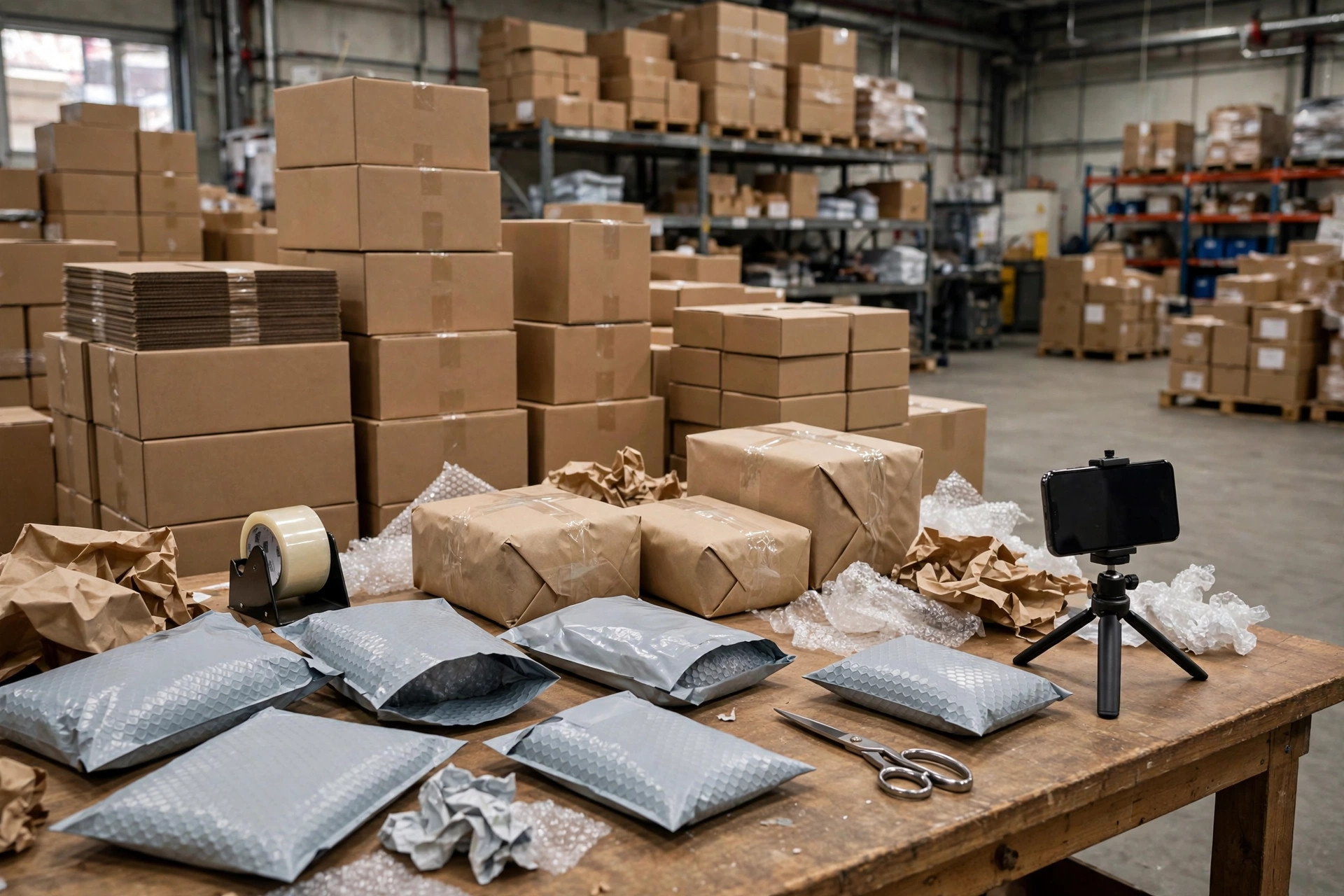
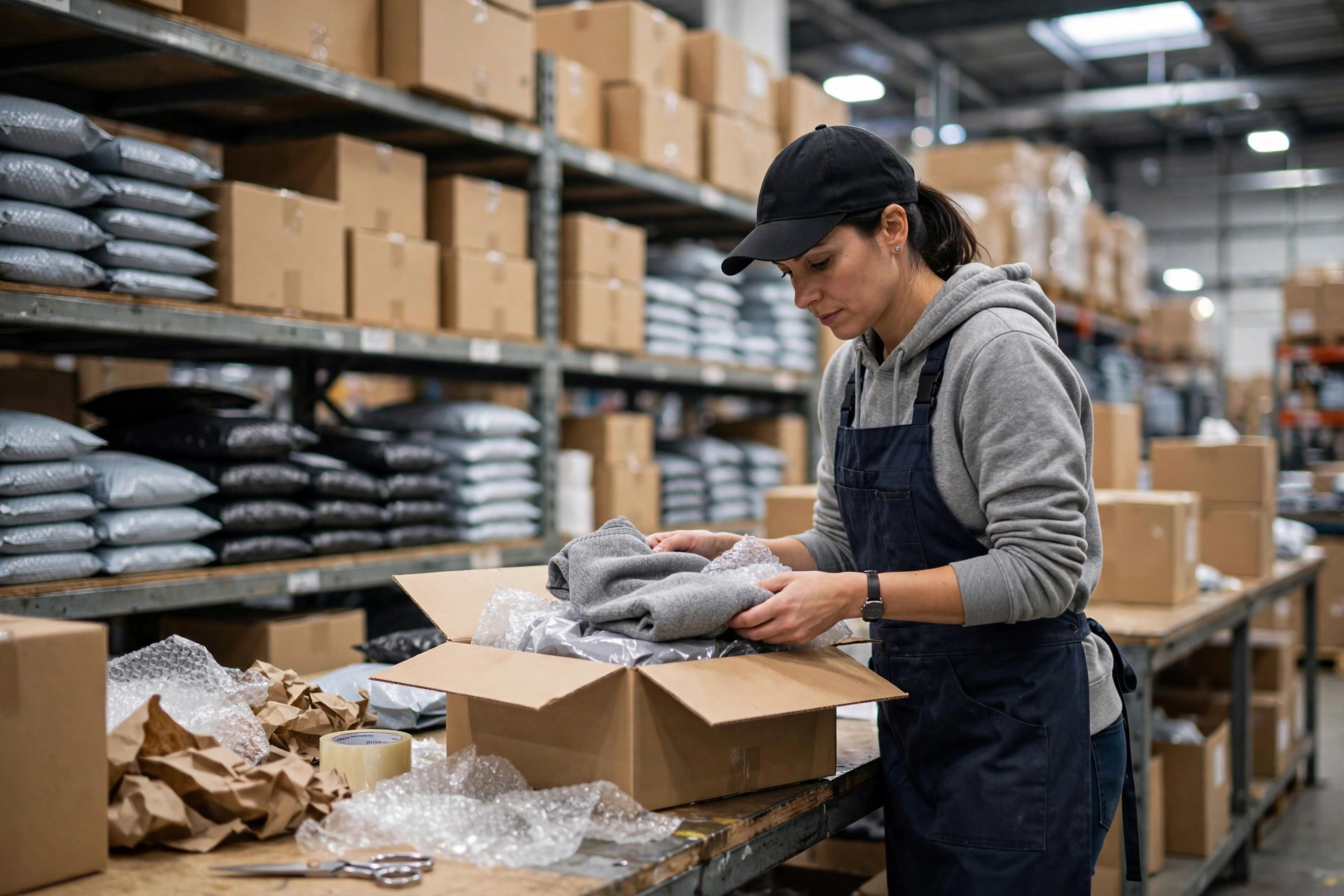
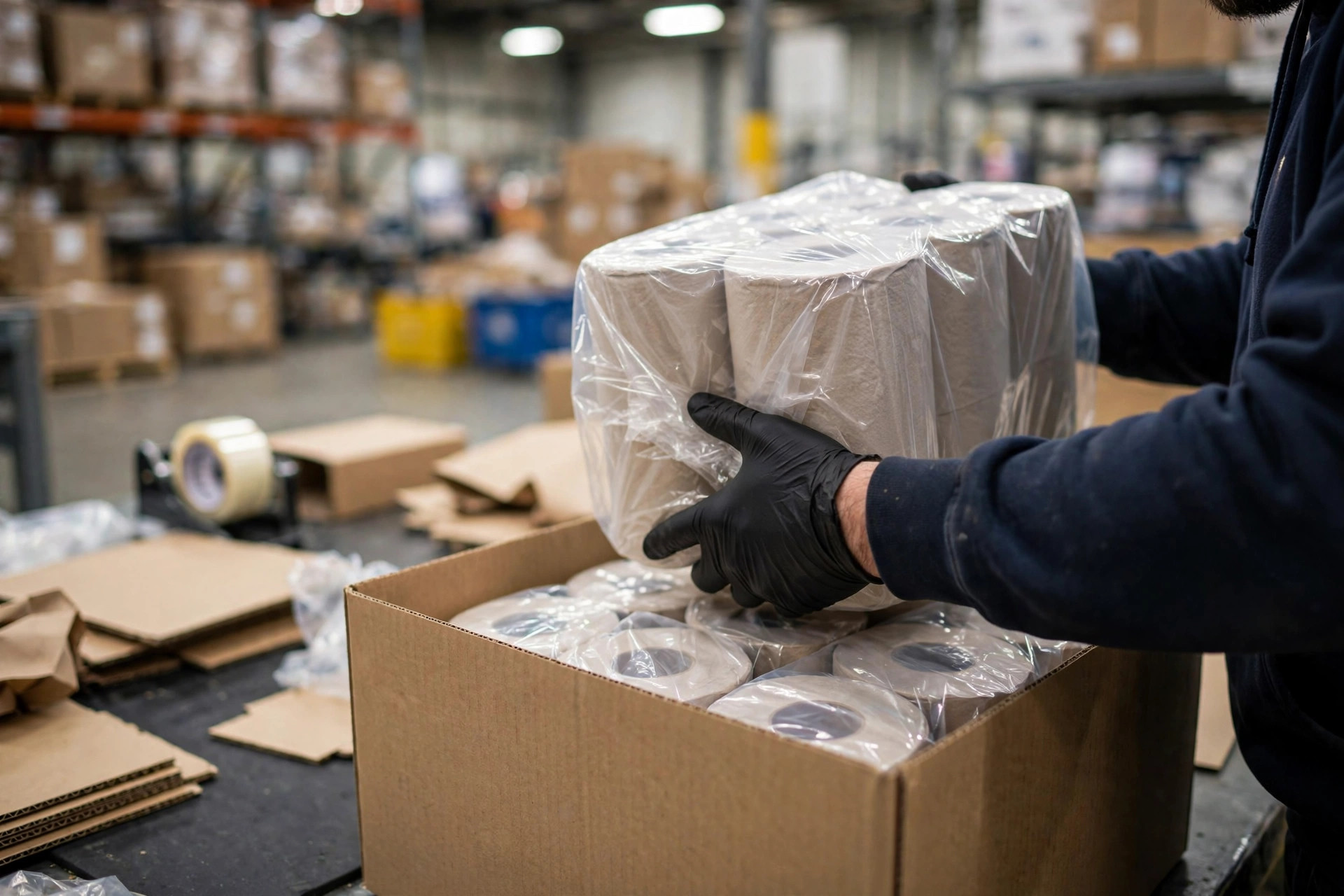
Step one: packaging comes first. A bulk pack is not six boxes shoved into a bigger box. Costco's transport packaging standards assume full-pallet stacking, and the labeling has to be exact. My first shipment was palletized to Amazon standards. One full pallet got refused at the Costco delivery point — the outer cartons couldn't take the stacking pressure and the bottom layer collapsed. Two days of rework, $800+ in wasted freight. I still remember that invoice.
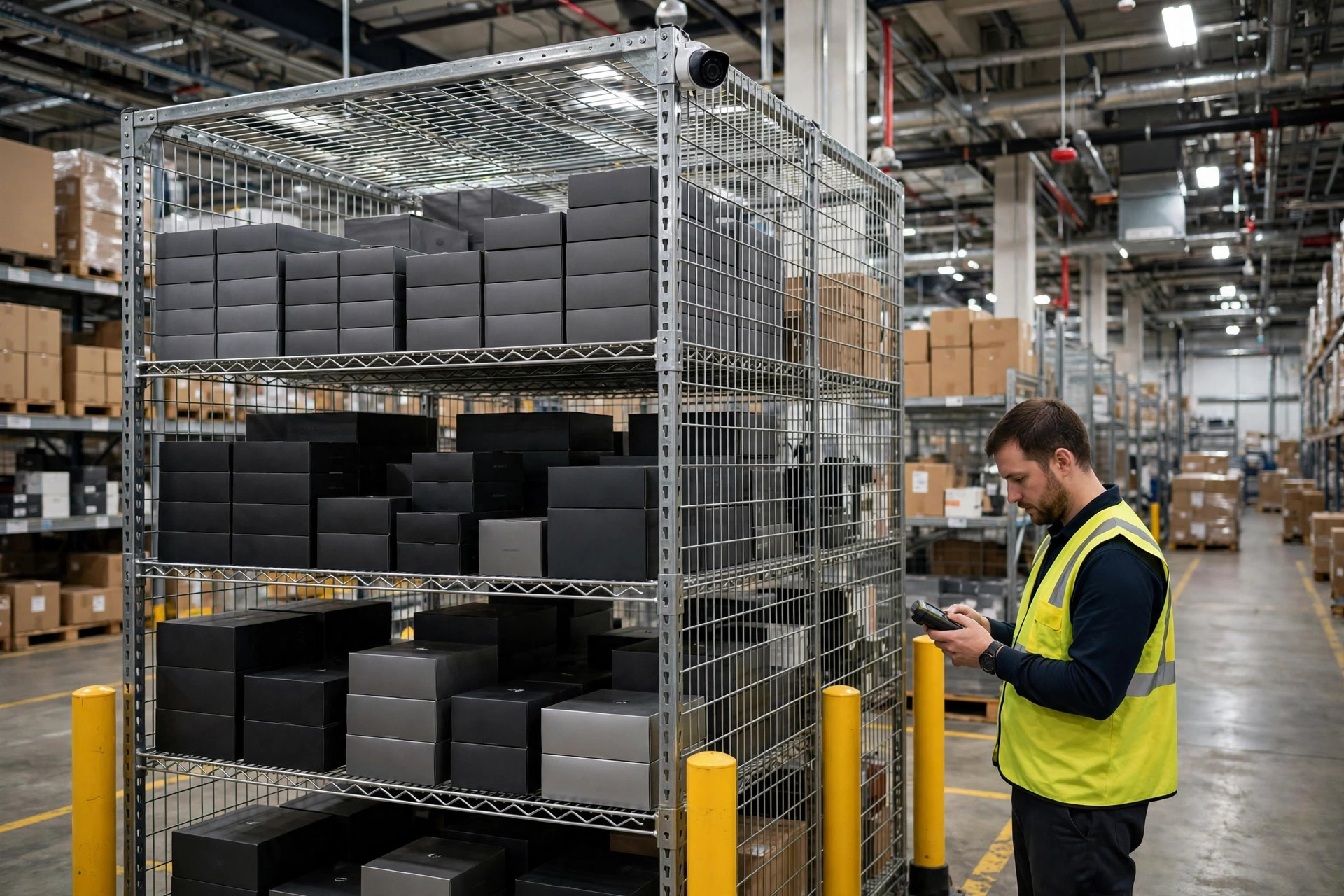
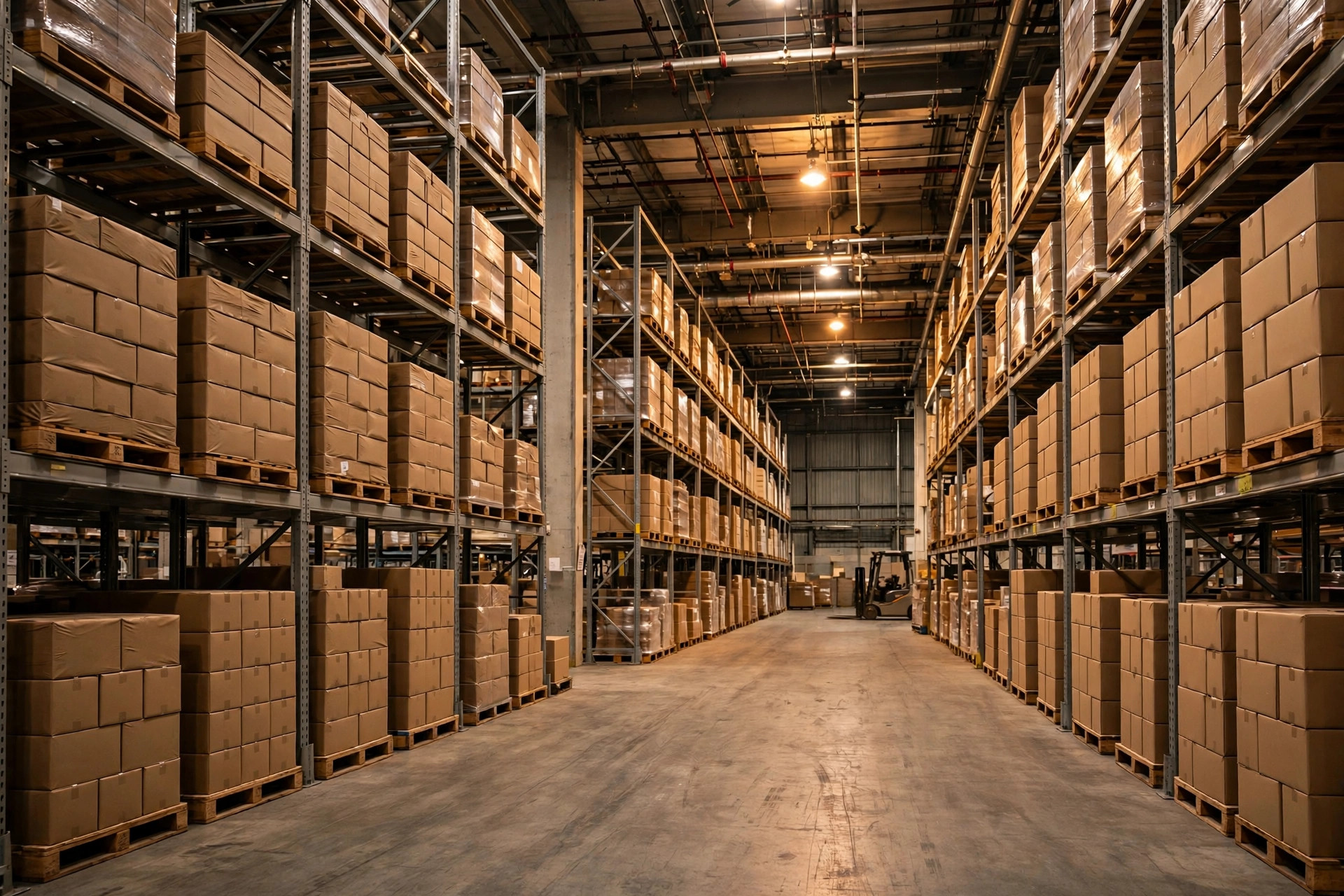
Step two: stock like stockouts don't exist. Costco doesn't do "backorder" or "temporarily out of stock" the way Amazon does. Go dark for too long and the listing is gone. My formula: daily unit sales × 21 days of safety stock, plus 14 days in transit. The 6-pack moved about 80 bundles a day, so I kept 2,000 bundles in the California primary warehouse and another 1,000 staged at an East Coast transfer warehouse. That's roughly double the safety stock I'd carry for Amazon — and yes, the cash pressure is real.
Step three: delivery speed. Costco.com members tolerate slow shipping even less than Amazon Prime shoppers — they paid a membership fee, and they expect it to mean something. My 3PL runs warehouses in California and Pennsylvania; East Coast orders ship from Pennsylvania to land within three days. I review transit-time data every week. Miss the mark two weeks running and the buyer calls you. Don't ask me how I know.
The Bulk-Pack Fulfillment Playbook That Got Me Approved: Run the Numbers
Plenty of sellers run the Costco math and walk away: wholesale pricing typically runs about 15% below other channels, bulk packaging costs more, and the per-unit margin looks thin.
Here's my side-by-side, same 6-pack bundle across three channels, based on my 2024–2025 numbers (platform policies change — verify against current official terms):
| Factor | Costco.com | Amazon FBA | Walmart online |
|---|---|---|---|
| Packaging expectation | Bulk/multi-pack first, pallet thinking | Single units fine, loose pallet rules | Somewhere in between |
| Weekly sales threshold | Public info ~$1,500/week per SKU | None | No public hard threshold |
| Safety stock depth | 21+ days | ~14 days is fine | 14–21 days |
| Return rate feel | Noticeably lower | Category-average, higher | Middle |
| Per-unit margin | Lowest (pricing ~15% below other channels) | Mid | Low-mid |
| Inventory velocity | Fastest (volume logic) | Depends on ad spend | Slower |
Now the counterintuitive part: Costco.com is the lowest per-unit-margin channel I've ever sold on — and the highest capital-efficiency channel I've ever sold on. One SKU at Costco can move in a month what takes three months on Amazon. You're not making money on "profit per unit." You're making it on turns per year. My 6-pack did 4,000 units a month on Amazon; in peak season on Costco.com it moved 9,000 bundles in a month. I made about $2 less per bundle, but total volume more than doubled, warehouse turns accelerated, and my 3PL storage bill actually went down.
The trade-off in one sentence: you're trading margin for velocity. If cash flow is tight and deep stocking scares you, stay away from Costco. If your supply chain is solid and you can stock heavy, Costco.com's bulk-pack lane is genuinely underrated.
Four Pitfalls That Will Kill Your Costco.com Run
- Don't ship old packaging. Costco's full-pallet stacking standard is not Amazon's. Compression-test your cartons before the first shipment, and ask your 3PL point-blank whether they've delivered to Costco before.
- Don't stock out. Twenty-one days of safety stock is the floor, not the target. For peak season (November–December), stage inventory 45 days early. In 2024 I staged Black Friday inventory ten days late, went dark for five days, and nearly lost the listing.
- Don't bet the year on one SKU. Costco.com is brutally seasonal — my storage bundle sells 2.5× in Q4 what it sells in Q2. Plan SKUs by quarter so a second product carries the slow months.
- Don't handle customer service yourself. Costco members' service expectations are sky-high. Use a 3PL with outsourced CS, or at minimum guarantee sub-24-hour response. Mine runs through an outsourced team in the Philippines — controlled cost, response times on target.
Final word: Costco.com isn't for everyone. It's for sellers with a real supply chain, the guts to stock deep, and packaging that survives full-pallet stacking. If you're still in the "list 50 SKUs and see what sticks" phase, stay on Amazon. If your supply chain is mature, the bulk-pack lane on Costco.com is an undervalued goldmine.
Tested it myself — it works.
By Ah K, E-commerce Seller (5 yrs)