We have a client who imports building materials and rents a warehouse near the port of Conakry. On signing day he was full of confidence. Guinea is the world's biggest bauxite exporter, he told me, and the Simandou iron ore project is about to take off, so this warehouse can only get more valuable. I did not answer right away. I turned the contract to the rent escalation clause and asked him one question: who exactly are you stocking this warehouse for? He went quiet. That question is where the real math of Conakry port warehouse logistics begins. In my line of work, the danger is rarely a client who knows nothing. It is a client who brings a loud, exciting story to negotiate a contract that has nothing to do with that story.
Guinea's mining numbers are genuinely huge. In 2025 the country exported 182.8 million tonnes of bauxite, up 25% year on year, making it the world's largest bauxite exporter. Some 74% of that went to China, shipped by 23 exporting companies concentrated around the Boke region, leaving through ports such as Kamsar. Simandou has moved too: the first shipment left the port of Moribaya for China on 2 December 2025, carrying 9,850 tonnes of ore. A railway of more than 600 kilometres was built across Guinea to serve the project, designed for up to 120 million tonnes a year, with ore grades above 65% and total investment of roughly USD 17–20 billion. Numbers like these make anyone assume the capital city must be sitting on mining money. The numbers are real. Whether they have anything to do with your warehouse is a separate question.
Conakry Port Warehouse Logistics Starts With the Right Map
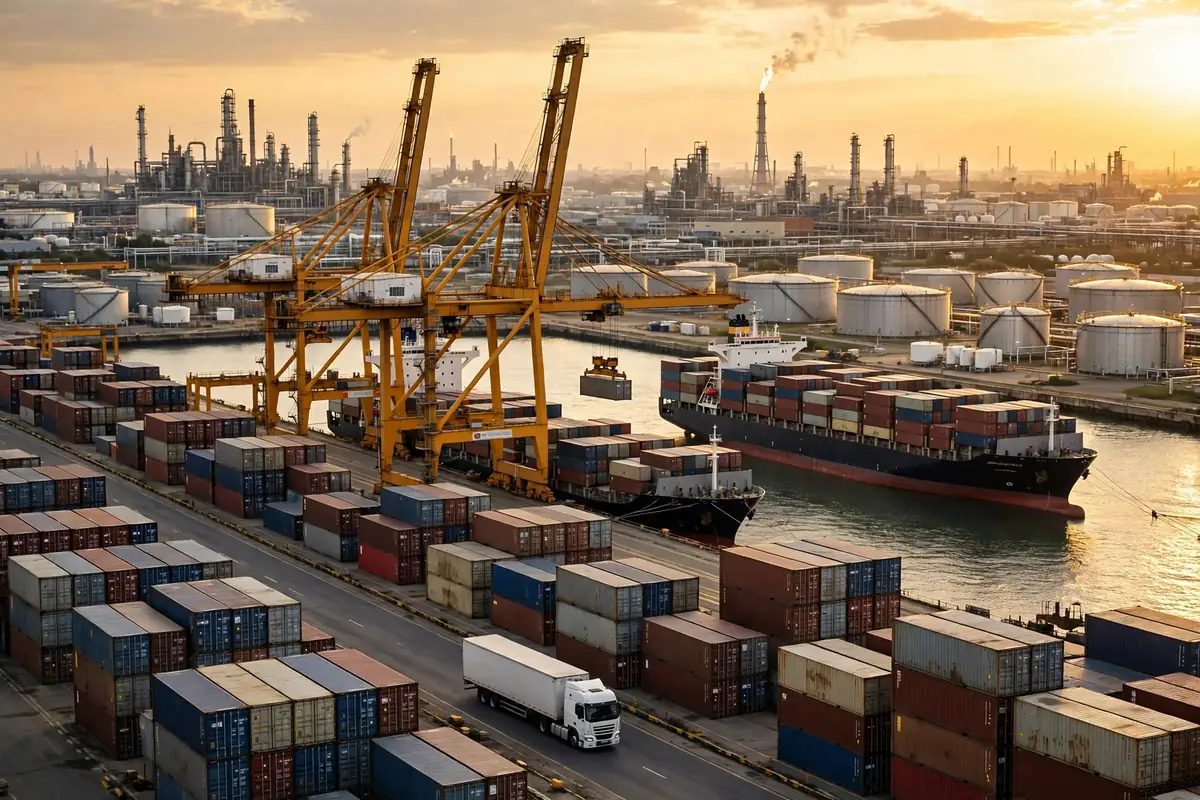
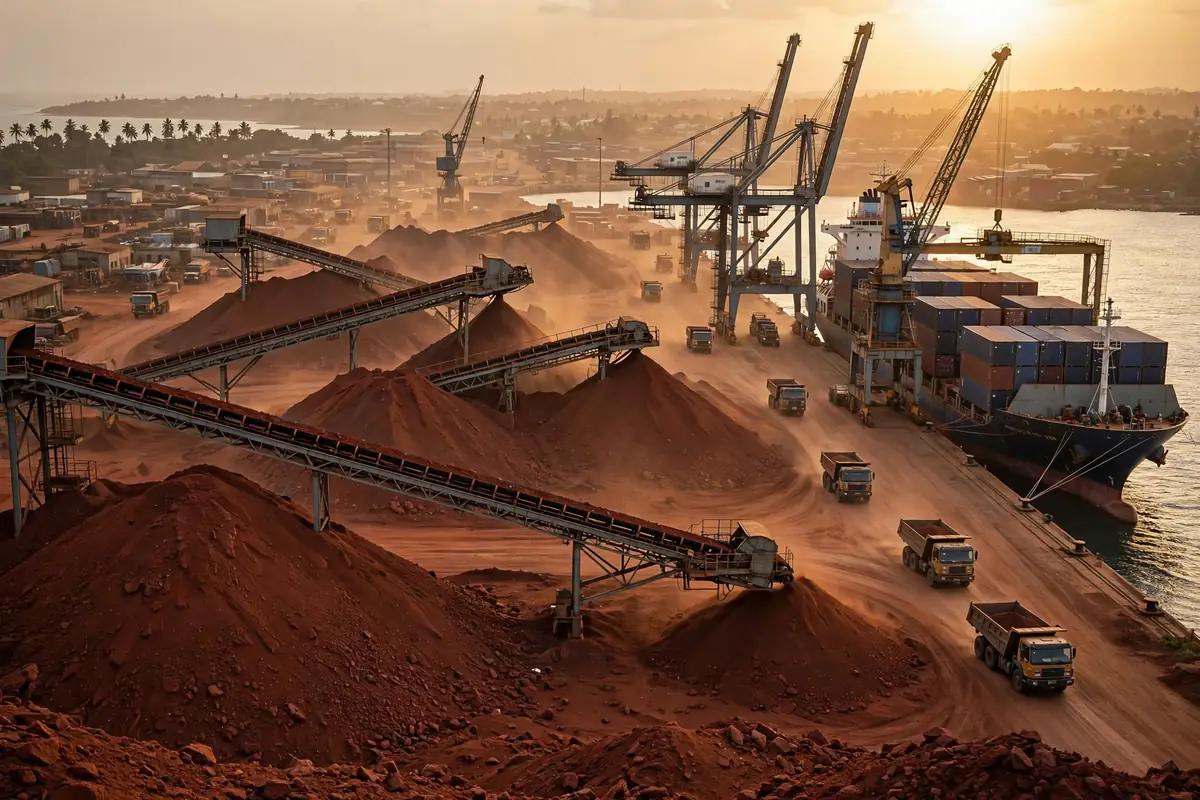
Here is the trap most newcomers walk into: "Guinea has ore" does not mean "the capital's port ships ore." The Autonomous Port of Conakry mainly handles general import cargo — containers, fuel, food, machinery. It is Guinea's import gateway, not a mining port. Bauxite leaves through the Boke and Kamsar corridor, and Simandou iron ore leaves through Moribaya, each with its own terminal and its own railway. The ore never passes through a yard in the capital, so a bulk stockyard rented there would sit waiting for cargo that is never coming. The division of labour between ports is obvious on a map, yet it gets blurred surprisingly often once people sit down at a negotiating table.
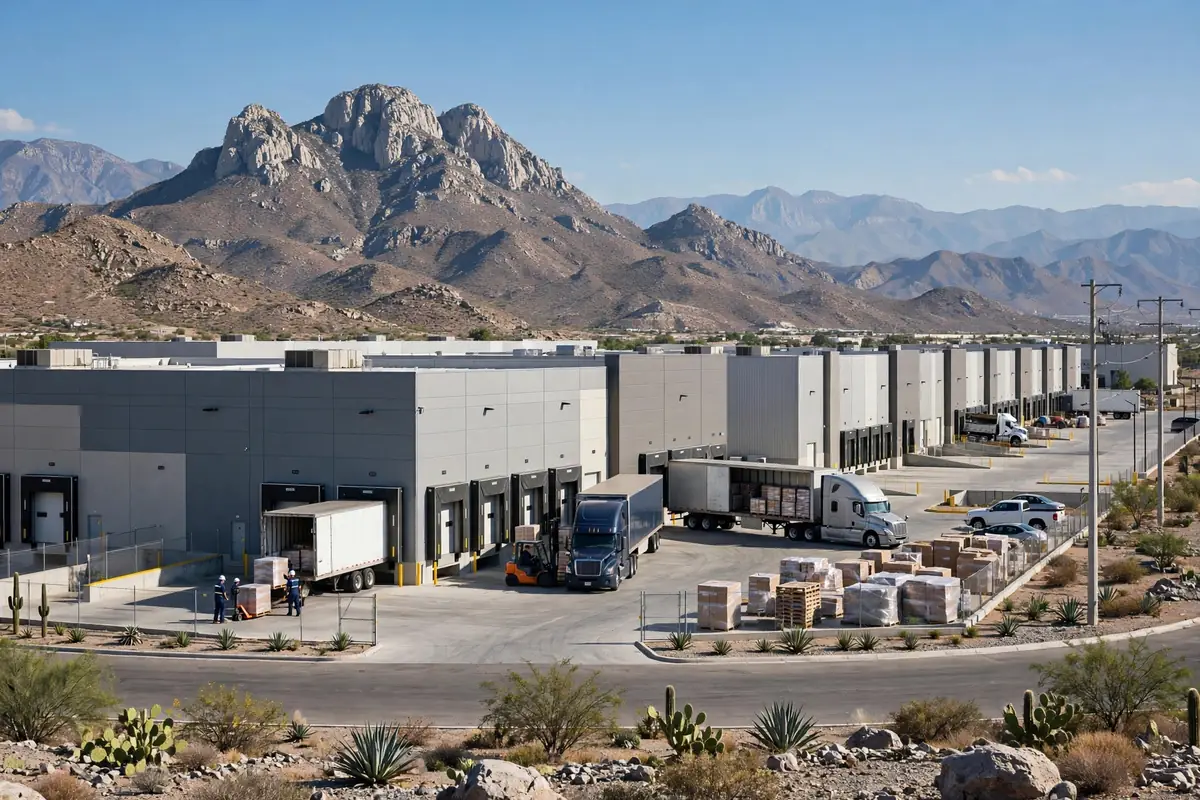
That distinction is worth real money, because it decides who your warehouse actually serves. Mining regions need bulk stockyards, heavy-lift laydown areas and transhipment sheds near Boke and Moribaya. The capital needs import warehousing: container stripping, food distribution, building-materials storage, machinery spares. One country, two different warehousing logics, and completely different leverage in a rent negotiation. Walk into a landlord's office in the capital telling the mining-port story and the landlord knows perfectly well your cargo does not move through his port. Say it straight instead — that you run a long-term import distribution flow that genuinely matches his port — and the same landlord will often give ground on term and escalation, because your cargo flow fits his asset.
What the Mining Boom Really Buys in Conakry Port Warehouse Logistics
The boom's real effect on the capital is not the ore itself but the people, equipment and consumption the ore brings. Tens of thousands of workers in the mining regions need food, housing supplies and spare parts, and much of that flows through the capital. Consider a worked scenario, clearly labelled as such rather than measured data: imagine a trader supplying daily goods to the mining regions, sending 20 truckloads a month inland from the capital. Leave the value of each load aside — if the stocking cycle slips by a single beat, the peak season brings a stockout. The capital's warehouse earns its keep on that logistics account, not on the ore account. The logistics account is made of small orders, high frequency and zero tolerance for stockouts, and it rewards stripping speed far more than floor area.
The three cargo flows make the point side by side:
| Cargo flow | Export port | Role of a Conakry warehouse |
|---|---|---|
| Bauxite | Kamsar and nearby ports, Boke region | No role — do not reserve capital-city yard space for it |
| Simandou iron ore | Moribaya, rail-linked to the terminal | No direct role — spares and logistics supplies only |
| General imports | Port of Conakry | The main event: stripping, distribution, spares, transit |
The counterintuitive call is this: the hotter the mining story gets, the less a Conakry warehouse should chase ore. Ore money is locked up in dedicated ports and railways. What the boom leaves for the capital is import and back-office demand. A shed built to bulk-ore standards — heavy floors, open yards, dust controls — is a mismatch for that demand, and the capital spent on it does not come back. A warehouse fitted for general imports and spares, built for stripping speed and stock turns, is the one with pricing power. In a contract, the most valuable sentence is often the one that states exactly which cargo class the space serves. Once that is written down, the rent becomes negotiable. Leave it vague and even a good-looking rent is built on sand.
The Spares Business Hiding in the Mining Supply Chain
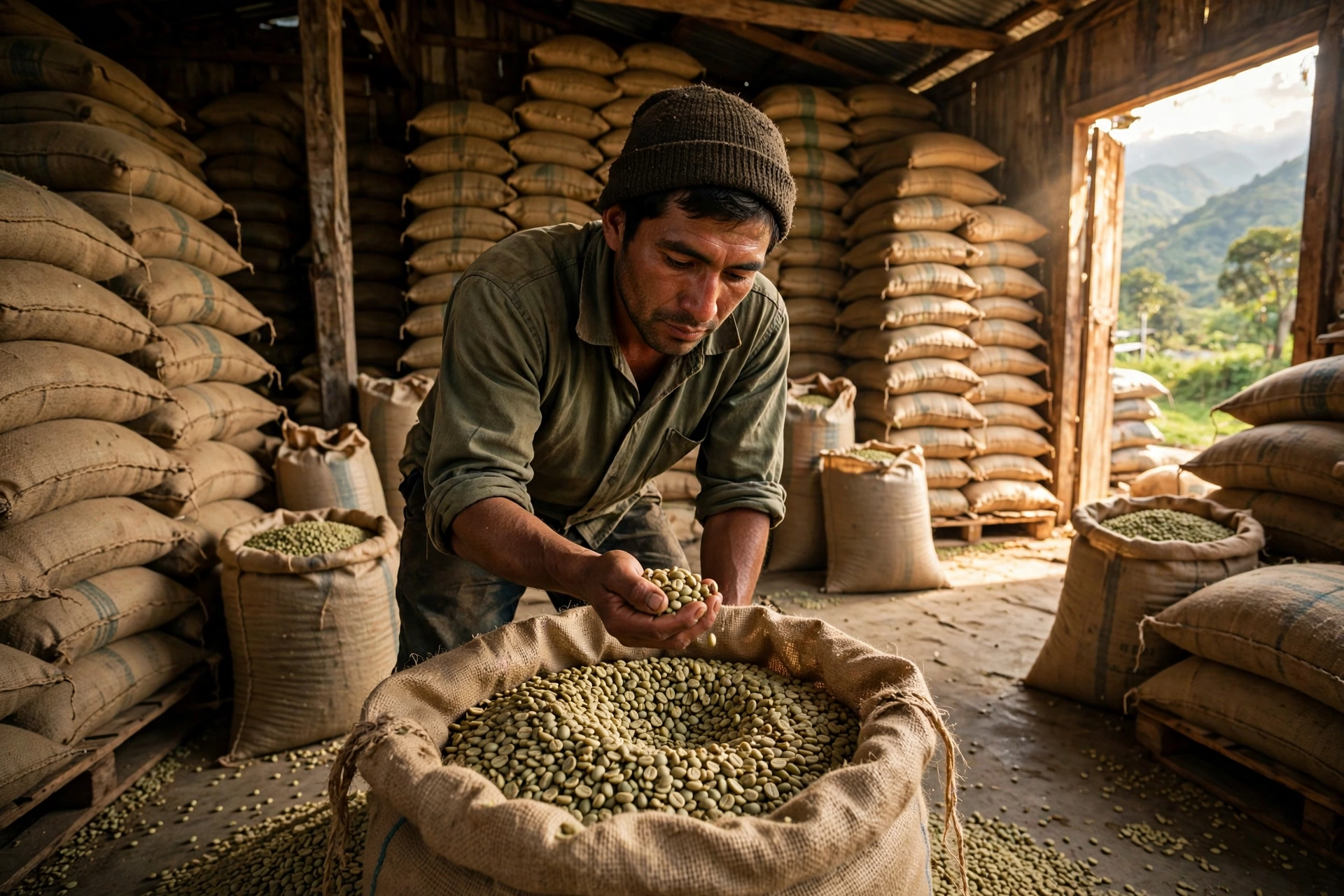
Here is another client story. A trader in mining-equipment spares came to us about warehouse space. His goods never touched the ore corridor. They arrived in containers through the capital's port, were stripped and sorted by part number, then shipped piece by piece to the mining regions. His problem was not volume but variety: hundreds of part numbers, any one of which could idle a machine if it was out of stock. Another labelled scenario: suppose this trader stocks 300 fast-moving part numbers in the capital, two or three pieces each. The total stock value is modest, yet a single missing part can delay a repair. His warehouse competes on pick accuracy and retrieval speed, not on square metres.
This spares trade is the most underrated corner of the capital's warehousing market. An ore project with investment in the tens of billions needs a constant flow of spares once its equipment is in the field. A spares warehouse does not need a big open yard. It needs clear rack zoning by part number, tight inventory control and fast dispatch. When landlords ask about floor area first, my advice is to steer the conversation back: area is not the point. The point is how many orders the warehouse can pick accurately each day, and how many minutes it takes to find one part. Put those two figures into the service standard and the rent negotiation has a spine. Too many providers haggle over the price per square metre and never mention operating standards, leaving their best card under the table.
Before signing a lease I get clients to check four things: which port the cargo actually moves through, whether the cargo is ore, general imports or spares, how much order volume swings in peak season, and whether the lease allows the use of the space to change if the cargo mix changes. Once those four are settled, the warehouse has a position, and only then do area, clear height, racking and term become worth discussing. Reverse the order — pick the area first, think about the cargo later — and rework is almost guaranteed.
Negotiate the Cargo, Not the Story
My building-materials client changed his mind halfway through the negotiation. He swapped a large open yard for a covered distribution warehouse, kept a container-stripping area and a spares racking zone, and replaced a long fixed lease with a shorter term carrying a renewal option. His words were that the mining story is for investors, while a warehouse contract has to follow the cargo. A client may fall for the mining story, but a salesperson's job is to put the cargo-flow truth on the table. The story can be told to anyone. The contract can only follow the cargo.
Next time you negotiate a contract, ask these three questions: which port does the cargo served by this warehouse actually move through? Is the growth the mining boom brings made of ore itself, or of logistics demand behind it? And does the lease leave room to change the use of the space if the cargo mix changes? Answer those three, and the Conakry account is settled.
By Susan, 3PL Sales Director