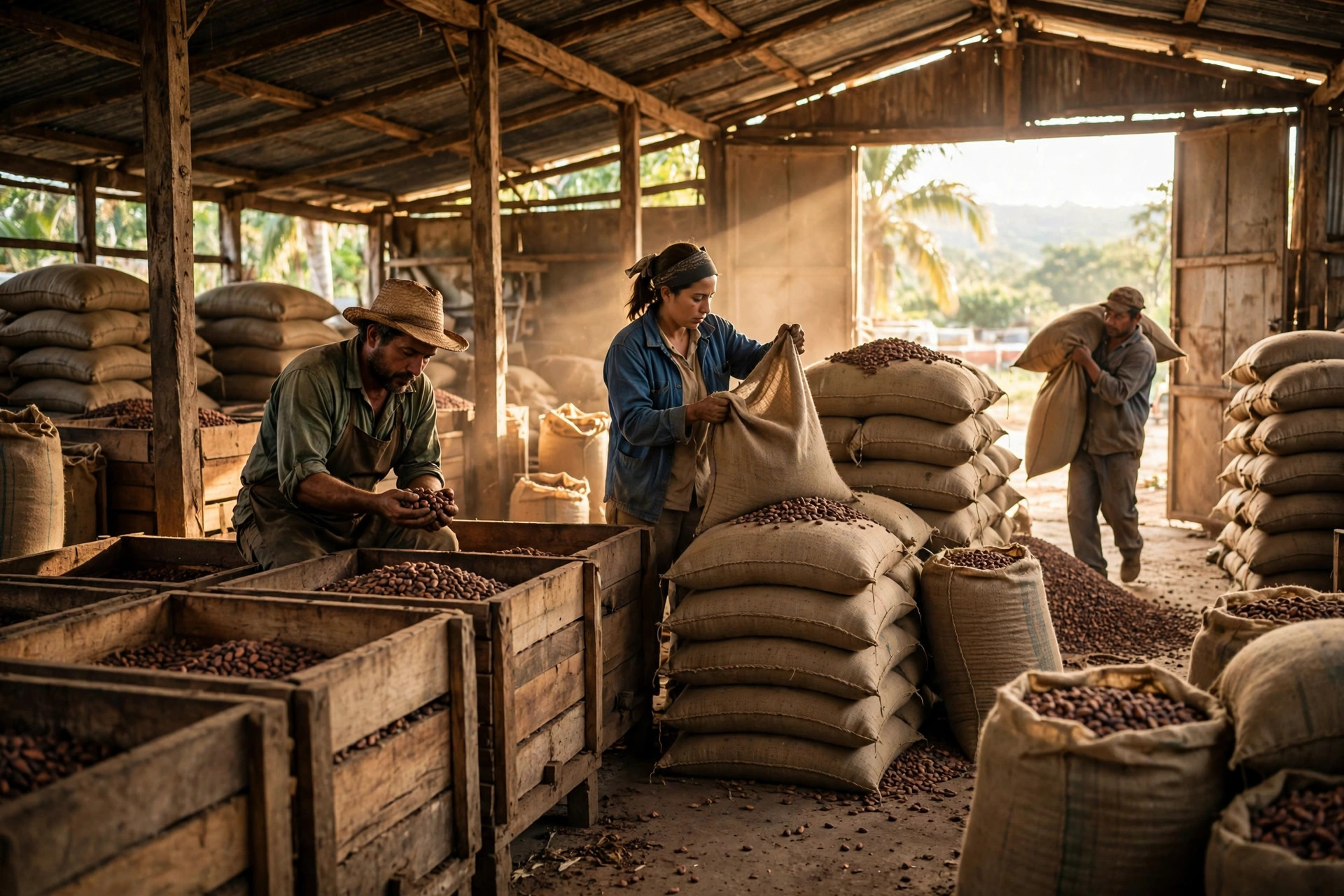
Start with the ledger. In Colombia panela export warehouse storage, the biggest cost is usually not freight. It is the sugar quietly going bad inside the warehouse. Panela is unrefined cane sugar, boiled down and pressed into blocks. It has no industrial armor: it fears moisture, pressure, and swings between damp and dry. A block can leave the trapiche in perfect shape and, three weeks later in storage, come out sticky on the surface and caked solid at the bottom of the stack. The moment the buyer sees that at inspection, your negotiating power on the whole container is gone. This piece is not about romance. It is about the warehouse ledger.
Colombia Panela Export Warehouse Storage: Where the Money Goes
I break one container's warehouse cost into five buckets. The table below is one transit warehouse near the Caribbean coast, offered as an example of structure, not an industry statistic:
| Cost bucket | Example share of one container | Note |
|---|---|---|
| Receiving inspection and lot separation | About one tenth | Keep each trapiche lot separate, never mixed |
| Moisture control (desiccants, wrapping, dehumidifying) | About two tenths | Budget higher in the rainy season, not the dry one |
| Stacking and pallet loss | About one and a half tenths | Pallets, stretch wrap, restacking labor |
| Caking rework and downgrades | Zero if nothing goes wrong, up to three tenths if it does | The most uncertain bucket |
| Outbound re-inspection and paperwork | About half a tenth | Photos, humidity records, lot numbers |
See the pattern: moisture control is fixed and plannable, while caking rework is uncertain and can swallow the whole margin. My rule is simple. Any cost bucket that reads "zero if lucky, double if not" gets budgeted as if the bad case happens. That is not pessimism. In this trade it is the only way the math ever comes out right.
So the budget for Colombia panela export warehouse storage should be built backwards: first ask what rework cost last container, then decide what this container's moisture budget should be. Moisture spending is not "the more the better." It should match the bucket carrying the most rework risk. Many shippers spread the moisture budget evenly across the year, which leaves the rainy season short and wastes money in the dry season. The right move is to raise it for the wet weeks and pull it back when it dries out, so the money lands where humidity swings hardest.
Moisture: The Enemy Is Fluctuation, Not Rain
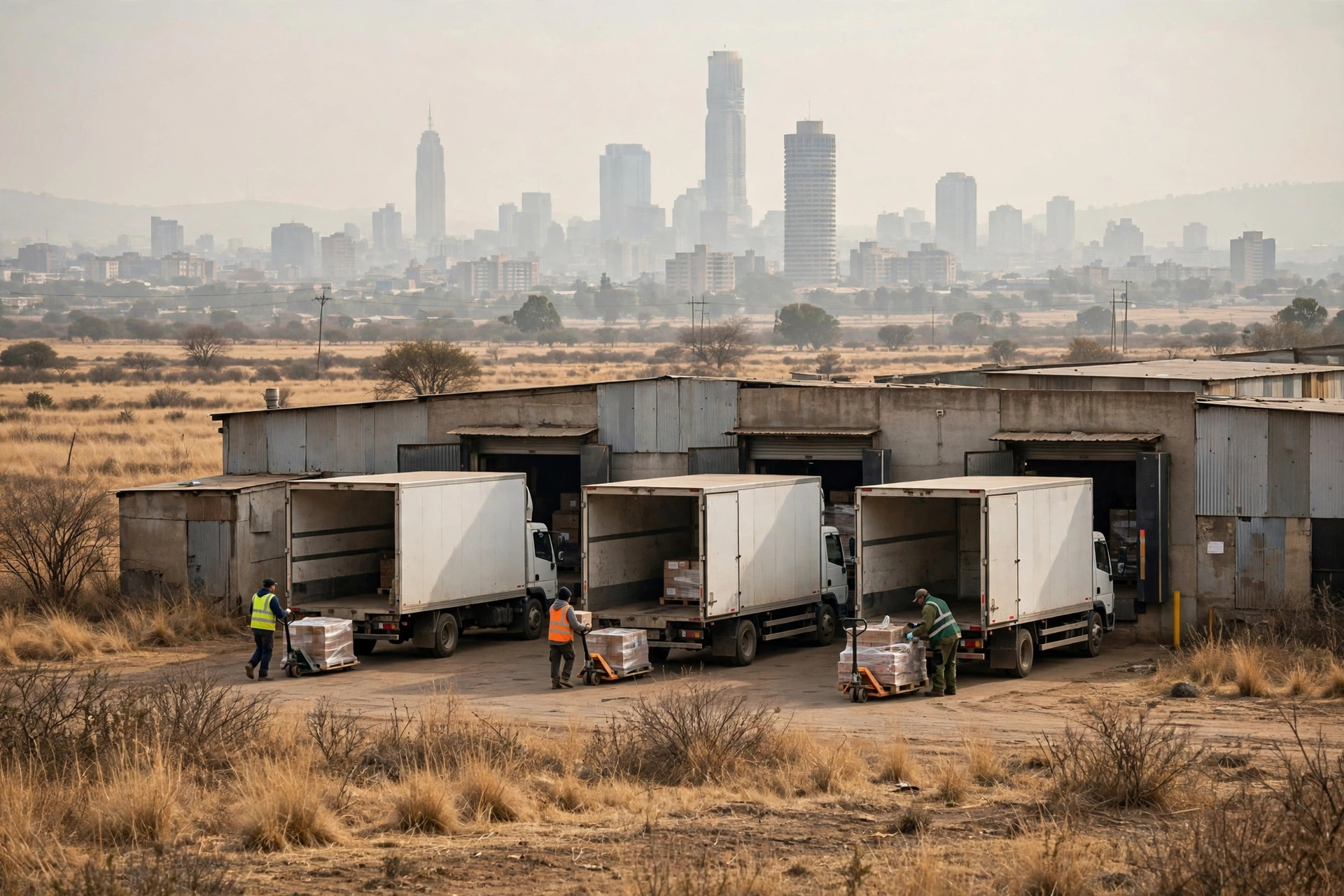
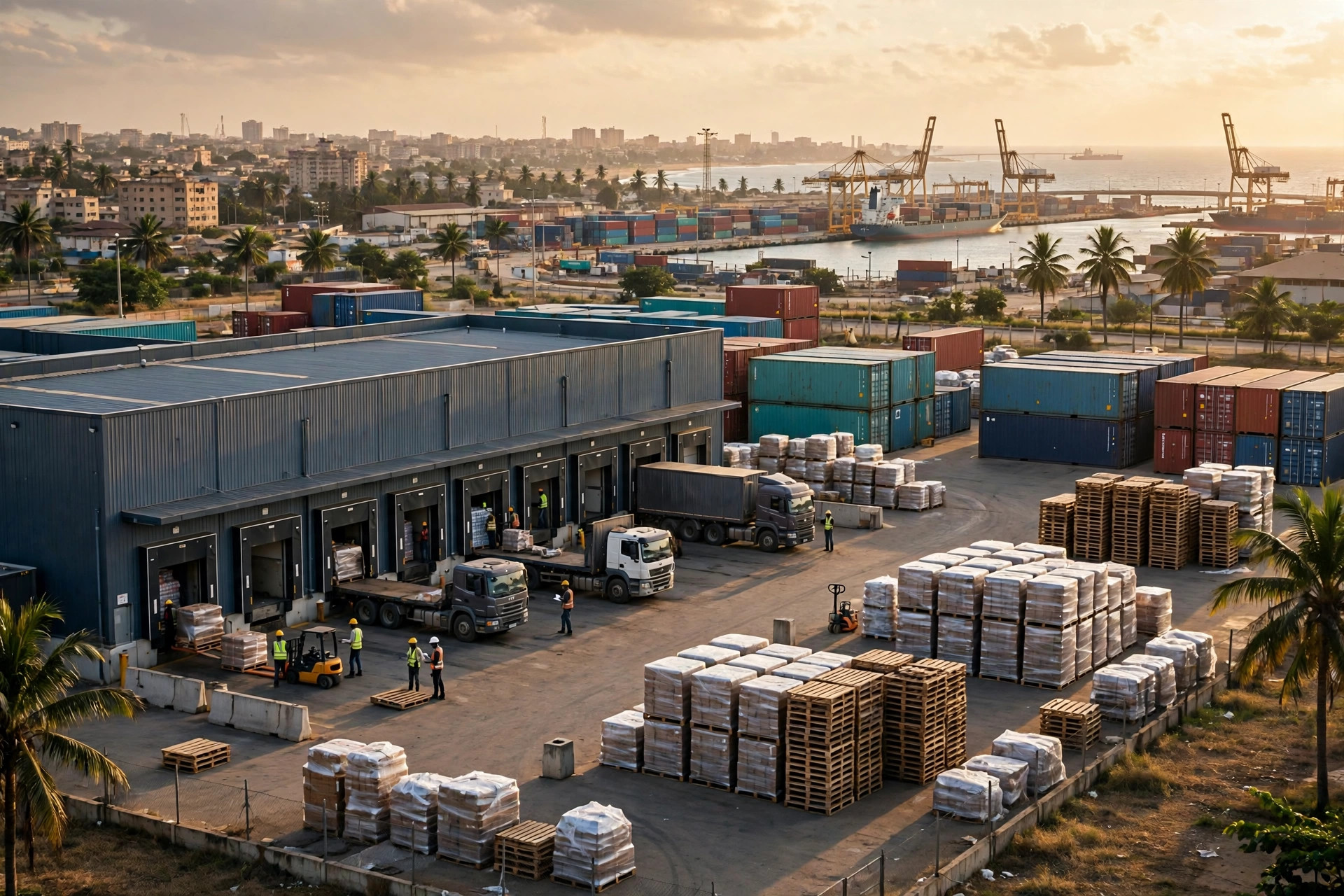
Most people think moisture control means keeping rain off the goods. Wrong. The first case makes it clear. A transit warehouse outside Cartagena took in a lot of block panela from trapiches in the Cauca Valley region during the rainy season. The goods arrived dry and solid, the roof did not leak, the floor had moisture barriers. It looked bulletproof. The problem was the warehouse door: opened constantly for loading during the day, it let humid sea air in, and at night, with the doors shut and the temperature down, moisture condensed on the block surfaces, then dried again the next day. After two weeks of this cycle, the stacks near the door were sticky on the surface and starting to cake.
That is the real enemy of panela in storage: humidity fluctuation. One damp spell is survivable. Repeated cycles are not. The defenses, ranked by cost: first, zone the stacks, giving separate numbers to positions near doors, walls, and vents, and shipping those positions first in the rainy season; second, wrap whole stacks down to the base and add desiccants, because a cover that only tops the stack is decoration; third, keep a simple humidity log, recorded by hand morning and evening, and move goods at the first sign of a swing before hunting for the cause. Dehumidifiers are nice, but for many transit warehouses, getting zoning, wrapping, and logging right costs under a tenth of a dehumidifier setup and prevents most of the loss.
Caking in Panela Export Warehouse Storage: Pressure, Stack Height, and Dispatch Order
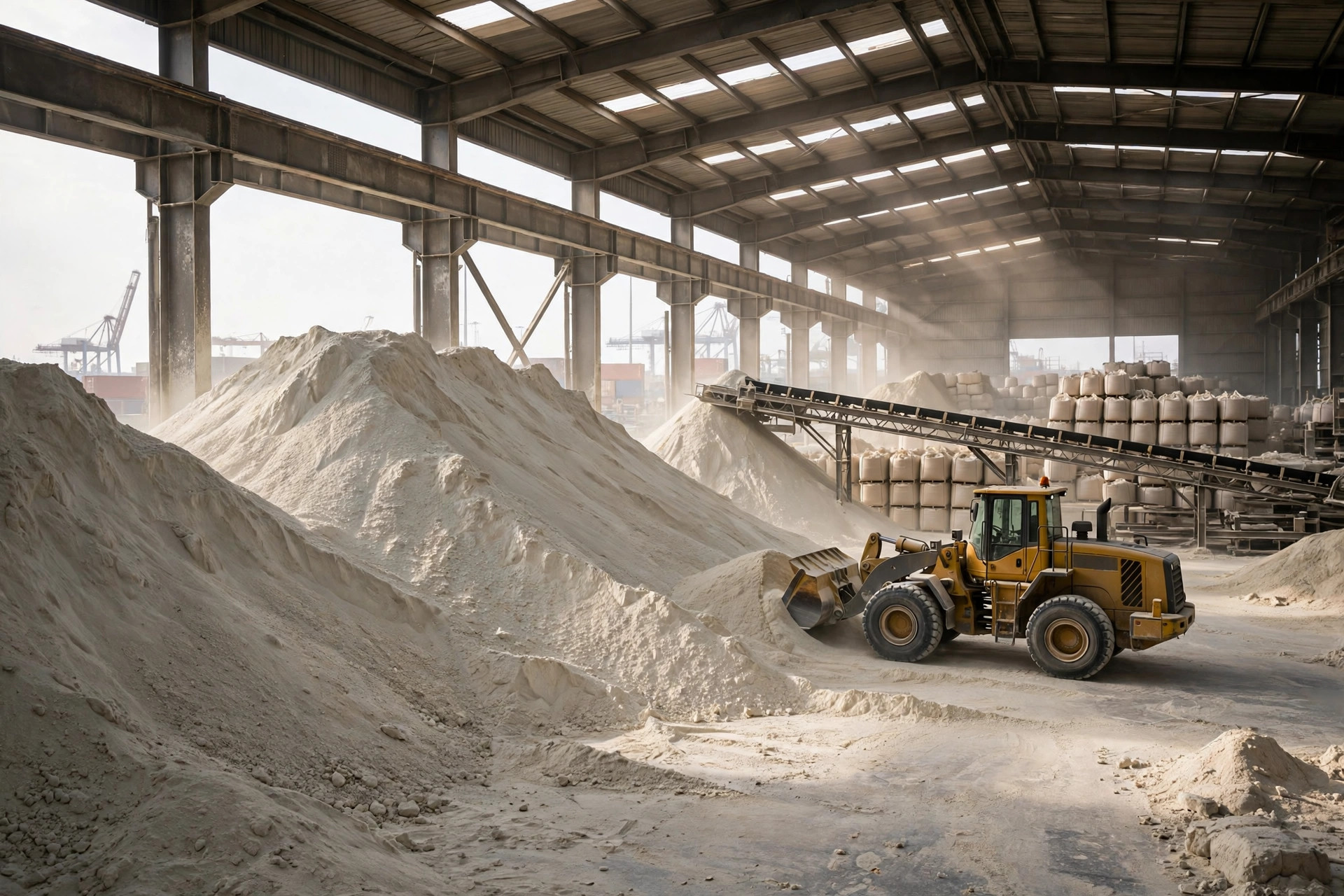
The second case comes from a small exporter in the Santander region: granulated panela in bags, stacked six layers high to save pallet positions. The bottom bags were compressed until the air gaps between grains were gone, and with the slightest dampness they set into solid slabs. The buyer opened boxes expecting sugar and found bricks. Rework meant opening bags, breaking up the slabs, re-sieving, and re-bagging, at several times the original handling labor, plus a missed sailing.
The caking math works like this: each added layer saves pallet space and rent, and gambles the condition of the bottom layer. My method is a controlled comparison. Take one stack at four layers and one at six, same lot, same position, and record breakage and caking rates at dispatch. Whichever height's rent savings beat its rework loss becomes the standard. No gut feeling, no "we always stacked it this way." Dispatch order matters too: first in, first out is the floor, and in the rainy season add one more rule, ship the door-side and wall-side stacks first, even if it disturbs the lot sequence a little. Never let a high-risk stack sit through another wet week.
Blocks and granules also cake differently, which matters for the ledger. Blocks go sticky on the surface and fuse into slabs; granules compress and set into bricks. Blocks are defended by wrapping and zoning, granules by height limits and first-in-first-out. Mix the two in one stack and the defects hide each other until outbound inspection, when rework has to cover the whole stack. So the first job at receiving is always the same: separate lots, separate forms, separate stack positions. The labor saved by mixing lots gets paid back double at dispatch.
The Last Ledger Entry Before the Ship Sails
Before goods leave the warehouse, I insist on three things: photos of the blocks at dispatch, humidity records tied to the lot, and lot numbers on the packing list. When a buyer finds caking at destination, the first question is always whether it went bad in your warehouse or at sea. Without dispatch photos and humidity records, you have lost that argument before you open your mouth. With them, the line of responsibility is clear: own what is yours, and not a cent of what is not.
Here is the counterintuitive judgment: many shippers hunt for the cheapest warehouse, even an open shed, to save rent. Run the numbers and it comes out backwards. The rent saved in an open shed often does not cover one caking rework plus one buyer claim. For panela, warehouse cost is not a cost line. It is insurance, buying the guarantee that the goods arrive looking the way they left the trapiche. My decision framework for choosing a warehouse is three questions: does it zone stacks and keep humidity records when the rainy season swings? Has it actually tested its stack height? Can it hand you dispatch photos and lot numbers? Three yes answers, and a higher rent is worth it. One no, and no rent is cheap enough.
The closing calculation is one you can run before your next container: take the last container's rework loss at a warehouse, divide it by the shipped weight, and you get a per-kilo "spoilage cost." Add it to your quote. If a warehouse's spoilage cost beats the premium of the dearer warehouse next door, switching warehouses is how you make money. Warehouse math, in the end, is not about who charges the least rent. It is about whose goods arrive intact. Specific export documentation and inspection requirements vary; follow the latest official policy.
By Lao Zhou, Logistics Cost Analyst