We have a client whose colombia avocado export warehouse storage went sideways last year over a single container. The fruit was good. It came from an orchard in Antioquia, Hass variety, picked at the right firmness and oil content. By the time it reached the US East Coast, it ripened unevenly: half of it sold well, half had to be marked down. The buyer deducted money, and the client came back to me asking whether the cold chain had broken. I went through the temperature logs, the pre-cooling times, and the days the container sat at port, one record at a time. The problem was not one broken link. Every link was a little bit off, and those little bits added up to more than a full day of lost shelf life.
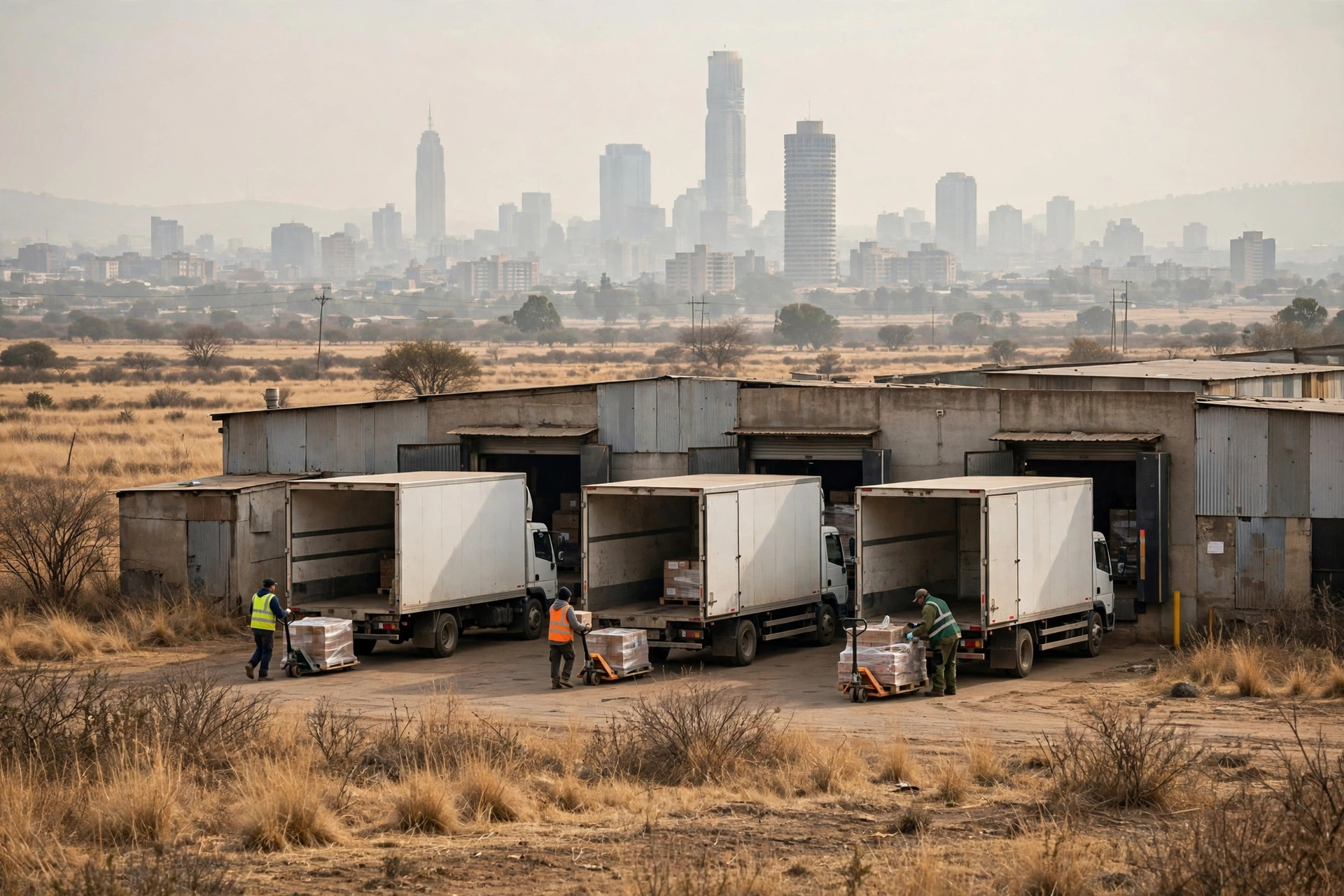
Let me call the first client a mid-sized Colombian exporter. In April 2025, they shipped about 18 tonnes of Hass avocados from orchards near Rionegro. Rain fell on picking day, so the fruit arrived wet at the packhouse. The crew rushed to pack, and pre-cooling queued for almost a full day because another customer's fruit was still cooling in the same cold room. The pulp temperature came down slowly and unevenly. From the packhouse, the container went to Cartagena and waited about two days in the port area before loading. The ocean leg itself was unremarkable, but the fruit left Colombia with uneven internal temperatures.
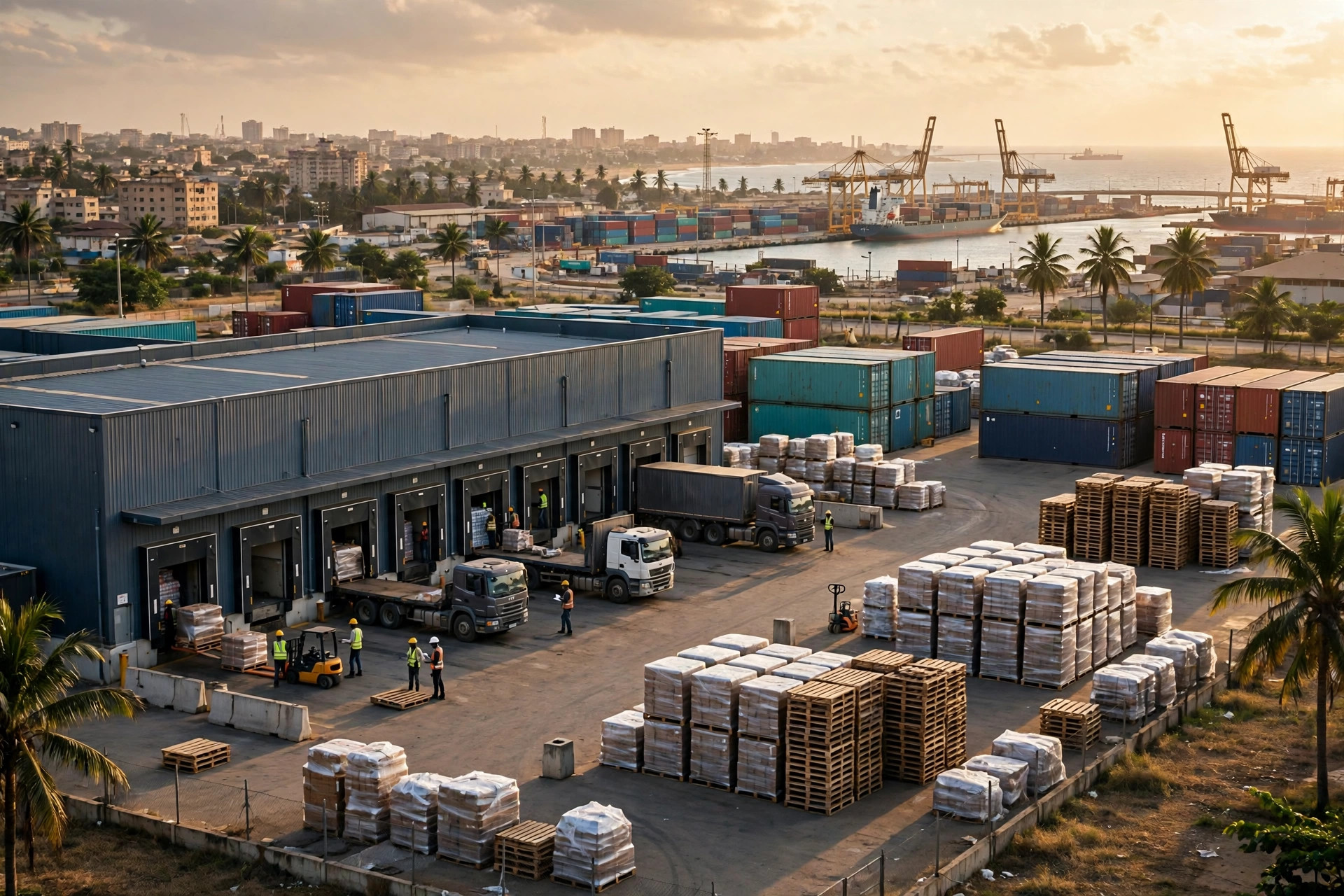
A second client took a different route. In November 2024, an exporter supplying US supermarket chains asked us a blunt question: Cartagena or Santa Marta? Their cargo was bound for the US East Coast. Santa Marta looked convenient and its terminal work seemed smooth, but that service ran only about twice a week, so missing one sailing meant waiting three or four extra days. Cartagena offered denser sailings and more reefer plug points, but in peak season trucks queued longer to enter the port and the port charges ran higher. We priced the whole picture, not just the freight quote. The time value of denser sailings beat the extra port and trucking costs at Cartagena. After switching, they went about three months without another case of fruit arriving too late for the ripening schedule.
Colombia Avocado Export Warehouse Storage, Bill One: To Pre-Cool or Not
Many people treat pre-cooling as optional, on the theory that the fruit will cool down inside the reefer anyway. With avocados, that theory is expensive. A picked avocado keeps respiring, and every degree of extra pulp temperature speeds ripening. Delay pre-cooling and you spend shelf life before the journey even starts. The usual packhouse traps are easy to name: fruit left in the sun at field edge while waiting for a truck, sorting before cooling instead of cooling first, and cartons stacked so tightly that cold air cannot reach the fruit in the middle, leaving warm cores behind cool skins.
A contract should not just say "pre-cool the fruit." It should name the pulp temperature target, the deadline after picking, who measures it, and what instrument they use. It should also say what happens when the standard is missed.
Here is the comparison I use when a client asks whether pre-cooling is worth the fee. The figures are approximate, and any carrier or customs rule should be checked against the carrier's or authority's latest published policy:
| Item | Prompt pre-cooling | Pre-cooling delayed about a day |
|---|---|---|
| Pulp temperature | Reaches target range the same day | Still uneven when the container leaves |
| Shelf-life margin at sea | Leaves a workable window for ripening and sale | Ripening window squeezed by about a day |
| Arrival loss risk | Relatively manageable | Uneven softening and markdowns far more likely |
| Upfront cost | Adds a pre-cooling and coordination fee | Saves that fee today |
| True total cost | Usually lower | Deductions, markdowns, and lost buyer trust cost more |
Clients usually stop arguing about the pre-cooling fee after seeing that table. The fee saved is small next to one deduction.
Ripening: The Clause Warehouses Hope You Skip
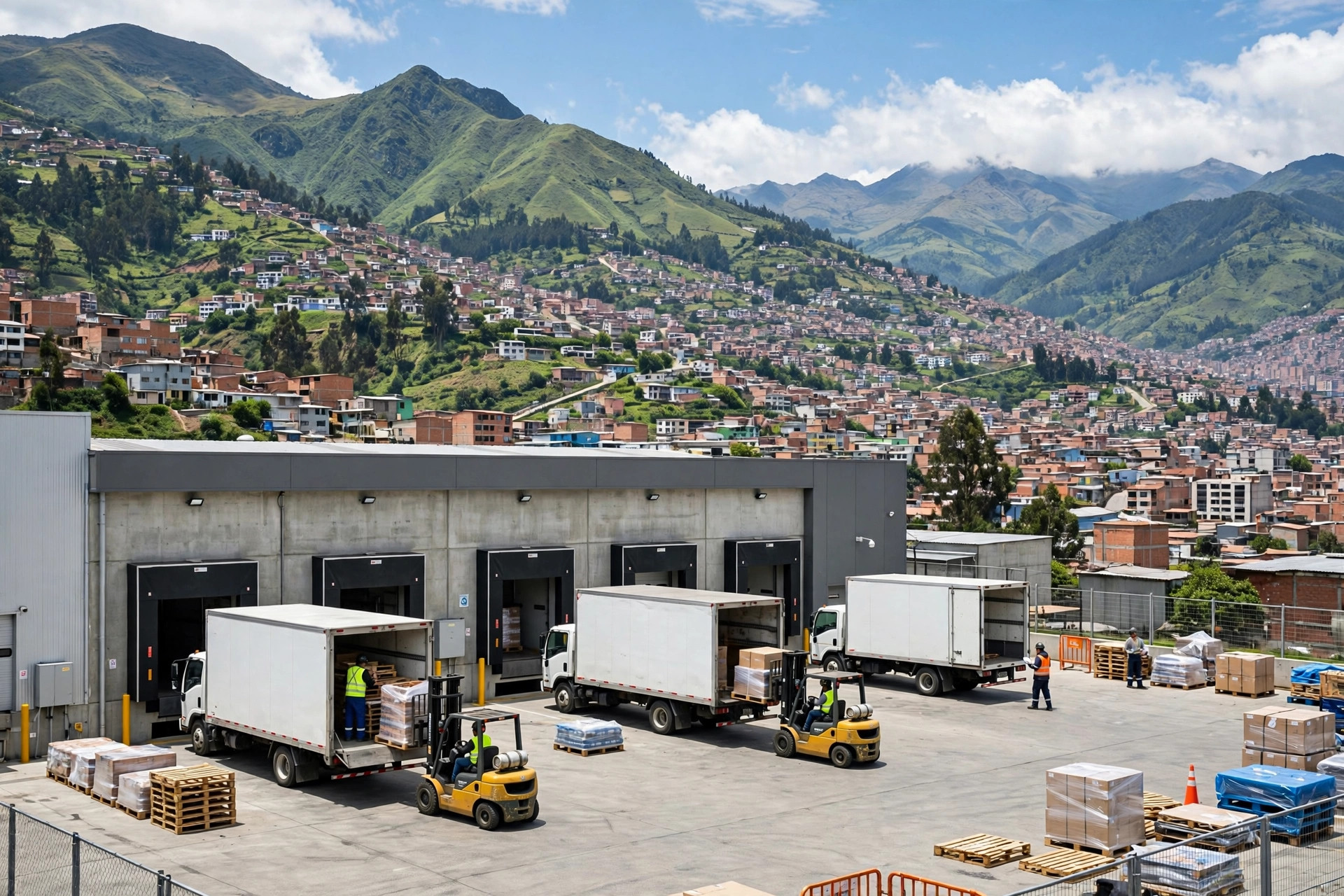
Here is the part of the chain most exporters under-negotiate. The job is not finished when the container lands in the United States. The ripening room is the last warehouse, and many exporters outsource it on a simple per-case fee with no ripening standard, no sampling method, and no rule for what counts as a failure. Then the ripening house says it followed the process, the buyer says the ripeness was wrong, and the exporter pays both sides of the argument.
When I help a client negotiate a ripening contract, I push for three attachments. First, an inbound acceptance record: firmness, temperature, and arrival time, logged case by case. Second, a rule for who sets the ripening curve and whether changes need the exporter's written sign-off. Third, a sampling and failure rule: how many cases get checked, what level of uneven ripeness counts as a failure, and who pays freight and handling on the failed portion. One more insider detail: ripening capacity around Thanksgiving and Christmas books up fast, and the fee to reserve peak-season slots is far cheaper than the premium for a last-minute slot or the cost of missing a retail promotion. A peak-season reservation clause in the contract is cheap insurance.
The counterintuitive judgment here is that colder and faster are not better. Push the temperature too low and you risk chilling injury: the skin looks fine, but the flesh tastes bitter when cut. Rush ripening and the fruit turns soft without developing flavor, so it sits on the shelf for two days and then gets marked down. The profitable rhythm is steady temperature all the way through, with a little slack left in every leg, so the fruit ripens in the buyer's hands rather than in a port queue. Clients who squeeze cold-room rent, pre-cooling time, and ripening fees hardest tend to pay the highest price later, in deductions and lost orders. That is why colombia avocado export warehouse storage has to be priced as one chain, not as separate rent lines.
Colombia Avocado Export Warehouse Storage and the Port Question: Cartagena Is Not the Only Answer
Back to ports. Cartagena is the workhorse of Colombian avocado exports, with dense sailings, many routes, and mature reefer facilities. Buenaventura, on the Pacific side, can make sense for buyers on the US West Coast, saving the detour around to the Atlantic, though you have to price the inland trucking time and mountain-road risk from Antioquia to the Pacific coast honestly. Santa Marta fits cargo whose sailing happens to line up and whose buyer can tolerate port waiting time; miss that sailing, and the waiting cost quickly eats any freight advantage.
My decision framework for clients scores four factors: sailing frequency, reefer plug security at port, inland trucking time and cost, and peak-season congestion risk. Weight them by your buyer's delivery window, not equally. A buyer who needs fixed weekly arrivals makes sailing frequency the heavyweight. A buyer on the US West Coast makes the Pacific-side option heavier.
One more detail gets missed constantly: who is responsible for reefer power while the container waits at port. If power is interrupted, the temperature log gets a gap, and that gap becomes the center of a claim dispute in the United States. The contract should state who provides power during port waiting, who supplies the temperature record, and how long an interruption counts as a breach. Many disputes are not about fruit that actually spoiled. They are about a broken record chain that leaves nobody able to prove what happened.
Next Time You Negotiate, Ask These Three Questions
First, is the pre-cooling pulp-temperature standard and deadline written into the contract, with a remedy when it is missed? Second, does the ripening contract state the acceptance standard, the sampling rate, and the failure remedy, and does it reserve peak-season capacity? Third, is port-waiting power and temperature-record ownership settled, and is there a backup plan when a sailing is missed? Ask those three questions and the other side will know you are not shopping on rent alone. The balance of the negotiation shifts, even if only a little, in your favor.
Avocado exporting is not won by whoever owns the biggest orchard. It is won by whoever runs the steadiest chain. Orchard, packhouse, port, and ripening room each take a cut if you let them, and the bill always arrives in the buyer's deduction note. Price the chain up front, write the terms up front, and your fruit will arrive in the United States ready to sell rather than ready to argue about.
By Susan, 3PL Sales Director