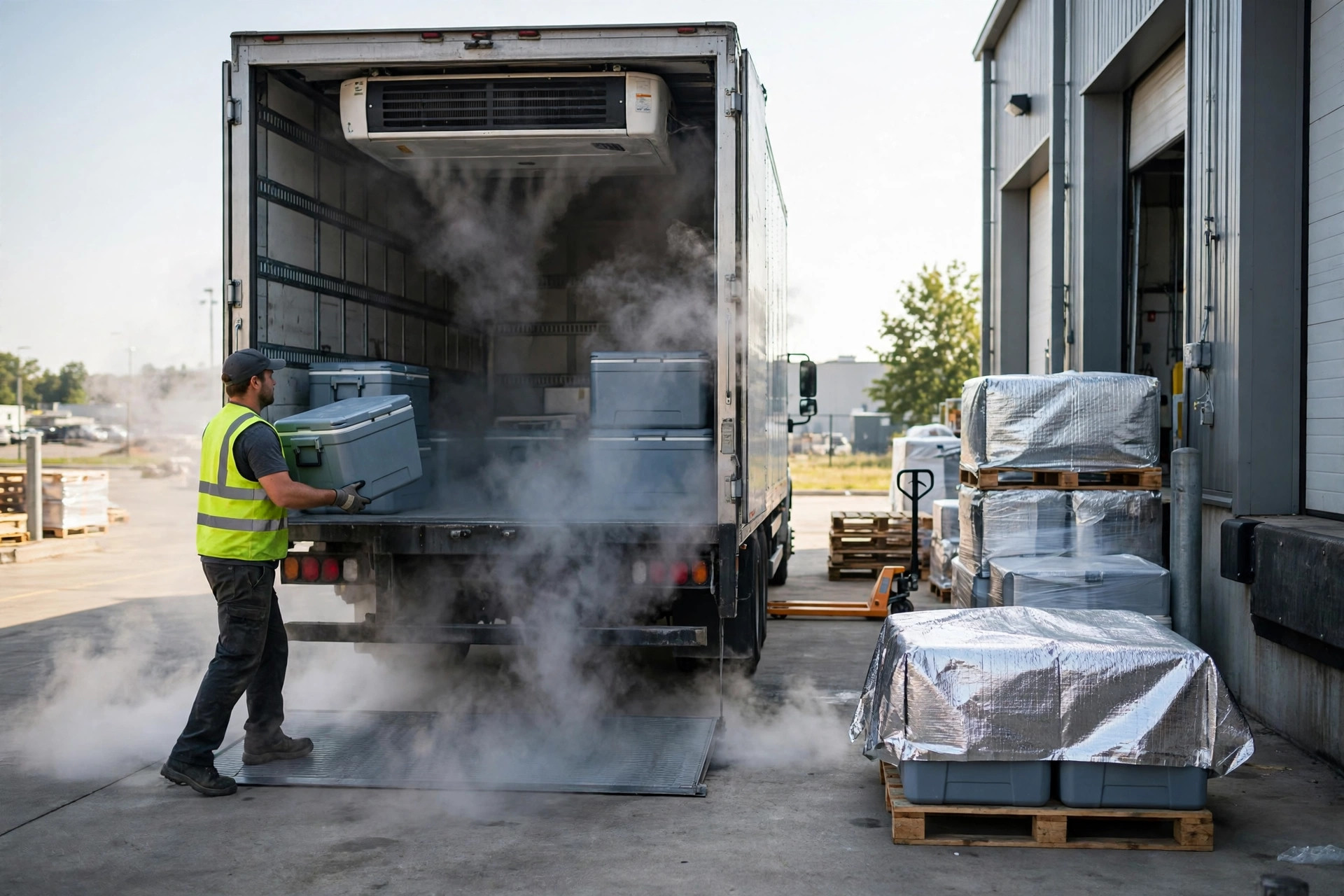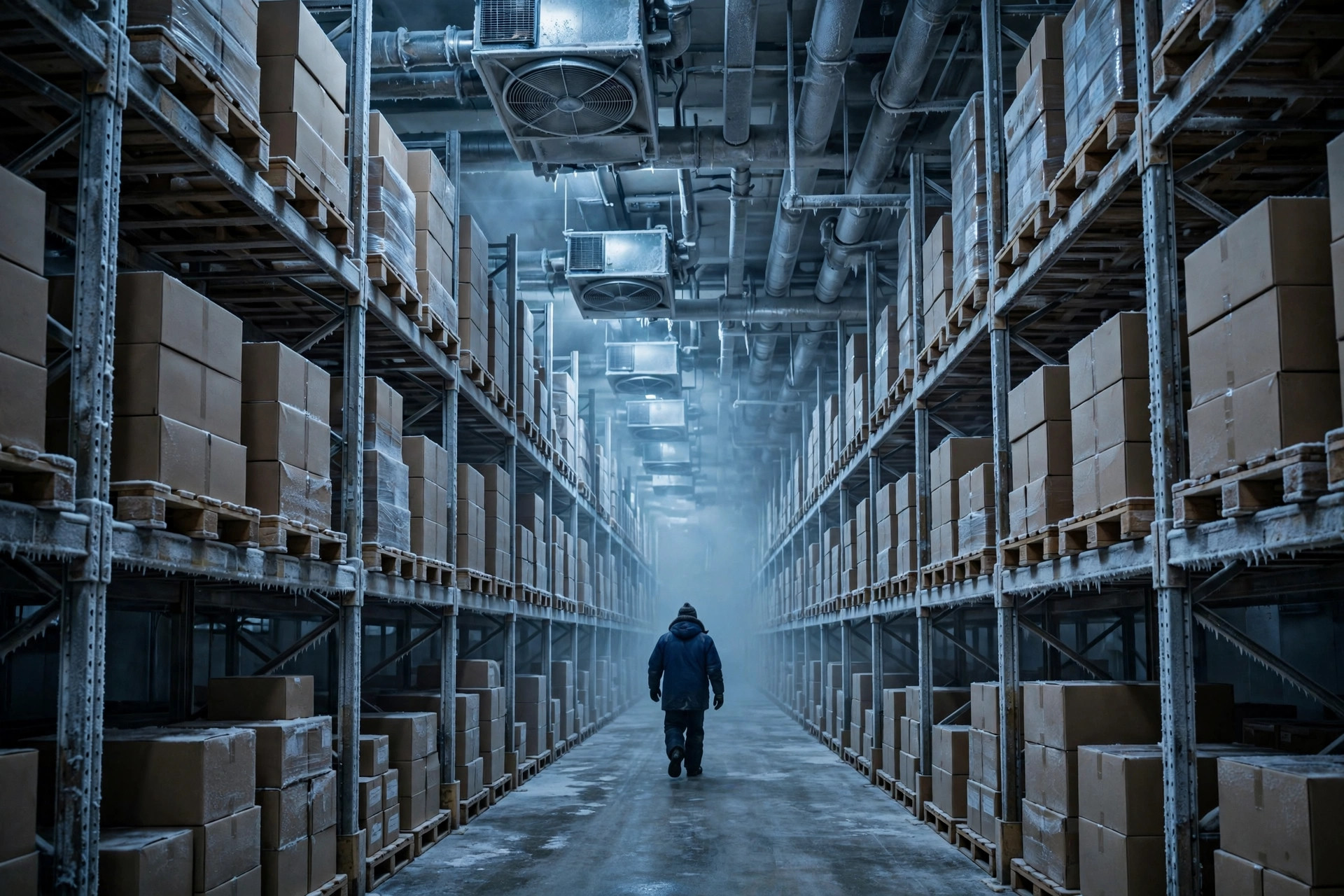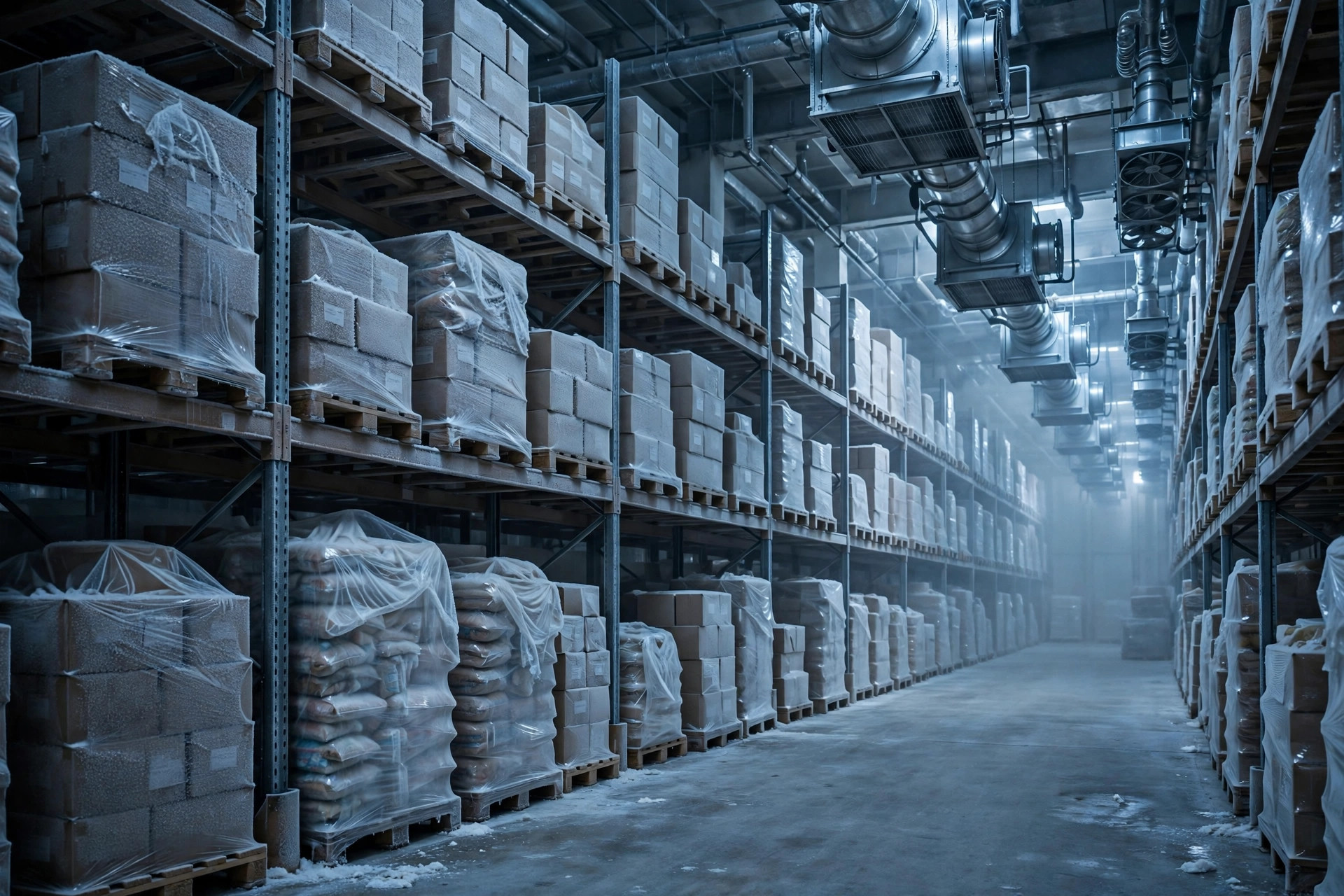
Let me tell you something. Fifteen years behind the wheel, I've been in and out of cold storage warehouses more times than I can count. When a regular warehouse loses power, it's no big deal — lights out, conveyors stop, everybody sits around and waits. But a cold storage power outage that lasts four hours? That's money melting away, pallet by pallet. Back in the summer of 2019, I watched it happen right in front of me at a cold store outside Ontario, California, and I still think about it every time the lights flicker.
I was delivering a load of blueberries, around one in the afternoon — dock doors open, forklifts running, everything normal. Then a dull thunk: the whole building went dark, fans stopped. The guard leaned out and yelled, "Grid's down, utility says they'll have it back soon." Nobody panicked. Summer blackouts in California — happens all the time.
Hour One of the Cold Storage Power Outage: Nobody Worries
The first hour, the warehouse still felt plenty cold. The warehouse manager — I'll call him Chen — was an old hand. Three orders, right away: seal every door, nobody opens anything; hold all inbound trucks outside, dock doors shut; watch the temperature loggers, report every half hour. Room temp read minus 18°C. The product probes in the middle of the pallets were holding steady.
Trouble started in hour two. The cargo owner sent two guys over, demanding to go inside and "check the product." Chen tried to stop them. It's their freight — they turned the key and walked in. Hot air rushed in like a wave, and the blueberry cases near the door stopped feeling ice-cold. That set the pattern: drivers, brokers, insurance people — seven or eight groups that afternoon, every one opening the door for a look. That door opened more than twenty times.
By hour three, the loggers were alarming. Room temp had climbed from minus 18 to minus 9; the product probes were creeping up too. The utility said at least two more hours. Somebody suggested renting a mobile generator — nearest outfit 40 miles away, three hours minimum for delivery and hookup. Too little, too late.
Hour four, power came back. But the product was gone: dozens of pallets of blueberries near the door had thawed and soaked their cartons; a batch of ice cream inside had melted and refrozen — texture ruined, customer rejected the lot. Nearly a third of the inventory was written off. The shipper and the 3PL fought over the claim for half a year. Word among us drivers: what they lost on that one job would've bought two generators.
What It Teaches: Four Variables Decide When Temperature Breaks
I talked it over later with a few veteran cold-store managers, and they all landed on the same conclusion: how long your product survives an outage isn't luck — it's four variables.
First, your setpoint. A freezer at minus 18°C holds out longer than a cooler at 0 to 4°C — lower start, longer climb to the danger zone. But frozen product is less forgiving: ice cream that melts and refreezes is ruined, full stop, and thawed-then-refrozen meat loses quality too. A lower setpoint buys time, but the stakes per degree are higher.
Second, thermal mass — how "solid" your freight is. A warehouse packed with frozen beef and a half-empty room of blueberries are two different animals. Dense frozen meat is like a giant ice cube; it thaws slow. Berries are small, watery, packed with air gaps — they warm up fast. A full warehouse helps itself: tight pallets keep each other cold, while scattered pallets let hot air circulate everywhere. Same four-hour outage — one warehouse walks away fine, another loses everything. This is why.
Third — door openings. The big one, and the one nobody expects. Here's the uncomfortable truth: in a power outage, it's not the cooling that fails first — it's the doors. When refrigeration stops, the cold air inside can hang on a while. But the moment people panic and start opening doors to "check the product," every opening dumps hot air inside. Chen told me later: keep that door sealed and they'd probably have ridden out the four hours with minimal loss. Once the power dies, guarding the doors matters more than anything else.
Fourth, ambient temperature. A blackout on a 40-degree summer day and one on a cool winter day are completely different events. Inland California in summer, the dock apron hits 38, 39 degrees — open that door and you're slamming a 50-degree difference straight into a minus-18 room. In winter, mild outside air buys you far more time. Your summer and winter emergency plans shouldn't be the same document.
As for the exact number — "how many hours until product breaks" — I'll be straight: it depends on your product mix, stacking density, and room volume. No universal answer; go by what your refrigeration contractor calculates for your building. Have your equipment vendor model a temperature curve for your warehouse and write that critical window into your emergency plan. Money well spent.
The Backup Power Math
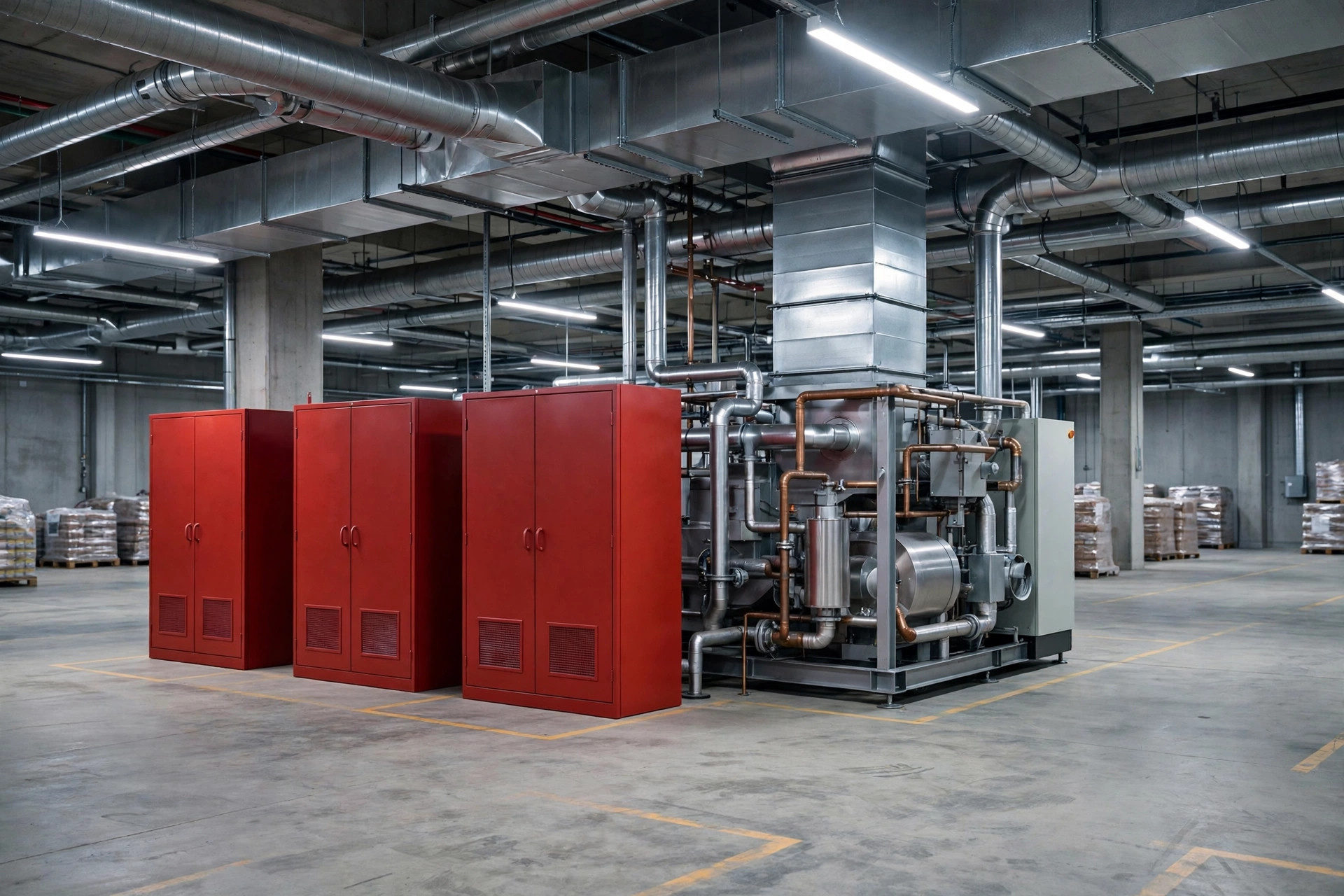
After that summer, a cold-store owner I know bit the bullet and installed a standby generator. Here's the math he walked me through.
How do you size the generator? Remember this: don't size for the running load — size for the starting load. When a compressor kicks on, inrush current is several times the normal draw. Buy a generator matched to running watts, and the moment power transfers and compressors try to start, it trips on overload — an expensive paperweight. The right way: add up every refrigeration unit, fan, light, and control panel, pay special attention to compressor starting current, then add twenty to thirty percent headroom. Have an electrician do it off your actual equipment list.
How much diesel do you keep? A generator without fuel is furniture. Simple math: full-load burn per hour, times the hours you want to ride out. The classic trap: they buy the generator, then let the tank sit near empty — real outage hits, it runs two hours and dies. Diesel goes stale; rotate it yearly or use stabilizer, and fire the generator up under load on a schedule.
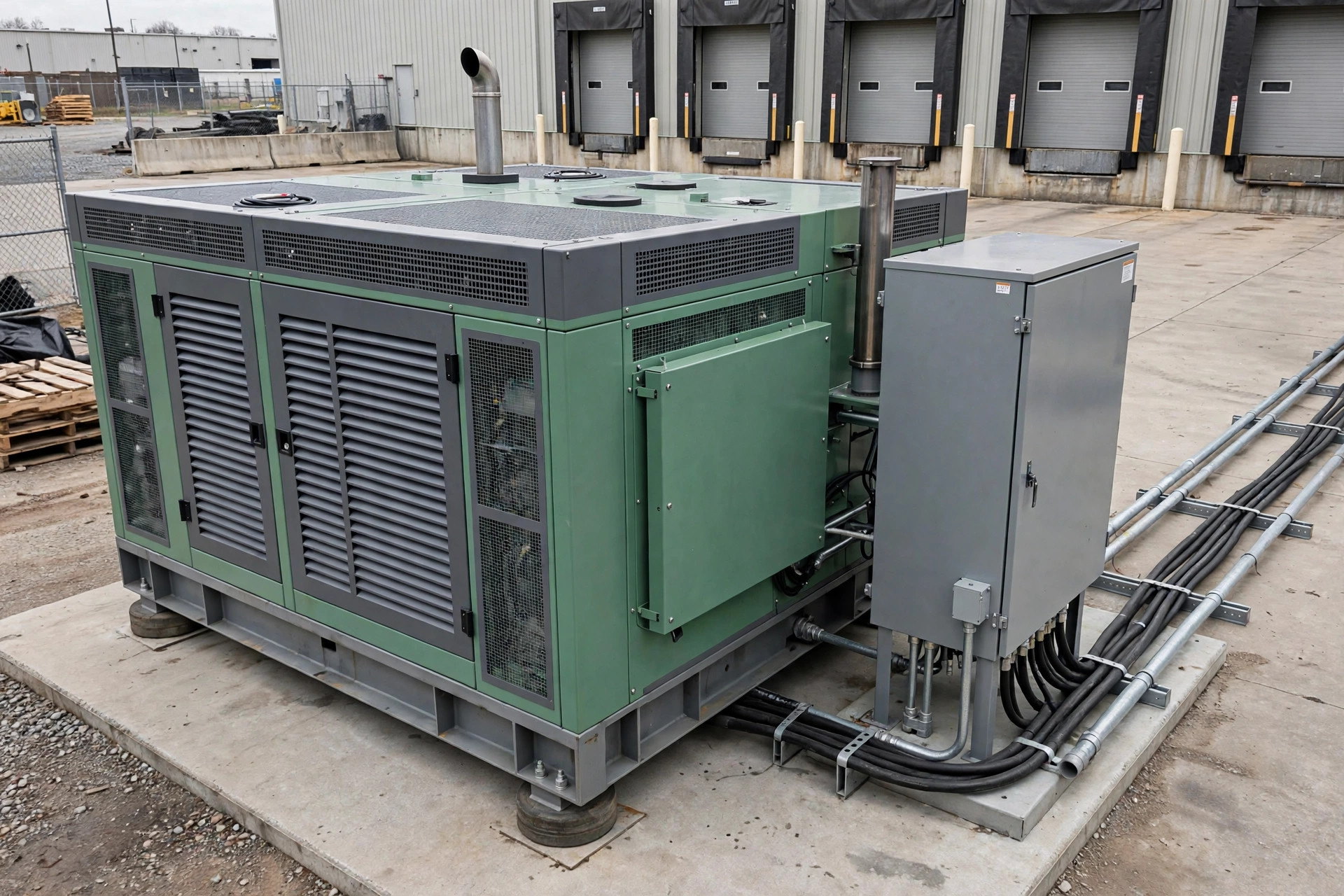
The automatic transfer switch — don't skip it. An ATS flips your load to the generator automatically when utility power drops. Without one, somebody throws the switch by hand — and if the outage hits at 2 a.m. with nobody on shift, that generator might as well not exist. With an ATS, the generator starts and takes the load within seconds, nobody required.
The other side of the ledger: what does not having backup cost? A diesel generator plus ATS for a mid-size cold store, installed, is real money. But frozen product runs thousands of dollars a pallet; a few thousand pallet positions means millions in inventory. Lose a third in one outage, and insurance covers some of it — not the deductible, not the months of claims fighting, not the orders you couldn't fill. And some shippers never come back. In cold storage, you don't just lose product — you lose trust.
Advice for Operators and Shippers
For warehouse operators: First, get your own outage temperature curve modeled and put the critical window in writing — no more guessing. Second, rule number one of every outage plan is seal the doors — one person guards them, nobody opens for a look, shipper included (write it into the contract). Third, generator, ATS, and diesel — all three, no exceptions. Fourth, before every summer, test the thing under real load.
For shippers: First, when choosing a cold store, ask three questions: "Do you have a standby generator? Is the transfer switch automatic? How many hours of diesel do you keep?" Those answers tell you everything. Second, for sensitive product — ice cream, berries, anything that can't survive a thaw — put outage terms in the contract: how fast cooling must be restored, and what happens if it isn't. Third, when the power's out, don't send people to open the door and look at your freight — every opening makes it worse. Let the warehouse run its plan; a temperature log beats a warm look inside.
Fifteen years on the road taught me this: in cold storage, you compete on price in normal times and survive on your emergency plan when things go wrong. An outage isn't scary. An unprepared-for outage is. A generator won't get used every day — but the one day you need it, it pays for itself many times over.
Old saying: fix the roof while the sun is shining. Spend the money hoping you never use it — because the alternative is needing it and not having it.
By Shifu Zhao, Trucking Veteran (15 yrs)