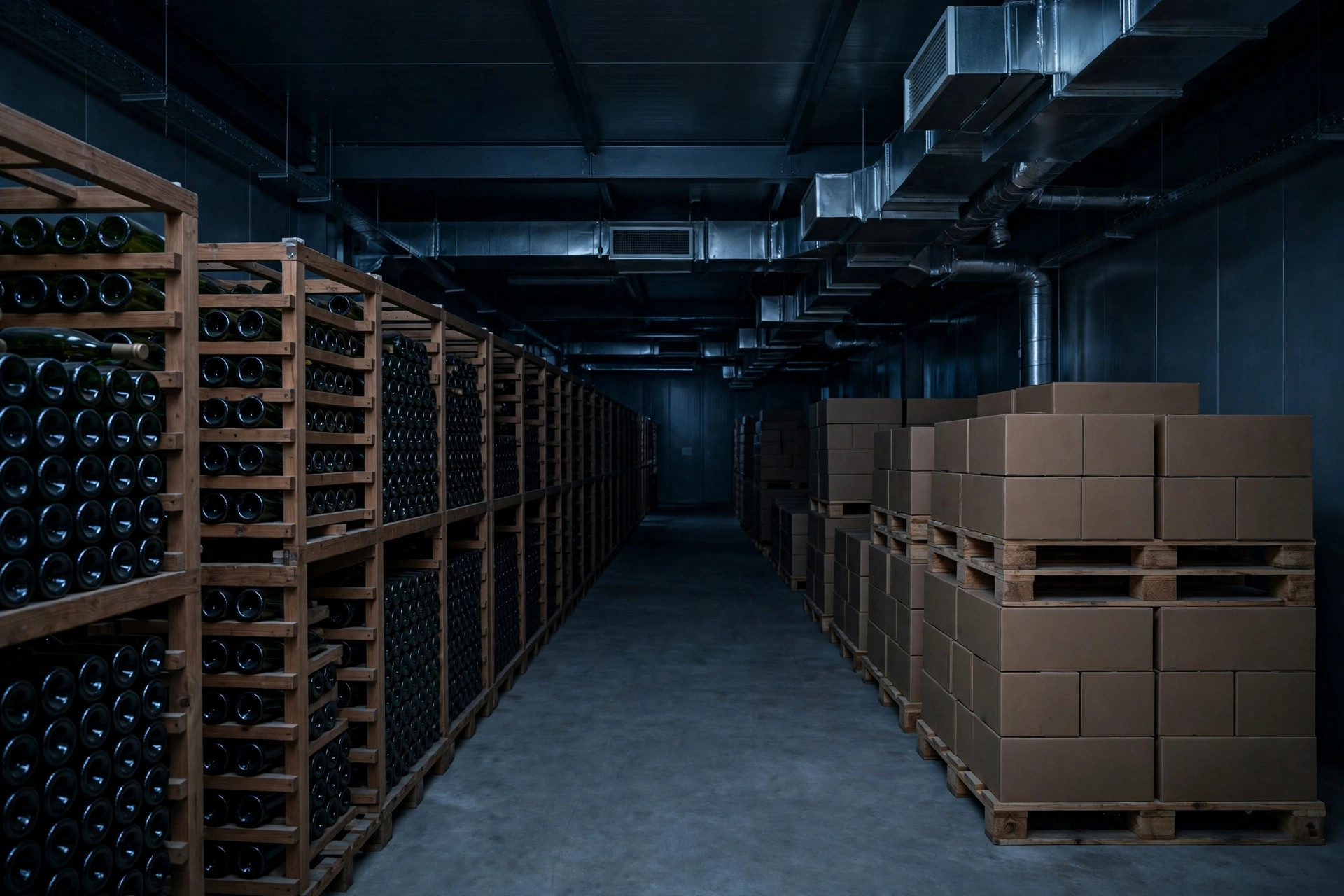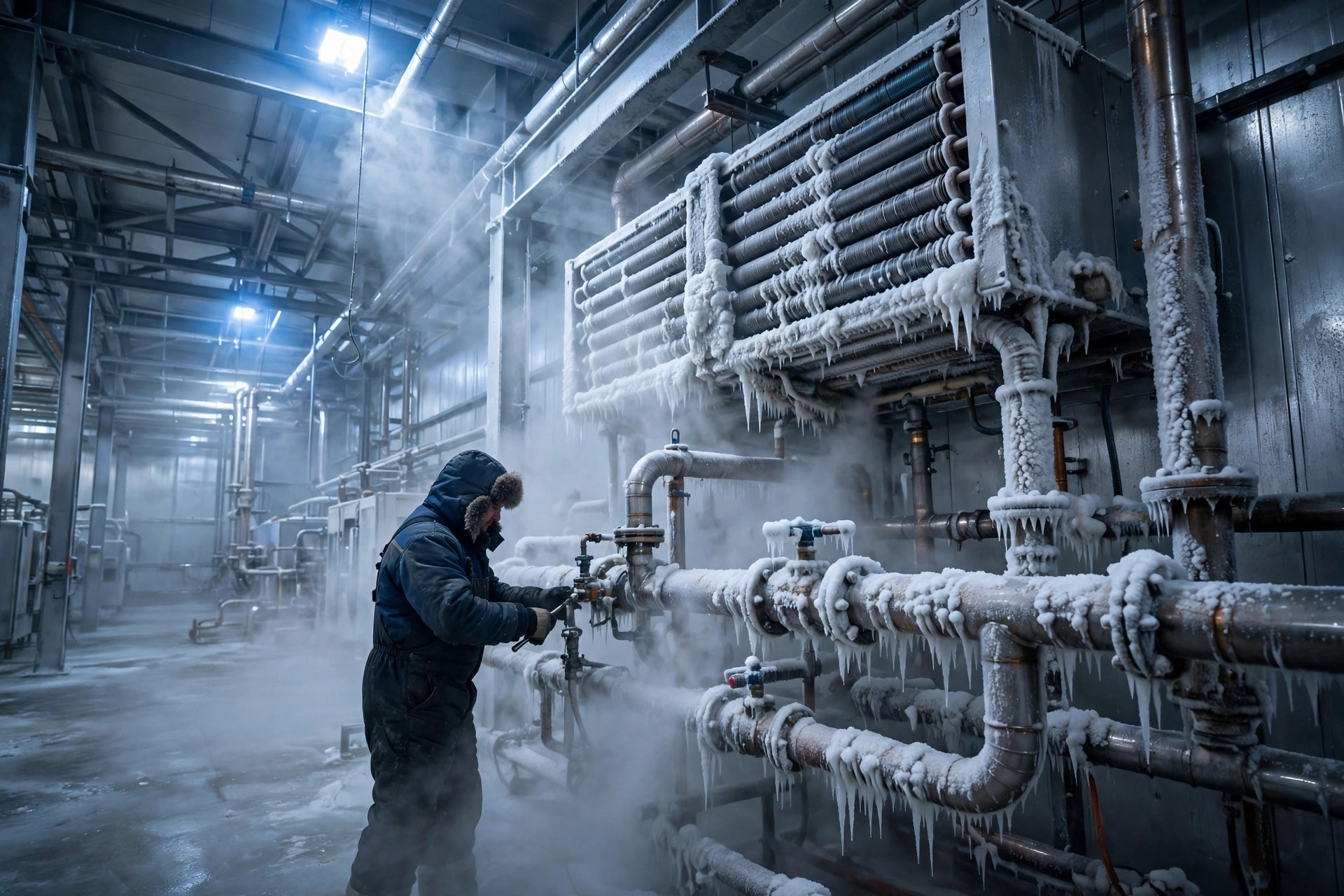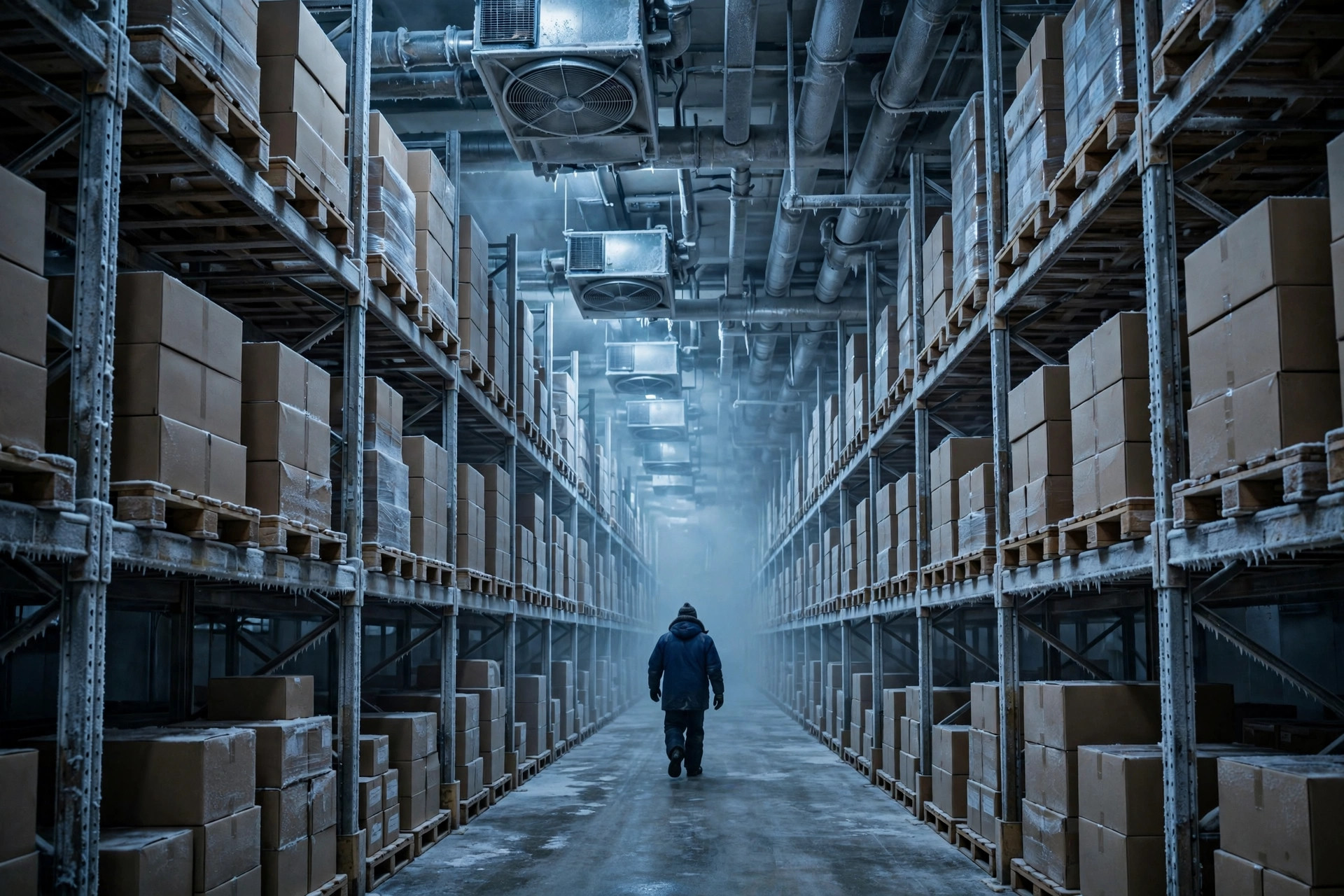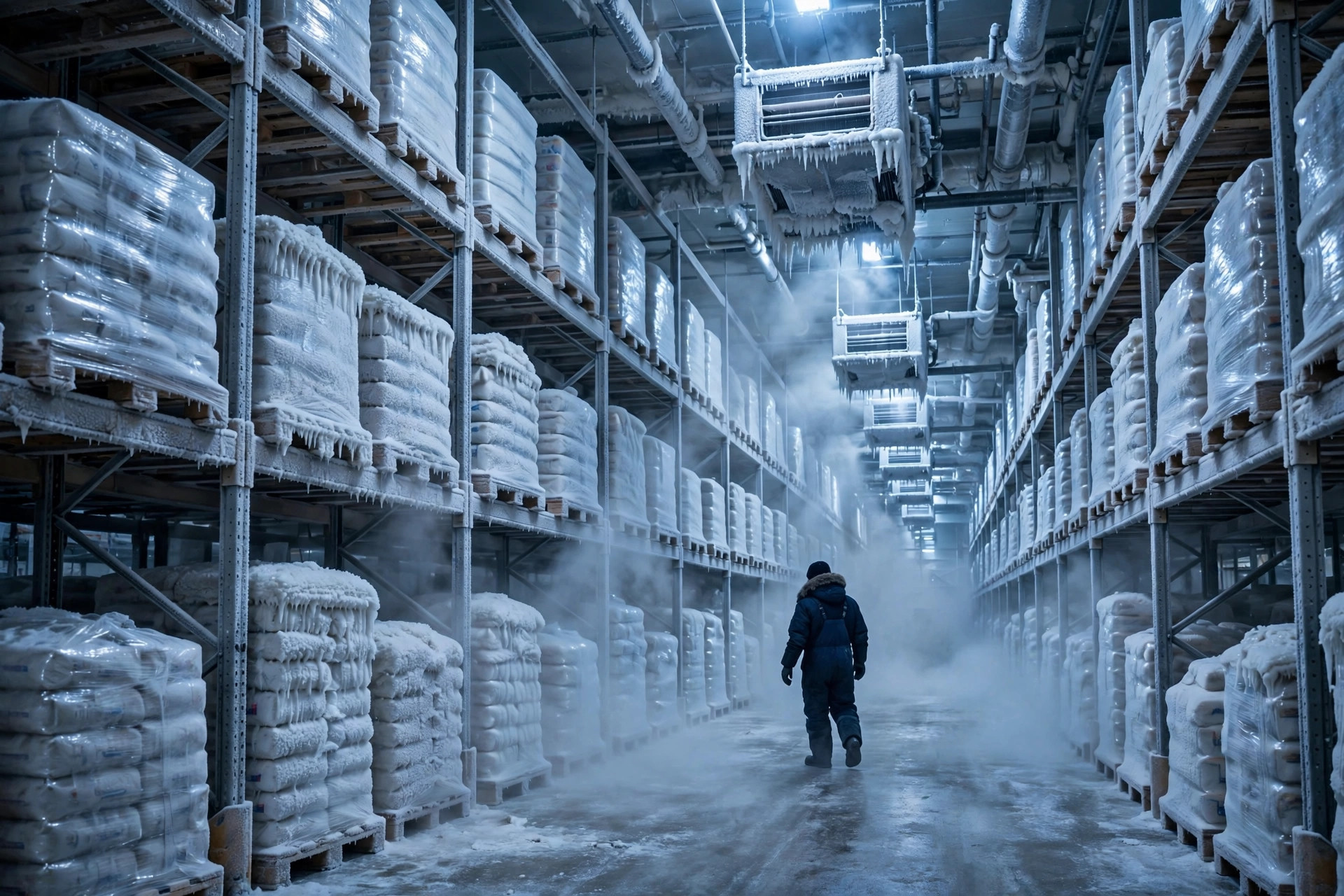
Start with a bill. In September 2025, a cold-chain 3PL client sent me their year-end statement: a 120,000 sq ft freezer warehouse in Southern California, held at -20°C year-round, with an annual electricity bill of $920,000 — 29% of the facility's total operating cost. I checked the decimal point three times. Electricity, a single line item, cost more than the entire warehouse payroll. This was not an outlier. I have since reviewed the books of three more cold storage facilities, and the energy share landed between 25% and 32% each time. So when people say "energy is a third of cold storage operating cost," I treat it as measured data from a handful of real facilities — it moves with building age, setpoint temperature, and local utility rates — but the direction is unambiguous: in a freezer warehouse, there is only one electricity hog, and it is refrigeration.
Where the Money Goes: Energy Broken Down by Equipment
Most cold storage owners know their power bill is painful, but they cannot tell you which machine is causing the pain. I had the Southern California facility install sub-metering for three months. The breakdown, from their metered data (your ratios will shift with your temperature setpoint), looked like this:
| Load | Share of refrigeration power | Notes |
|---|---|---|
| Compressors | 60–70% | The overwhelming majority; colder setpoints push it higher |
| Evaporator fans | 10–15% | Run 24/7; it adds up |
| Condenser fans/pumps | 8–12% | The heat-rejection end; fouling kills efficiency |
| Lighting | 5–8% | Plenty of older buildings still run metal halide |
| Defrost heating | 3–5% | Hot-gas defrost beats electric defrost |
| Door-opening heat load (implied) | Hidden line item | One open door keeps the compressor working overtime |
One line of equipment — the compressors — eats more than sixty percent. That gives you the iron rule of cold storage energy retrofits: attack the compressors and the doors first, everything else later.
One more line item worth calling out: evaporator fans. They run around the clock, and in many older buildings they are fixed-speed — still spinning at full tilt after the setpoint is reached, which is pure waste. Adding VFDs or timer controls to the fans is cheap and the savings show up immediately. It is money lying on the floor. That gives you the iron rule of cold storage energy retrofits: attack the compressors and the doors first, everything else later. I have watched operators start by relamping the whole building with LEDs, saving a few thousand dollars a year, while the compressor side leaked that much every month. That money was wasted.
A second case: a 12-year-old freezer in South China running at -18°C, where 2024 electricity came to 31% of operating cost. Sub-metering showed the dock doors cycling more than 200 times a day with no air curtains and no high-speed doors. Every opening dumped cold air; the compressors barely idled. At that site, the "hidden" door load worked out to roughly a fifth of refrigeration energy. They later spent a little over $40,000 on high-speed doors and air curtains; by the facility's own estimate, door heat load fell by more than half, saving roughly $20,000+ a year in electricity — a two-year payback, the fastest item on the whole list.
The Second Trap Hiding in the Utility Bill: Demand Charges
Looking at the per-kWh rate is not enough. Many US commercial tariffs have two parts: energy charges (how much you used) plus demand charges, billed on your peak 15-minute load. In a freezer plant, the inrush when a big compressor starts can set your demand peak for the entire month.
I reviewed a Texas cold storage utility bill: $41,000 in energy charges and $17,000 in demand charges — nearly 30% of the total. Their six fixed-speed compressors all started together at the morning shift change, pegging the demand meter. Staggering the starts cut the demand charge by 40%, without spending a dollar on equipment.
So do not just look at the bill total. Check what share is demand charges. If it is over 25%, fix starting inrush and coincident load before anything else. Many cold storage owners do not even know they are paying it — it is printed right there on the bill, and nobody reads it. That is money wasted, genuinely wasted.
Four Levers: Cost, Savings, Payback
This is the decision template I build for clients. The numbers are order-of-magnitude estimates at typical US commercial rates and standard equipment pricing — every project must be re-run with your own tariff and quotes:
| Retrofit | Typical investment (120k sq ft freezer scale) | Annual savings scale | Payback |
|---|---|---|---|
| VFD / high-efficiency compressors | $150k–$250k | 15–25% of refrigeration energy | 2–4 years |
| High-speed doors + air curtains | $30k–$60k | Cuts door heat load by more than half | 1–2 years |
| Metal halide to LED + occupancy sensors | $20k–$40k | 60–70% of lighting energy | 1–2 years |
| Deep condenser cleaning + maintenance | A few thousand dollars | Restores 5–10% refrigeration efficiency | Months |
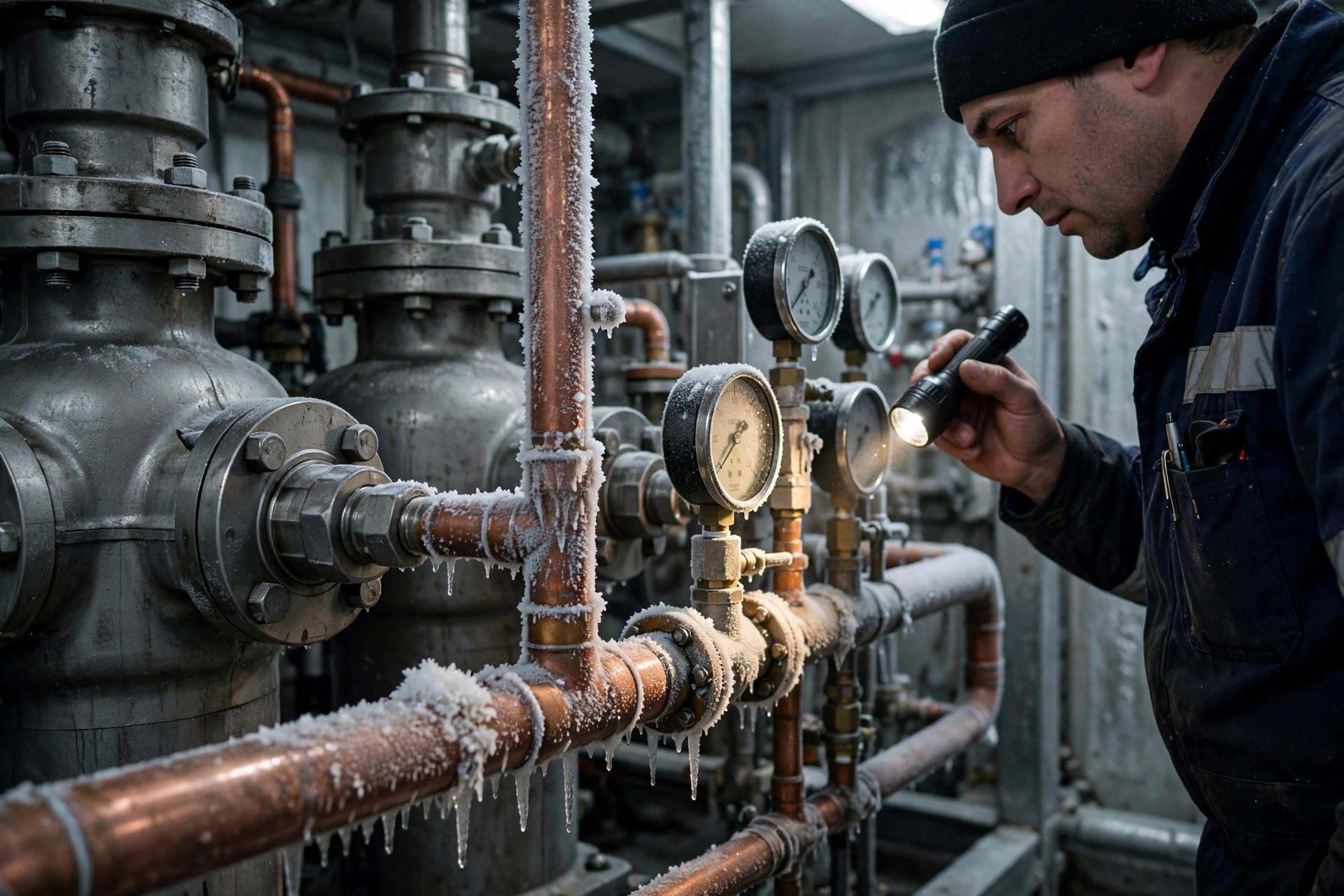
The sequencing logic is simple: shortest payback first. Condenser cleaning is the most underrated item on the list. Fouled coils raise condensing temperature, and every 1°C of lift costs roughly 3% more compressor power — textbook refrigeration. I have walked plants whose condensers had not been properly cleaned in three years. A few thousand dollars of maintenance buys back real efficiency.
Temperature setpoint is another lever, but handle it carefully. Moving a freezer from -20°C to -18°C saves real energy in theory — but your customer contracts specify -20°C, and changing the setpoint is a breach. My advice: check the contracted temperature band before touching anything. Anyone who tells you "raise it two degrees and save 10%" without reading the contracts first is setting you up for a claim.
A Counterintuitive Call: VFDs Are Not Always Worth It
Conventional wisdom says variable-frequency drives on compressors are the standard answer. Here is the cold water: a VFD saves energy in part-load operation. If your freezer runs near full load year-round, with compressors at 90%+ speed most of the time, the savings window is narrow and payback can stretch past five years. Flip it around: a facility with sharp seasonality — say, an ice cream warehouse packed in summer and half-empty in winter — can save a very meaningful amount with VFDs.
So the decision framework is one sentence: look at the load curve before talking about equipment. Pull 12 months of compressor run hours and load factors. If the plant spends more than 40% of its time below 70% load, VFDs are worth discussing. Starting a retrofit without that data is spending money blindfolded.
The Bottom Line, In Numbers
Do not let anyone sell you on "it feels like it will save." Pull your last 12 months of utility bills and compute three numbers:
- Electricity ÷ total operating cost — confirm how big the hog really is.
- Electricity ÷ tons of refrigeration (or ÷ square feet) — benchmark against peers; 20%+ above the pack means you have leaks.
- Do the sub-two-year-payback items from the table first, then talk about big capital.
- Look separately at demand charges as a share of the total bill. Over 25% means fixing starting inrush first — it may be the most unjustified line on the whole invoice.
An energy retrofit is not a technology problem. It is an arithmetic problem. When the math is clear, spend the money; when it is not, the savings will not cover the tuition.
By Lao Zhou, Logistics Cost Analyst