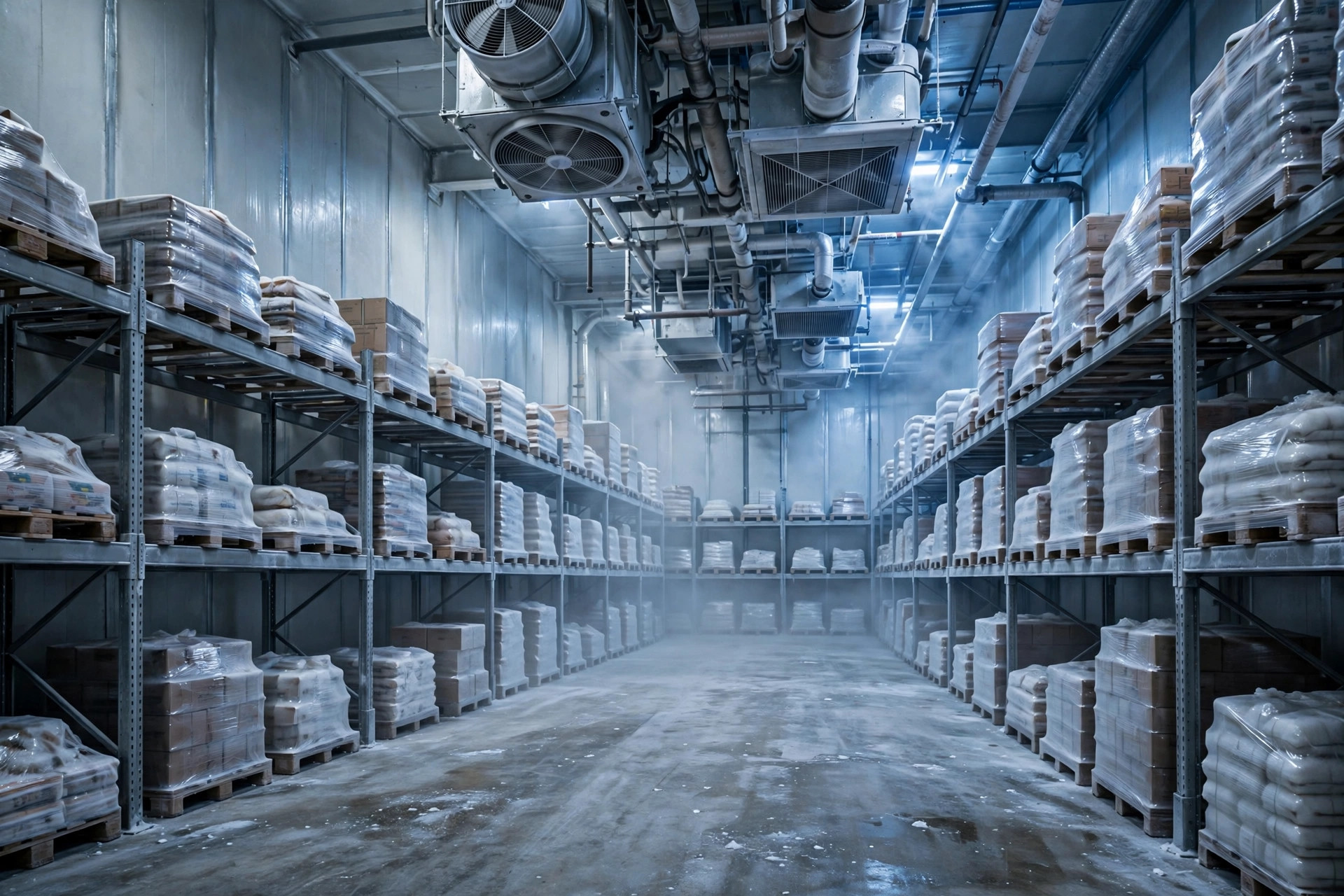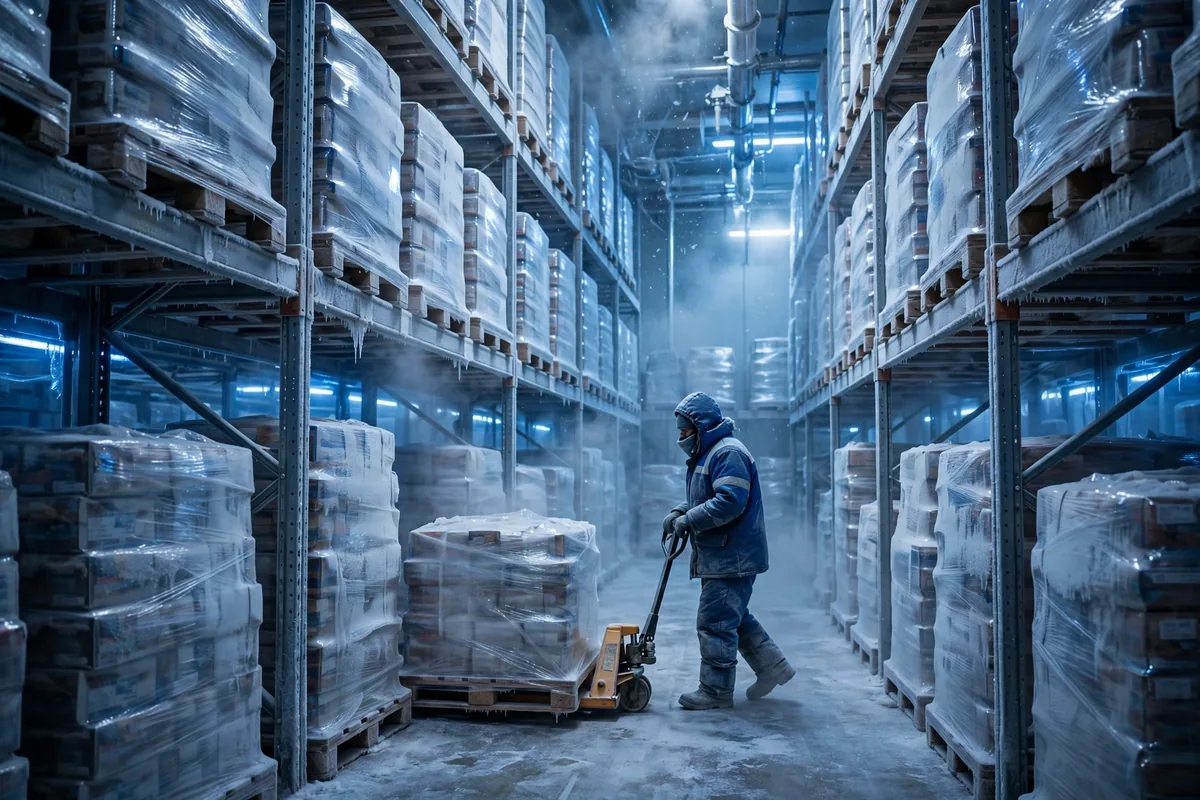
Let me start with the cold storage electricity cost bill. Take a mid-size cold store, about two thousand pallet positions, held year-round at minus eighteen degrees. In a typical monthly power bill, the refrigeration system takes more than sixty percent, and the rest goes to lighting, forklift charging, offices, and auxiliary equipment. When most people see a high bill, their first instinct is to buy a more efficient compressor. Whether that money is well spent depends on the structure of the bill. The compressor is only part of refrigeration consumption. Leaking dock doors, aging panels, frost buildup, and the heat load from frequent goods movement often cost more than the efficiency gap between two compressors.
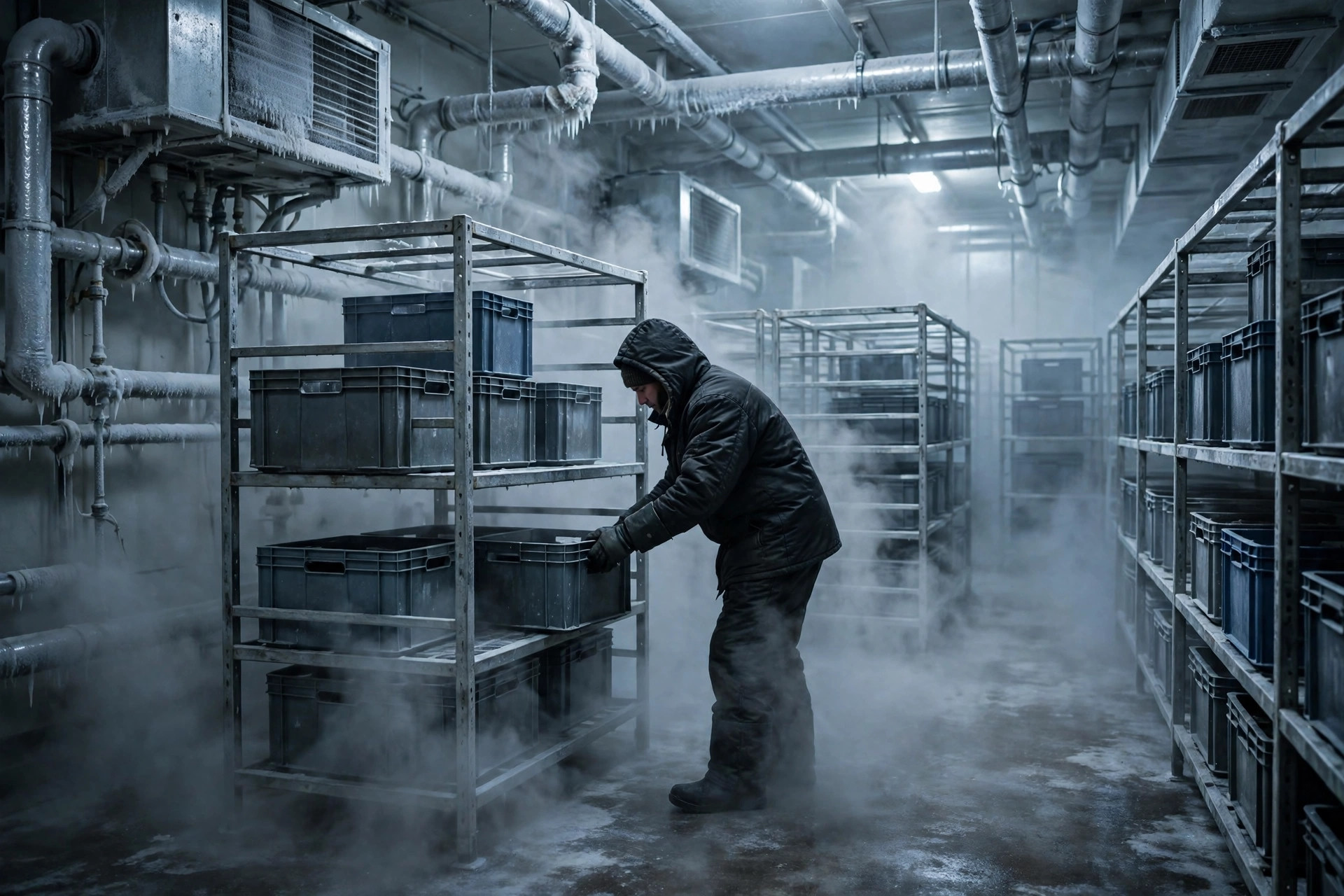
I worked with a frozen-food wholesaler whose power bill had risen for three straight months. The owner assumed the tariff had gone up. On site, the tariff had not moved. The problem was the dock door: worn seals had cracked open, forklifts passed through constantly, and cold air poured out in visible streams. The refrigeration plant barely stopped running. Replacing the seals cost very little, and running hours fell in the same month. That is the first rule of cold storage electricity cost: stop the leaks before you upgrade the equipment. Buying a better compressor while cold air escapes is like pouring water into a cracked bucket.
Breaking Down the Cold Storage Electricity Bill: Where the Power Actually Goes
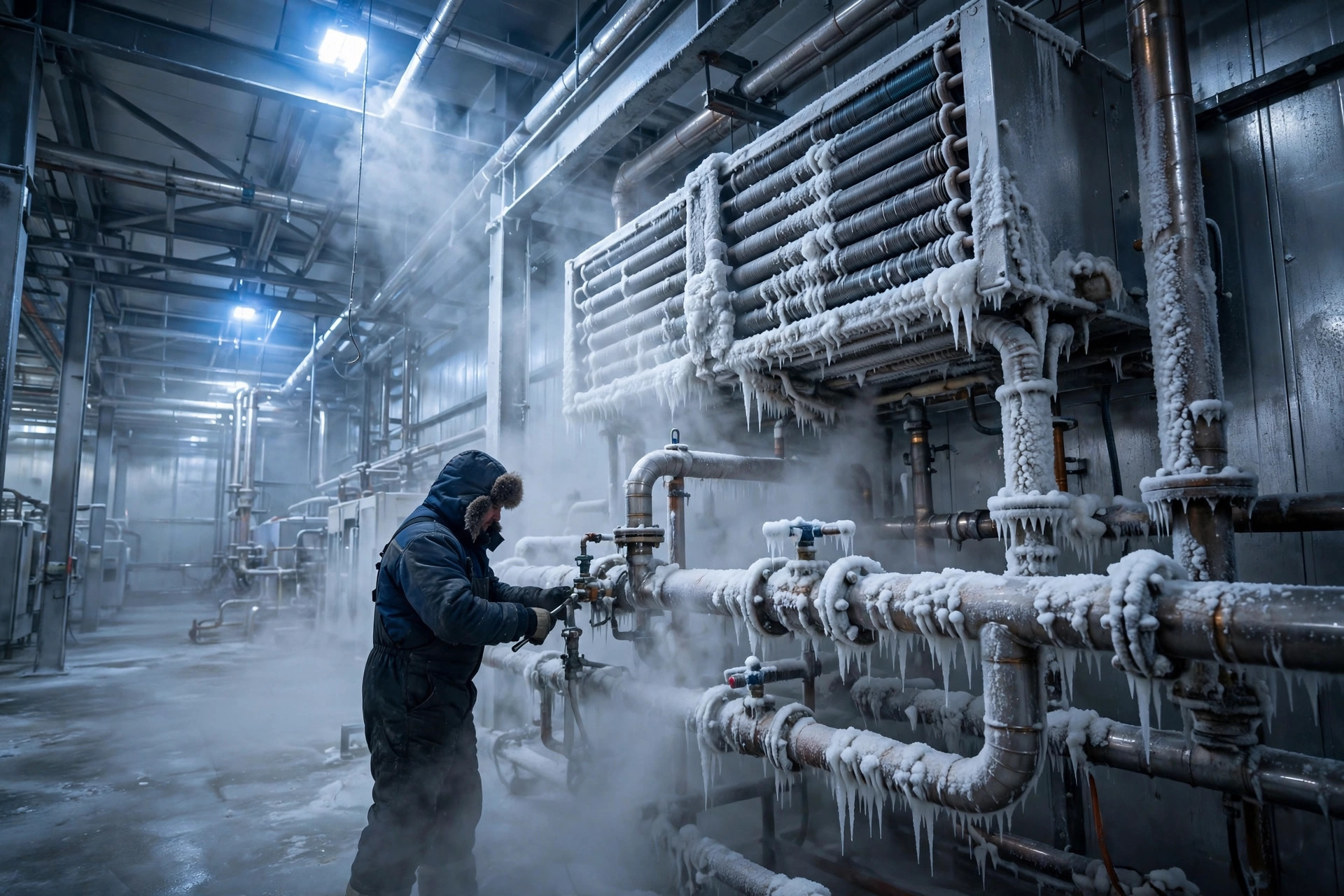
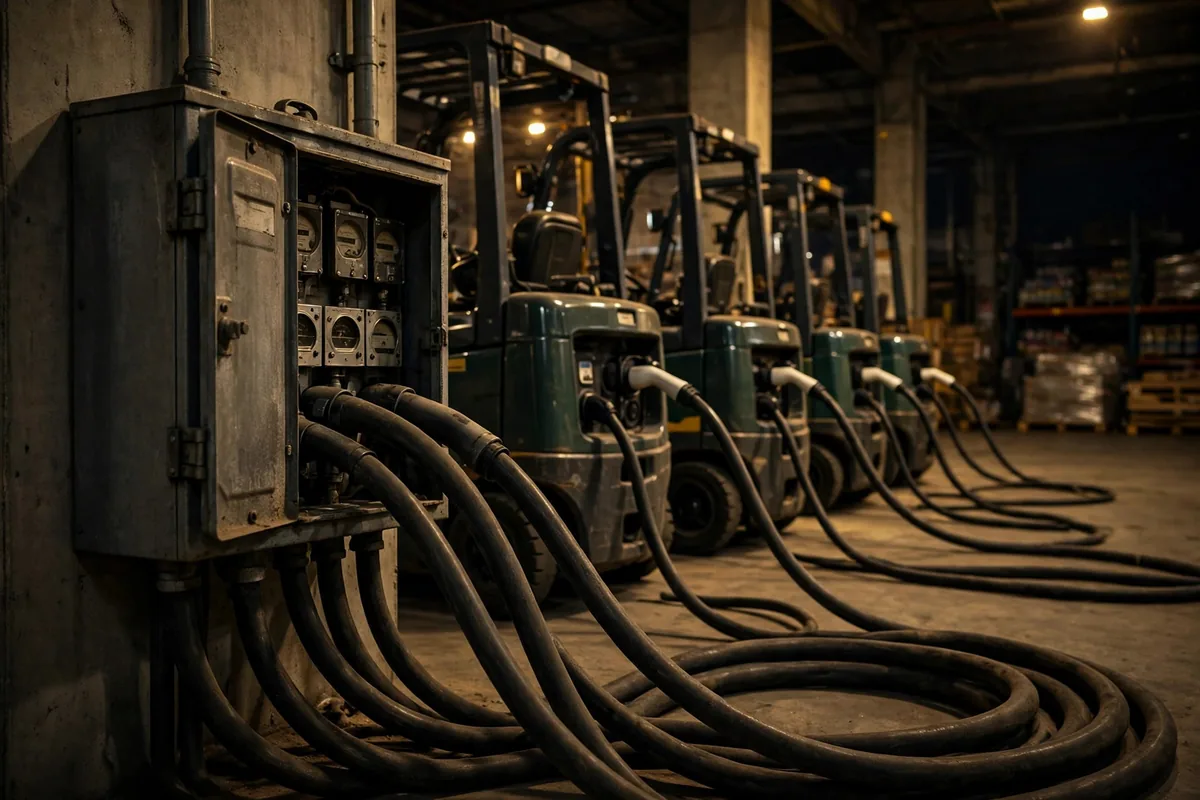
A cold storage power bill splits into four parts, and the fix depends on knowing which part is biggest. The refrigeration plant is the largest: compressors, condensers, and evaporator fans. Second is heat load, the heat that goods, people, forklifts, lighting, and outside air bring into the store, which the plant then has to remove. Third is defrost and standby loss: the thicker the frost layer, the worse the heat exchange, and the harder the plant works. Fourth is auxiliary equipment and lighting, including dock gear, charging, and warehouse lights.
| Where power goes | Typical weight | Saving lever | How fast it pays |
|---|---|---|---|
| Refrigeration plant | Largest share | Right-sized selection, variable speed control, condensing temperature management | Tuning is fast, replacement is slow |
| Heat infiltration | Second | Door seals, air curtains, shorter door-open time | Fast, within days |
| Defrost and standby | Material | Demand-based defrost, frost monitoring, night mode | Medium |
| Auxiliary and lighting | Smaller | LED lighting, off-peak forklift charging, sensor lighting | Fast |
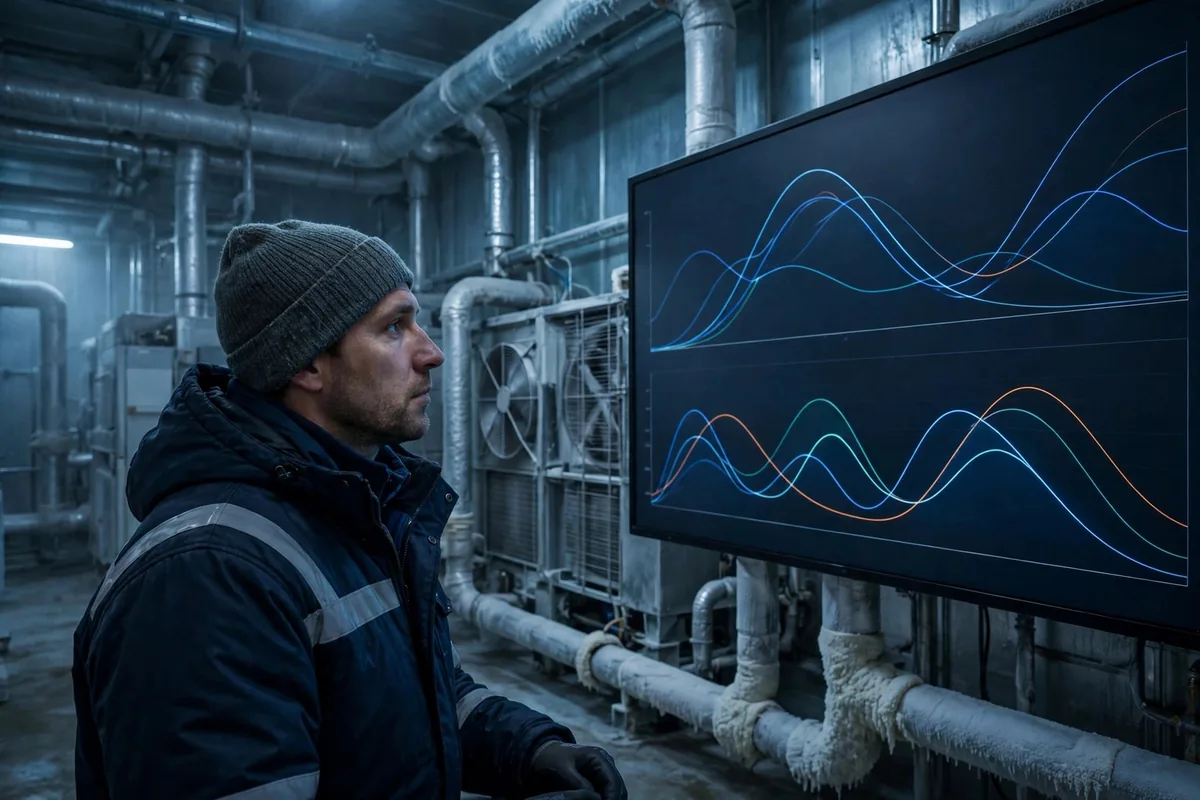
The order in this table matters. Many cold stores pour their entire saving budget into the plant while ignoring leaking doors and door discipline, which is like fixing the biggest tap while leaving puddles everywhere else. My working method is simple: record one week of operation, then compare daily plant running hours against door-opening counts. Where the correlation is strong, fix management before machinery.
A second case makes the same point from a different angle. A fresh-food distribution cold store had high power costs not because its equipment was old, but because its receiving rhythm was chaotic: a dozen trucks arrived every afternoon, doors stood open for two hours of unloading, and the store temperature took most of the night to recover. Switching to scheduled, staggered arrivals with a time limit per truck cut temperature swings and shortened night running hours. No equipment changed, and the bill fell first. That supports a counterintuitive judgment: cold storage electricity cost is often a scheduling problem disguised as an equipment problem.
Selection and Operation: Three Levers on Electricity Cost
The first lever is right sizing. An oversized plant runs at low load for long periods, and efficiency suffers. An undersized plant cannot pull temperature back down at peak times, which puts stock quality at risk. Size to real peak load, not to the maximum the building could theoretically hold. New builds should be especially wary of sales talk about generous margins: twenty or thirty percent of spare capacity sounds safe, but it shows up on the power bill every month for years.
The second lever is condensing and evaporating temperature management. Every degree lower in condensing temperature saves a small slice of compressor power, which is one reason cold stores run cheaper in winter and at night. In practice, cleaning condensers regularly, keeping airflow clear, and never letting the condenser get boxed in by clutter are cheap saving actions. Evaporating temperature must match the goods: frozen and chilled products live in different temperature bands, and forcing them into one band either damages chilled goods or wastes power on overcooling.
The third lever is defrost strategy. Timed defrost is the easiest option, but it runs whether frost is thick or not, wasting power. Demand-based defrost watches frost buildup and heat exchange efficiency, takes more effort to tune at first, and pays off over time. My advice is to log one month of defrost cycles and the temperature recovery time after each one. The data will tell you whether your current frequency is too often or too seldom. Tuning defrost by feel is the same as paying the power bill by feel.
When you judge any upgrade, use total cost of ownership, not purchase price alone. Unit A may be cheaper to buy but weaker on efficiency and heavier on maintenance. Unit B may cost more upfront but come out cheaper over five years once power and maintenance are counted. The calculation is: equipment price plus five years of power plus maintenance, divided by total pallet throughput over five years. That gives the true cost per pallet. Deciding on purchase price alone is the most common expensive mistake in cold storage saving.
Here is the calculable conclusion. Take your power bill and split it into the four parts above. Then check three records: daily plant running hours, average daily door openings, and defrost frequency. Whichever of the three looks most abnormal is your saving target for the first month. Fix leaks and management first, and only then evaluate equipment upgrades on a total-cost basis. Followed in that order, cold storage electricity cost becomes a bill you can calculate, control, and defend.
People and Maintenance: The Costs That Do Not Show on a Quote
Two more costs rarely appear on an equipment quote. The first is people. I have seen a cold store fitted with air curtains and fast doors where workers propped the door open with a wooden block for convenience, rendering the curtain useless. The fix was a rule, not a purchase: any door open for more than three minutes triggered an alarm, and the shift leader reviewed door records weekly. Unnecessary openings fell by half in the first month. Rules only work when someone watches the data, but data-watching is far cheaper than a new compressor.
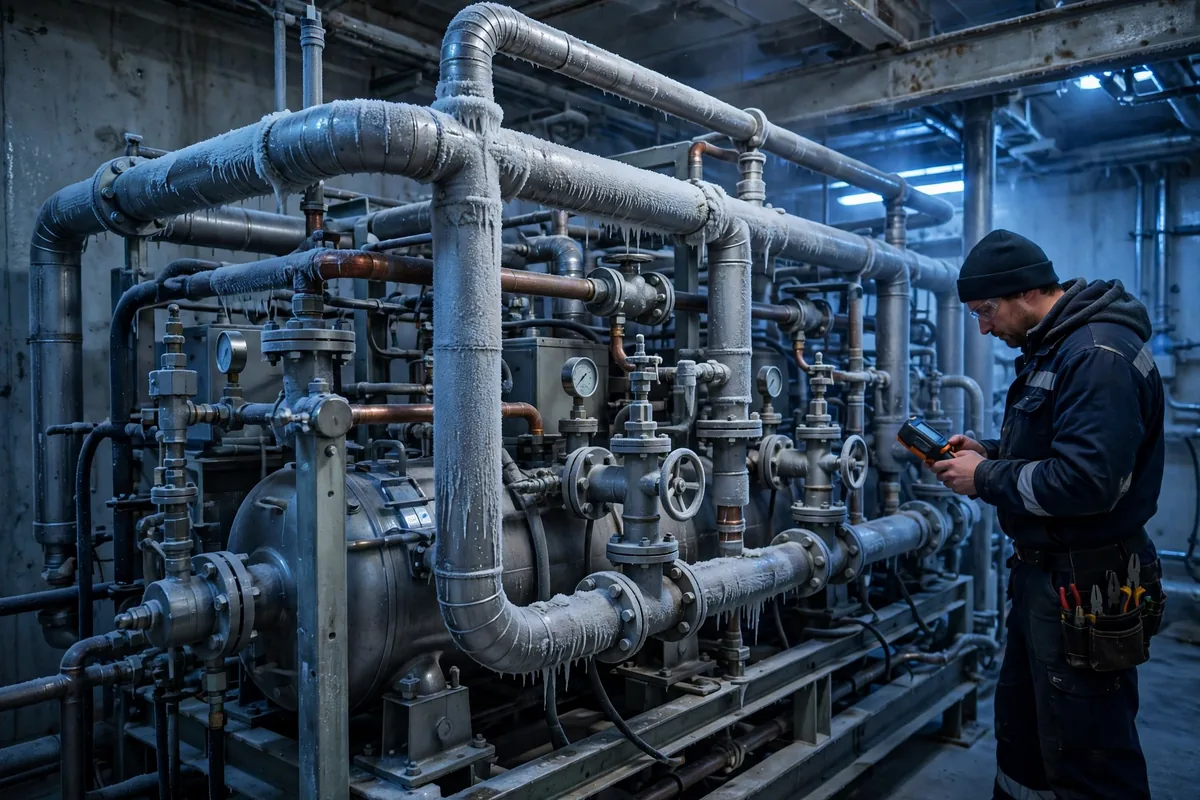
The second is maintenance drift. A dirty condenser, a thickening frost layer, or a slow refrigerant leak rarely announces itself. It shows up as running hours creeping upward month by month, until a breakdown forces a repair and the extra power already paid exceeds the maintenance that would have prevented it. My routine is fixed: clean condensers monthly, check door seals quarterly, and log refrigerant pressure monthly. Plotted over time, those numbers reveal trouble long before it becomes a failure. A power bill that rises gradually is almost never a mystery; it is a maintenance log that nobody kept.
By Lao Zhou, Logistics Cost Analyst