Let me be straight with you: in cold chain temperature excursion handling, the scariest moment is not when equipment fails. It is when equipment fails and nobody notices. One summer night shift, at around three in the morning, our duty hand was walking the floor and saw the temperature curve for one cold room drifting upward. He hesitated, thinking he would report it at dawn. That hesitation nearly cost us a whole batch, because by morning part of the affected stock was already lined up for dispatch. This is the story of how we changed our cold chain temperature excursion handling, and the checklist we use now: quarantine first, decide second, and never let a shipment leave while the question is still open.
Three in the morning: how the problem showed up
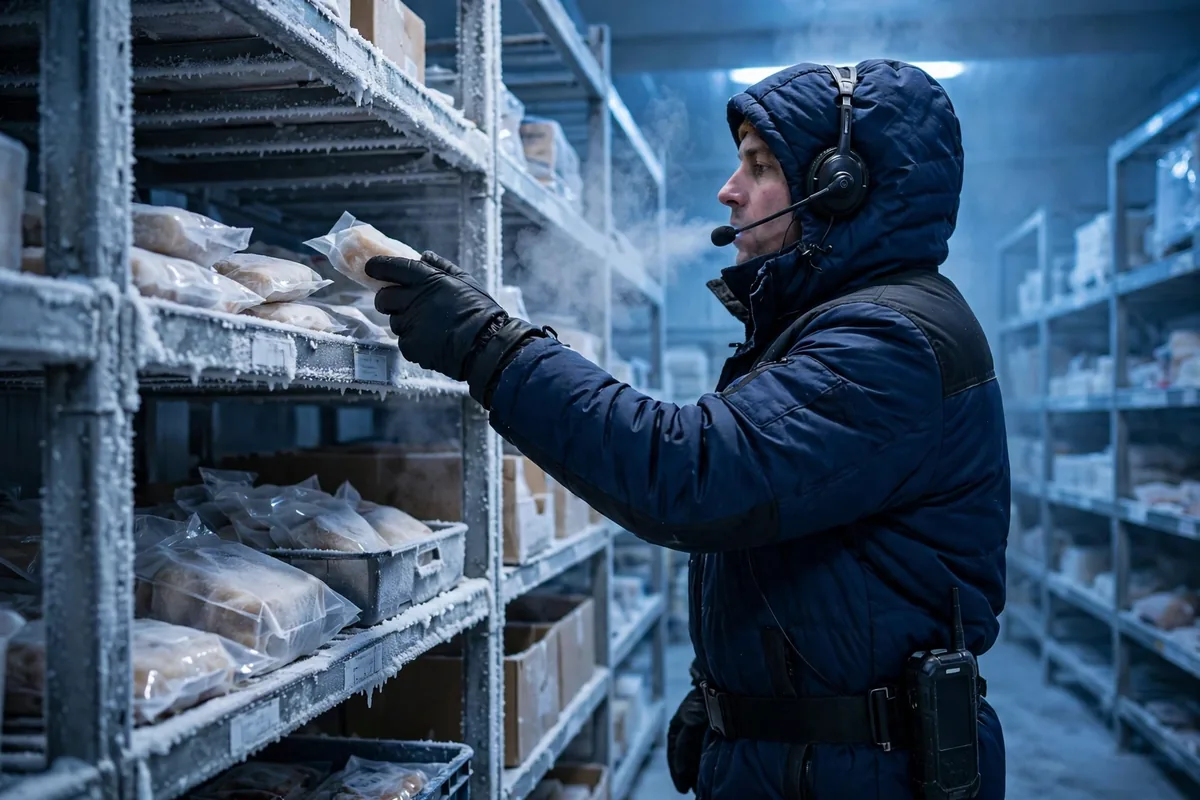
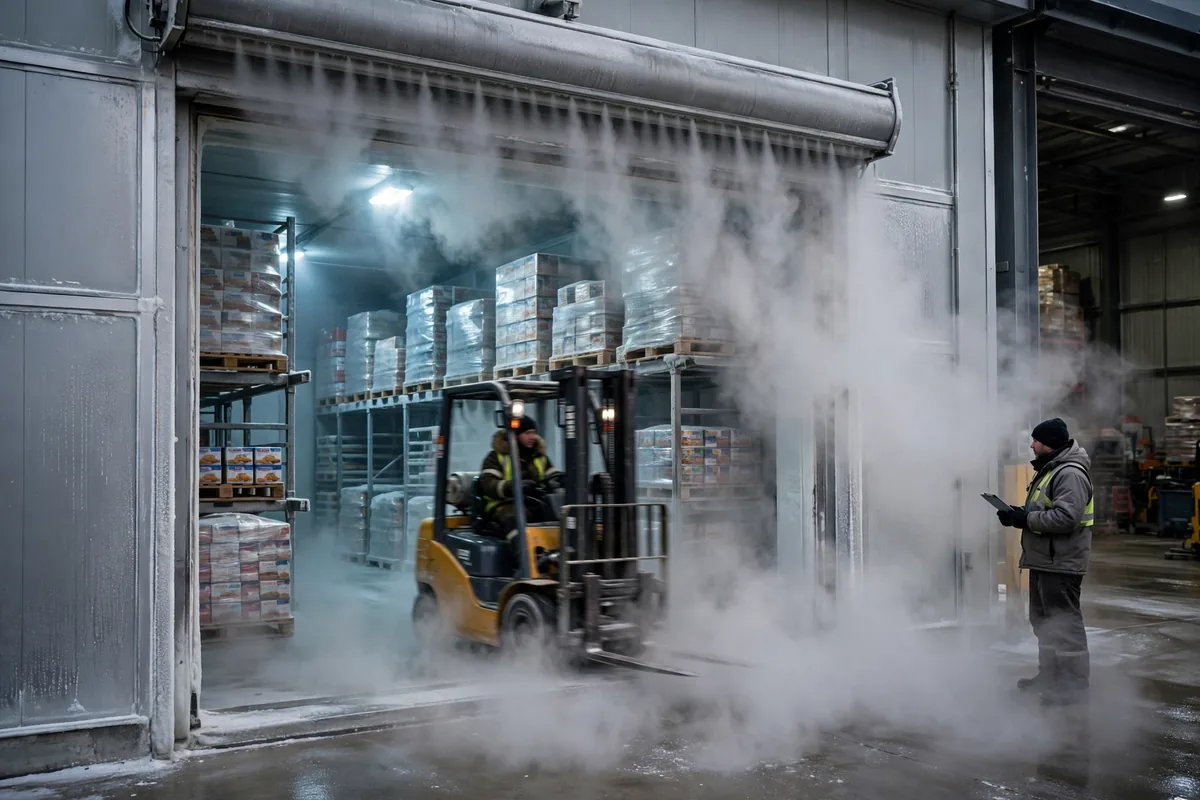
It was peak season and the night shift was short-handed, just two people covering the floor. During his round, the duty hand noticed one cold room running warmer than usual. The compressor was working hard, but the air near the door did not feel right. He checked the door seal by hand and it felt loose, then looked at the shift log: a big inbound delivery the previous evening had meant forklifts going in and out all night, with the door opening far more often than normal.
At handover, the problem was suddenly very real. The temperature log showed an excursion lasting some time, but nobody could immediately say how long, how high it had gone, or exactly which pallets were affected. Worse, some of that stock was already staged for outbound orders. The shift leader stopped everything on the spot: anything that might have been affected stayed put until we had a decision. That stop turned out to be the most important call of the day. Once goods leave the building, getting them back costs twice as much and carries twice the risk.
After that night we wrote down one iron rule, and it has never changed since: if an excursion is suspected, quarantine first and argue later. The argument can wait until daylight. The goods cannot move first.
Cold chain temperature excursion handling: quarantine, then check four things
Our current routine has two stages. Stage one is “freeze the scene.” Suspect pallets go to the quarantine area, get a quarantine tag, and are locked in the system so nobody can pick or ship them. The tag records the time found, the location, and the suspected cause, with a photo for the file. Any shift worker can trigger this without waiting for a manager’s signature; the paperwork catches up afterward. To be blunt, the worst sentence in cold chain work is “ship it and we’ll sort it out later.”
Stage two is checking four things, and no decision is valid until all four are covered. First, what temperature range did the shipper and carrier actually agree for this batch, and does it match the range set in the cold room? Second, how long did the excursion last — a brief swing or a sustained drift — looking at the full logger record, not just the highest point. Third, how wide is the affected scope: the whole room, one zone, or just the pallets near the door? Fourth, what does the product itself look like: any visible damage, broken packaging, or signs of thawing? That last check is recorded, but on its own it never justifies a release.
One warning matters more than the rest: judge every excursion against the agreed range and the agreed excursion time for that specific batch, never by gut feel. Some shippers allow a wider range or a short deviation; others require a much tighter hold. Applying one customer’s standard to another customer’s goods is how good teams make bad calls. Any temperature ranges mentioned below are examples only; the binding numbers are always the ones agreed for that batch.
The decision checklist: release, hold, or reject
Only after those four checks do we decide, using a simple three-way checklist posted on the quarantine wall so anyone can follow it.
Release is the narrowest path. All three conditions must hold at once: the excursion time stayed within the agreed allowance, the temperature record is complete with no gaps, and the visual and packaging check found nothing abnormal. Miss one condition and a direct release is off the table. A release needs two signatures, the shift supervisor and the quality lead, with the basis written in the record — never just the word “normal.”
Continued quarantine, pending the shipper’s decision, is the most common outcome. Use it whenever the data is incomplete, the excursion time is close to the agreed limit, or the shipper has special requirements for that product. Our job in this case is to build a clean evidence pack: the full temperature curve, a location map, inbound and outbound records, and quarantine photos, sent to the shipper so they can decide under their own quality standard. Quarantine is not a parking lot, either; the status gets reviewed every day until the decision lands.
Reject or return is the third path, and its triggers must be just as explicit: the excursion clearly exceeded the agreed time, the record has gaps that make compliance unprovable, or the shipper has explicitly refused the batch. Rejection is never a shift-level call on its own. It needs the shipper’s written position plus supervisor approval, with photos and quantities matching the batch record through disposal or return. Rejecting goods hurts, I know. Shipping goods you cannot stand behind hurts far more, in claims and in trust.
| Decision | When it applies | Who decides |
|---|---|---|
| Release | Within agreed time, complete record, no visible problem | Supervisor plus quality lead, dual signature |
| Hold in quarantine | Incomplete data, near the limit, special shipper rules | Shipper’s written decision |
| Reject or return | Well beyond agreement, missing record, shipper refusal | Shipper’s written position plus supervisor approval |
Here is the counterintuitive lesson that took us longest to learn: after an excursion, the most dangerous thing is not the batch itself, it is the chance of the same thing happening next week. Too many warehouses close the file once a batch is dealt with, while the door seal keeps aging, the night round keeps getting skipped, and the temperature alarm keeps going unanswered. Now every excursion ends with a root-cause note — equipment, operation, or roster — with a named owner and a deadline. Without that, the checklist is just paperwork.
Three reminders for cold chain temperature excursion handling
First, suspect excursion means quarantine first; the goods stay put while the discussion happens. Second, decisions follow the agreed range and the complete record, not memory and not “we always released this before.” Third, quarantine is not the end of the story; the case only closes when the root cause is fixed.
Cold chain work is not about who is bravest. It is about whose records hold up when the shipper asks questions. If you can lay out the temperature curve, the decision basis, and the signatures page by page, you do not need a long explanation. And folks, one extra look at the monitor during the night round is sometimes the look that saves an entire batch.
By Chen Feng, Warehouse Operations Manager