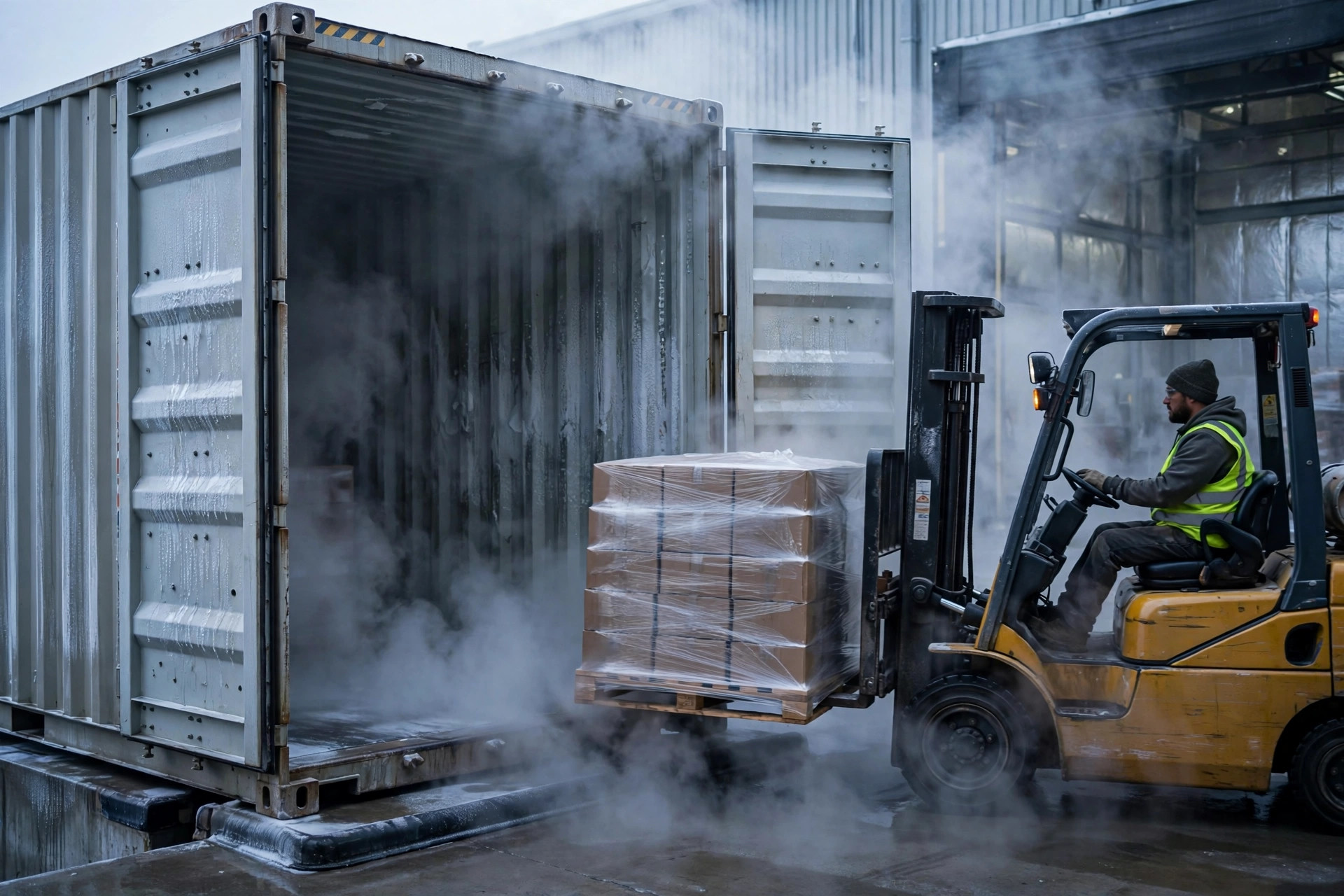
A single temperature logger graph can decide who pays for an entire container.
The receiver points at the upward spike on the curve and says: your temperature was out of range for three days in transit — rejected. The carrier fires back with the reefer's own operating log: my setpoint never moved; you never pre-cooled the cargo before loading. Both sides sound convincing. In the end, what matters isn't who argues loudest. It's the curve — and more importantly, the evidence chain behind it. Whoever has the complete chain talks toughest at the negotiating table.
A couple of years ago I helped a friend who imports frozen shrimp through Long Beach. The container arrived, the logger curve showed a two-day temperature excursion mid-voyage, and the buyer held back the balance payment. My friend asked me: whose money is this, really? We laid both sides' paperwork on the table. The carrier had a complete reefer operating log — setpoint untouched. My friend's side? The pre-loading cargo temperature was handwritten, the pre-cooling time just said "about two hours," and nobody had matched the logger's serial number to the container number. The fight was lost before it started. They split the difference, and my friend ate the bigger half.
After that one, I sat down and mapped the whole cold chain claims playbook. Here it is: how to read the curve, how to build the evidence chain, how to split liability.
What to actually look at on the curve
Most people glance at the highest point — did it breach or not — and call it a day. That's wrong. What decides a claim is a handful of dimensions, not one peak.
Magnitude and duration of the excursion. A one-degree drift and a five-degree drift are different animals; two hours and two days are different universes. A single peak means nothing by itself. Claims are argued in terms of how far and how long — and contracts usually define the tolerance window as cumulative excursion hours. Whatever your contract says, that's the yardstick.
Air temperature versus product temperature. The logger measures the air where it sits, not the core temperature of the product. The moment the doors open at discharge, air temperature spikes — a sharp needle on the curve that says nothing about whether the product itself thawed. If the receiver waves that discharge spike at you, know the difference: a narrow spike lasting minutes is door-opening noise; a plateau lasting hours is a real in-transit problem.
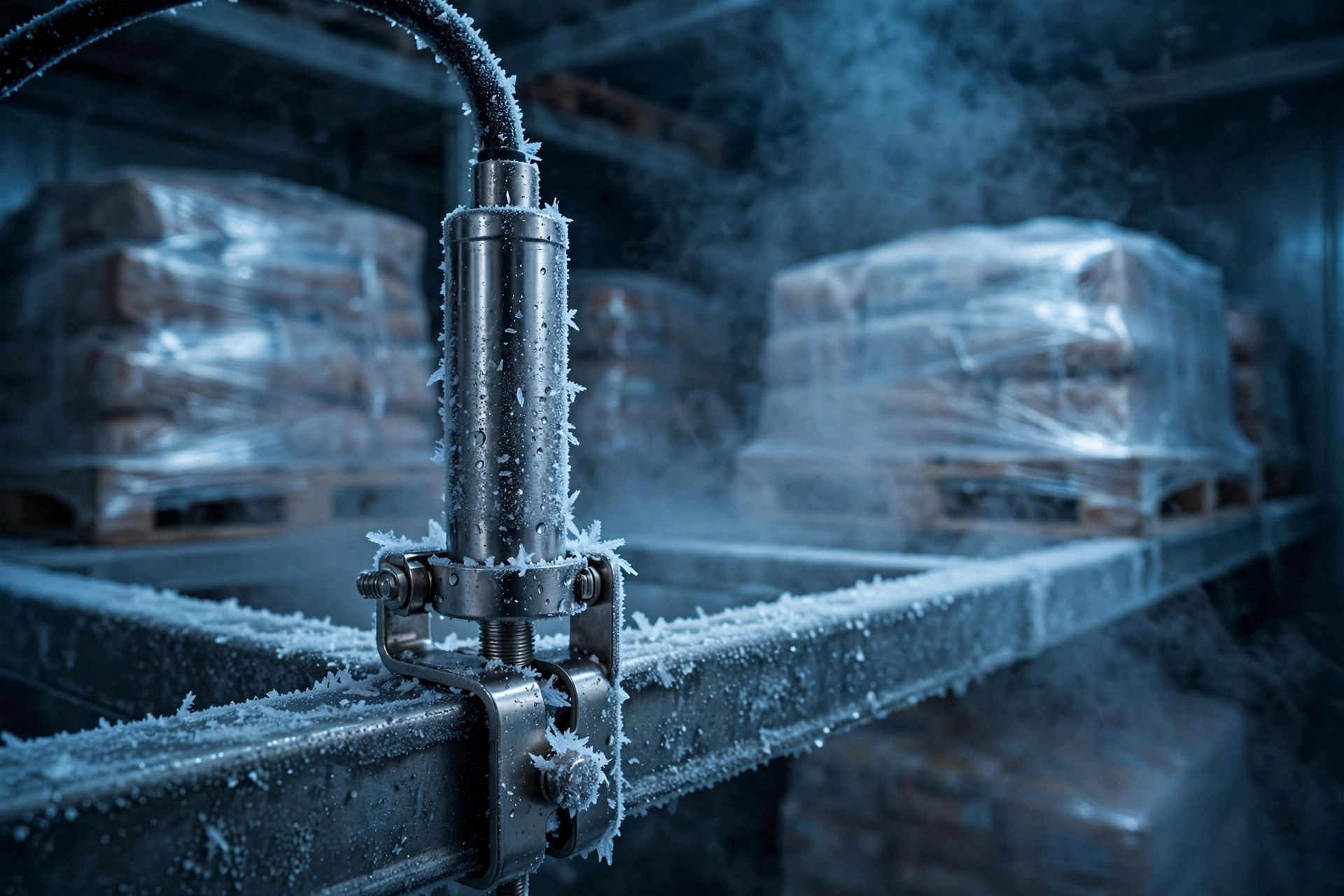
Sensor placement. One logger by the doors, another buried deep in the stow — they can read several degrees apart. The door sensor catches every door opening and ambient swing; the deep-stow sensor reflects what the cargo actually experienced. Arguing a claim on the door sensor alone invites the other side to challenge representativeness. So placement has to be settled up front: at minimum two points, one near the doors, one deep in the cargo.
Recovery. How fast the temperature comes back to setpoint after an excursion tells its own story. A healthy reefer pulls the curve back down quickly; if it never recovers, the machinery itself may be faulty — which is bad news for the carrier.
And know your hard lines. The US FDA Food Code draws the line at 5°C for chilled and -18°C for frozen. Those are public benchmarks — check the contract first, fall back to standards like these when the contract is silent. The FSMA Sanitary Transportation rule, in force since 2016, pushed the burden of proof for in-transit temperature control onto shippers and carriers. The rules keep tightening. The "close enough" era is over.
The evidence chain: one missing link and it falls apart
The curve is only one link. Real claims are won or lost on the full record from loading to discharge. Here's the chain in order — whichever link is missing is where the other side will attack.
Before loading: cargo temperature and container pre-cooling records. Was the product itself at temperature before it went in? Was the box pre-cooled to setpoint? Both need specifics — time, value, who measured. A handwritten "about two hours" is worth nothing at the table.
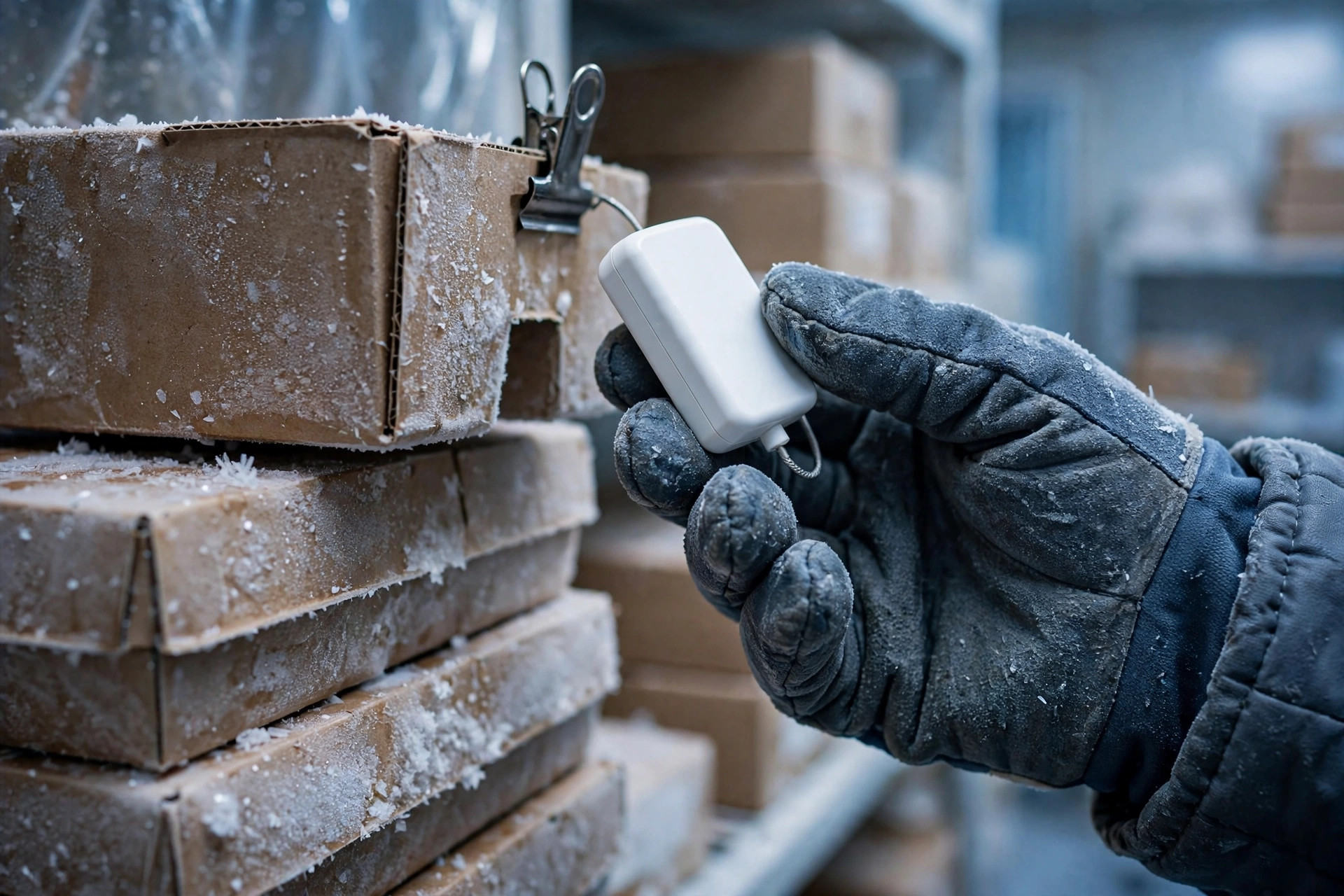
At loading: match the logger's serial number to the container and bill of lading numbers, and photograph it. Record when the logger was started and where it was placed. Plenty of disputes collapse at this step when both sides realize they're not even looking at data from the same device — serial numbers don't match, data thrown out.
In transit: pull the raw data file from the logger, not a screenshot. Screenshots can be edited; the raw file carries a complete timestamped series, and tampering leaves traces. Back it up immediately after download. I've seen people discover — once the dispute was already hot — that the logger had been reused on the next container and the data overwritten.
At discharge: measure product temperature the moment the doors open — product, not air, multiple points. And log any discharge delays. The box arrived, the receiver sat on it for three days before unloading — whose temperature swing is that? If nobody wrote it down, good luck arguing it.
The contract: setpoint, tolerance window, logger make and model, placement requirements — get them into the contract or the booking confirmation in writing. A verbal "as usual" becomes two different stories the moment something goes wrong.
Splitting liability: four buckets
Every cold chain break lands in one of four buckets.
The carrier: wrong setpoint, reefer machinery failure, wrong ventilation settings, mid-voyage power loss. The reefer's operating log usually settles this — it comes from the carrier's own system, which makes it hard to dispute.
The shipper and warehouse: cargo loaded warm, box never pre-cooled, poor logger placement, stow packed so tight it blocked airflow. In my experience this bucket causes the most disputes. A lot of people assume a powerful reefer can "catch up" warm cargo in transit. That's the biggest misconception in the business — a reefer maintains temperature; it is not a blast freezer. Counting on it to freeze your cargo back down mid-voyage is wishful thinking.
The forwarder and booking side: wrong container type, setpoint miscommunicated at booking, box left unplugged after a transshipment roll. Booking confirmations and operation records tell this story.
The receiver: sitting on the box for days after arrival, running discharge with the doors wide open for hours. Discharge-side temperature noise is the receiver's to own.
My verdict: prevention is always cheaper than a claim. A logger costs tens of dollars; proper pre-cooling costs a few hours. A disputed claim costs lawyers, deductions, and a damaged customer relationship — a different order of magnitude entirely.
The pre-loading checklist — run it before you seal the doors
- Pre-cool the box to setpoint; log start and end times plus internal temperature.
- Spot-check core product temperature before loading; log the values.
- At least two logger points — one near the doors, one deep in the stow. Photograph serial numbers matched to the container number.
- Leave airflow channels: don't block the air delivery, don't stack cargo against the vents, leave gaps.
- Set alarm thresholds to the contract's excursion window; name the people to notify.
- Back up the raw data file to the cloud right after loading; don't reuse loggers until data is archived.
- Write the temperature terms into the contract: setpoint, tolerance window, logger requirements.
Every item on that list was paid for by somebody's tuition in the past. Ten minutes before loading beats four months of arguing after.