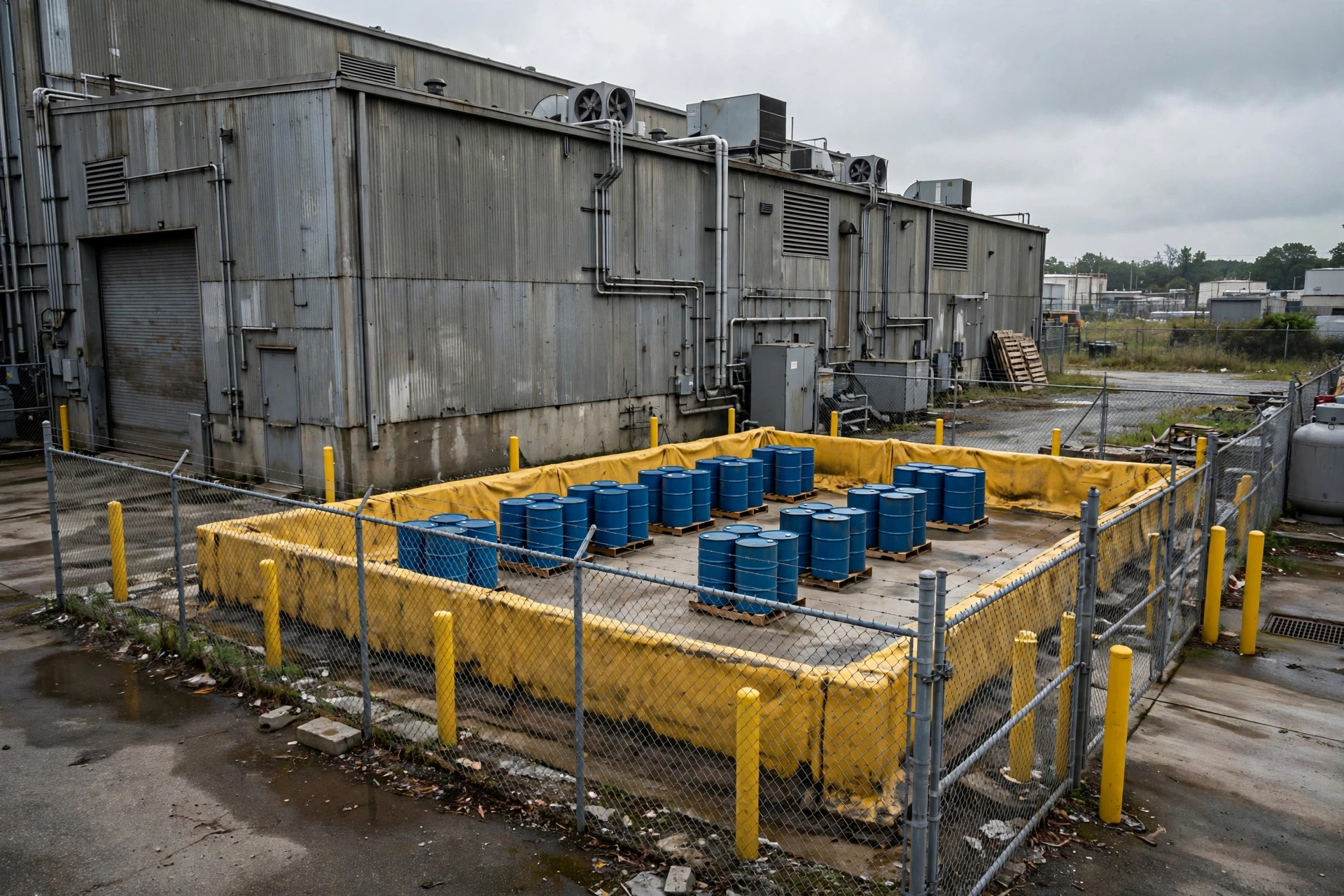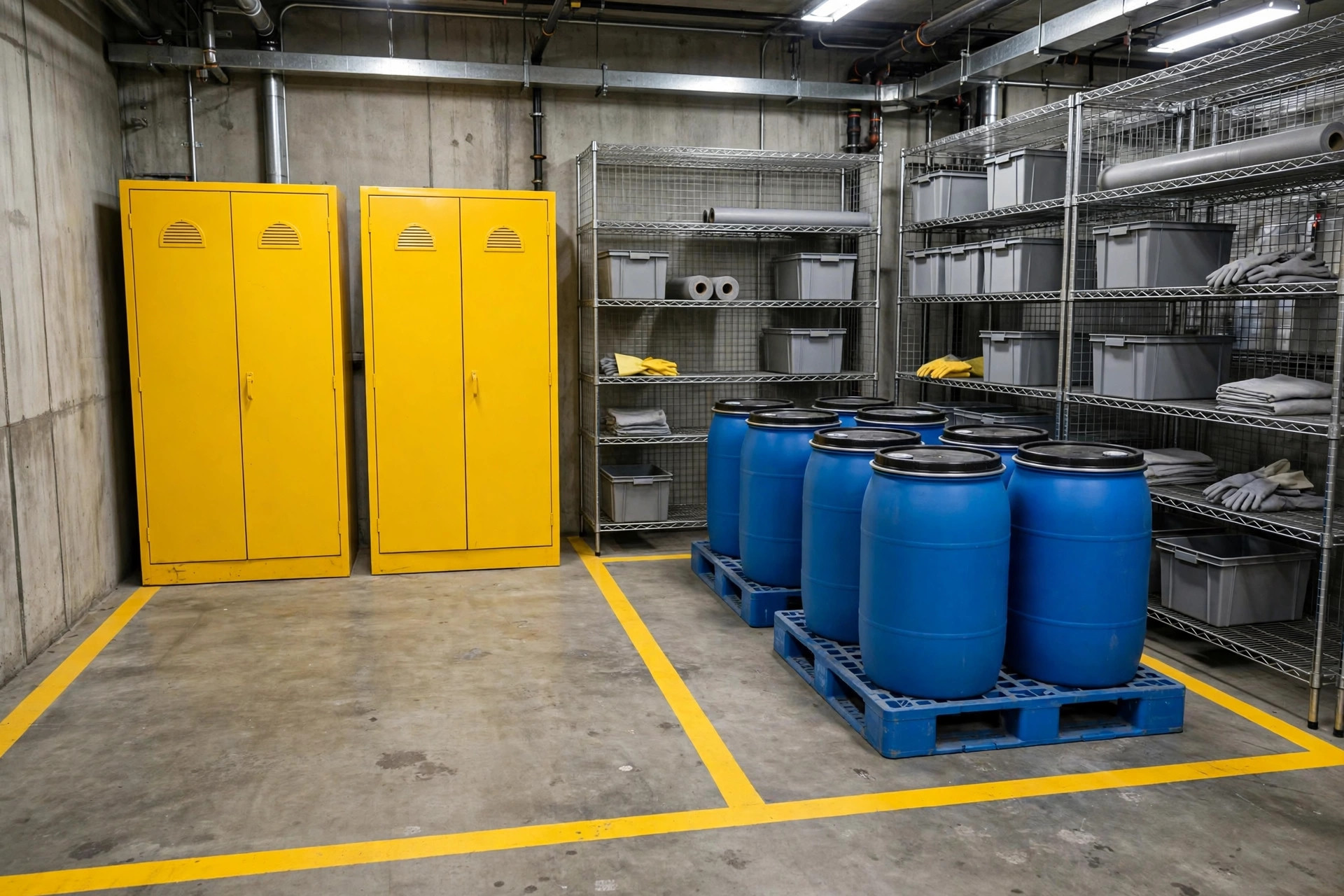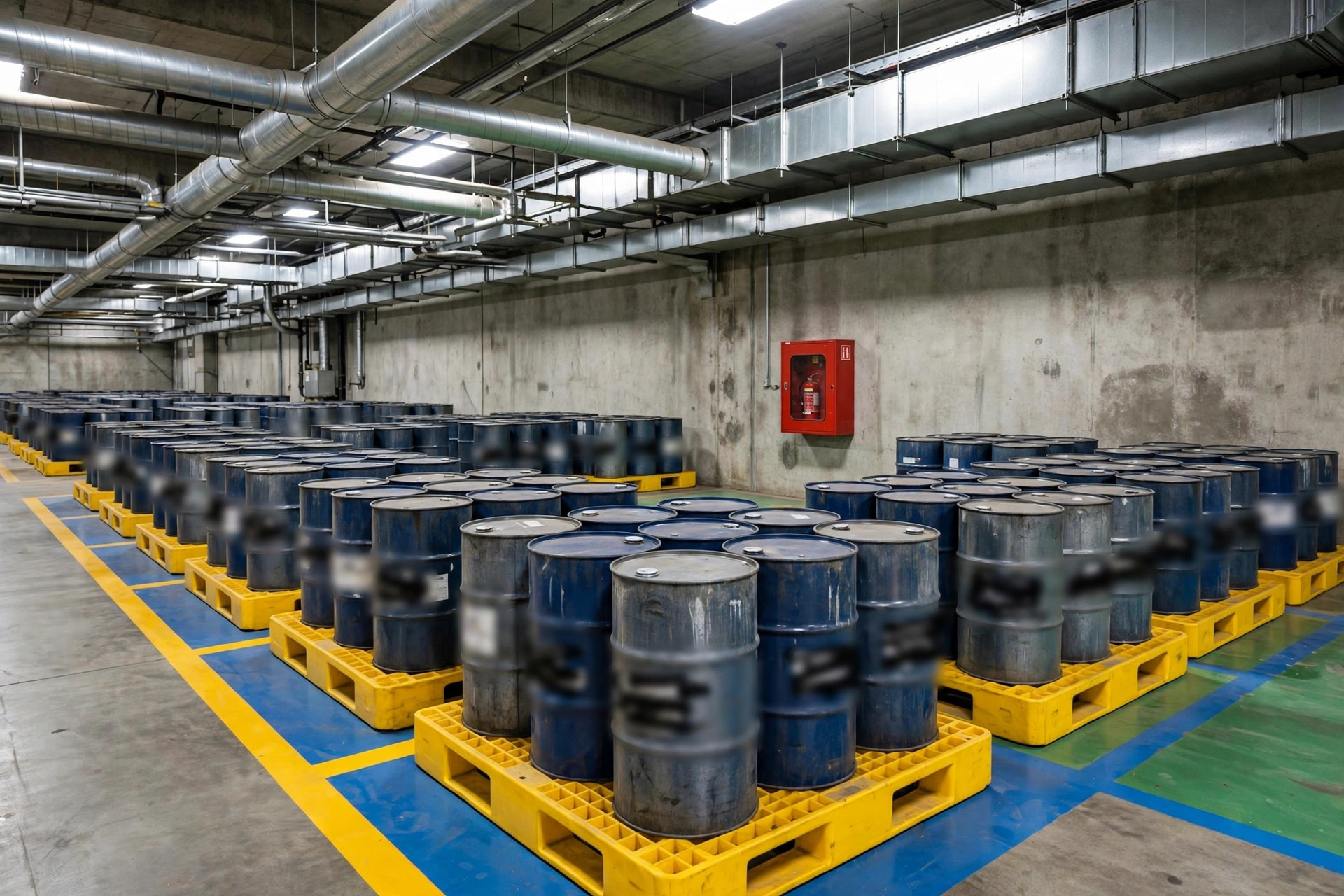
In the United States, if you handle certain chemicals, the DEA wants to know about it. In China, it's the public security bureau — the police — and their reach goes further than most warehouse operators expect. In 2021, a chemical warehouse in Zhejiang got shut down. Not for an explosion, not for a toxic leak. For a ledger that didn't add up: 40 drums of acetone in the building, 28 on the books. Twelve drums unaccounted for. The owner spent an afternoon giving statements at the police station.
Acetone is a Class I precursor chemical in China. Twelve drums with no documented destination is not a paperwork problem. It's a criminal-exposure problem.
What You're Actually Storing: Three Schedules, Two Watchlists
Precursor chemicals in China fall under the Regulations on the Administration of Precursor Chemicals (State Council Decree No. 445), which sort them into three classes. Class I is the strictest: acetone, toluene, potassium permanganate. Class II includes sulfuric acid and hydrochloric acid. Class III is broader but still controlled. The class determines how tight the filing requirements and inspections get — Class I gets the microscope.
Explosive precursors run on a separate track, governed by the Ministry of Public Security's rules on explosive precursor chemicals — things like ammonium nitrate and potassium perchlorate. Different list, same logic: every gram traceable, every movement documented.
The first trap I see warehouses fall into: not realizing what's on the lists. Acetone and toluene are everyday sights in a chemical warehouse, and familiarity breeds blindness. My recommendation is blunt — run every product name in your building against the current precursor and explosive-precursor catalogs, and pin a "controlled substances list" on the office wall. The catalogs get updated, and local enforcement details vary, so confirm against your local public security bureau's latest requirements.
Screening is where this starts in practice. Pull every product name and safety data sheet in the building and check them against the catalogs one by one. Watch for trade names that hide the chemistry — "banana oil" is a butyl acetate solvent blend, and common thinners often contain toluene. Colloquial names are how items slip through. Once screened, route every new inbound product through that check before anything else.
The Paperwork Chain: Buy, Move, Store
Buying: for Class I precursors, you apply to the public security bureau for a purchase permit before placing the order. Classes II and III require filing certificates. No paperwork, no sale — legitimate sellers won't touch the order, and you shouldn't receive it.
Moving: transport needs its own filing with the public security authorities. Cross-province movements face stricter requirements — routes and carrier qualifications get reported. Hiring a cheap truck to haul Class I precursors and getting stopped on the road means seized goods and detained people. I'm not exaggerating.
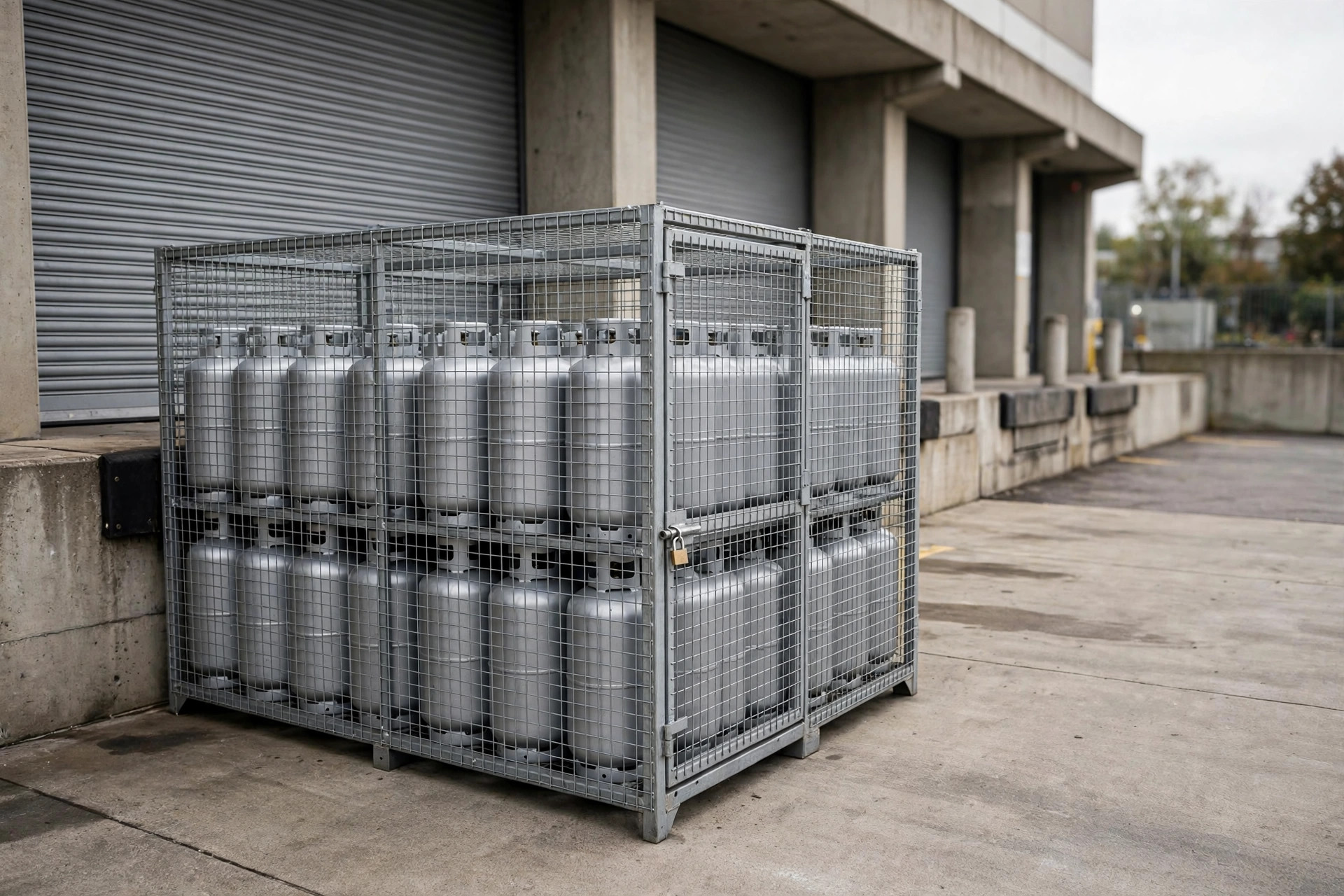
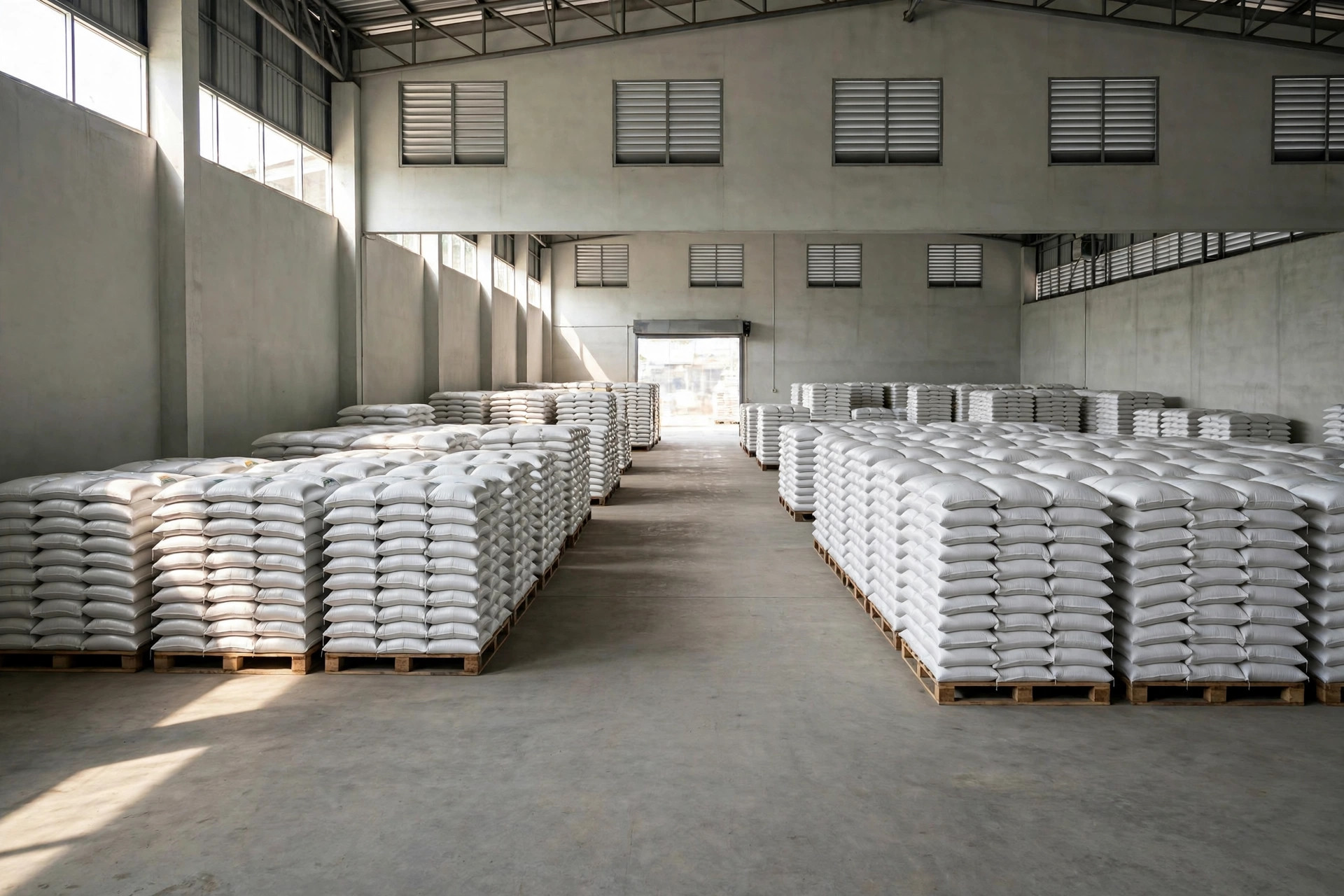
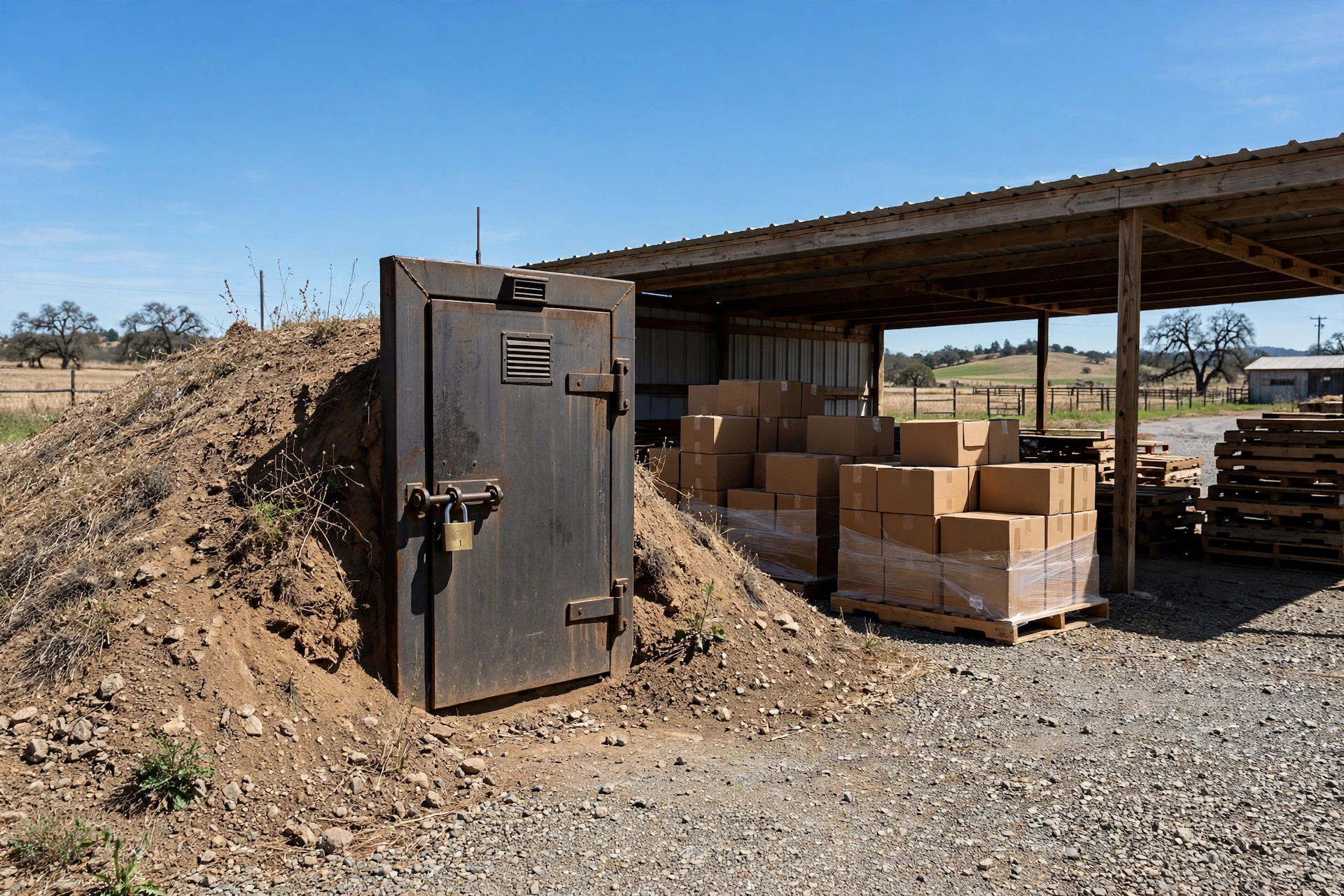
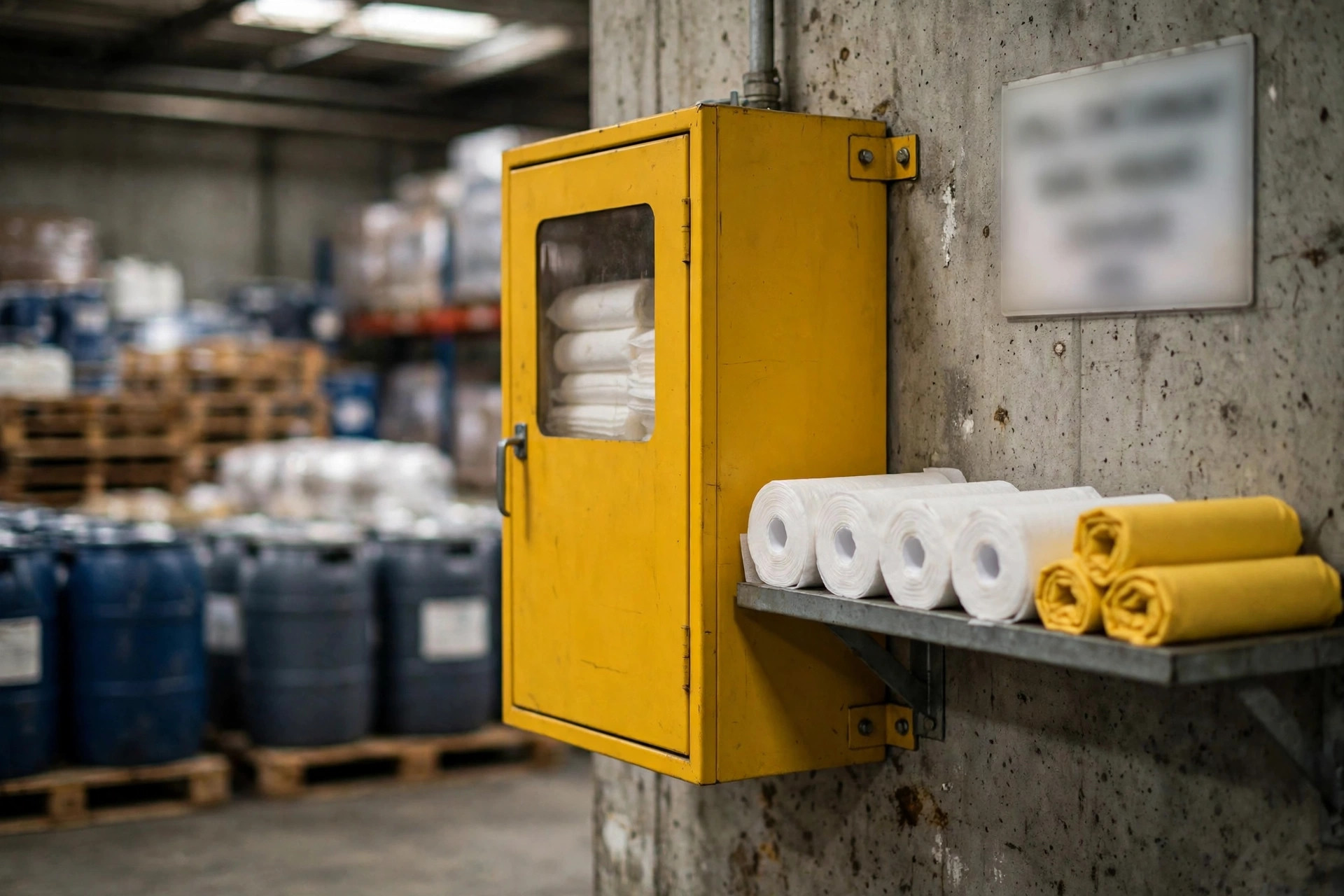
Storing: the warehouse itself must meet the Regulations on the Safety Management of Hazardous Chemicals (State Council Decree No. 591) — dedicated storage, segregated zones by compatibility, two-person receiving and dispatch, security systems. Receiving controlled chemicals into a non-compliant building is burying a landmine in your own yard.
The chain breaks most often at the handoffs. Purchasing paperwork is clean, then someone switches to a cheaper carrier without redoing the transport filing, then receiving logs the goods late. Inspectors don't grade you ring by ring. They look for the one broken link.
Two traps deserve special mention. First, piggybacking on someone else's permit — Company A holds the license, Company B doesn't, so B has A buy on its behalf and the goods land in B's warehouse. When inspectors trace the flow, A's books show a sale to C while the goods sit in B's building, and nobody can explain it. Inspectors treat this as unlicensed operation. Second, cheap carriers without hazmat qualifications, or qualified carriers unwilling to file the transport paperwork for your shipment. Write it into the contract: the carrier handles the transport filing and provides a copy of the receipt. No receipt, no movement.
The Movement Ledger: The First Thing Inspectors Read
The ledger doesn't need many fields, but it needs all of them: date, product name, specification, batch number, quantity, source (which supplier, their permit number), destination (which buyer, their qualification number), handler, and running balance. Nine fields. Every missing one is a hole you'll have to explain later.
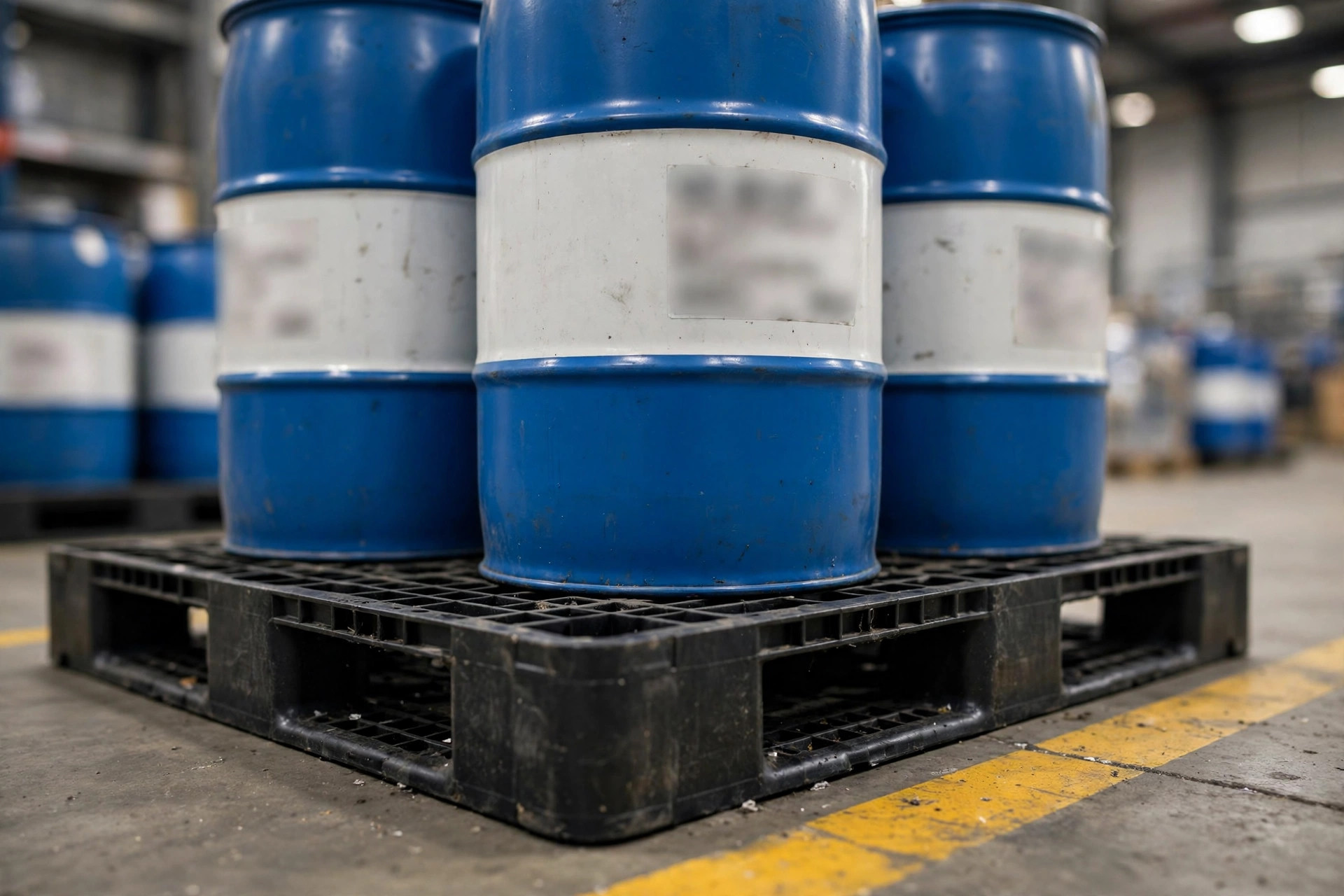
The iron rule is daily reconciliation. Before the shift ends, the ledger balance gets checked against physical stock, and any variance gets investigated that same day. Warehouses that reconcile monthly end up staring at gaps nobody can explain — and "we adjusted it" are the two words inspectors least want to hear. A ledger that doesn't match physical stock is non-compliant, no excuses accepted.
Keep ledgers and supporting documents for at least two years. Staple everything together: purchase permit copies, transport filing receipts, counterpart qualifications, matched to each ledger entry. An inspector's favorite move is picking one outbound shipment at random and asking you to lay out the complete paper trail from purchase to dispatch. Produce it, you pass. Can't produce it, you shut down.
Lessons From Warehouses That Got It Wrong
The patterns repeat. One operator kept beautiful ledgers for Class II acids but never realized the toluene in the corner was Class I — wrong filing tier, wrong permits, full stop when discovered. Another had every permit in order but let the ledger slip for three months during a busy season; when inspectors arrived, the "adjustments" in the book read as concealment. A third passed every document check but failed on storage: precursors mixed with general chemicals in one zone, violating the segregation rules under Decree 591.
Notice what none of these warehouses lacked: effort, or money spent on the facility. What they lacked was the boring discipline of the ledger.
Here's where to start, this month. First, build the controlled-substances list for your building — every SKU checked against the current catalogs. Second, stand up the nine-field movement ledger with daily reconciliation. The police don't grade your warehouse on how neat the drums look. They grade you on whether you can account for every single drop. Get those two things right, and the rest of the compliance program has something solid to stand on.