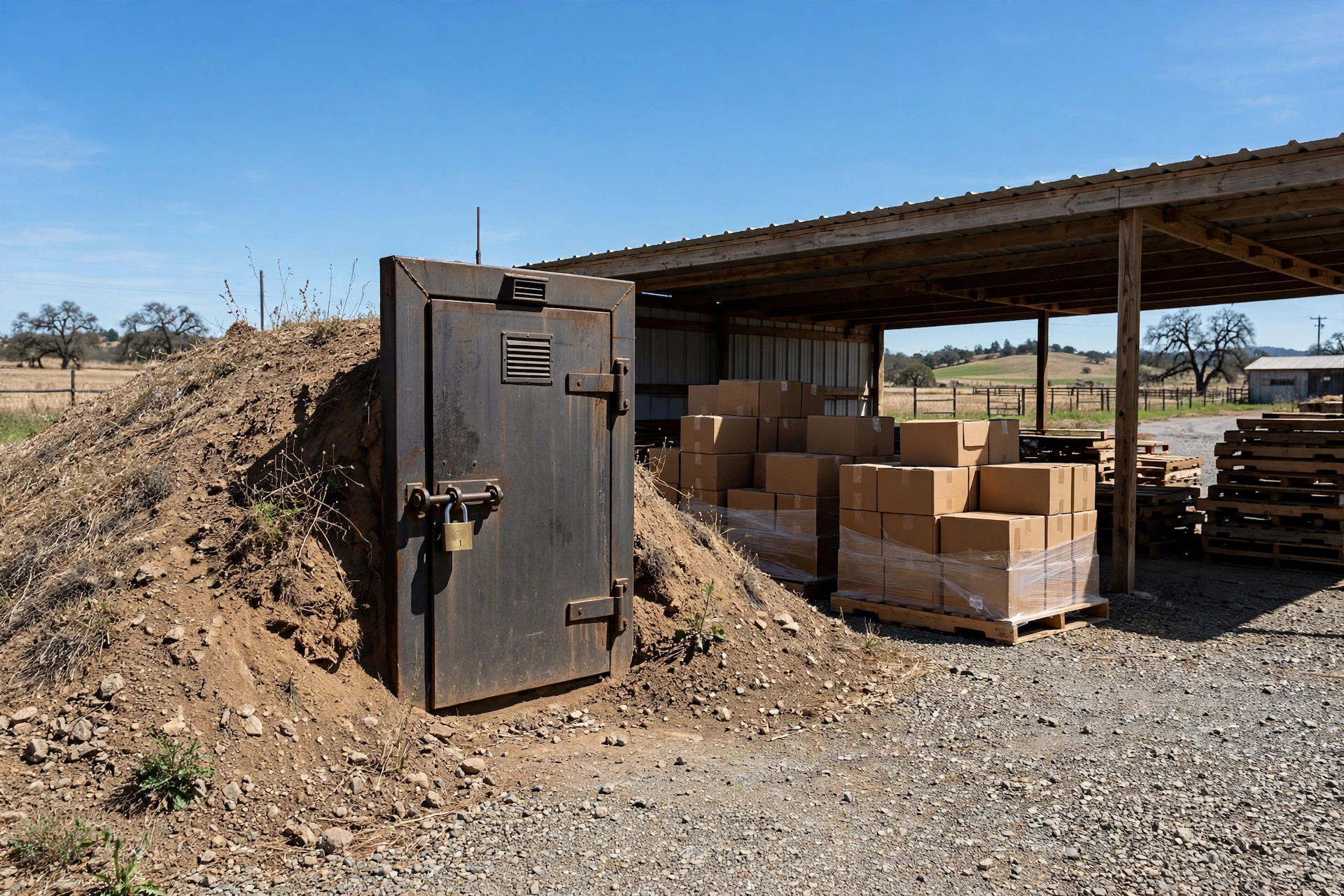
title: 'Fireworks Warehouse Storage Requirements: A 3PL''s Pre-Deal Checklist for ATF Licenses and the Distance Table' slug: fireworks-warehouse-storage-atf-requirements-guide excerpt: Fireworks warehouse storage is not regular hazmat warehousing. For 1.3G display fireworks, ATF requires a Federal Explosives License, the 27 CFR 555.224 table of distances, and a compliant magazine. A 3PL sales director walks through two real client stories, a net-weight pricing trap, and the indemnity clauses your contract must have. section: compliance subcategory: hazmat tags: ['fireworks', 'hazmat-storage', 'atf', 'warehouse-compliance'] lang: en
We had a client last spring, a seasonal fireworks wholesaler out of Arizona, who wanted us to hold his Independence Day inventory from April through July. His opening line: "I've got 8,000 pounds of product. Give me a rate." My stomach dropped a little. In the 3PL world, the words "fireworks warehouse storage" mean at least half the numbers in the room are wrong.
Here's what years of signing warehouse contracts taught me: when a shipper says "8,000 pounds," your first question is always — gross or net? And your second is — 1.3G display fireworks or 1.4G consumer fireworks? Get either answer wrong and your quote is garbage before the ink dries.
Fireworks have their own license regime, their own distance table, their own magazine standards. Treat them like ordinary hazmat and you'll lose money in ways you never saw coming. Everything below follows ATF's 27 CFR Part 555, the current regulation.
ATF Licensing: 1.3G Needs It, Finished 1.4G Doesn't
This is the single most valuable judgment call in this article, and it's the one both shippers and 3PLs get wrong.
At the federal level, ATF regulates explosive materials. Display fireworks — that's 1.3G — are explosive materials. Storing them requires a Federal Explosives License, and which type you need depends on whether you're dealing, importing, or manufacturing. Check ATF's current guidance for the exact license type, and note that the license has to stay valid for the life of the contract.
Now the counterintuitive part: finished 1.4G consumer fireworks are not regulated by ATF at all. Footnote 2 of 27 CFR 555.224 says it plainly: consumer fireworks or articles pyrotechnic in a finished state are not subject to regulation.
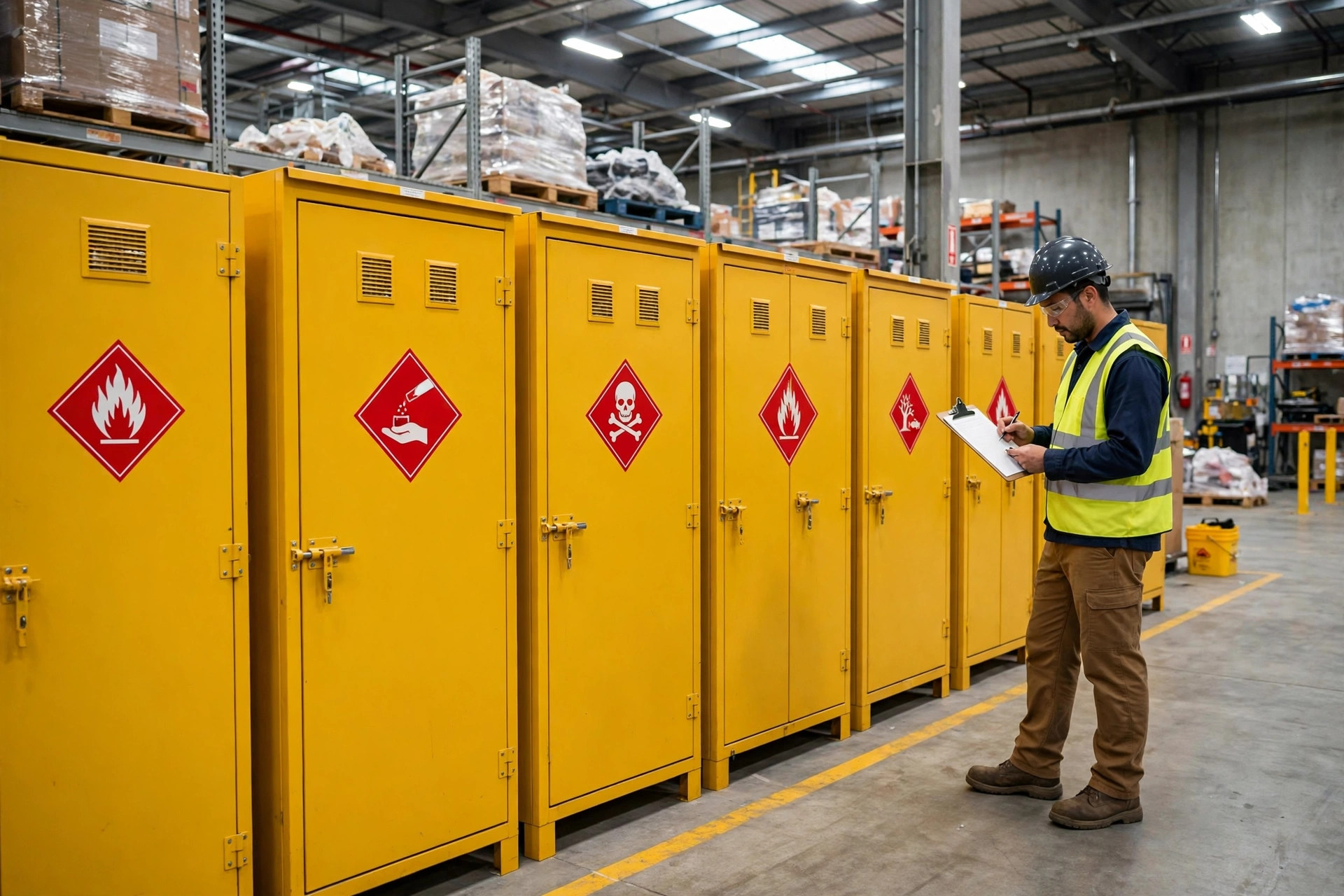
We had another client who learned this the expensive way — well, almost. He sold only 1.4G consumer product and opened with: "Susan, how long does the ATF license take?" Our compliance lead told him the truth: "You don't need one." He relaxed. Then I added the second half: "Don't celebrate yet. The state fire marshal's fireworks storage permit, the setback distances from your neighbors, and your insurer's explosives endorsement all still apply. And transportation is still DOT 1.4G — loading, placarding, driver qualification, the whole package."
His face fell. He'd assumed "ATF doesn't care" meant "this is easy." It just meant a different agency hands out the homework. For us as the service provider, this detail is a moat: competitors bidding for his business will tell him "1.4G needs no license, store it anywhere." You lay out the state-level and insurance costs, and the shipper suddenly knows who actually understands the business.
The Fireworks Warehouse Storage Distance Table Is Where Deals Die
Once licensing is clear, the thing that actually decides whether the deal works is the table of distances.
27 CFR 555.224 sets storage distances for display fireworks (excluding bulk salutes). The unit that matters is net weight — and the regulation defines it ruthlessly: the weight of all pyrotechnic compositions, explosive materials, and fuse only. Cartons, pallets, and outer packaging do not count.
| Net weight (lbs) | Magazine to inhabited building / passenger railway / public highway (ft) | Between magazines (ft) |
|---|---|---|
| 0–1,000 | 150 | 100 |
| 1,001–5,000 | 230 | 150 |
| 5,001–10,000 | 300 | 200 |
| Above 10,000 | Use table at § 555.218 | Use table at § 555.218 |
Back to the Arizona client. His "8,000 pounds of product" turned out, once we ran the composition sheets for every SKU, to be roughly 4,200 pounds net — squarely in the 1,001–5,000 bracket. That meant 230 feet from any inhabited building, passenger railway, or public highway, and 150 feet between magazines.
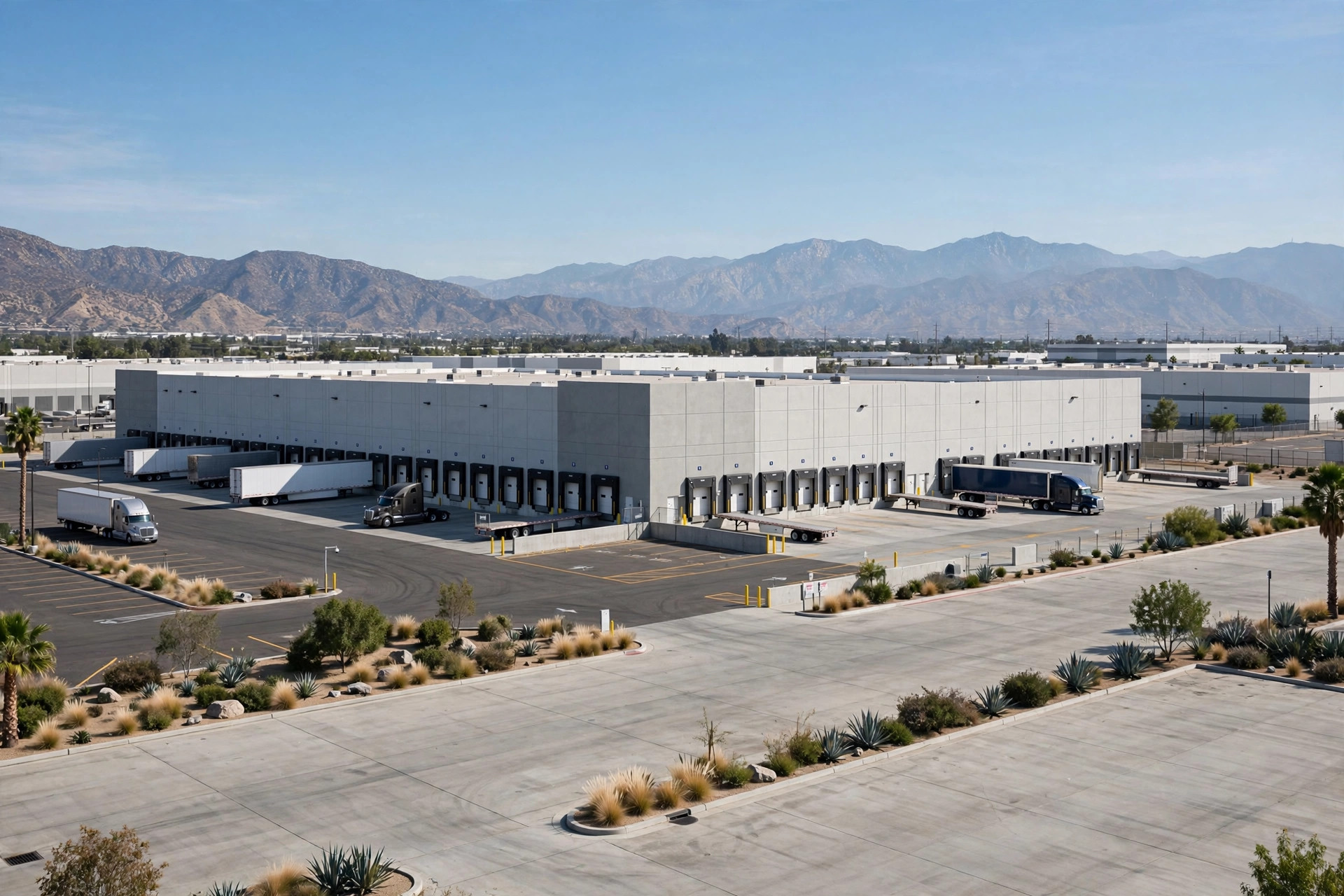
The problem: the warehouse site he liked had a cluster of farmhouses 160 feet from its eastern edge. Draw the 230-foot line and the whole parcel fails. His first suggestion was to split the load across two magazines and stay under 1,000 pounds each. Legally fine — the table applies per magazine — but now he needed a second compliant magazine, and the cost was his to weigh.
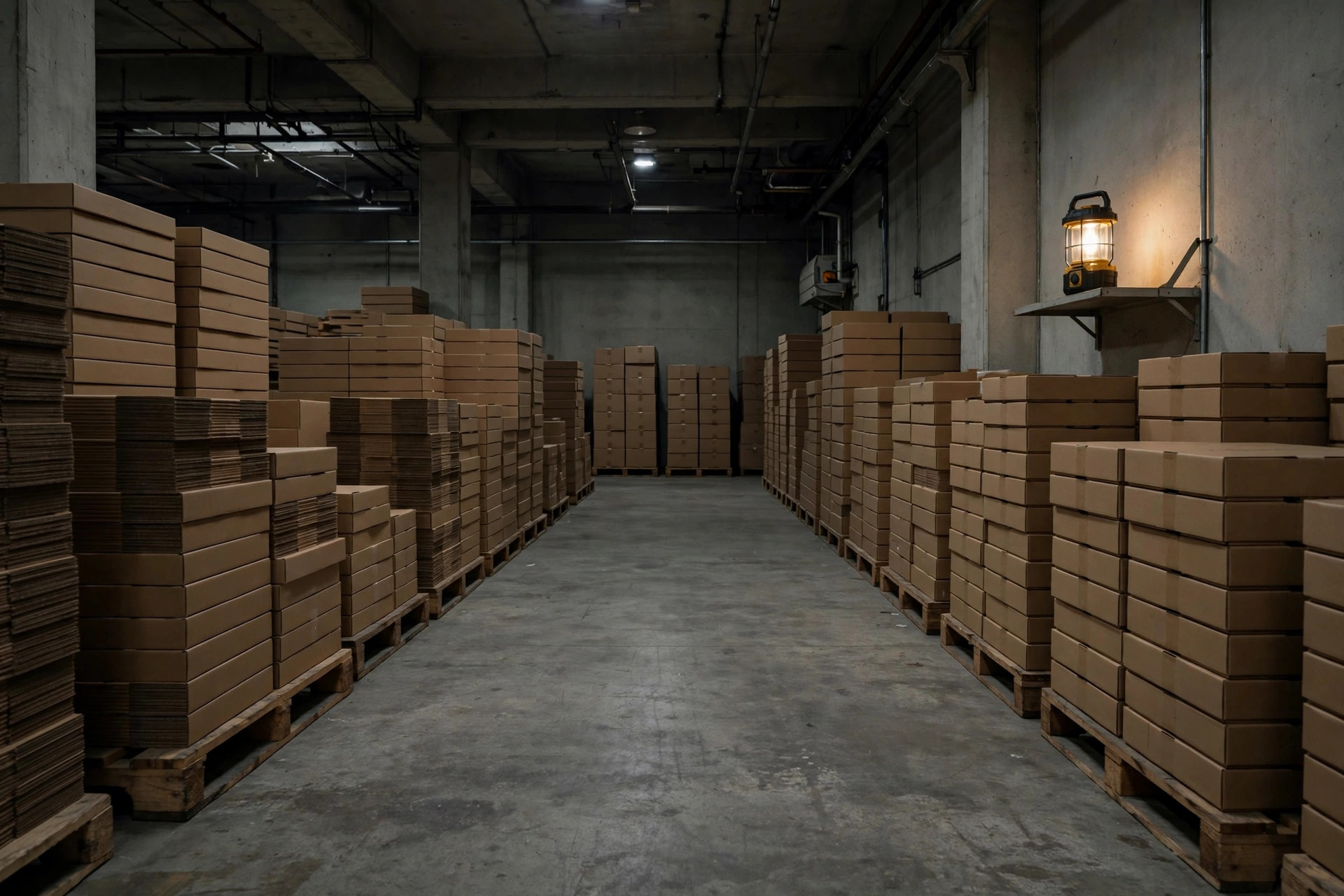
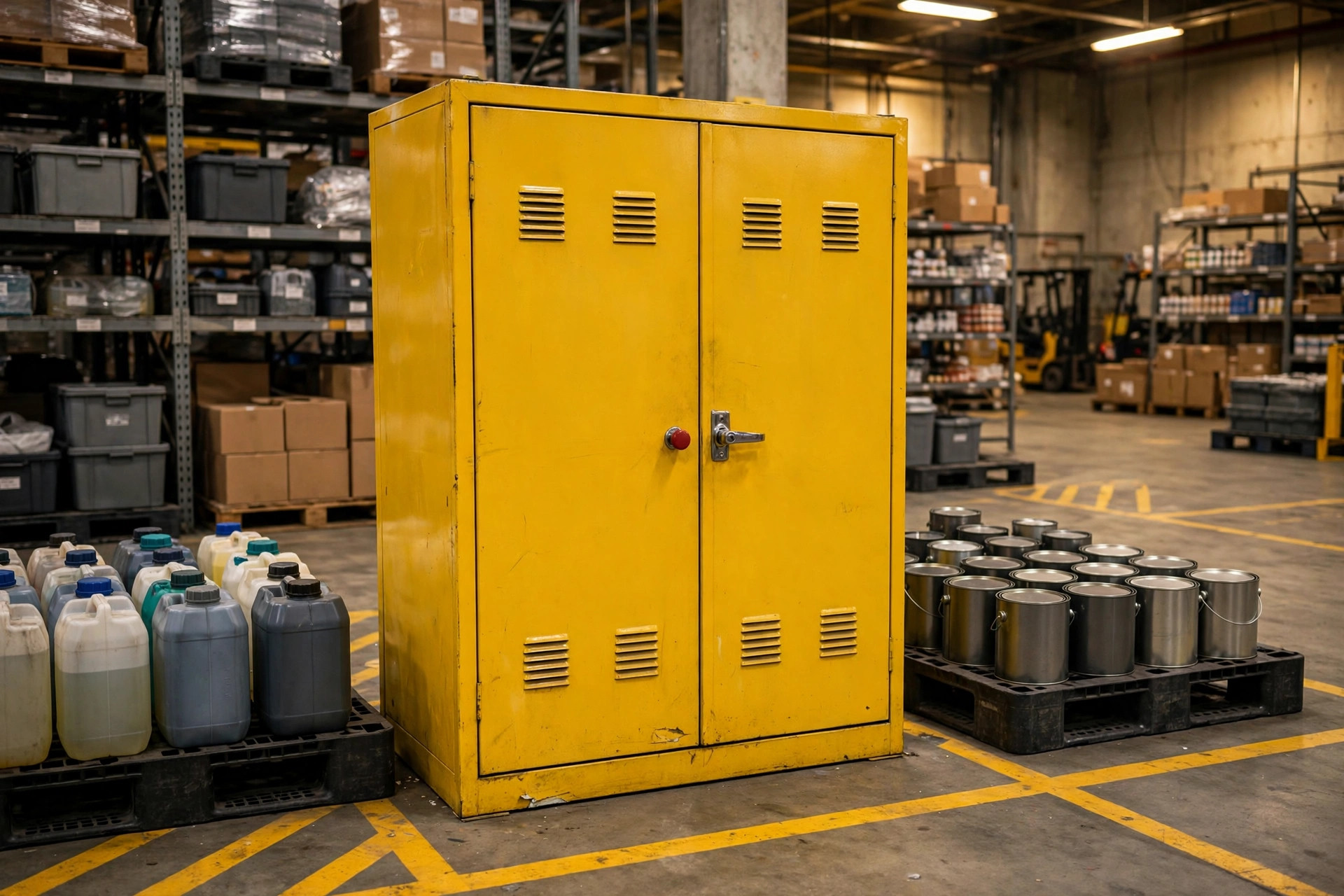
Which brings us to the profit killer hiding in every fireworks quote: an outdoor magazine is not a shed. Per ATF requirements, it's a dedicated storage structure with a steel door and compliant locks, and 27 CFR 555.215 requires a 25-foot clear zone around it — no rubbish, brush, or dry grass (live trees over 10 feet tall can stay) — plus volatile materials kept no less than 50 feet from any outdoor magazine. None of that is optional.
There's also a peak-season hidden cost most quotes never include: ATF Ruling 2007-2. Around the Fourth of July, fireworks often sit temporarily in locked trucks. ATF allows it, but only with a guard on duty the entire time — an authorized individual within 100 feet of the vehicle, with an unobstructed view, awake and observant. In 3PL language: you need to staff a dedicated watch around the clock during your busiest weeks. Did your rate include that person?
What to Write Into the Contract
A fireworks contract is a different species from a standard warehousing agreement. Standard contracts negotiate rates and SLAs; fireworks contracts negotiate who eats the loss when something goes wrong. I recommend writing these clauses in, word for word:
First, license ownership. Maintaining a valid Federal Explosives License is the shipper's obligation, stated as: "If the license lapses or is revoked, the 3PL may immediately suspend receiving and shipping, and all resulting detention charges are the shipper's responsibility." Never write "both parties shall cooperate" — that sentence means nothing when ATF shows up.
Second, net-weight declaration. Require the shipper to provide signed net-weight data for every SKU; the distance bracket is calculated on net weight. If the shipper underreports net weight and the site goes out of compliance, the liability and fines are the shipper's. Remember the Arizona lesson: the gap between gross and net weight can be an entire table bracket.
Third, inspection clause. If an ATF or state fire marshal inspection shuts down operations or triggers remediation, rent keeps accruing, and remediation costs follow the party at fault. Skip this clause and the shipper will simply assume the 3PL absorbs it.
Fourth, minimum term. Fireworks are brutally seasonal. Magazine construction amortized over a four-month season will never pay back. Our internal rule: twelve months minimum, or the construction cost is billed as a separate one-time fee. The Arizona client walked away over the price — good. A shipper who wants four months of storage and a free magazine is a loss waiting to happen.
The honest truth only a provider would tell you: fireworks contracts carry fat margins because 90 percent of 3PLs won't touch them. You earn that margin by running the checklist above and getting a signature on every line. If a prospect won't sign, let them walk. Don't chase them.
Next time you're negotiating one of these, ask three questions: Who holds the license, and who renews it? What's the net weight, and which distance bracket does it fall in? If ATF or the state fire marshal shuts us down, who pays? Three questions, three minutes — and you'll know instantly whether you're dealing with someone who understands the business or someone pretending to.
By Susan, 3PL Sales Director