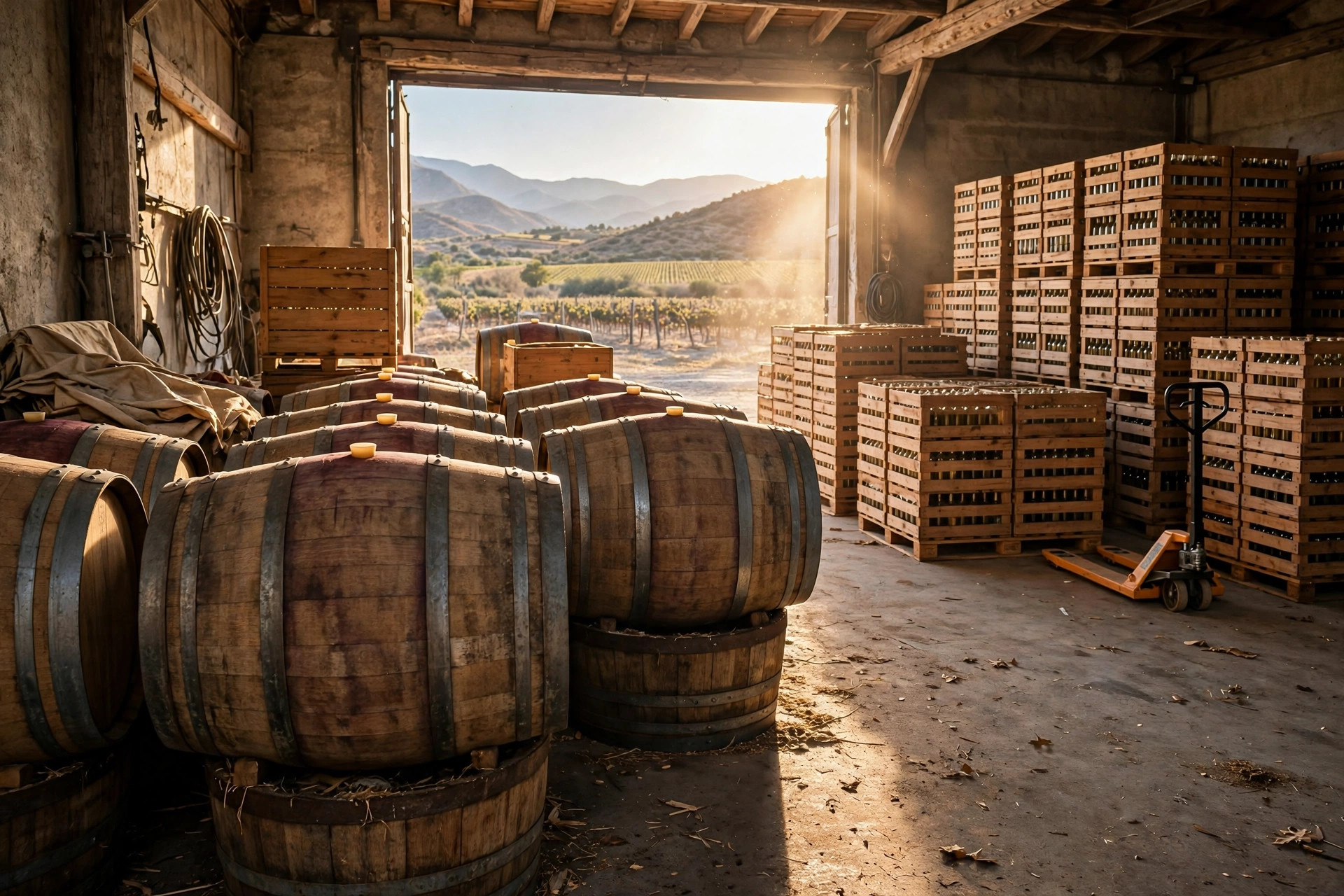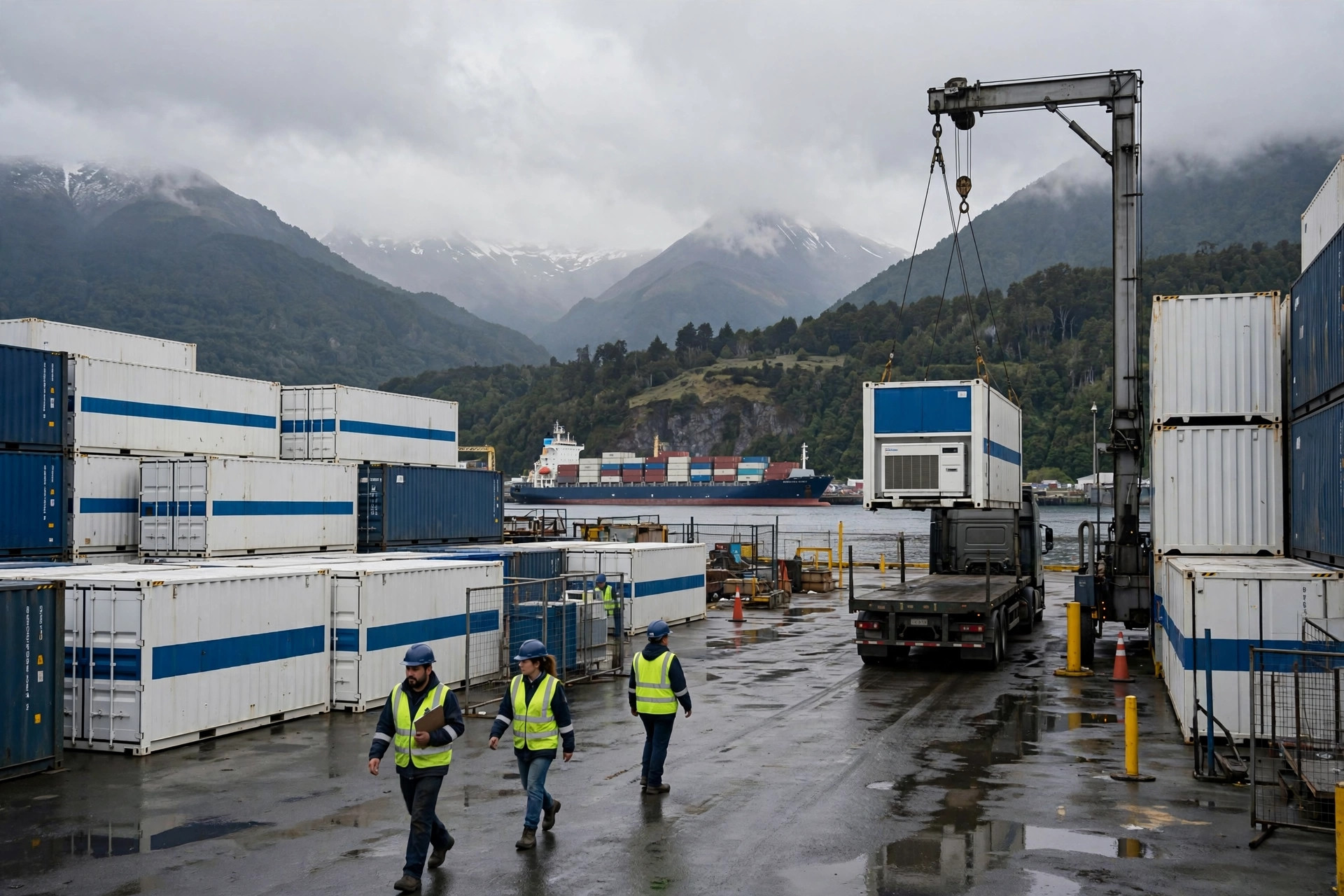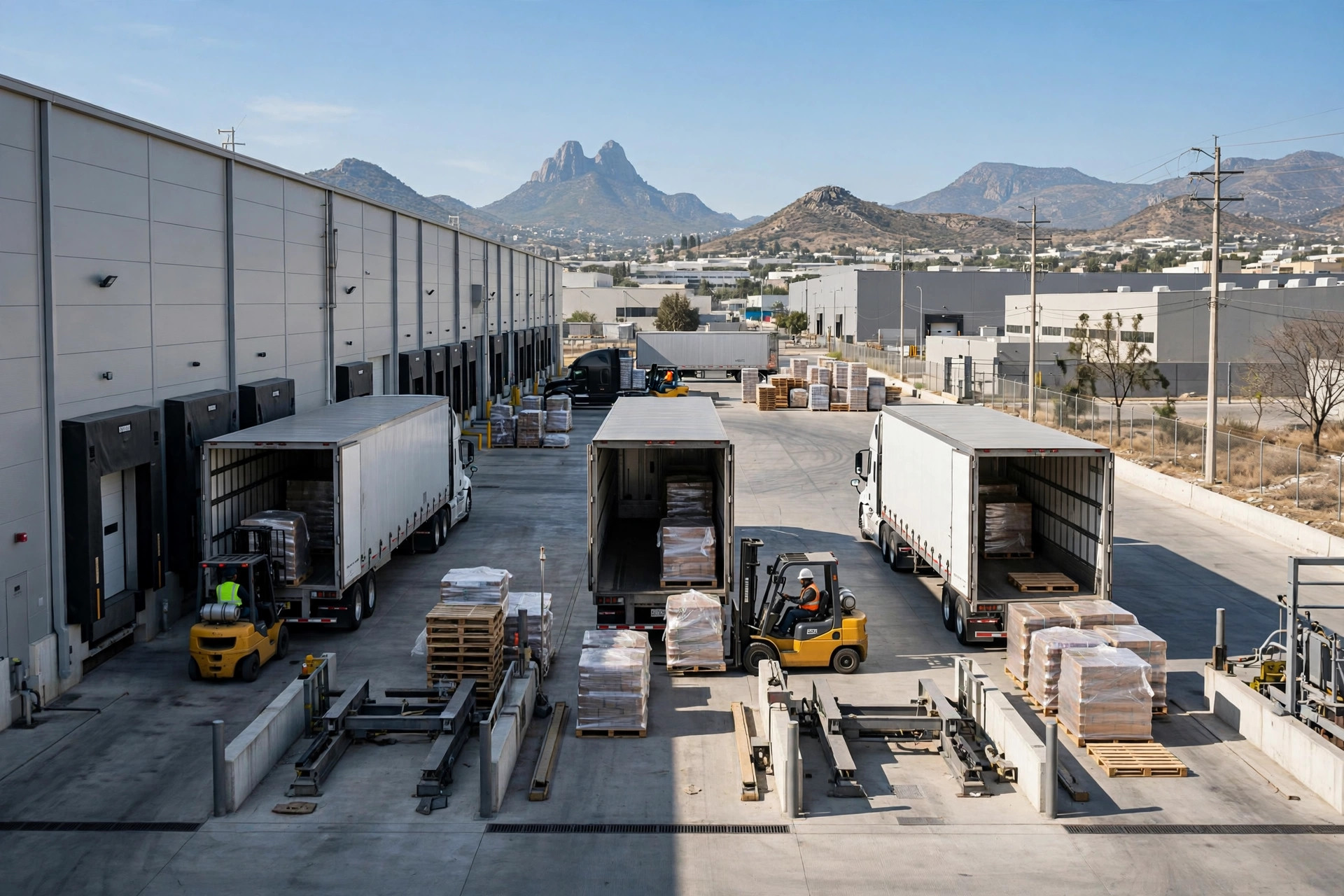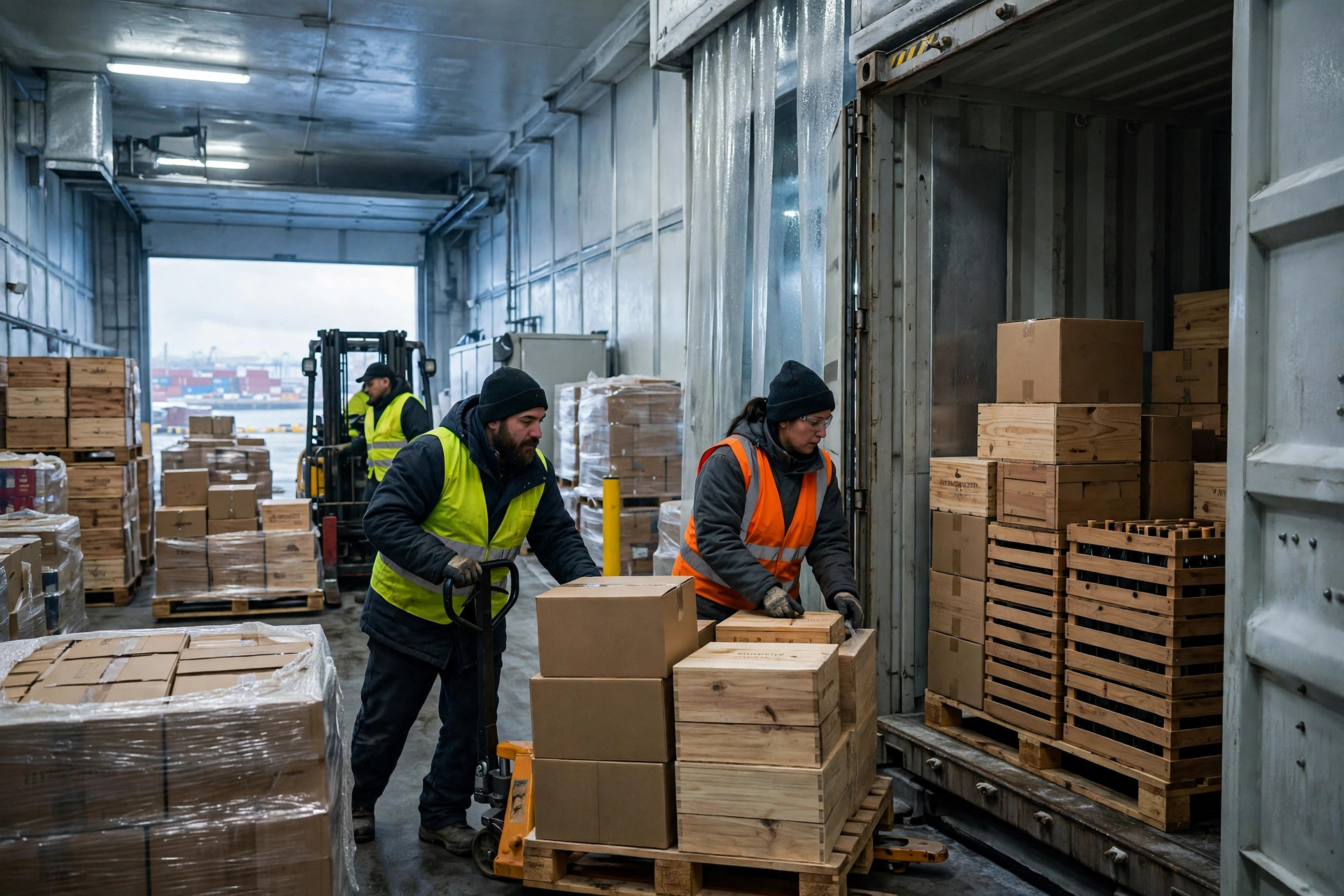
Chile wine export warehouse storage is often described as a transport problem, but the evidence points somewhere else. After bottling, wine typically spends a period in an export warehouse before it is loaded onto a vessel, and what happens during that period shapes the condition in which it arrives. Temperature history, label accuracy, consolidation discipline, and bonded record keeping are not administrative details. They are the chain itself, and when one of them breaks, the break is usually discovered too late to repair, at the destination port rather than at the warehouse door.
Consider a mid-sized winery in the Central Valley during a shipping week. Its wine arrives at the export warehouse bottled and labelled, yet the warehouse still performs an inbound check, verifying the wine, vintage, carton count, and pallet condition, and inspecting bottles and outer cartons for transit damage. The purpose of that check is not duplication. It fixes the boundary of responsibility, so that the condition in which the winery delivered the wine is the condition the warehouse formally accepts. Without that boundary, a later damage dispute has no agreed starting point. In the same shipping season, another winery delivered late and missed its planned consolidation window, so its cargo had to wait for the next consolidation. The wine itself did not deteriorate during the wait, but the delay pushed labelling and customs preparation back, and the whole shipping plan had to be resequenced. Warehousing, in this sense, absorbs volatility in the shipping plan rather than merely providing floor space.
Temperature Records Matter More Than the Thermostat Setting
Public freight-forwarder guidance places refrigerated wine transport at a steady temperature of roughly ten to twenty degrees Celsius. That range is not especially demanding on its own. The difficulty lies in keeping it unbroken across receiving, storage, staging, and loading, and in proving that it stayed unbroken. Wine is sensitive less to a single warm moment than to repeated fluctuation, which is why the temperature record matters more than any single thermostat reading. A record taken at inbound, another before loading, and routine checks in between together form a chain that can be shown to a buyer or an insurer. Where that chain has gaps, a temperature-break claim becomes difficult to settle, not because responsibility is conceptually unclear, but because neither side can establish when the break happened or how long it lasted. Specific buyer and market requirements should be confirmed against the latest official guidance and the contract itself, rather than replaced by a generic range.
Chile Wine Export Warehouse Storage and Label Compliance
Labelling is the most underestimated part of this chain. Label information covers the wine, region, vintage, alcohol content, and importer details, and requirements differ by destination market. An export warehouse must therefore confirm the destination market before labelling, and verify the label version against that market, because a wrong label does not cost a replacement sticker. It can cost detention or return at the destination port. Labelling work also needs a suitable environment, since labels applied in damp conditions can wrinkle or peel, and post-labelling checks should sample by pallet rather than inspecting only the first carton. Outer carton marks and pallet identification deserve the same attention, because cargo with unclear marks is hard to verify quickly at the loading site, and the risk of loading the wrong cargo rises accordingly. What an export warehouse sells, in the end, is not space but cargo prepared to a shippable state for a specific market.
Chile Wine Export Warehouse Storage, Consolidation, and Bonded Records
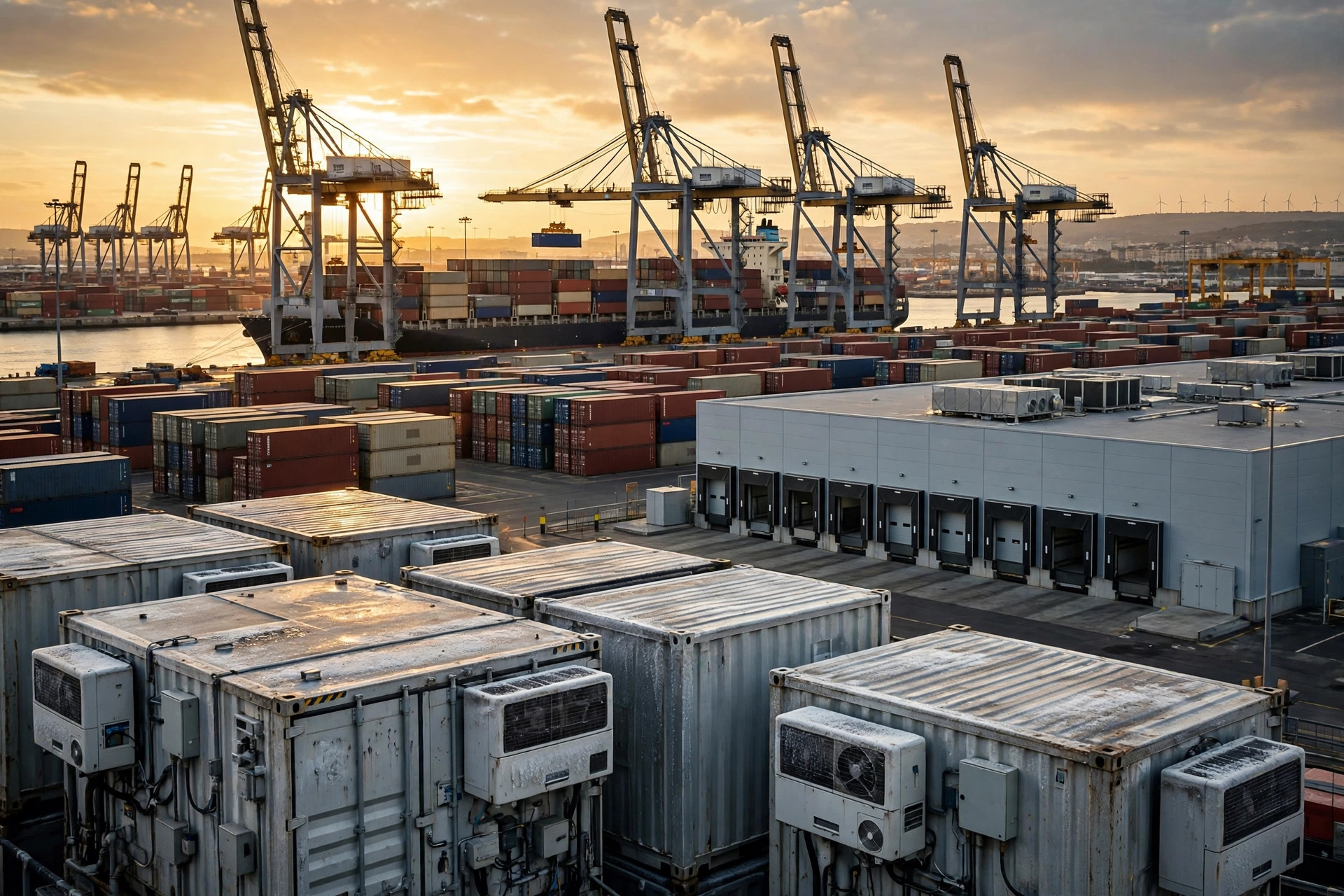
Consolidation is the normal pattern for smaller wineries, and consolidation services for multiple shippers exist around the port of San Antonio, according to public shipping news. The operational challenge is not fitting different wineries into one container. It is keeping each shipment's records separate after they share a container, so that temperature history, label versions, carton counts, and marks remain traceable by shipment. Records merged across shipments are almost unusable in a claim or a customs check. Loading order also needs advance planning, with cargo to be discharged first loaded last, rather than improvised at the dock. Bonded records form a parallel line, with every warehouse entry, exit, consolidation, and port transfer recorded in a traceable sequence. Unclear bonded records invite repeated verification, and the time lost there ultimately falls on the shipping schedule. A record book shows its value only when something goes wrong, and by then it is too late to reconstruct it.
Cost comparison should therefore look beyond the warehouse rate alone. A fuller comparison puts the warehouse fee alongside labelling verification labour, temperature record management, consolidation coordination time, and the rework and claim risk that follows label errors or temperature breaks. A warehouse that looks cheapest on rate alone can become the most expensive option once rework and claims are counted, and the cost arrives in a less controllable form. There is also a counterintuitive point here. The warehouse with the strictest temperature discipline is not necessarily the most expensive one in total terms, because complete temperature records support buyer confidence and insurance discussions, while missing records leave the risk premium with the shipper. When selecting an export warehouse, the more revealing questions concern whether temperature records can be supplied by shipment, whether labelling checks involve a second confirmation, and whether consolidation records can be traced by shipment. The answers to those questions describe real capability better than any rate card.
Seen over time, this segment appears to be shifting from simple storage toward shipment preparation, with wineries increasingly expecting the export warehouse to complete labelling checks, consolidation, and record keeping rather than merely holding cargo. That shift is especially visible for smaller wineries, which cannot reasonably build preparation capability for every destination market on their own, so the warehouse's preparation capability becomes a variable in whether they can ship reliably at all. Two questions remain open and worth watching. One is whether labelling and compliance verification will become a new competitive threshold as destination market requirements continue to diverge. The other is whether temperature records will move from internal management documents to standard attachments in buyer contracting. Neither question has a settled answer yet, but both point in the same direction, with value in export warehousing moving from space toward certainty.
By Dr. Chen, Supply Chain Researcher