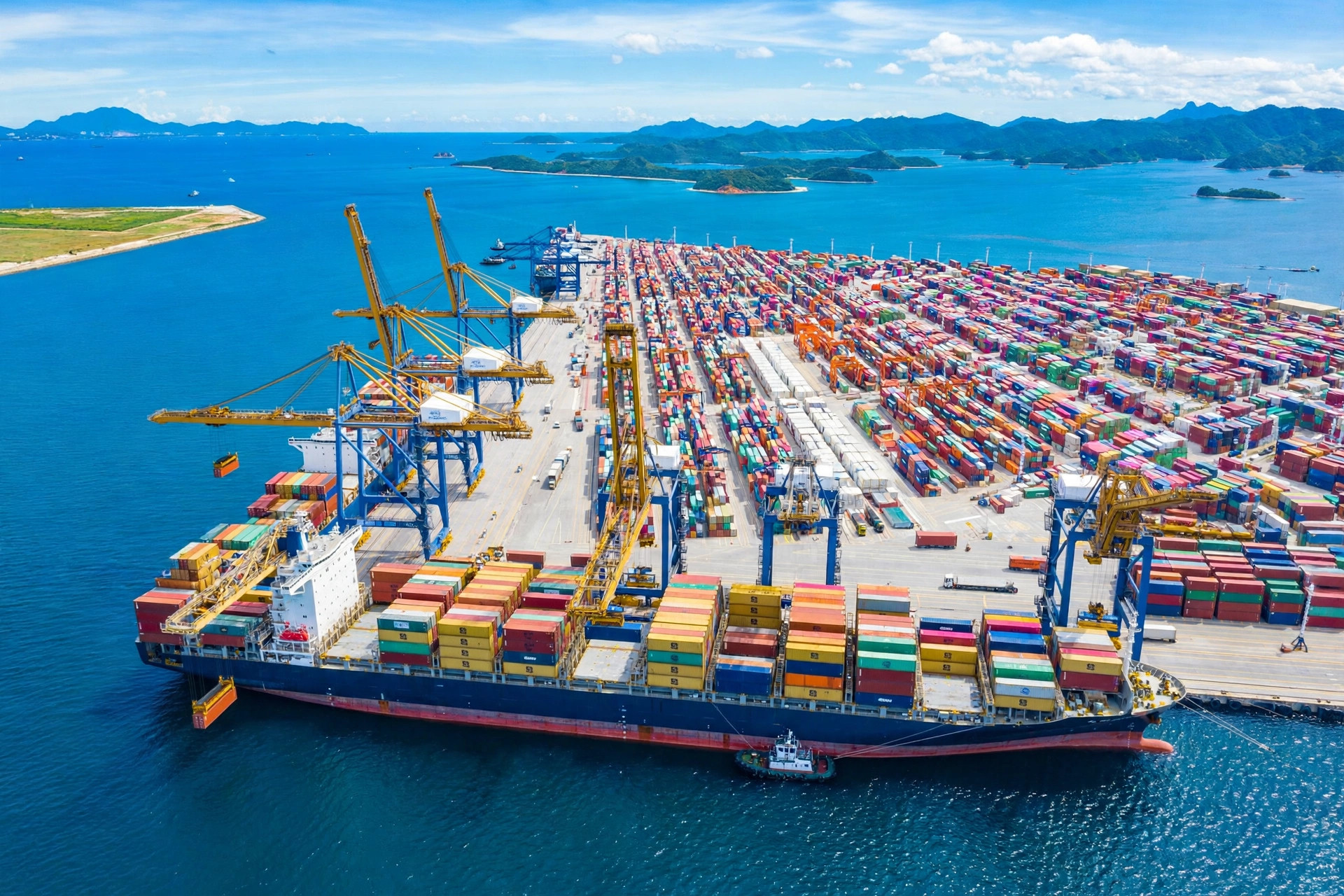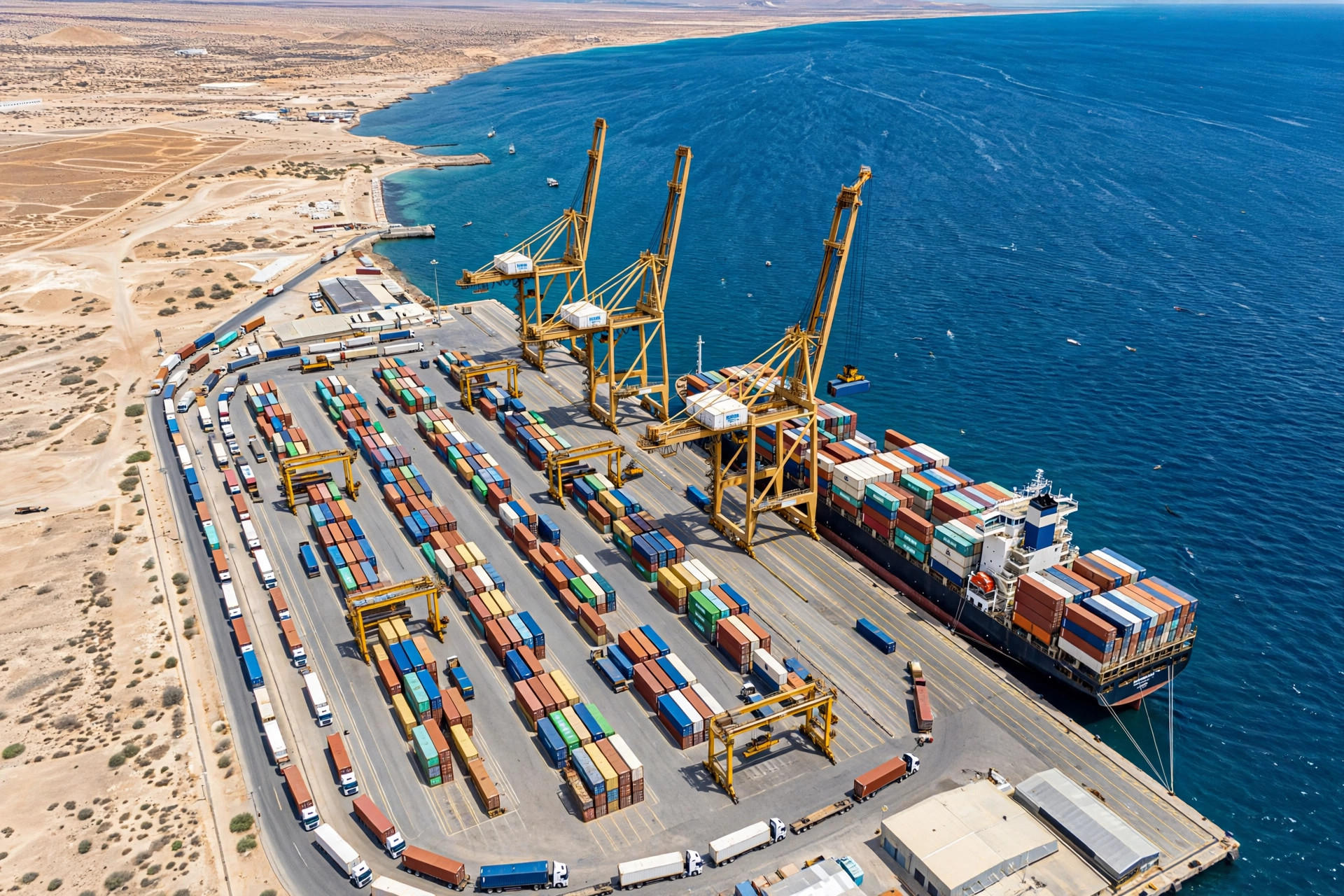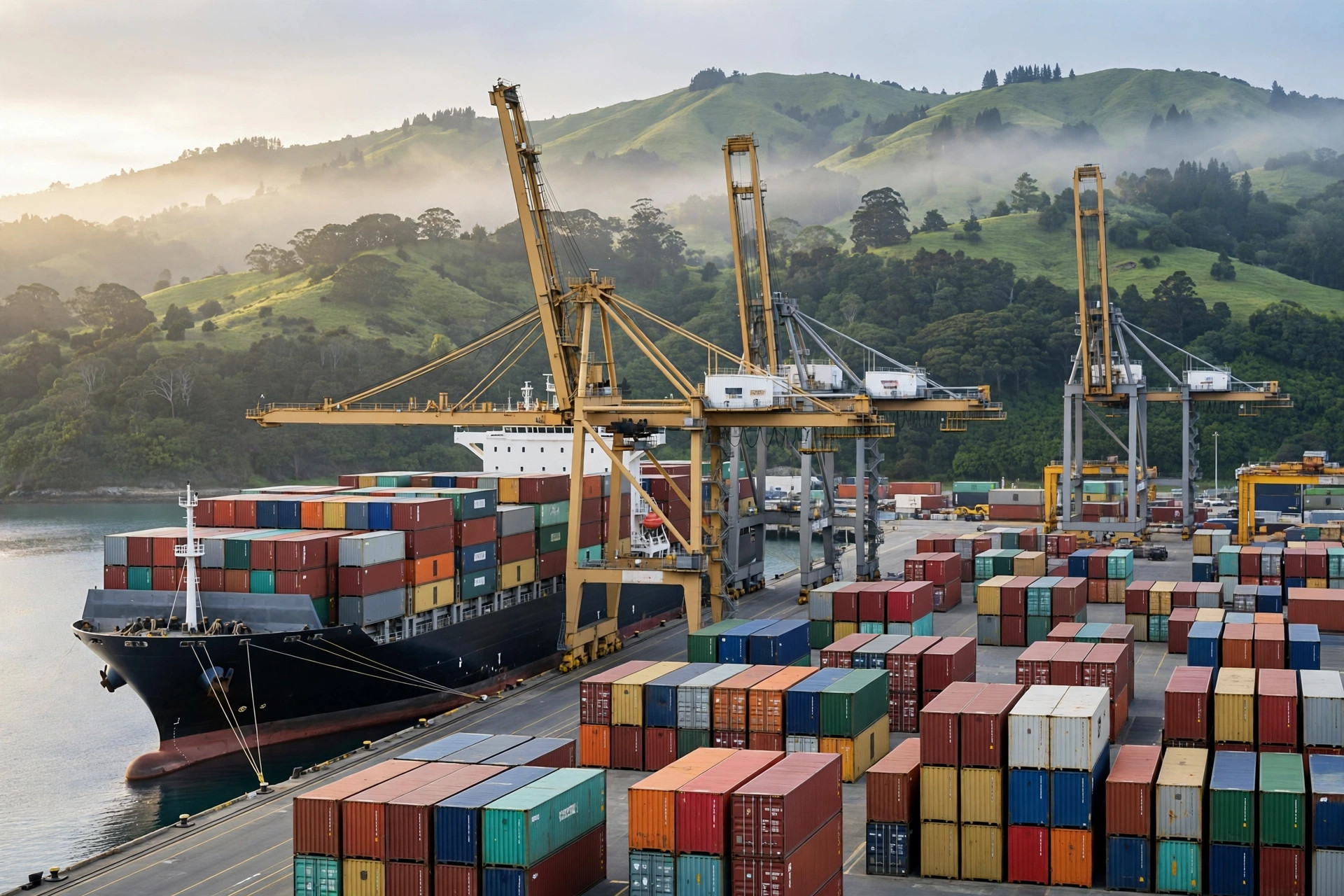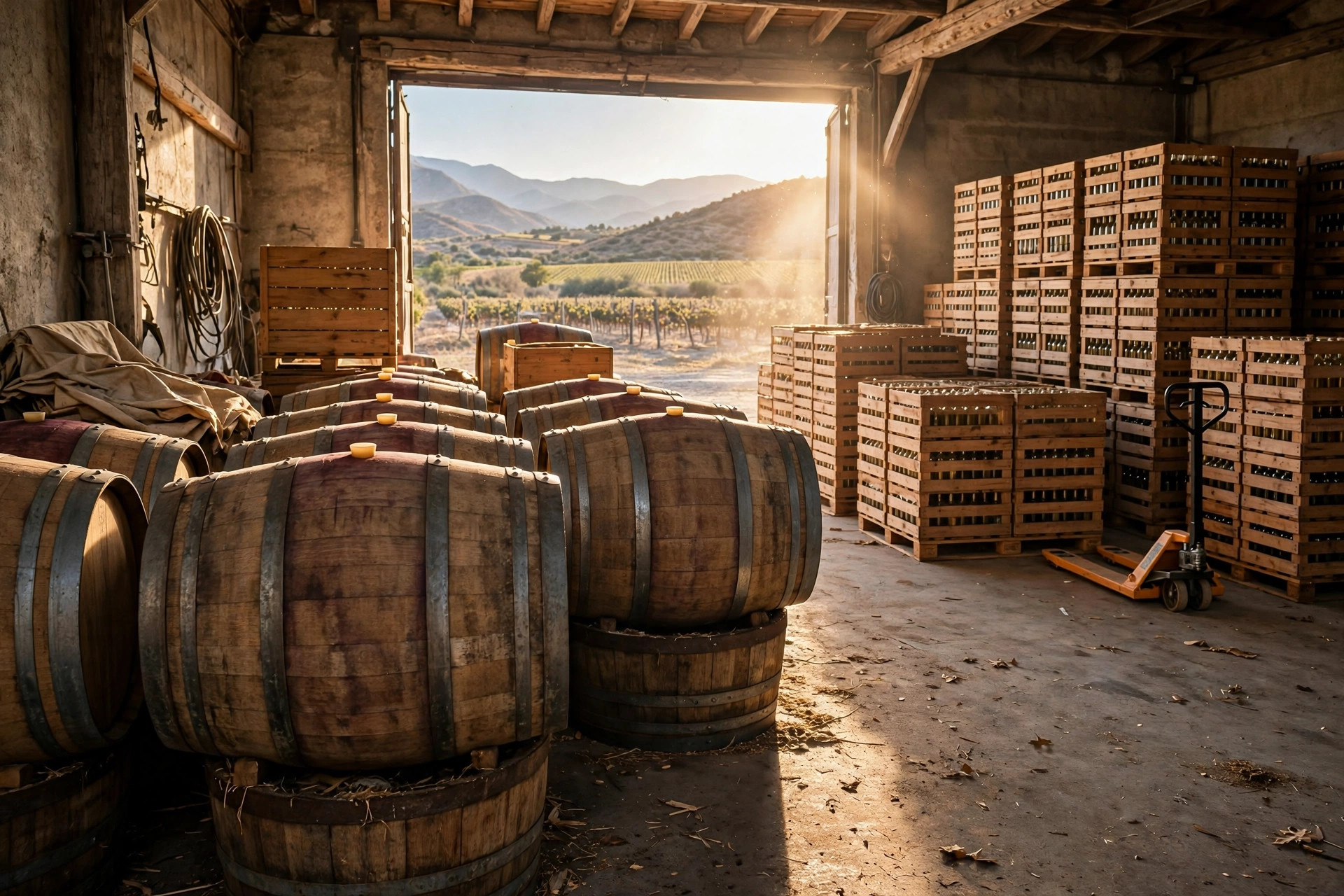
The phenomenon is easy to state and hard to manage well. Argentina wine export warehouse logistics runs on two parallel routes. One moves bottled wine: sorted, labelled, cased, palletised and containerised at the Mendoza winery warehouse, shipped through the port of Buenos Aires, and distributed almost immediately on arrival. The other moves bulk wine: loaded into a flexitank inside a container, shipped to the destination market, and bottled close to the point of sale. The liquid is the same. The cost structure, the risk points and the warehouse work are almost entirely different.
The data sets the shape of the story before any judgement is offered. According to the International Organisation of Vine and Wine's State of the World Wine Sector report, bottled wine still dominated Argentina's export structure in 2025, accounting for roughly 77% of export volume and about 92% of export value, with the United States the leading market by value and the United Kingdom the leading market by volume. Bulk wine, meanwhile, grew from about 46 million litres to about 52 million litres in 2024, an increase of roughly 13.6%. Read together, those figures support a restrained conclusion: bottled wine remains the value backbone, and bulk growth is a structural supplement rather than a replacement. Any narrative that presents bulk as the inevitable future direction is inconsistent with the data.
Attribution works on two levels. The first is product logic. Bottled wine carries its value in brand, label and origin story, so the place of bottling is part of the product itself, and moving bottling to the destination market changes consumer perception and channel pricing. Bulk wine carries its value in the liquid, so destination bottling can sit closer to distribution and reduce packaging and some freight costs, but it pushes quality control downstream to the destination market. The second level is logistics logic. Bottled shipments are high in value per container, heavy, and sensitive to breakage, so every link in the chain is paid to prevent damage, heat exposure and documentation error. Bulk shipments move a large liquid volume per container, save on packaging, and add coordination costs at destination: bottling capacity, quality inspection and inventory cover. Neither route is universally superior. Each fits a different market position.
Argentina Wine Export Warehouse Logistics: The First Leg from Mendoza to Port
The first leg, from the Mendoza winery warehouse to the port, is the most underestimated part of the chain. Warehouse work at origin looks like simple loading, but it already determines the economics of everything downstream. Bottled wine must be picked by destination market, labelled, cased, palletised and braced, and the stacking pattern determines both container utilisation and breakage rates. Bulk wine requires flexitank cleanliness, filling and sealing, and any lapse at origin is amplified at destination bottling.
In-warehouse storage itself is a short episode in this story, not the main act. Wine waiting at the winery warehouse is largely waiting for consolidation and a sailing window, not for long-term cellaring. What stretches the chain is inland transport to port and waiting at port: vehicle scheduling, cut-off times and sailing connections. A missed connection can leave a container in an uncontrolled environment for extra days, and in summer the heat on the inland route to Buenos Aires is a physical condition acting on corks, liquid and labels, not an abstract risk.
Bulk Versus Bottled in Argentina Wine Export Warehouse Logistics
Placed side by side, the two routes show their differences clearly. The bottled chain concentrates warehouse work at origin: picking, labelling, casing, palletising and container bracing all generate labour and packaging costs, but the destination market can distribute almost immediately. The bulk chain concentrates warehouse work at destination: bottling lines, packaging inventory, quality inspection and secondary distribution, so the apparent saving at origin is partly offset by coordination costs on arrival. Published logistics practice reflects the same division: dry containers with thermal blankets are commonly used for bottled wine, reefer containers for premium wines or routes with large temperature swings, and a flexitank inside a twenty-foot container can carry up to about 24,000 litres of bulk wine.
The temperature account deserves separate treatment, and it must be calculated per sailing, not per product in general. Reefer containers held at a constant range of roughly 10 to 20 degrees Celsius protect premium wine, but applying a reefer to every shipment would consume the margin of lower-priced wine. A dry container with a thermal blanket is a compromise: it dampens temperature fluctuation without creating a constant climate. The real decision variables are shipment value, the climate zones on the route, port dwell time, and the destination market's tolerance for claims. The higher the value, the hotter the route and the longer the dwell, the stronger the case for temperature control. For low-priced, high-volume wine, universal reefer use may cost more than the damage it prevents. There is no standard answer, only an account calculated per container.
| Dimension | Bottled route | Bulk route |
|---|---|---|
| Where value sits | Brand, label, origin story | The liquid itself, repriced at destination |
| Origin warehouse work | Picking, labelling, casing, palletising, bracing | Flexitank filling, sealing, documentation handover |
| Destination warehouse work | Devanning and distribution, close to immediate sale | Bottling, quality checks, packaging stock, redistribution |
| Main risks | Breakage, heat, label and document mismatch | Bottling quality, handover gaps, destination inventory build-up |
| Best fit | Premium-brand markets, fast channel response | Price-sensitive markets with bottling and distribution capacity |
Argentina Wine Export Warehouse Logistics at Destination: United States, United Kingdom and Spain
Destination differences are where this chain most often fails. The United States, the United Kingdom and Spain present three different compliance logics, but they share one feature: the cost of an error falls at the destination port and in distribution, not at the winery. The United States involves federal and state layers, with label approval and importer credentials as front-loaded steps rather than tasks that can be fixed after arrival. The United Kingdom, following its departure from the European Union, applies its own import and labelling rules, with importer information and origin statements requiring separate verification. Spain, as a European Union member state, requires labelling language, allergen information and origin statements to follow the EU framework, with exact wording to be confirmed against the destination authority's latest published policy. Any label copied from an earlier shipment without rechecking carries risk.
A deliberate restraint applies here: this article does not state a definitive duty rate or a single form number as settled fact. Argentine wine duties and regulatory details change with trade arrangements and destination policy, and a number that is correct at writing can mislead an exporter preparing the next shipment. The correct procedure is to build verification into the chain: the importer or destination agent confirms labels, documents and credentials before shipment, and warehouse planning reserves time for that review rather than compressing it into the night before cut-off. Much of the value of chain management lies precisely in that difference between finding a problem a week early and finding it at the destination port.
Three trend judgements follow. First, bottled wine remains the value backbone, and bulk growth should be read as a complement, so export warehouse capability should cover both routes rather than betting on one. Second, temperature control is shifting from a premium-only option to a routine per-container decision, and the decision point should move forward to booking, not backward to damage claims. Third, destination compliance costs are rising, and the ability to review labels and documents is becoming as competitively important as freight negotiation.
The open questions are left deliberately unresolved. If destination bottling capacity and quality inspection cannot keep pace, will the freight saved by bulk be consumed by destination inventory and rework? If premium markets continue to require origin bottling, how much further can breakage in the bottled chain be pressed down? The answers to those two questions will shape the next Argentina wine export chain more than any single year's export total.
By Dr. Chen, Supply Chain Researcher