Let me tell you something. After all these years on the road, the Chile run is the one I respect most. Chile mining logistics warehouse work starts with one fact: the copper sits up in the Andes at 3,100 meters, the port sits on the Pacific, and between them there are 170 kilometers of mountain road. Freight has to go up, spare parts have to go up, broken equipment has to come down, and copper concentrate has to come down. Every kilometer on that road is paid for in money.
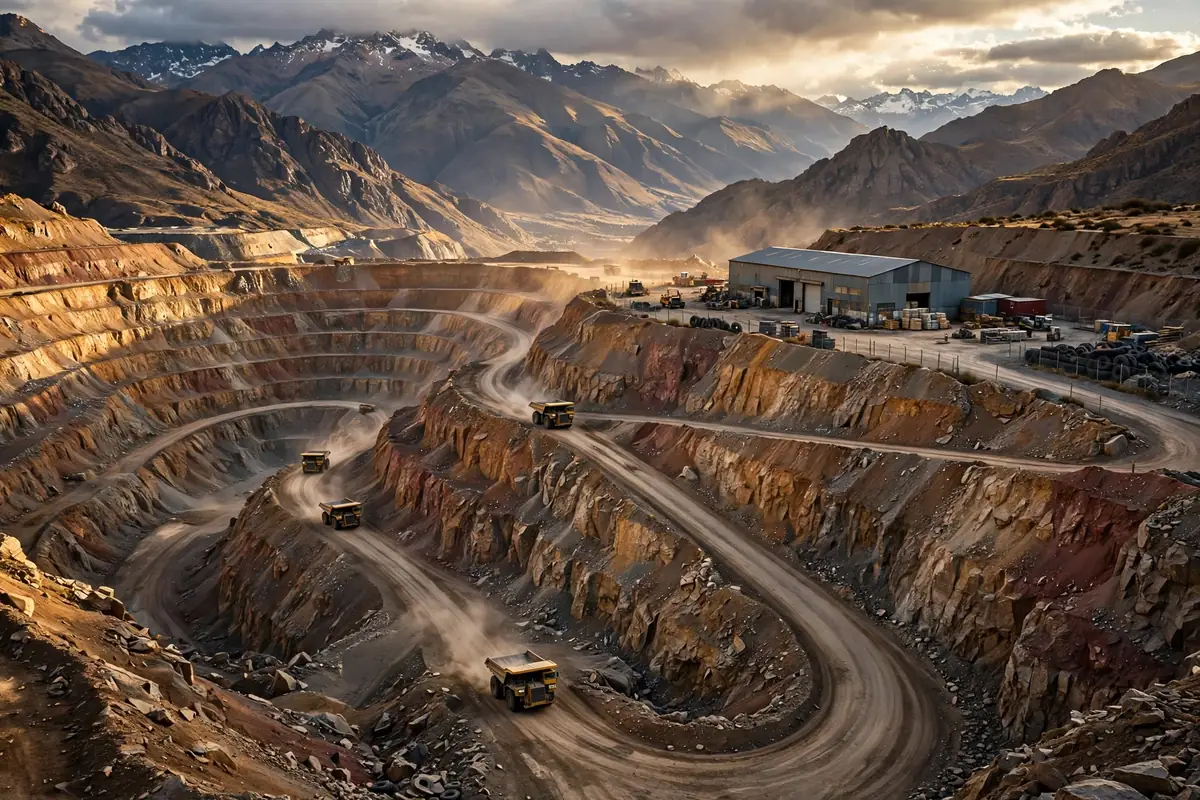
Here is a number to start with: Chile mined 5.3 million tonnes of copper in 2025, about 23% of world output, the largest producer on earth, according to the U.S. Geological Survey's 2026 summary. Roughly one tonne in every four comes out of Chile. The biggest mine is Escondida, the world's largest copper-producing mine, in production since 1990, sitting in the Atacama Desert about 170 kilometers southeast of Antofagasta at 3,100 meters above sea level. Concentrate travels down a slurry pipeline of about 167 kilometers to the port of Coloso, and cathode copper goes by rail to Antofagasta or Mejillones. When one mine ships that much copper, a broken spare-parts warehouse or a bad trucking plan does not stop one truck. It stops a whole supply chain.
Spare-Parts Warehousing Comes in Three Tiers: The Lifeline of Chile Mining Logistics
I have talked about spare parts with the mining people more than once, and their system works the same way we think about long-haul driving: the thing you cannot wait for stays closest. In Chile mining logistics warehouse planning, spare-parts warehousing runs in three tiers, and I buy into this split completely.
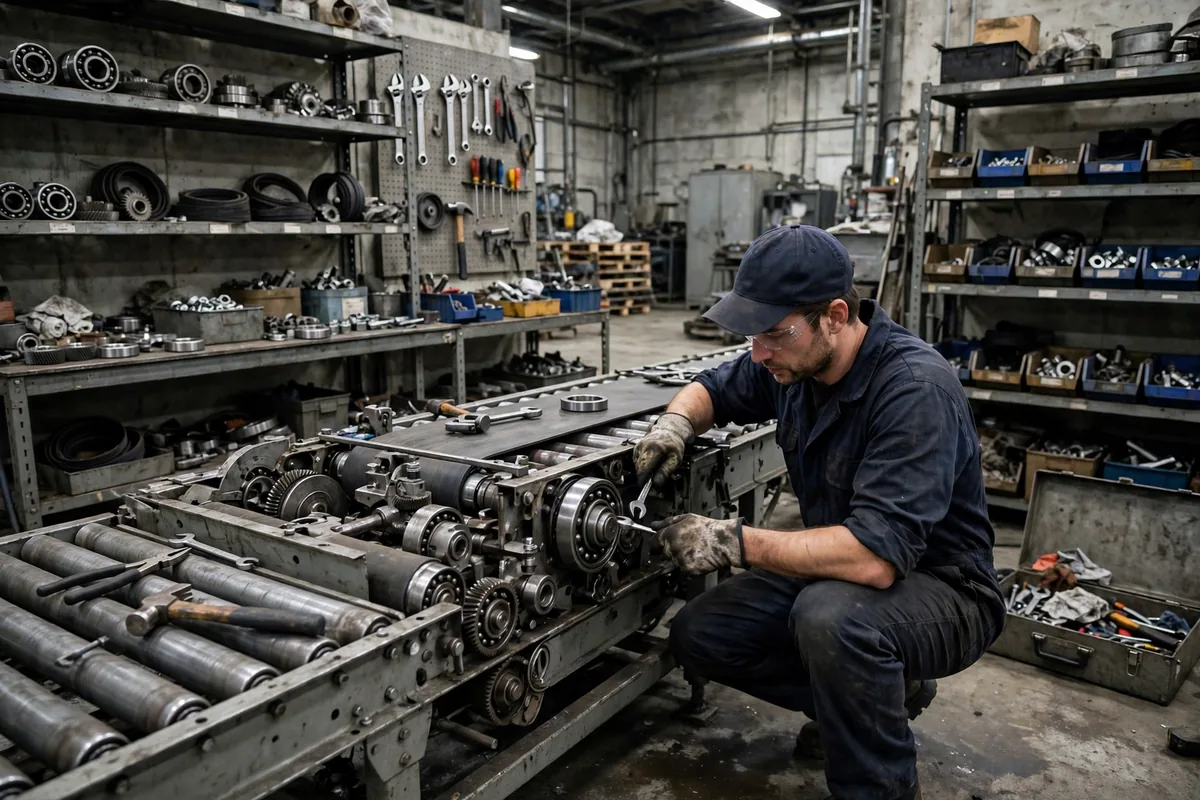
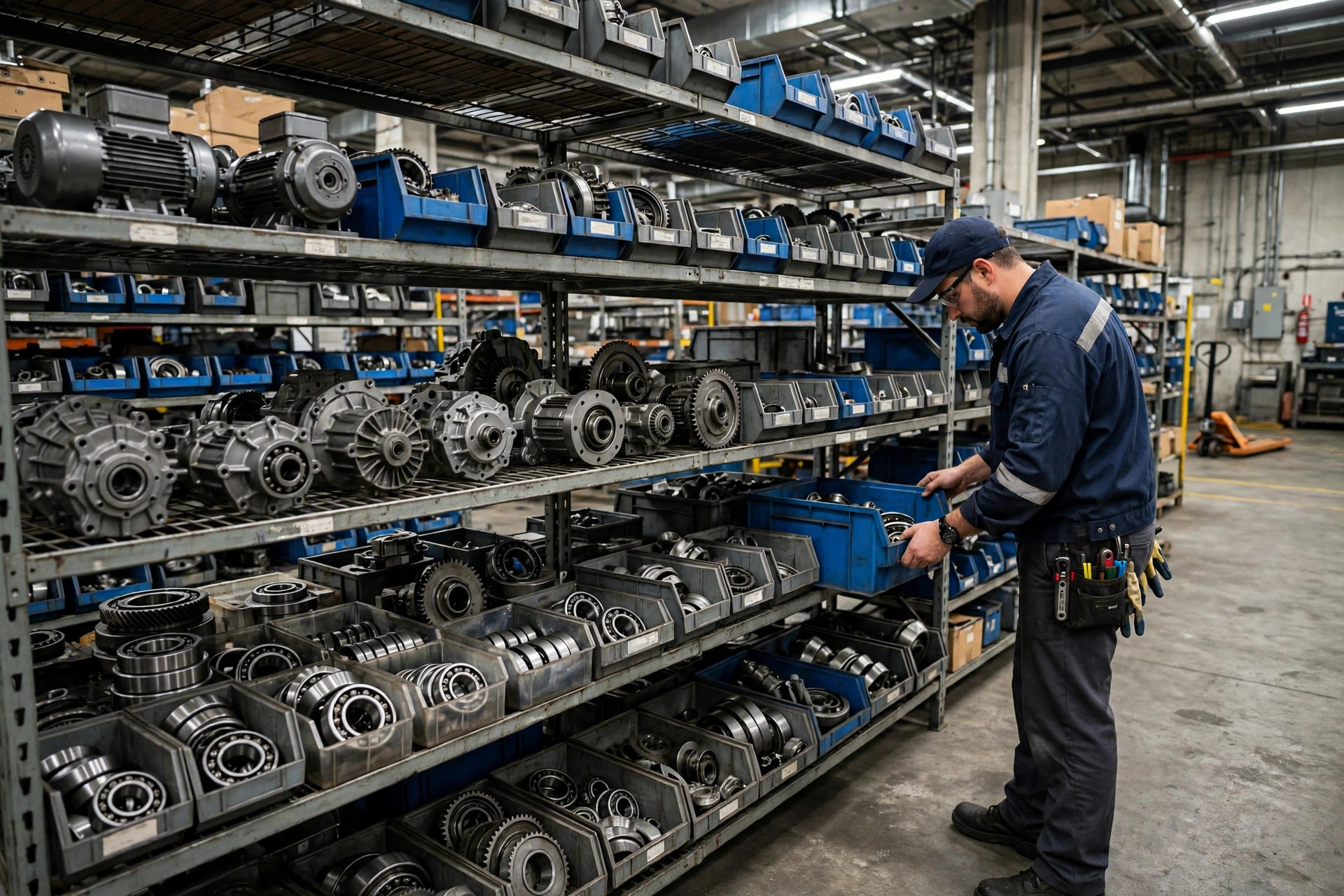
Tier one is the mine-site warehouse, right at the mine, holding the parts that stop production when they fail: grinding mill bearings, hydraulic cylinders, conveyor belt splices, wear parts for critical motors. These parts are not expensive, but without them the whole mine stops. The rule for the site warehouse is to stock critical parts only, never everything. Stock everything and you are sitting on dead inventory.
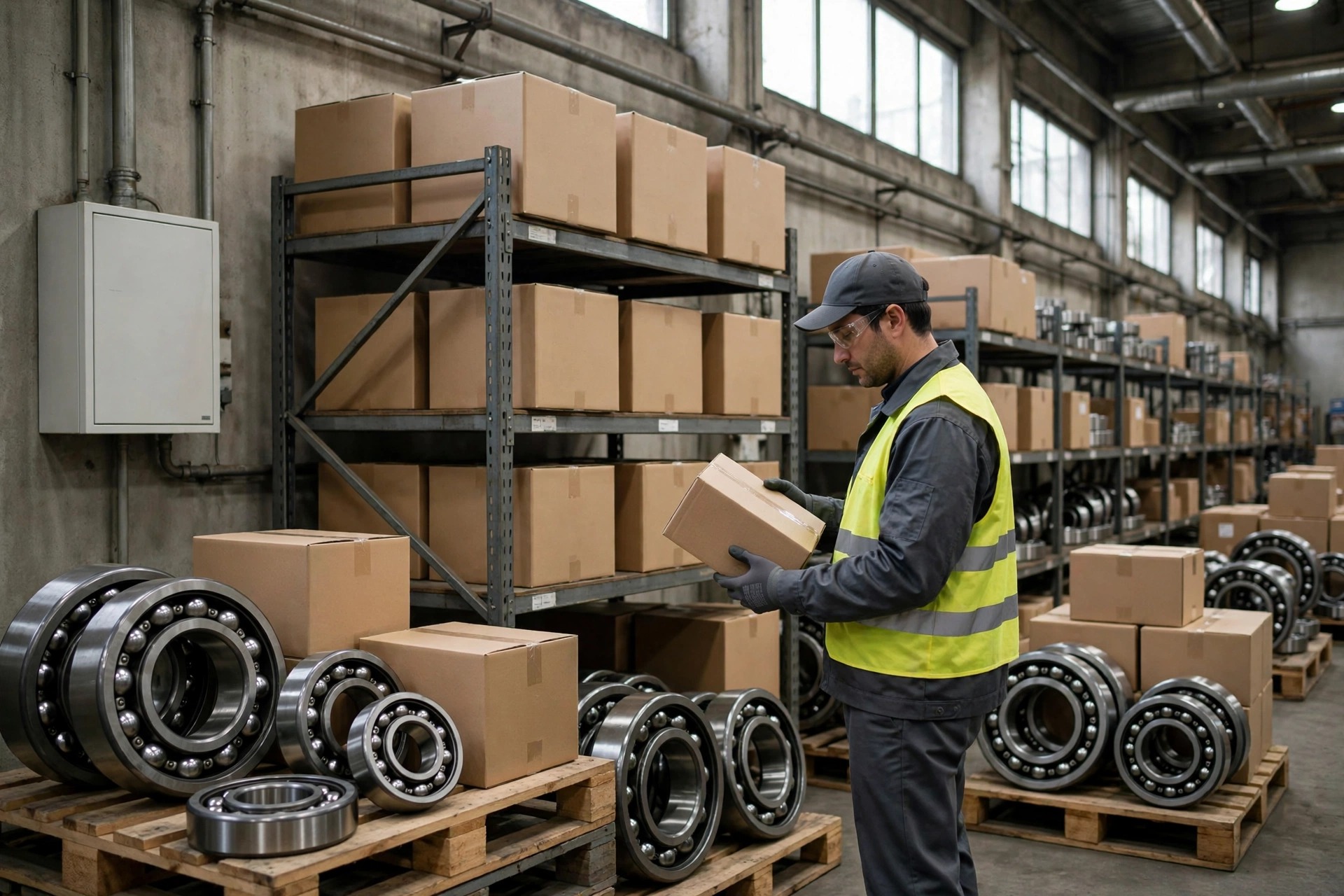
Tier two is the port warehouse, around Antofagasta, holding parts you need within three days to a week: pumps, valves, tires, filters. Ships unload into the port warehouse first, and heavy trucks carry loads up the mountain in batches. The port warehouse works because access is easy both ways: big pieces arriving by sea never have to climb the mountain first, and urgent pieces arriving by land have somewhere to land.
Tier three is the central warehouse in Santiago, holding the big, slow-moving pieces: whole motors, gearboxes, large structural parts. These get used once or twice a year. Keeping them at the mine wastes space, keeping them at the port wastes space, so they stay in Santiago and get dispatched to whichever mine needs them.
Let me work out a hypothetical example, because this is where the money really sits. Suppose a main grinding mill stops for one hour and the loss runs $50,000. Suppose flying a critical bearing in on an urgent air shipment costs $8,000. If that bearing arrives one day late, the loss is $1.2 million against $8,000 in freight. These are hypothetical numbers — every mine calculates downtime differently — but the direction is never wrong: in spare parts, downtime always costs more than freight. Plenty of people price spare parts by freight and inventory alone. That is the wrong ledger.
Heavy Trucking on the Mountain Road: 170 Kilometers, Half a Day, a Full Day's Work
Now the trucks. From the port of Antofagasta to the Escondida mine is about 170 kilometers. Sounds short. Drive it and it is another story. You climb from sea level to 3,100 meters, bends and grades the whole way, thin air, the engine losing power, brake pads running hot, and drivers fighting altitude sickness. The old hands on this road all say the same thing: going up is easy, coming down is hard. A heavy load on a downhill grade with brakes that were not managed right means pulling over halfway to let the brakes cool.
So this route is planned with care. First, vehicle checks happen at the port warehouse gate, not at the mine. A truck that breaks down at the bottom of the mountain is easy to fix; a truck that breaks down at the top is hard to even tow. Second, driver schedules leave room for altitude acclimatization. A new driver rides along for the first two trips and never drives alone, and the mine people are strict about it — site entry needs approval, and fatigue control is a hard rule. Third, oversized loads get a route survey in advance: bridge heights, bend radii, which stretches need road closures and escorts. All of it is walked before the truck rolls, never figured out on arrival.
There is a second corridor worth knowing. The central mines run differently. El Teniente is the world's largest underground copper mine, at about 2,300 meters, roughly 75 kilometers south of Santiago near Rancagua. Its spares and transport run on a separate line down to the port of San Antonio, the country's largest port. Chile stretches 4,270 kilometers from Arica to Punta Arenas, with mines at both ends of the country, so spare-parts warehouses and trucking routes have to follow the mines. One plan does not cover the whole country.
The Counterintuitive Part: Bigger Mining Spare-Parts Warehouses Are Not Better
A lot of people think a mining spare-parts warehouse is safer the bigger it is. Let me tell you, it is not. The biggest trap in spare-parts warehousing is not stocking too little. It is stocking the wrong things. I have heard more than one story about a warehouse full of parts nobody uses while a critical seal is out of stock. The mining people told me about a cleanout once: the dead stock they pulled out filled several truckloads, and in that very same month a seal on a critical machine failed and they waited two weeks for a replacement.
So the rule for running a spare-parts warehouse comes down to one sentence: stock by downtime risk, not by purchasing convenience. A critical part stays in the site warehouse even if it is expensive and gets used once a year. A common part can sit in the port warehouse, or even back in Santiago, even if it is cheap and gets used every day. Get that calculation right and the warehouse gets smaller while stockouts get rarer.
Here is an old saying to leave you with: in mining logistics, the winner is not the one with the most trucks or the biggest warehouse. It is the one whose numbers add up. From the Andes copper mines to the port, 170 kilometers of mountain road, three tiers of spare-parts warehousing, two transport corridors — get the numbers right and the trucks run smooth. If you have a mining client in Chile, ask them three questions: are the critical parts actually in the site warehouse? How many days a week do trucks run from the port warehouse to the mine? Has the route survey been done for oversized loads into the mine? If they cannot answer those three, the numbers have not been worked out yet.
By Shifu Zhao, Trucking Veteran (15 yrs)