Let me tell you something. After all these years on the road, Chile import customs clearance is the job I dread most — not traffic, not a bad road, but freight sitting at the port that customs will not release. In the summer of 2025, a shipment of small home appliances came in from Shenzhen, around twenty containers, and docked at San Antonio. The ship had been alongside for three days and the release paperwork still would not come down. The consignee's warehouse outside Santiago was waiting to put the goods on shelves, pre-orders were already live on the marketplace, slots were standing empty, and the forklift drivers kept asking me: Shifu, when is the freight actually getting here? I told them I had no idea — it depended on one piece of paper from customs. That shipment ended up waiting six extra days for inspection and supplementary documents, and the storage and demurrage bill alone would have paid for half another container.
Chile import customs clearance is not hard because the process is long. It is hard because every step has a trap you only learn about by falling into it. Here is the whole run, start to finish, with the numbers checked against published practice guides — and where I could not verify something, I will say so plainly.
Chile Import Customs Clearance: Get the Tax Math Right First
The first math in Chile import customs clearance is duty plus VAT, and the formula is simple, but plenty of people still get it wrong. Chile's general import duty is 6% of the CIF value, and VAT is 19% — but the VAT base is not the CIF value. It is the CIF value plus the duty. Here is a hypothetical worked example, with numbers invented only to show the arithmetic: a shipment with a CIF value of US$10,000 pays 6% duty, which is US$600, and VAT at 19% on US$10,600, which is US$2,014 — US$2,614 in total. If you take 19% straight off the US$10,000, you come up US$114 short, and the broker is not going to cover that for you.
Two rules can save you money. First, Chile has signed more than 30 trade agreements, and goods that meet the rules of origin can see that 6% duty drop to zero — VAT still applies. Get the certificate of origin sorted before the goods ship. Trying to fix it after the freight is already at the port is how you end up stuck at inspection. Second, since 25 October 2025, imports up to US$500 are exempt from the 6% duty, though the 19% VAT still applies. That helps small cross-border parcels. For a full container it means nothing, so do not build your budget around it.
On the brokerage side, Chile draws a hard line: according to several practice guides, shipments with an FOB value above US$1,000 generally must be declared by a licensed customs broker, who files the import declaration — the DIN, Declaración de Ingreso — with the National Customs Service. The DIN records the HS code, the customs value, the origin, and the duty and VAT due, and the broker files it electronically. It can be filed before the cargo arrives — anticipated clearance — and I say file early whenever you can. A shipment with a DIN filed early clears far faster than one filed after the ship docks. One caution: published guides do not fully agree on the exact threshold, so confirm the current figure on the Chilean customs authority's official site before you ship.
Chile Import Customs After Release: Three Places the Road Bites Between San Antonio and the Warehouse
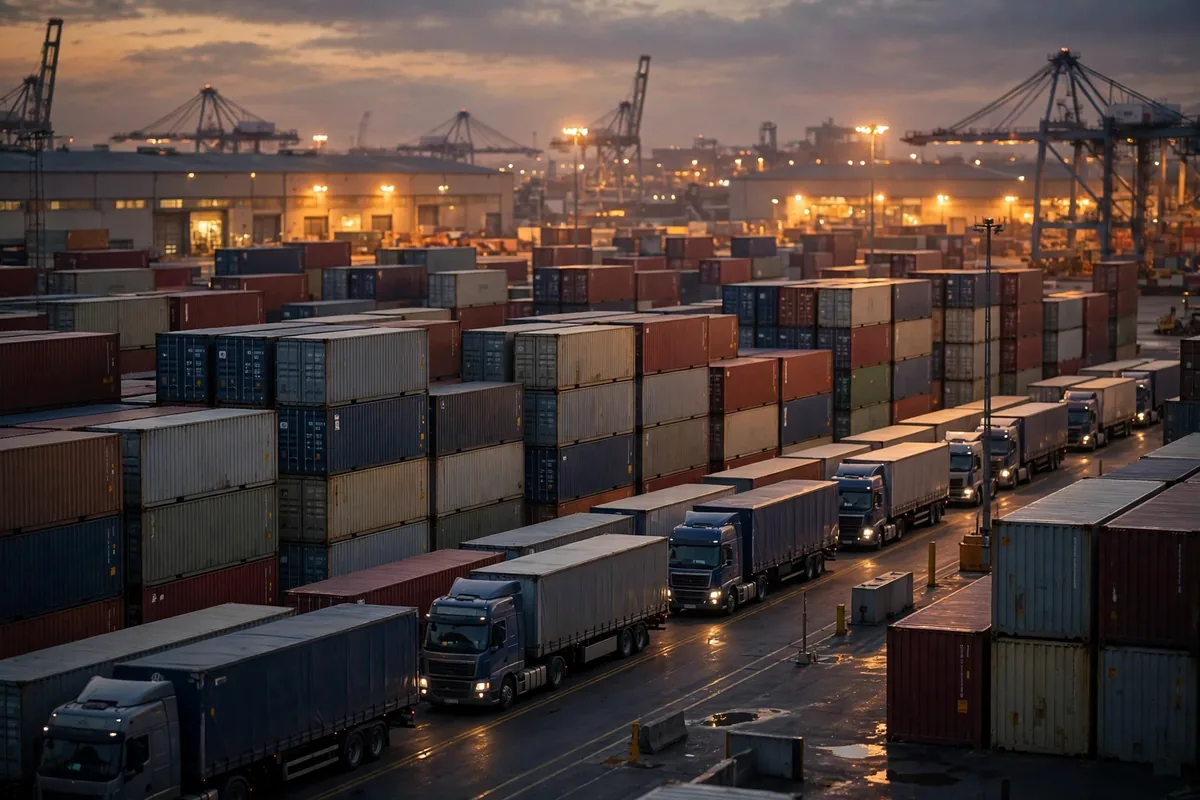
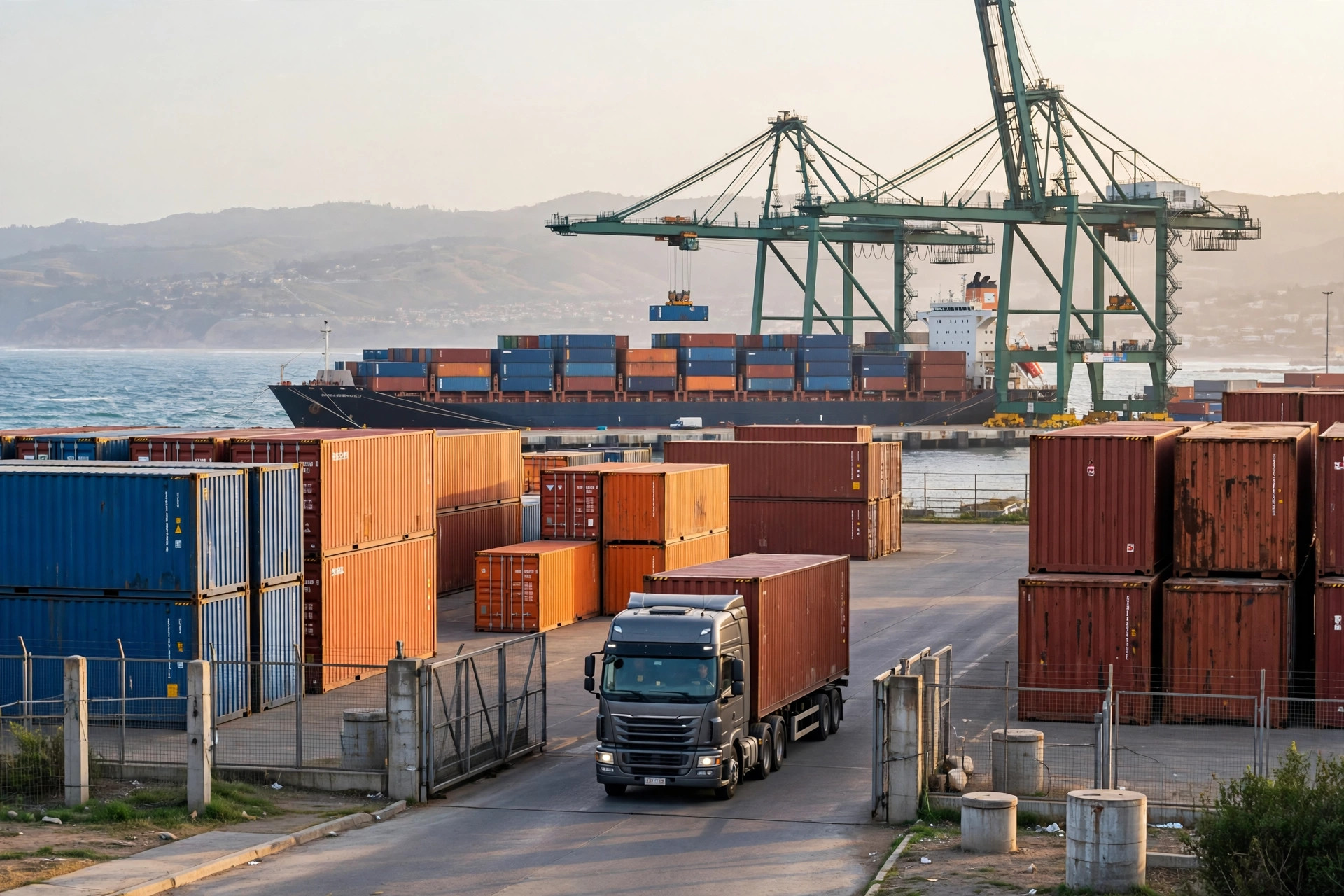
The Port of San Antonio is Chile's largest container port, about 100 km west of Santiago, and most imports bound for central Chile come through it. In 2025 the port handled just over 2 million TEU, the first Chilean port ever to break the 2-million mark. A big port means big rules, and on the pickup run there are three places that bite hardest.
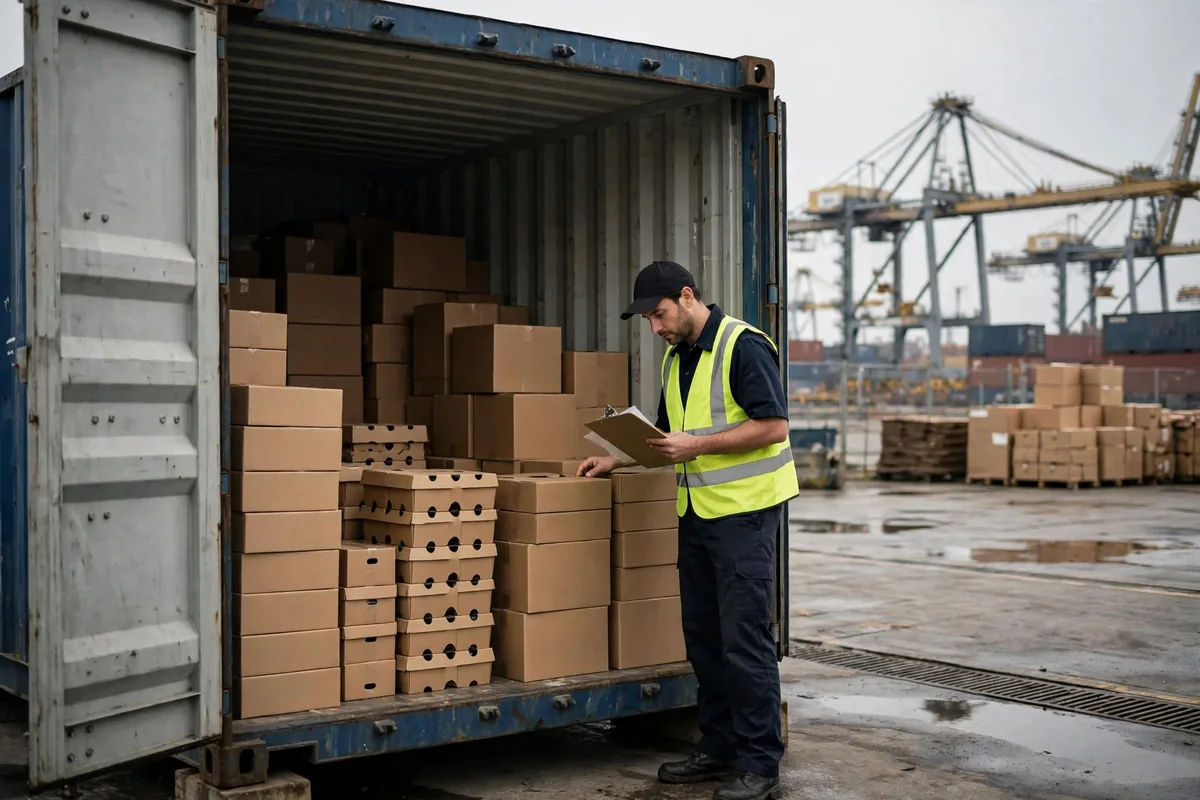
The first is incomplete documents. Bill of lading, commercial invoice, packing list, insurance certificate, sworn price declaration, the mandate to your broker — miss one and the DIN cannot even be filed. Food, plants, pharmaceuticals, and electrical goods need separate permits on top of that: agriculture, fisheries, and health authorities each run their own desk, and if a permit is not ready, the freight waits in the port. I once ran a load of small appliances where the electrical permit came four days late. Four extra days in the port, demurrage climbing every day, and the consignee's face getting greener by the hour.
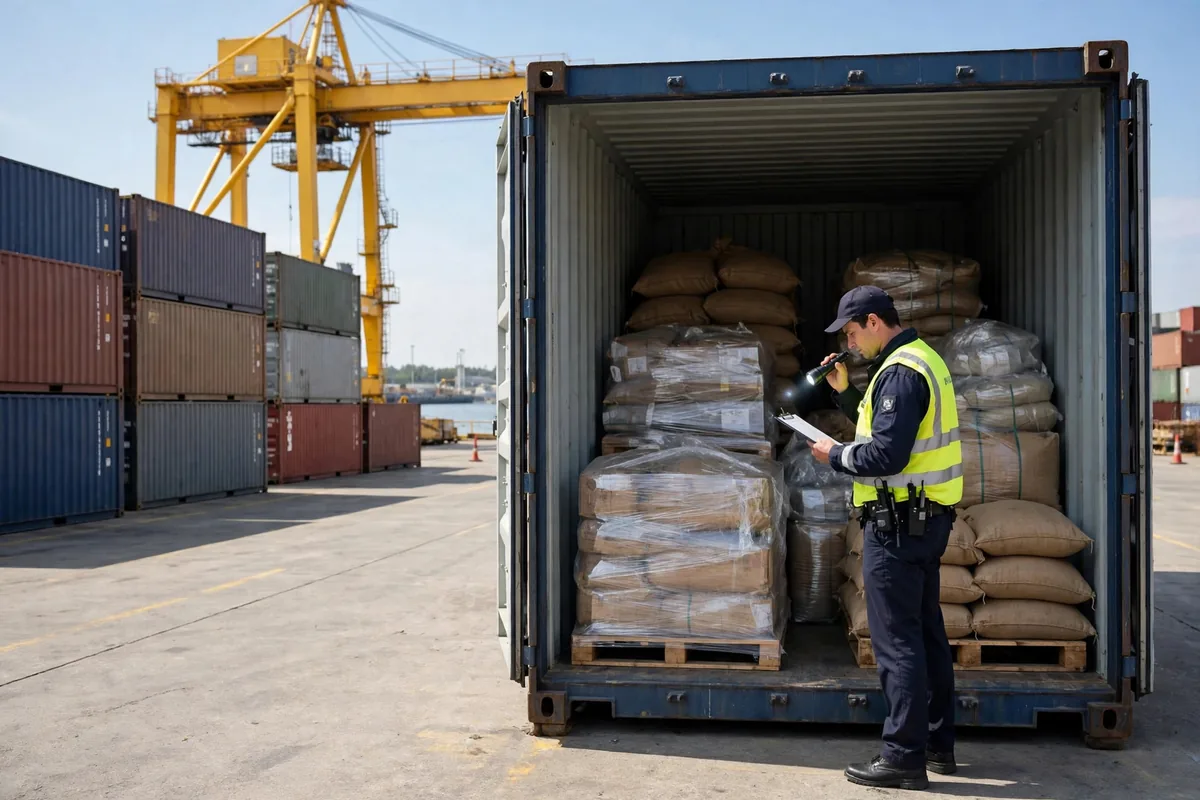
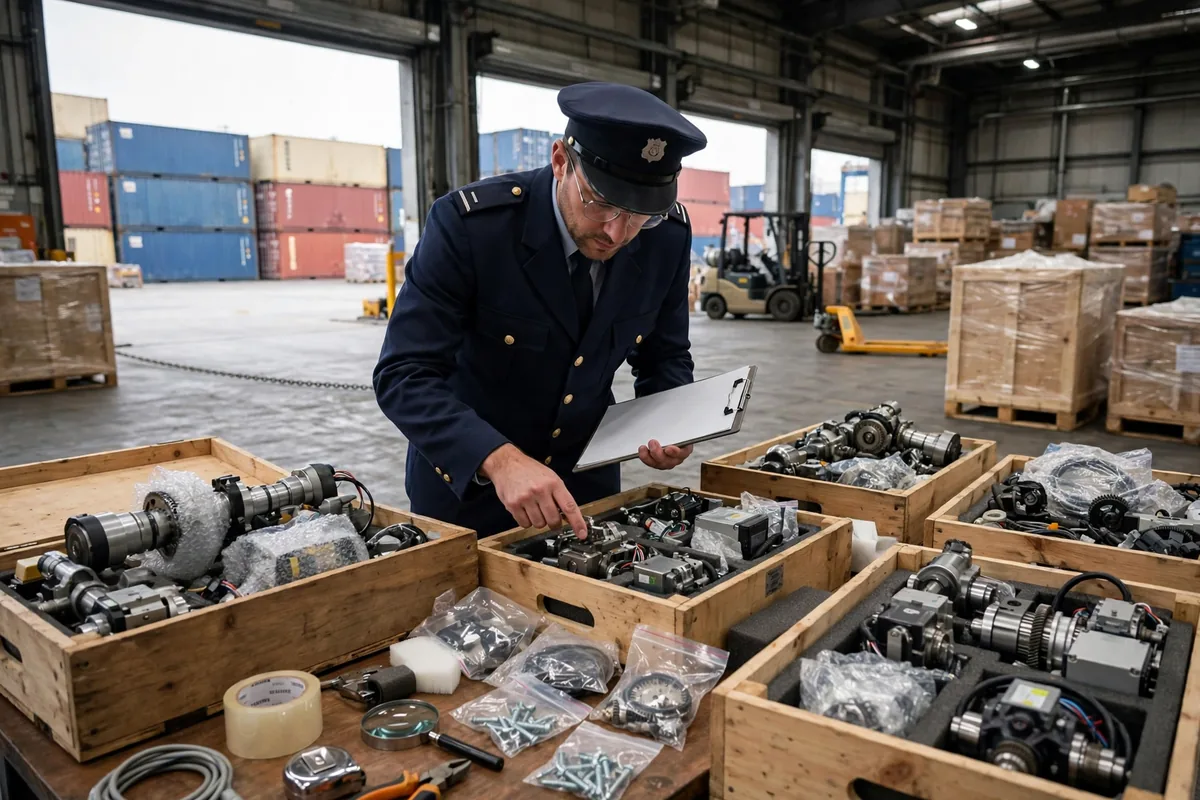
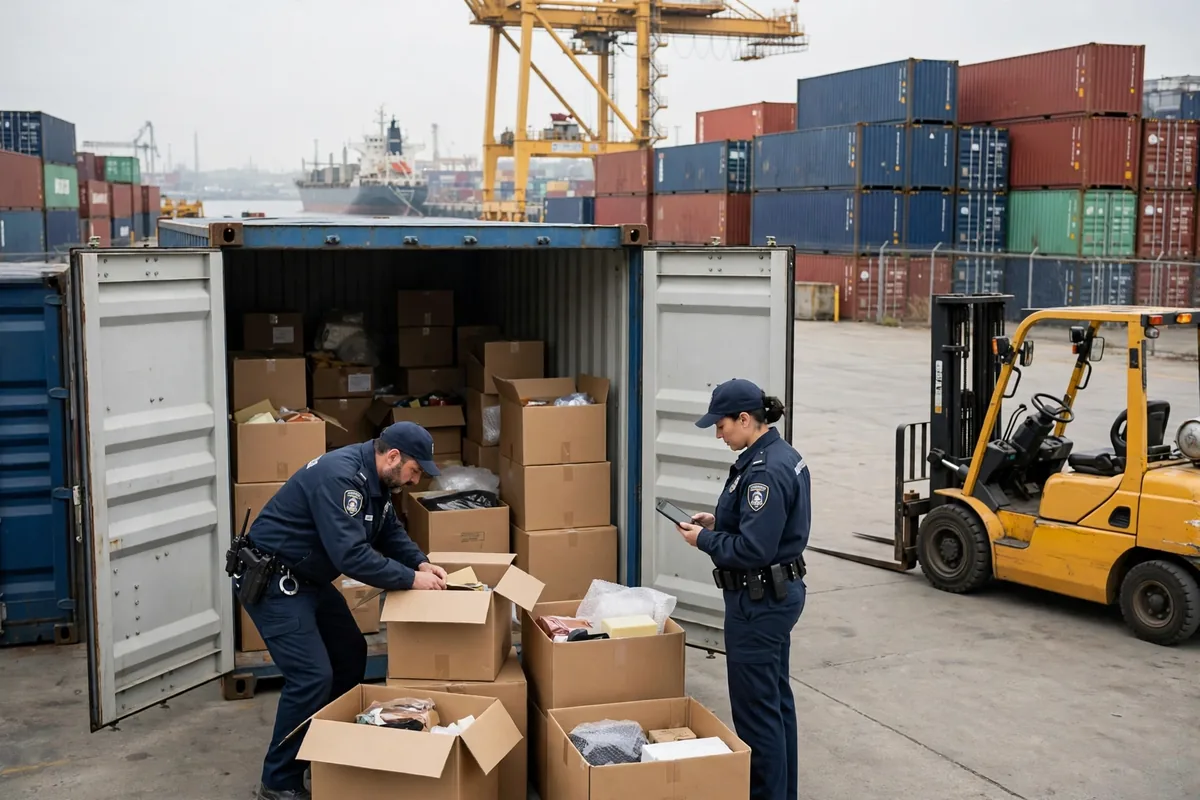
The second is inspection. Customs selects shipments for documentary review or physical examination. Documentary means they check your DIN against your paperwork; physical means they open the box and look. Once you are picked for a physical exam, the clock is out of your hands — queue, open, photograph, reseal, and that can take two days or a full week. Let me tell you, there is no trick to inspection, only one rule: keep your documents clean. Do not guess at HS codes, do not play games with declared values. If the goods and the paperwork do not match, customs spots it at a glance, and your odds of getting picked double.
The third is the port-to-warehouse leg. San Antonio to a Santiago warehouse is about 100 km, and on a good day the truck makes it in a little over two hours — but in peak season, trucks queue outside the port for half a day just to pick up. My way of doing it: book the unloading slot with the warehouse the day before pickup, so the truck unloads the moment it arrives instead of queuing at the warehouse gate. And check the release papers, the pickup order, and the driver's documents before you leave the port area. Discovering a missing paper at the gate means turning around, and that round trip costs you half a day.
Chile Customs Inspection: Match Paper to Freight, One Sheet at a Time
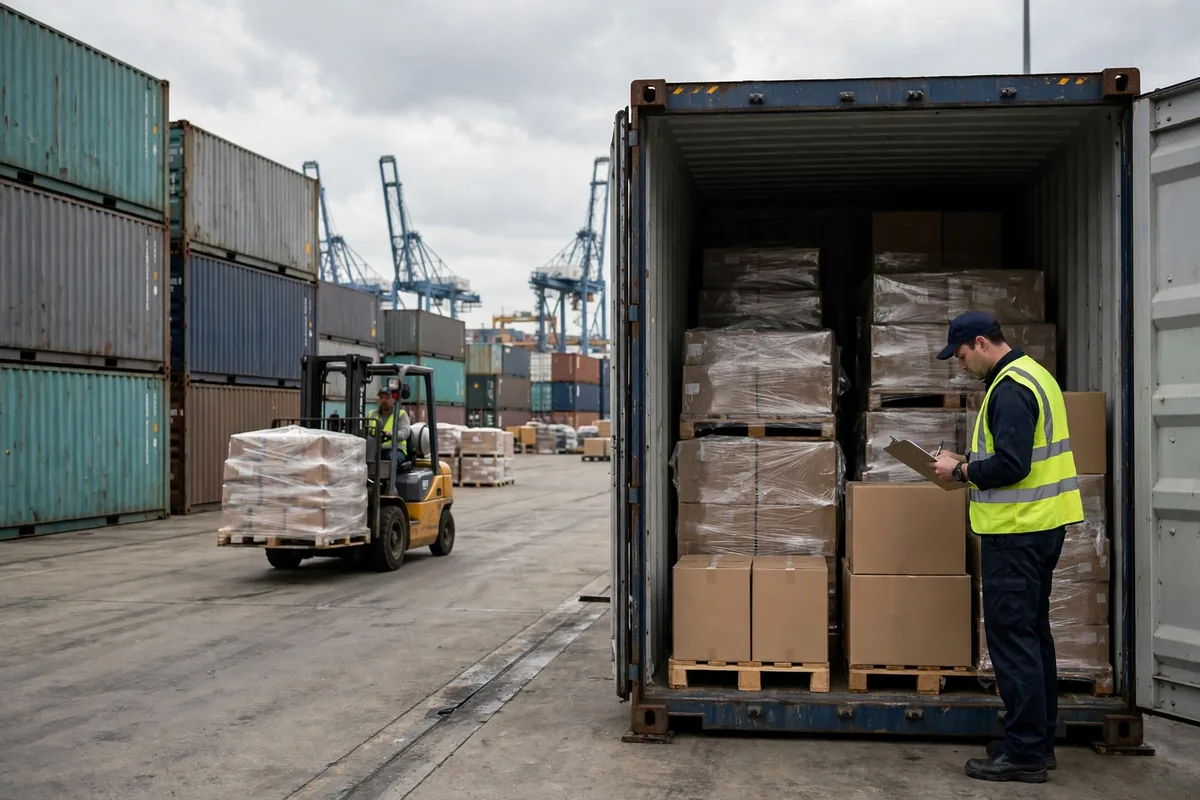
Here is another run I remember well. Early in 2025, a Chinese seller of outdoor gear was shipping to Chile for the first time — six containers of tents and camping lights. The DIN was filed in advance, the documents were complete, and the shipment was released the day after the vessel berthed. The trucks had the freight in a Santiago warehouse that same afternoon. Why did that one go smoothly? The seller had the certificate of origin and the electrical permits sorted a month ahead, the broker had verified every HS code one by one, and the declared value matched the invoice to the cent. Customs cleared the documents in about ten minutes and never even opened a box. Same first-timer, same country as the appliance shipment — one sailed through, the other sat for days. The difference was entirely in whether the paperwork was clean before the ship sailed.
Here is the part most people get backwards: they assume slow clearance means slow customs. Eight times out of ten, it is the shipper's own paperwork that is the problem. Customs reviews documents fast. What is slow is fixing documents, waiting on permits, and queuing for inspection. Keep your papers clean and your odds of being picked drop; even if you are picked, an open box that matches the paperwork exactly gets released fast. That is how this trade works: the more straight you play it, the faster customs moves.
Before I finish, here is the checklist I give everyone. Before shipping: certificate of origin, product permits, HS codes, declared value — all four locked down. While the vessel is at sea: broker files the DIN early, taxes calculated in advance, money set aside, because customs releases nothing until duty and VAT are paid. When the vessel berths: watch for the inspection notice, and if you are picked, cooperate — pushing does not help. At pickup: check every document before leaving the port, and keep the warehouse unloading slot you booked. At putaway: count against the packing list item by item, and report any shortage the same day — never after the goods are already on the shelves.
There is an old saying in this line of work: haste makes waste, and it fits Chile perfectly. The slow part of this lane is always the paperwork. Do the homework up front, and the rest of the run goes smooth.
By Shifu Zhao, Trucking Veteran (15 yrs)