Let me start with the conclusion: in Chile copper export warehouse logistics, the money isn't lost in any single step. It's lost in the handoffs. The mines sit only a little over a hundred kilometers inland from the ports, but concentrate has to pass through the concentrator, the mine stockyard, trucks or rail, the port warehouse, and finally the ship. Miss one handoff and a vessel waits days, and demurrage eats whatever you saved on freight. I've seen too many people negotiate hard on the ocean rate, only to find out later that the real cost was the days their cargo sat in a port warehouse.
Start with the scale. The U.S. Geological Survey's 2026 estimates put Chile's 2025 mined copper output at about 5.3 million tonnes — roughly 23% of a world total of about 23 million tonnes — keeping Chile the world's largest copper producer by a wide margin. Roughly one tonne in four of the world's mined copper comes out of Chile. That volume can't ride on one or two ports. The whole warehousing and transport chain around Antofagasta runs tight, and it has to.
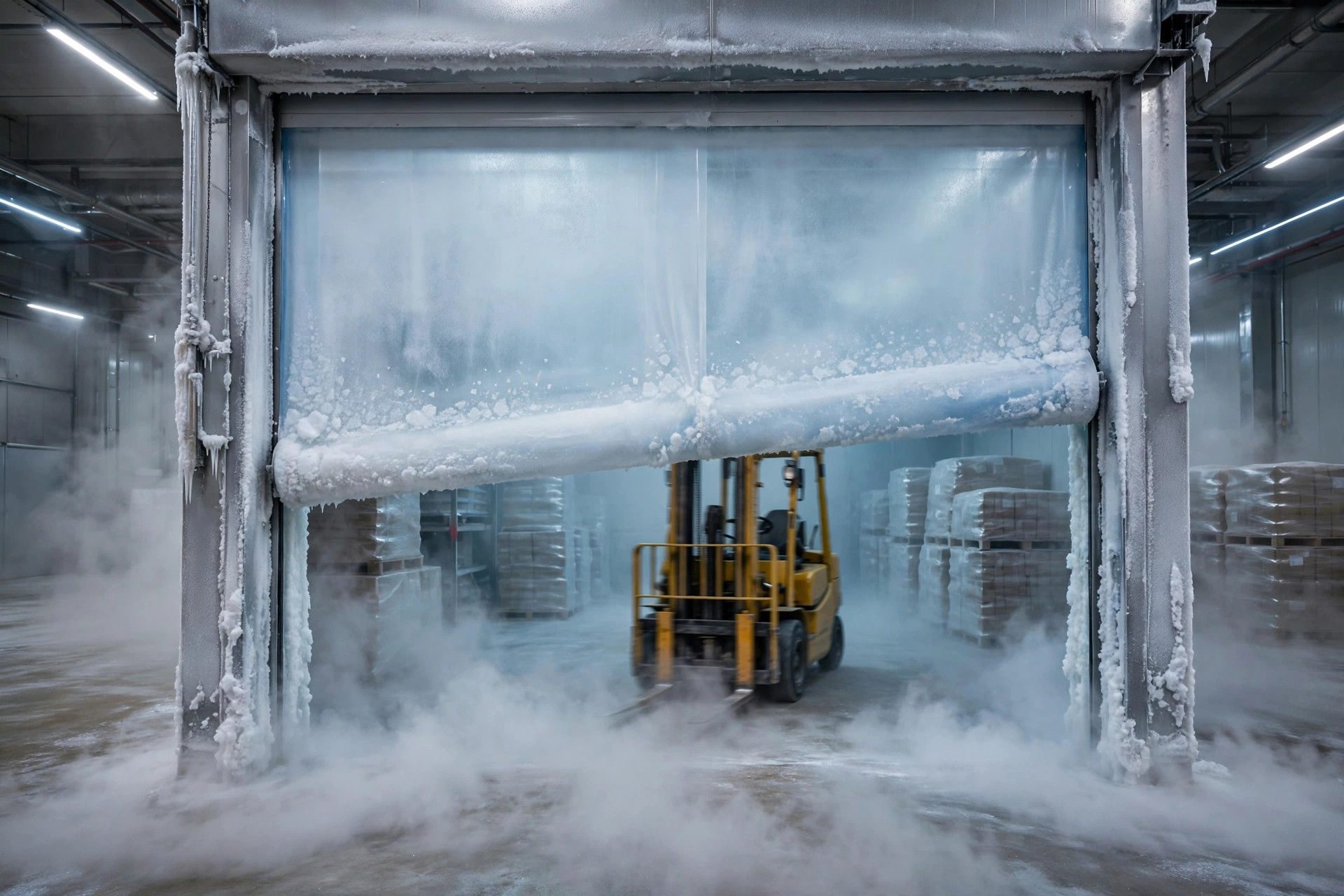
I first worked through this chain properly while helping a friend in the concentrate trade. His cargo left the mine, had to build up to a full shipload in a stockyard, then travel by rail or truck to a port warehouse, and wait there for the vessel. His most frequent question was: can we cut out one warehousing step and save the money? Put plainly, the warehousing money you cut usually comes back as demurrage and material loss. Look at it from both sides. Warehousing is a cost, but it's also the buffer. A chain with no buffer looks cheap until it breaks once — and then it's ruinously expensive.
From Mine to Port, Concentrate Passes Through Three Warehouse Gates
The first gate is at the mine. Escondida, the world's largest copper mine, sits about 170 kilometers inland from the city of Antofagasta, and its concentrate moves by pipeline to Coloso Port. A pipeline looks expensive to build, but once it runs, it's steady, with low losses and no competition with trucks for road space. Not every mine has that option. Smaller mines mostly rely on trucks plus rail: concentrate is loaded at the mine into bags or bulk trucks, hauled to a rail yard, and transferred to trains for the run down to the coast. Every transfer is one more chance for loss and one more wait.
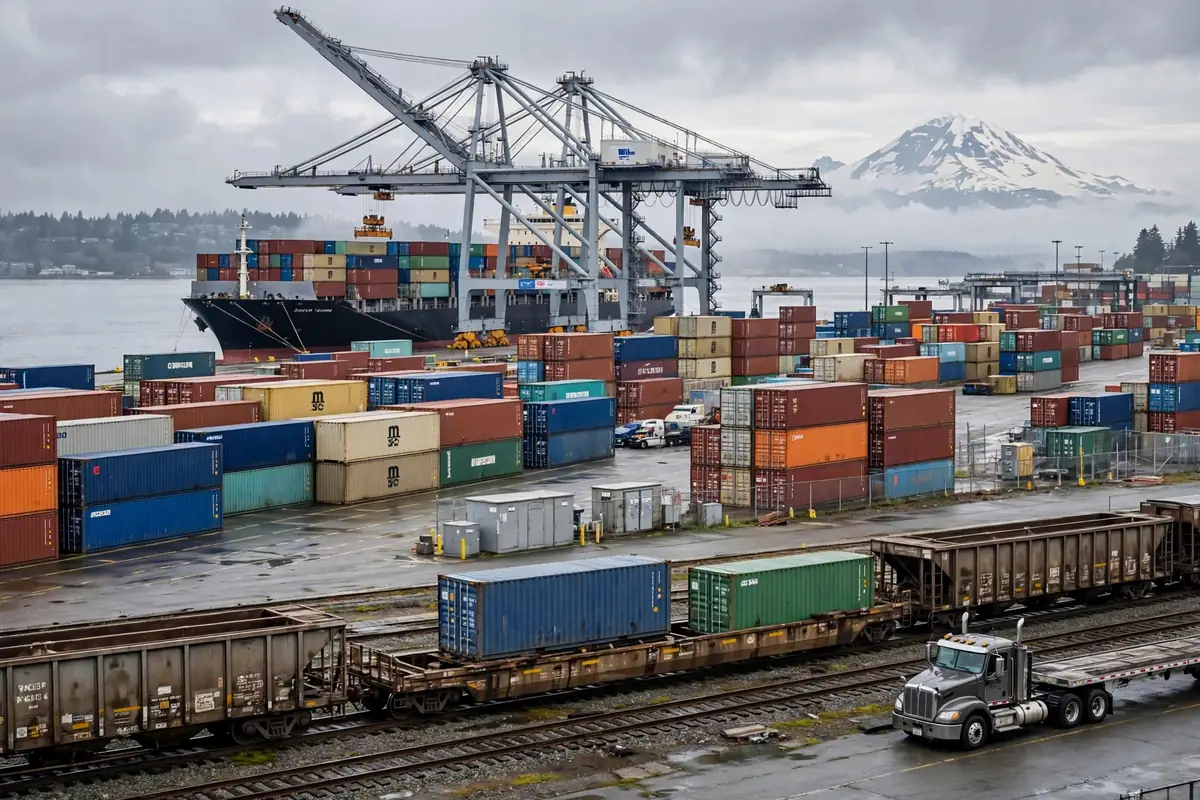
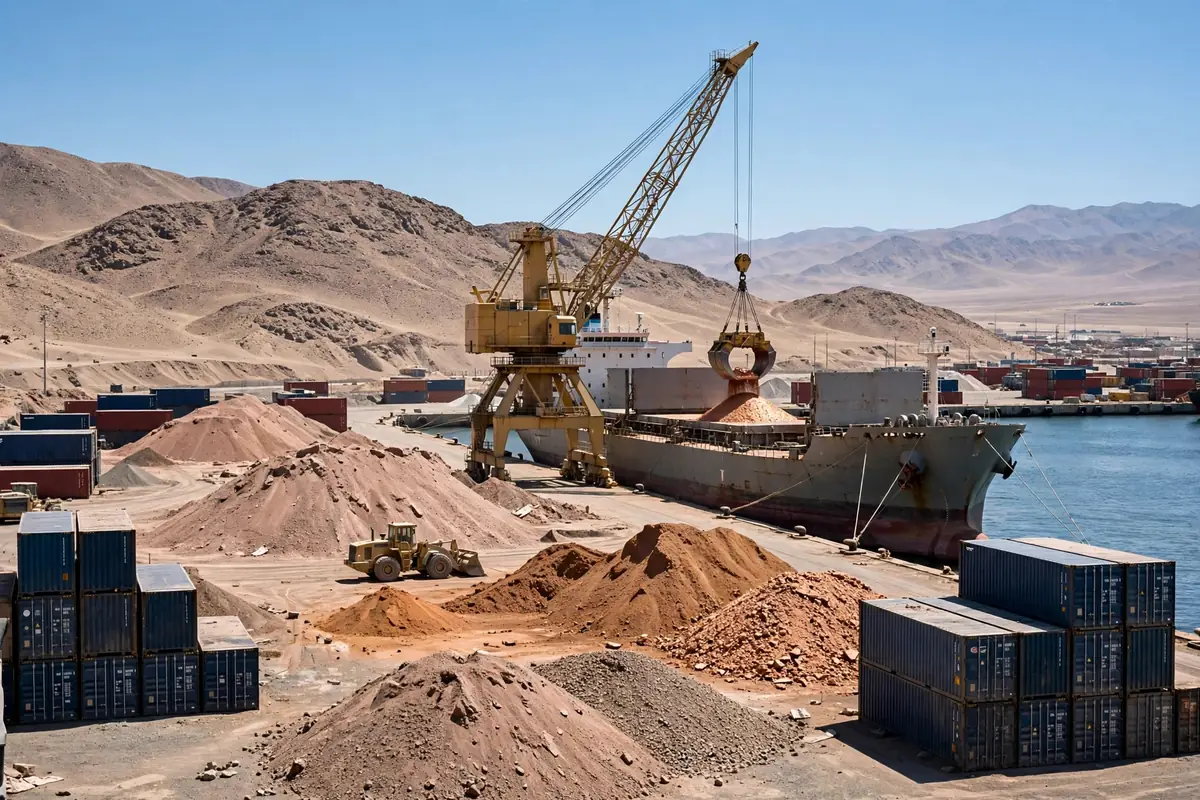
The second gate is the port warehouse. The Antofagasta Terminal Internacional is the main shipping point for mining cargo in this part of northern Chile, and concentrate arriving there goes into dedicated warehouses for reception, storage, and dispatch. The warehouse built for the Sierra Gorda mine, more than 100 kilometers from the city, holds 15,000 tonnes of concentrate. Cargo comes in, gets stored, and goes back onto conveyors for loading when the vessel is ready. Fifteen thousand tonnes sounds like a lot until you remember that a single shipment runs into the tens of thousands of tonnes. One warehouse covers a shipload or two. If the warehouse is too small, the ship waits, and every waiting day goes on the bill.
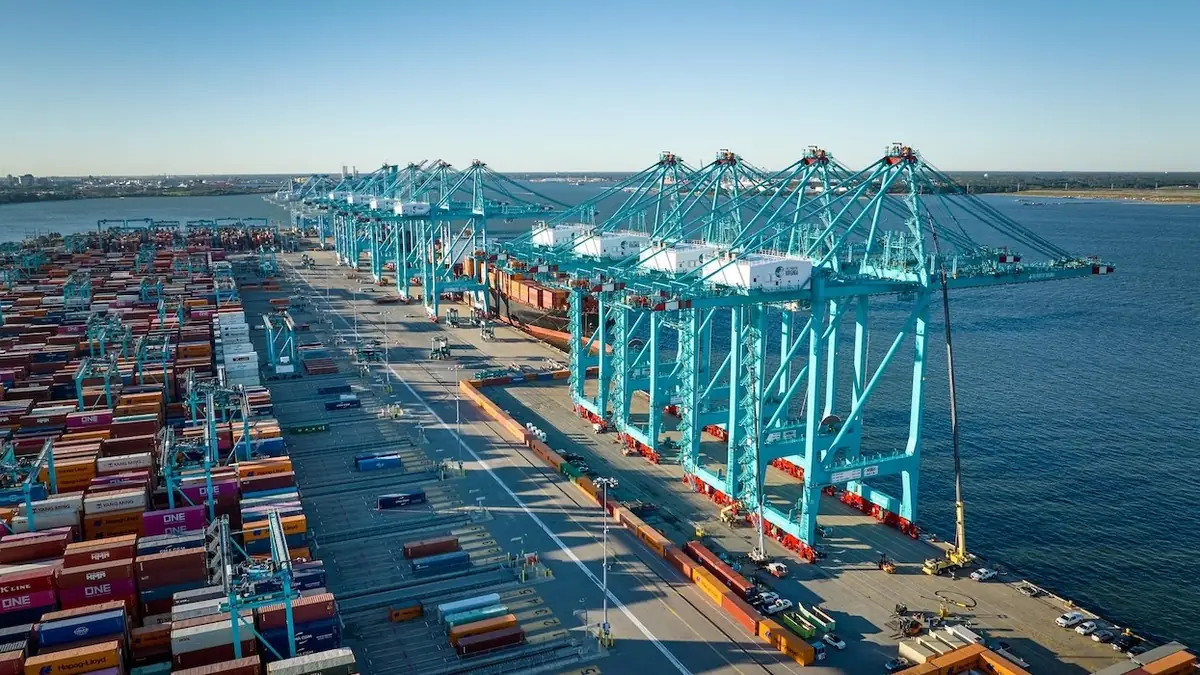
The third gate is Mejillones, about 60 kilometers north of Antofagasta. The bay there has become the relief valve. The expanded Terminal Graneles del Norte reached an annual capacity of 4 million tonnes, and its first trial shipment in November 2024 loaded 10,800 tonnes of concentrate onto a Handymax vessel. Splitting volume across ports sounds simple, but it has its own price: cargo has to be allocated, trucks split, warehouses split, and coordination gets harder. Put plainly, adding a port doesn't just add a road — it adds a whole second system to manage.
The easiest thing to underestimate across all three gates is the time gap. Mines produce around the clock. Ships arrive on schedules. Warehousing exists to absorb the difference. A warehouse that's too small can't keep up with production; one that's too big ties up capital in stock. Getting the size right means matching sailing frequency, mine output, and rail capacity together. Look at any one of them alone and the math comes out wrong.
Chile Copper Export Logistics: Bulk or Containerized?
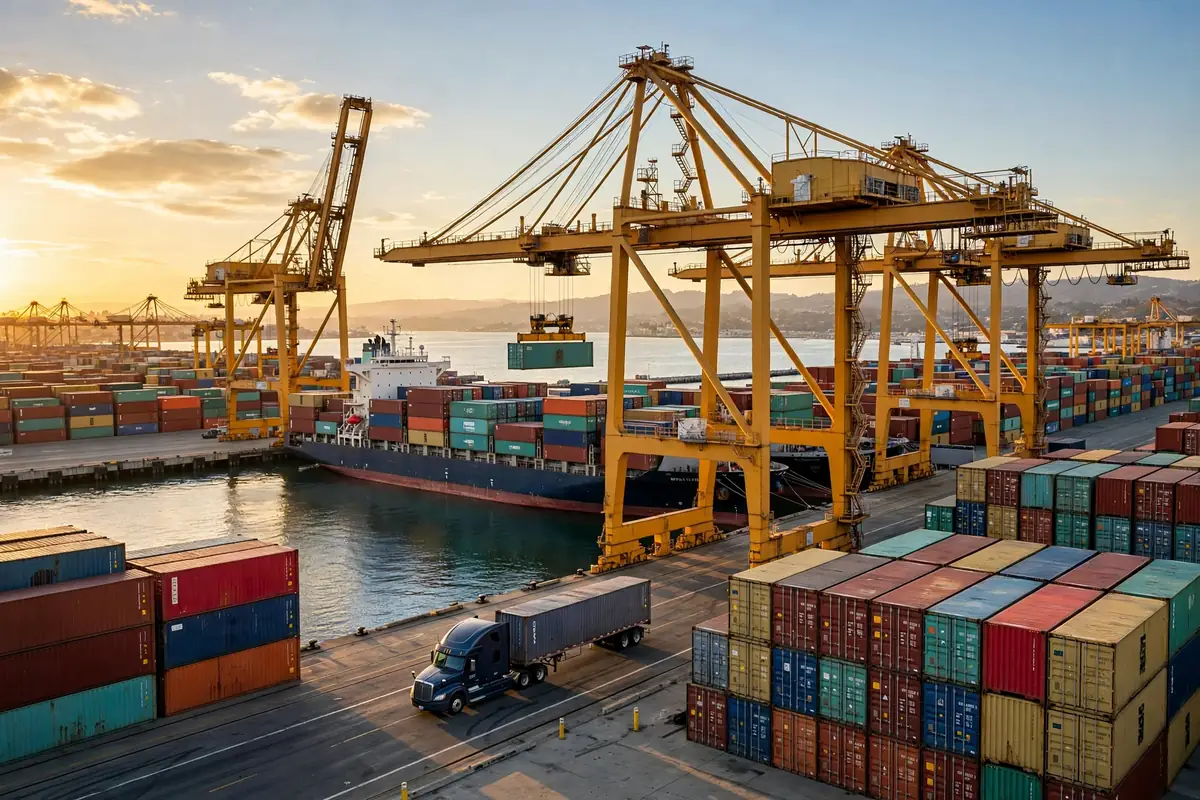
The most interesting change in Chile copper export warehouse logistics in recent years is containerized bulk handling. The traditional bulk route moves concentrate by truck into a warehouse, stockpiles it, then runs it along conveyors into the ship's hold — several transfers, with a little loss at each one. Codelco's approach at Puerto Angamos in Mejillones works differently: concentrate is loaded and sealed into special 20-foot ISO containers at the mine, transported to the port yard, stored like any other container, and lifted straight into the vessel's hold with existing terminal equipment. With two mobile harbor cranes, loading rates of 1,100 tonnes per hour are achievable.
Look at it from both sides. Containerization cuts losses, keeps the cargo off the ground, and simplifies warehousing — a container yard doubles as the warehouse, with no big stockpile and no conveyor system. The price is the containers themselves: they cost money, need managing, and have to come back empty, and that return leg is a cost of its own. Bulk does the opposite: the equipment already exists, the cost per tonne is low, and it suits large, steady contract volumes. My judgment is that bulk still wins where volumes are big, sailings are steady, and port equipment is in place. Containerization is worth more where cargo value is high, environmental rules are strict, and sailings are irregular. No single route wins everywhere, and picking the wrong route costs more than picking the wrong port.
There's another trade-off people leave out of the math: where the port warehouse sits. The closer it is to the berth, the faster loading goes — but the land costs more and expansion is harder. Farther away, land is cheaper and the yard can be bigger, but every tonne needs an extra shuttle move and an extra short-haul charge. Antofagasta's port sits inside the city, with limited room to grow, which is exactly why Mejillones matters as a relief port. When you compare options, don't compare warehouse rates alone. Add the shuttle, the waiting time, and the loss together.
| Route | Strength | Price | Suits | | Pipeline direct to port | Steady, low loss | High upfront investment | Large mines, stable long-term volume | | Truck plus rail to port warehouse | Flexible, existing infrastructure | Many transfers, waiting for wagons | Smaller mines, multi-mine consolidation | | Bulk via port warehouse | Low cost per tonne | Loss and dust, big stockyard | Large steady contract volumes | | Containerized bulk | Low loss, cargo never touches ground | Container and return costs | High-value cargo, strict environmental rules |
Three practical points for buyers in China. First, don't negotiate only the FOB price. Write into the contract how many days after arrival at the port warehouse the cargo must be loaded, and who pays if it runs over. Second, go look at the warehouse, not just the port brochure: check whether the yard is full, whether the conveyors look maintained, and whether the container yard has a real plan for empty returns. Third, keep a backup port in the contract. If Antofagasta jams, can the cargo genuinely move through Mejillones, and does the contract say so? Ask before the ship sits at anchor for three days, not after.
In the end, Chile copper export warehouse logistics isn't won by whoever has the biggest warehouse. It's won by whoever keeps the handoffs tight. Mine, rail, port warehouse, vessel — when those four connect, that 23% share of world output turns smoothly into cargo arriving at its destination. When they don't, even the world's largest output just sits in a stockyard waiting. So tell me: which gate is your cargo stuck at right now?
By Lao Mi, Supply Chain Veteran (20 yrs)