Let me give you the conclusion first. On the Chile blueberry export warehouse cold chain, whether the berries arrive firm has little to do with how cold you set the container. It has everything to do with speed and stability. Writing 0 degrees on the thermostat is easy. Getting the pulp of the fruit to genuinely reach 0 degrees, and holding it there without swings for the whole voyage, is the hard part. To put it plainly, the cold chain is not a contest of equipment. It is a contest of whether people respect the clock.
There are two sides to this. One side is the market. In the 2024/25 season Chile exported 90,647 tonnes of fresh blueberries, up 5% year on year, plus about 60,000 tonnes of frozen, for a combined total of roughly 150,000 tonnes. Europe and the United States each took about 43% of the volume, and organic berries made up 12%. The other side is the chain itself. The season runs from October to April, peaking in December and January, and in a few short weeks tens of thousands of tonnes have to move from orchards in the Central Valley to the Port of Valparaiso. Ships do not wait, and berries do not wait for ships. That is the whole contradiction.
In the Chile Blueberry Export Cold Chain, the Enemy Is Not Cold. It Is Swinging Temperatures
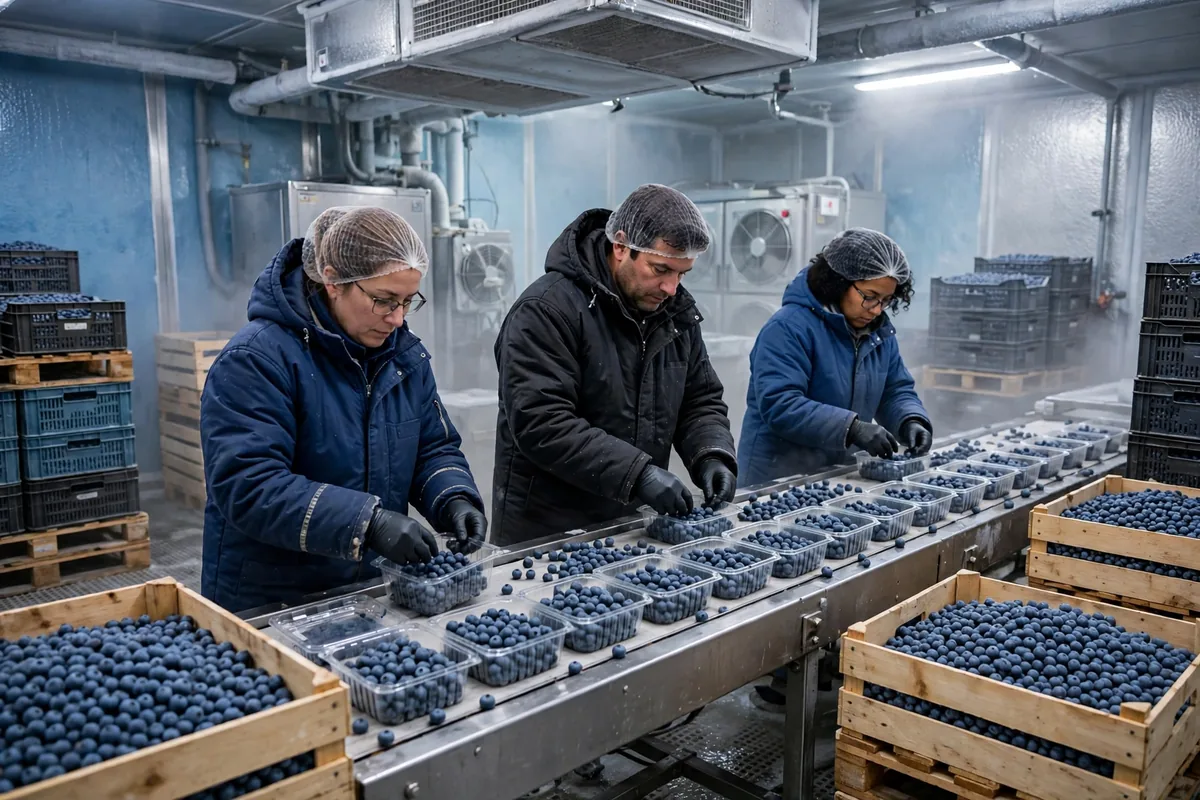
I have seen too many blueberry shipments ruined by cargo that looked cold but was not. Years ago I followed one container from the orchard. The fruit was picked at midday, the crates sat in the sun for a while, then they went to a packing house where the sorting line ran at around 10 degrees. When the boxes went into the cold store, the pulp temperature was still 8 degrees. The reefer was set to 0 degrees, and that number was correct on paper. But a container full of 8-degree fruit takes a long time to pull down, and over twenty-plus days at sea the berries spent their voyage slowly getting cold instead of being cold. When the doors opened in Rotterdam, soft fruit and mould were well above the contracted tolerance, and the buyer deducted the payment. That shipment taught me a line I still use: the pulp temperature is the real temperature. The setpoint is only a wish.
The science backs this up. Blueberries store best at around 0 degrees, at 90 to 95% relative humidity, which gives three to four weeks of life. Controlled atmosphere can stretch that to five or six weeks. But a Massey University study found that temperature swings of around 4 degrees during storage sharply increased the incidence of rot after six weeks. People at Maersk in Chile have said temperature management is 80% of the cold chain. I believe them. Blueberries are not afraid of the cold. They are afraid of warming up and cooling down again, of every link in the chain being "close enough", because close enough adds up to a long way off.
Here is the counterintuitive part: air freight is not automatically safer than ocean freight. Plenty of people assume a delicate berry belongs on a plane. But air freight has many legs, loading, transfer, waiting for the flight, and every one of them is a break in temperature control. A reefer vessel from Valparaiso reaches the United States in about 12 days, and a container to Rotterdam takes at least 23 days, but the whole way the fruit sits in one box with temperature and atmosphere locked in. Which mode wins depends on whether your fruit can afford the time, and on how many breaks your chain has, not on how much you spend.
Ocean, Reefer Vessel or Air: the Chile Blueberry Export Cold Chain Math, Run Separately
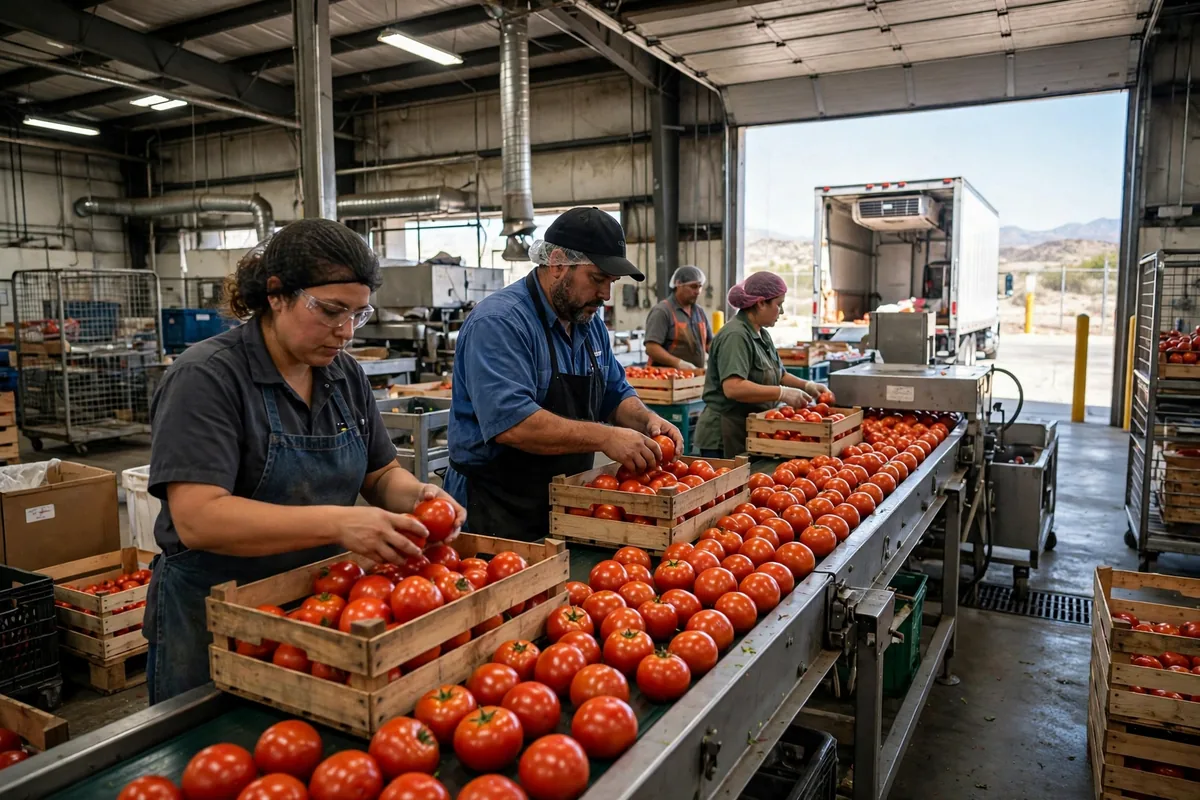
I break the blueberry export bill into three parts. The first is orchard to packing house: picking, shade, transport, pre-cooling, with the goal of pulling pulp temperature down within two hours of picking. That is the standard Maersk Chile talks about, and in my experience it is the rule that pays for itself most often. The second is packing house to port: reefer truck, port cold store, booking the sailing and the reefer plug. The third is the ocean leg: the sailing schedule, the atmosphere settings, and the temperature log for the whole trip.
Here is how the three modes compare. Freight rates are an illustrative example, so confirm against live quotations; transit times come from published sources:
| Mode | Time to the US, about | Character | Best for, illustrative example | | Reefer container, ocean | two to three weeks | One box, locked temperature, few breaks | Large volumes of sturdy fruit | | Reefer vessel, direct | about 12 days | Whole ship refrigerated, fast loading | Peak-season bulk chasing a sailing | | Air freight | one to two days | Fast, but many handling breaks | Small lots of premium fruit, top-ups |
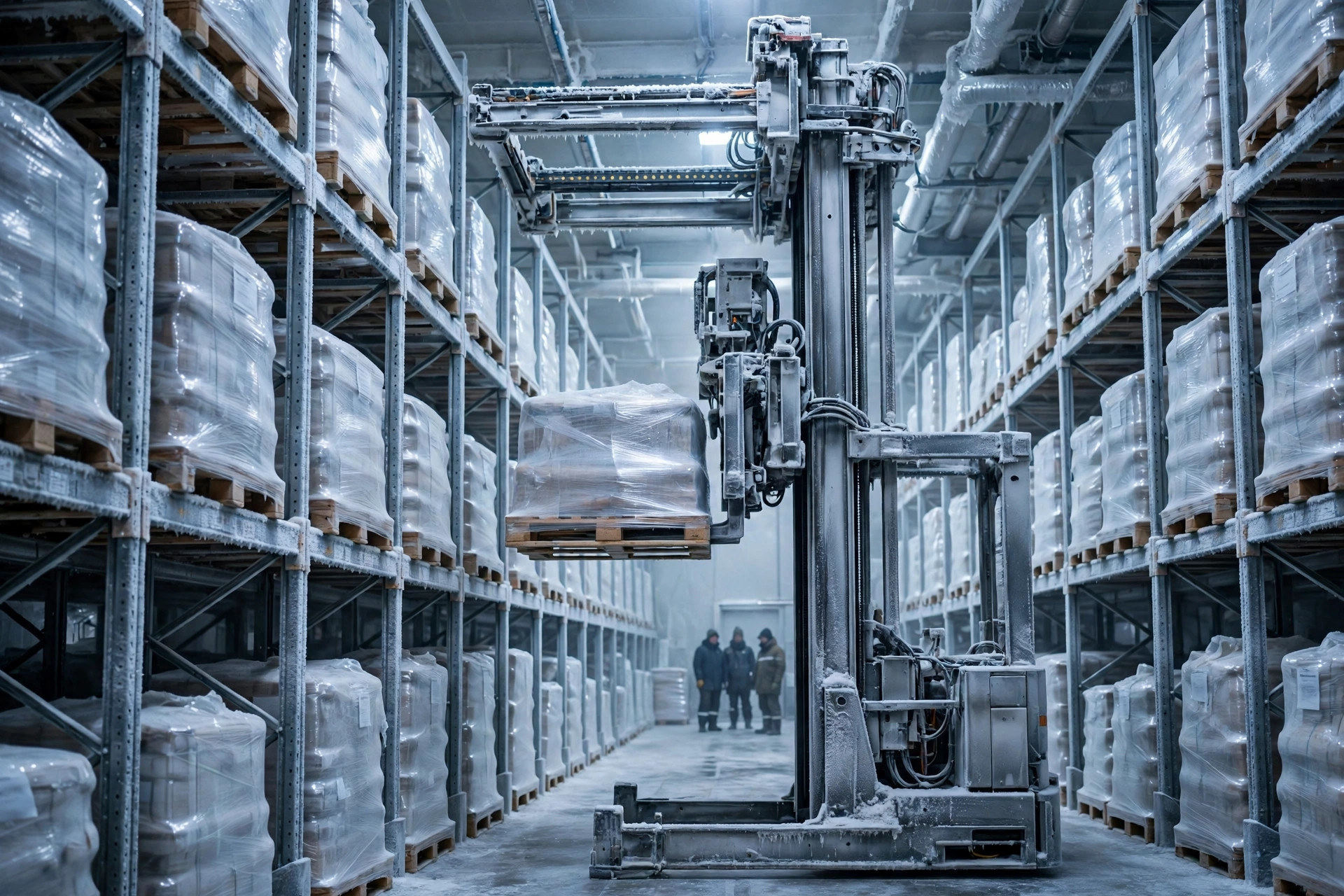
I have seen too many exporters save a little money on the sailing and lose a lot on the fruit. How crowded does Valparaiso get in peak season? In February and March 2022 the port shipped 15,603 reefer containers of fruit in just two months. Berths and reefer plugs are fought over. Book a week late and the sailing slips, and the fruit sits in the cold store for an extra week. Blueberries at 0 degrees last three to four weeks, so that extra week comes straight off the shelf life. By the time the cargo reaches the United States, the buyer has half the selling window left.
At Valparaiso Port, the Chile Blueberry Export Cold Chain Job Is Only Half Done
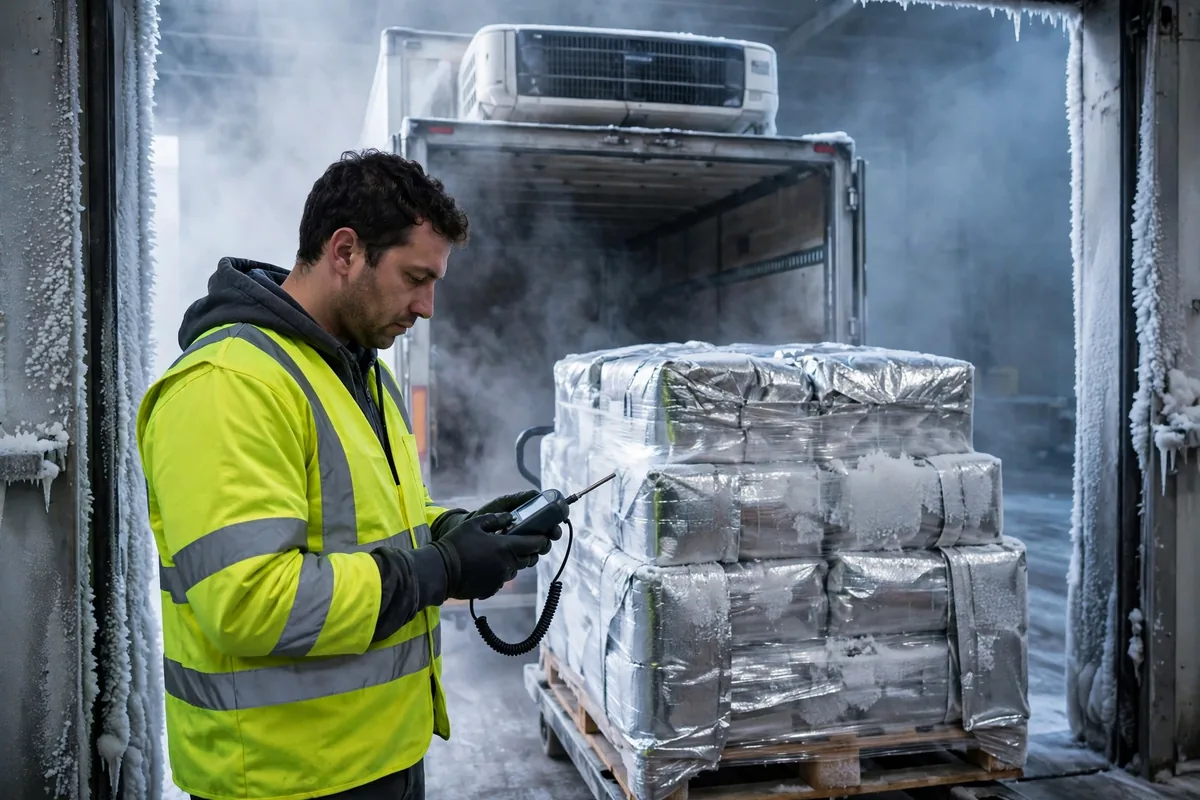
Plenty of people think the job ends when the cargo is loaded. It does not. At the Port of Valparaiso, the job is only half done. Documents have to match, inspections have to clear, the vessel has to berth, and any jam means the container waits longer in the yard. A plugged container in the yard is fine. An unplugged one sits in the sun, the logger curve climbs, and when the claim lands, arguing over whose leg that warm stretch belonged to can take a month. My routine is simple: measure pulp temperature before loading, and do not load if it is not down. Photograph the temperature logger before the doors are sealed. Check the remote monitoring once a day after sailing. Is it a hassle? Yes. Is it cheaper than a deduction in Rotterdam? Much cheaper.
One more thing worth saying. Chilean blueberries have spent the last two seasons chasing, not leading. In 2024/25 Peru exported 317,847 tonnes of fresh blueberries against Chile's 90,647. Chile's answer has been new varieties, up 50% year on year and now 21% of exports, and shifting part of the volume toward Asian markets earlier in the season. What does that tell you? The words "Chilean blueberry" are no longer enough on their own. Variety, sailing schedules, the cold chain, let any one of them slip and the market walks away.
So my advice is one sentence: in blueberry export, the winner is not whoever has the coldest container, but whoever has the steadiest chain. Cool within two hours of picking, measure pulp temperature before loading, book the sailing and the plug early in peak season. Do those three things and the berries arrive firm. Skip them, and 0 degrees is just a number written on paper.
By Lao Mi, Supply Chain Veteran (20 yrs)