We had a client come to us in the fall of 2024 looking like they hadn't slept in weeks.
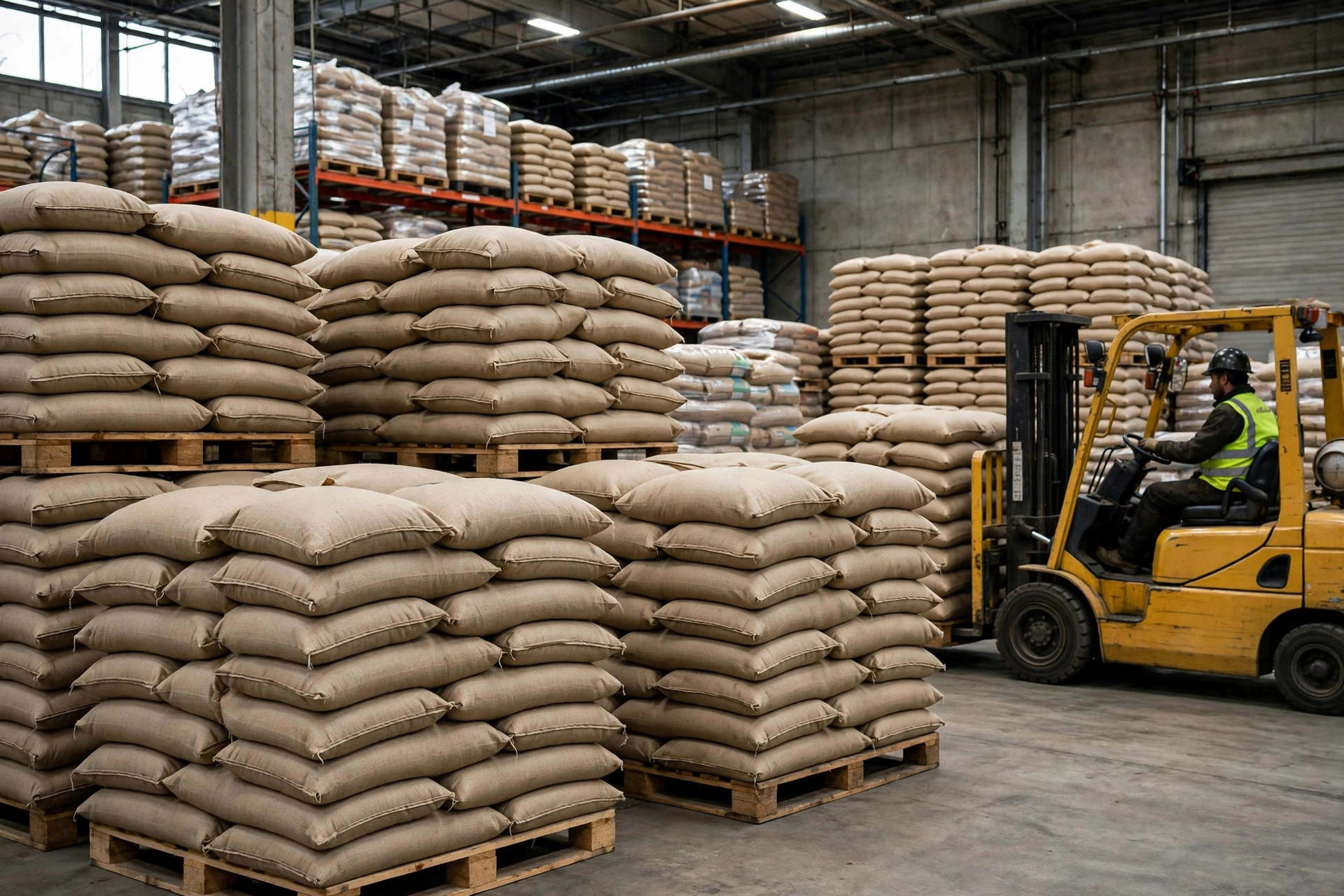
They sold pet food — 40-pound bags of dog kibble as their hero SKU — and were doing well on Chewy, with several thousand Autoship subscribers. But the math was ugly: the bags were heavy and bulky, their 3PL billed per touch, and warehousing plus handling alone was burning several thousand dollars a month. Last-mile was worse — shipping a 40-pound bag to the East Coast cost nearly half the bag's retail price. The founder told me, "Susan, at this rate I'm just working for the logistics company."
I hear that line a lot. Pet is a category where fulfillment works nothing like standard e-commerce.
Autoship is a double-edged sword — which edge cuts depends on how you hold it
Chewy's killer feature is Autoship. Customers set a cadence, kibble arrives before the bag runs out, and repeat purchases are as steady as rent. For a seller, that means demand is predictable — and predictability is the most valuable asset in your entire fulfillment cost structure.
A regular e-commerce store replenishes by guessing: sold 1,000 units last month, do you stock 1,200 or 1,500 this month? Guess wrong and you either stock out or sit on dead inventory. A Chewy subscription seller doesn't guess — next month's Autoship renewals are right there in the dashboard, and forecast error stays within about 10%.
The first thing we did for this client was rebuild their replenishment cadence around subscription waves. They used to inbound full monthly ocean shipments — the warehouse filled wall to wall, storage fees burning. We switched to smaller, wave-aligned inbound tied to Autoship renewal cycles, keeping roughly 20 days of stock on hand. Storage fees dropped by a third. Some honest talk from the 3PL side of the table: plenty of 3PLs love it when you overstock, because storage rent is guaranteed income — the more you hold, the happier they are. So negotiate your storage tiers line by line. Don't skip it because it feels tedious.
There's a second, subtler win hiding in predictability: labor planning. Because Autoship volumes are forecastable, we got the warehouse to commit to fixed pick-pack staffing for subscription wave days instead of on-call surge labor, which cut the per-order handling rate. A warehouse that can plan its labor charges you less than one that has to scramble. Your forecast accuracy is literally a negotiating chip — bring the data to the table.

Three things about heavy-goods pricing that your 3PL won't volunteer
Pricing heavy pet food with a 3PL is all in the details. After years on the sales side, here are the three cards I keep up my sleeve:
First, ask exactly how many touches the "handling fee" covers. A 40-pound bag gets unloaded from the pallet, put away, picked, packed — some 3PLs bill every single touch separately, and four or five touches per order stack up fast. The contract we negotiated for this client uses a flat per-order handling rate, not per-touch billing. Before you sign anything, make them list every billing trigger and walk through each one. Anywhere they're vague, the quote is hiding something.
Second, the damage-rate trap. A 40-pound bag dragged or dropped during picking splits at the seal — and a split bag of kibble is unsellable, with the loss entirely yours. One of our clients once ran a 5% damage rate before we discovered the warehouse was dragging full pallets to save time. The fix is one sentence in the contract: a damage-rate cap, with the 3PL paying for anything over it. Before it's in writing, nobody treats it as their problem; after, their damage rate dropped under 1% within a month. The contract is there to be used — don't be shy about it.
Third, don't run returns the old "send it back and resell it" way. A returned 40-pound bag costs a fortune to ship back, the bag is probably split anyway, and resale is unrealistic. Our playbook: dispose or donate at the warehouse, skip the reverse leg entirely. The saved reverse freight is worth more than the goods. It stings to hear, but the math wins. Most sellers can't make this mental switch — the goal of returns processing isn't "recover product value," it's "stop the bleeding." Once that clicks, returns stop being a cost black hole.
Heavy last-mile: the most expensive leg has answers too
In heavy-goods e-commerce, last-mile is always the biggest cost line. Chewy ships free to consumers — heavy bags included — and that "free" comes out of seller margin, so every cent of last-mile optimization matters.
Our answer for this client was split stocking: one warehouse on the West Coast, one on the East Coast. A 40-pound bag shipped cross-country costs more than double a zoned shipment. Combined rent for both warehouses came in well under the freight savings. I ran the numbers with the client: at roughly 3,000 orders a month, the monthly last-mile savings from split stocking covered both warehouses' rent with room to spare.
But here's the trade-off: more warehouses mean more fragmented inventory, slower turns per location, and higher stockout risk. Split stocking only pays for sellers with real volume. My rule of thumb: under 2,000 orders a month, stay in one warehouse; above 2,000, consider splitting. Don't stock yourself out trying to save on freight — a stockout costs far more than the freight ever did.
And a counterintuitive call: most people assume heavy goods should go with the cheapest last-mile carrier. But in pet food, two days of delay gets you complaints — when the kibble runs out, the dog can't wait. Enough complaints tank your store rating, and that's more expensive than any freight savings. Last-mile is a balance between "cheap" and "reliable." My advice: protect transit time during promos, squeeze cost the rest of the year. Don't save money where it costs you more.
One more insider note on carrier selection: heavy pet parcels get dimensional-weight surprises. A 40-pound bag in an oversized box can bill at a much higher dimensional weight than its actual weight if the box isn't right-sized. We had the warehouse switch to right-sized cartons for the kibble line and shaved a meaningful chunk off the average billed weight. Ask your 3PL what box sizes they stock for your SKUs — if they only have one oversized option, you're paying dimensional tax on every order.
Your negotiation cheat sheet
Negotiating a pet-category 3PL contract? Walk in with these three lines:
Line one: "Flat per-order handling, not per-touch billing — can you do it?" That single sentence cuts 20% or more of handling fluff.
Line two: "Damage rate in the contract, you pay for anything over 2% — will you sign?" A 3PL that signs runs a tight warehouse; one that won't, walk away from.
Line three: "How do the storage tiers work — the less I hold, the lower my rate?" Flip the 3PL's incentive to want you overstocked, and get them on your side of the table.
That client from the fall of 2024? Monthly sales have doubled since, and fulfillment cost as a share of revenue fell from 28% to 19%. The founder took me to dinner last month and said he's finally not working for the logistics company anymore. I told him not to thank me yet — in pet, fulfillment optimization never ends, contracts renew yearly, and every renewal is a fresh negotiation.
Next time you're at the table, remember those three lines.
By Susan, 3PL Sales Director