Let me give you the conclusion first, because this is a decision people overcomplicate. For cargo from landlocked Central Africa moving out through Douala, do not optimise for the fastest port leg alone, and do not optimise for the cheapest port leg alone. In cameroon douala port warehouse transit, the bill has to be counted end to end. If clearance stalls, if the warehouse sits in the wrong place, or if inland trucking cannot move on time, the money saved earlier comes straight back as storage, rebooking and expediting fees. My rule is simple: fix your delivery deadline and your cargo risk first, then choose the clearance and transit combination. Time-critical, high-value cargo buys speed. Bulk cargo with flexible delivery buys cost. Everything in between should use a bonded transit warehouse as a buffer. There are two sides to every choice here. Speed has a price, and saving has a risk. No single combination is best for every shipment.
I have seen too many shippers learn this the expensive way, so let me tell you about one that still sticks with me. In September 2023, a consignment of equipment parts from an inland direction had to move out through Douala. To save money, the shipper sent the goods straight to a temporary yard near the port to wait for the vessel, without confirming the clearance document list in advance and without leaving buffer time for the inland leg. One item description did not match the packing list, clearance asked for supplementary documents, and while those were being prepared the sailing was missed. The next sailing meant more waiting, yard charges kept accumulating day by day, and the inland trucking team charged extra because its return plan had been disrupted. The cargo did eventually sail, but the total cost ended up higher than the bonded warehouse plus advance clearance option the shipper had rejected, and the delay ran close to two weeks. The lesson was not about the port itself. It was about treating clearance, transit storage and inland transport as three unrelated jobs, when in reality they are one chain and a delay in any link becomes a fee in another.
Cameroon Douala Port Warehouse Transit: Get Clearance Right First
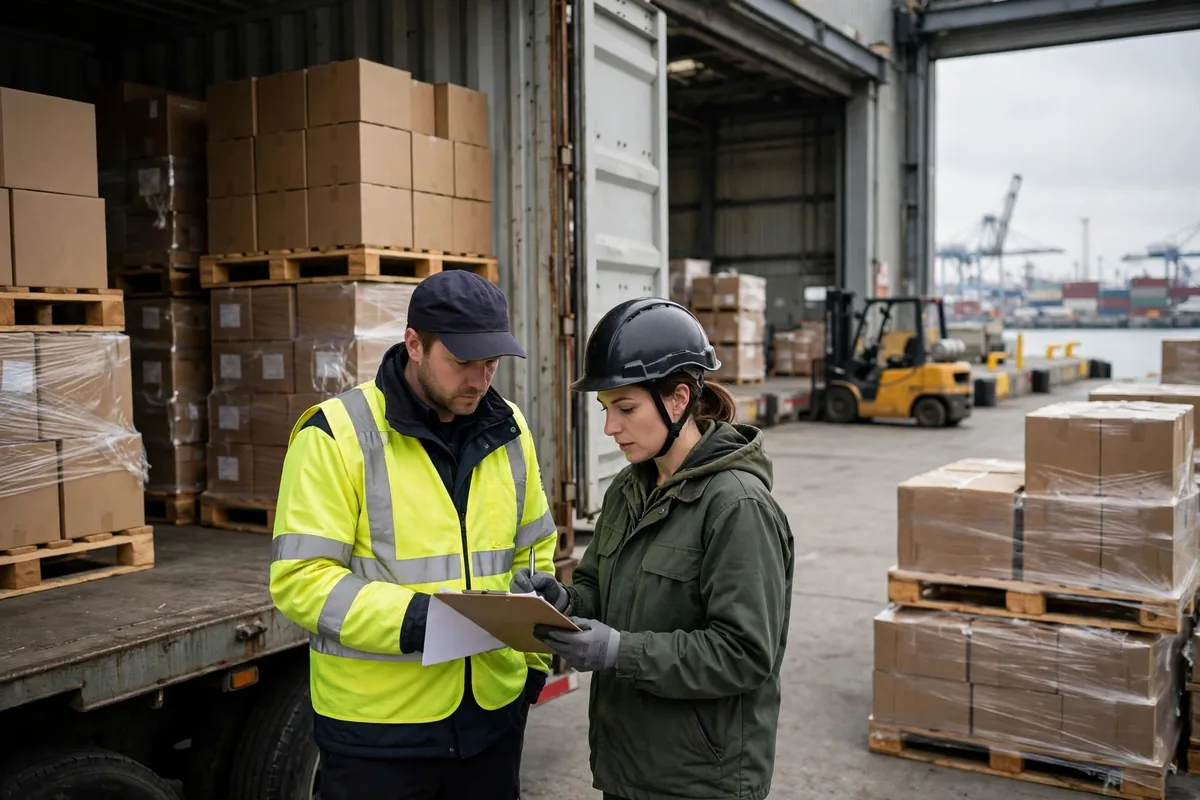
Clearance is the last stage you should leave to improvisation. Before departure, align three things. First, product description, quantity and value must match across the contract, invoice, packing list and customs declaration. A single mismatch can trigger a request for more documents. Second, for cargo coming from an inland country, confirm in writing who owns each document: the shipper, the forwarder or the consignee, for both the transit leg and the sea leg. When responsibility is unclear, nobody leads the correction when documents are questioned. Third, check early whether a special category needs an additional permit or inspection. Do not discover a missing certificate after the goods reach the port. Always confirm current requirements with the port authority and customs, and get written confirmation from a local customs broker where anything is uncertain, because rules and interpretations change by category and period. Advance preparation costs a little time. The return is that goods do not sit in a yard waiting for paperwork, and in most cases that trade-off is well worth making. Cost first, benefit second: the cost is preparation time, the benefit is a port stay measured in days rather than weeks.
Cameroon Douala Port Warehouse Transit: Bonded Transit Storage Versus a Yard Near the Quay
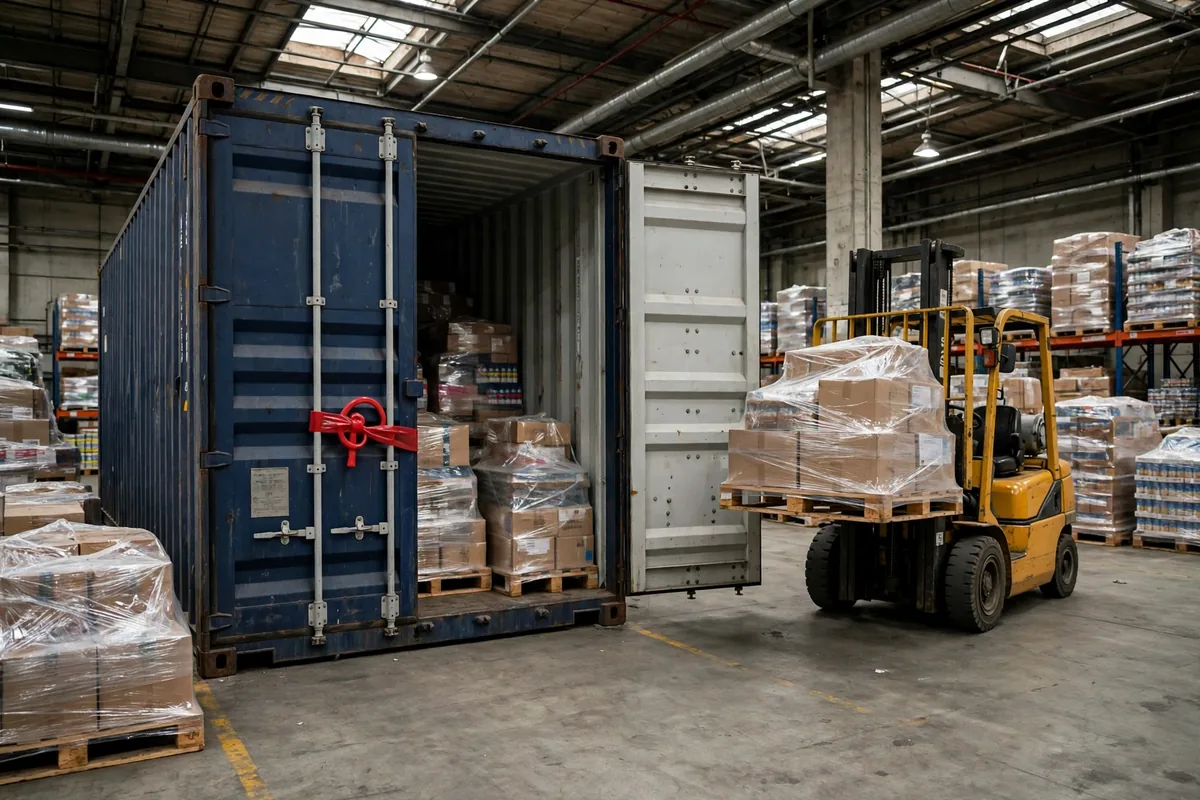
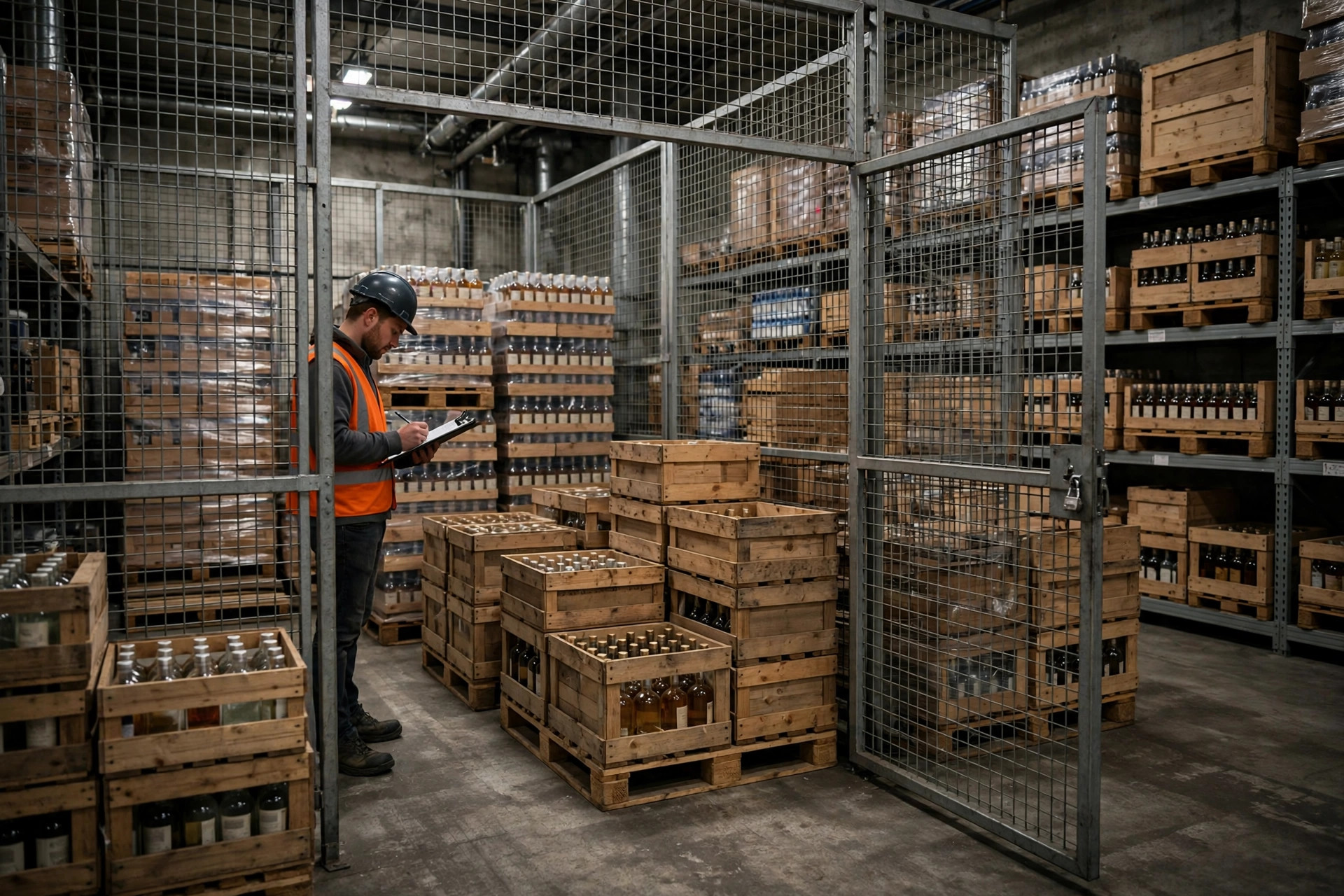
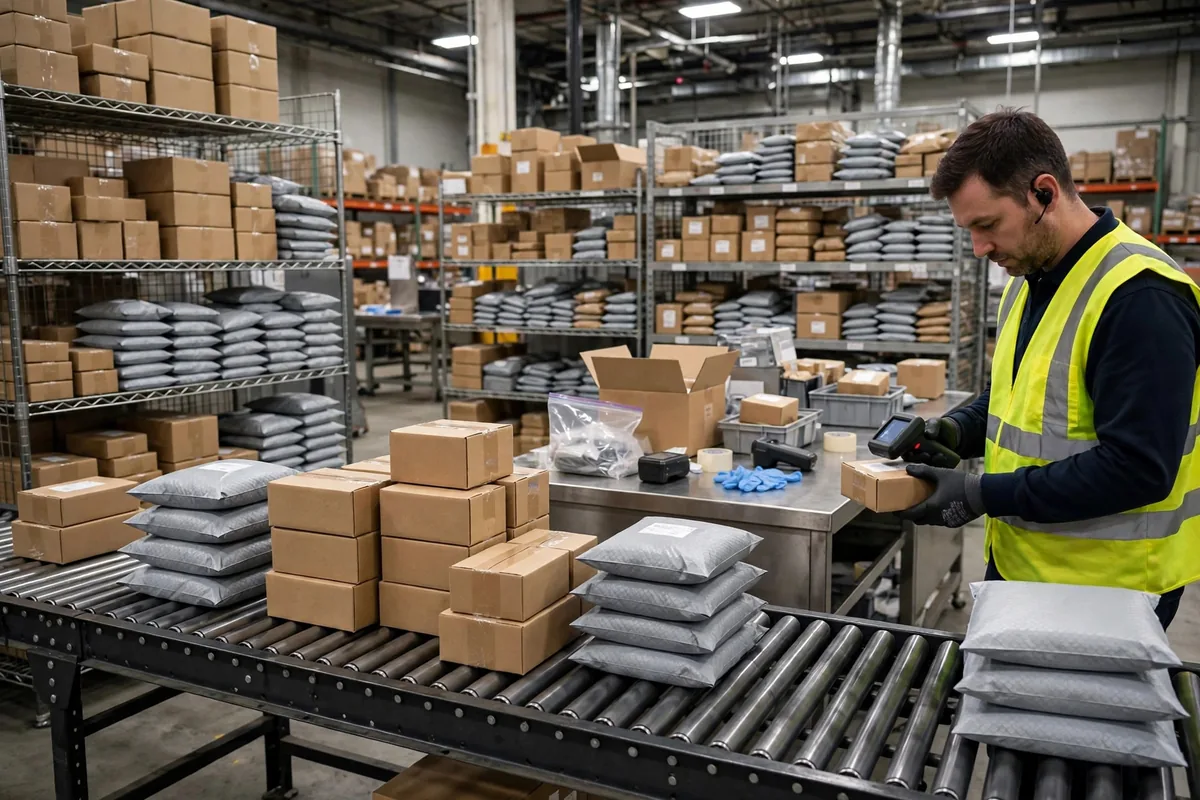
Where you put the warehouse decides how much buffer you have. A yard near the quay is close to the vessel and fast to load, which suits cargo with a confirmed sailing, complete documents and a short port stay. A bonded transit warehouse offers buffer and break-bulk capability. Goods can wait for documents, for a vessel or for an inland convoy, and can be sorted, repacked or split by destination inside the warehouse. That suits multi-destination, multi-batch cargo and shipments whose documents are not yet complete. The cost is one more warehouse move and a storage fee, and the timeline is slightly slower than direct loading. Choose with four questions: is the sailing confirmed, are the documents complete, does the cargo need to be split, and can inland transport meet the goods on time? If all four answers are yes, direct loading works. If any answer is no, take the transit warehouse buffer. Do not save one day of storage by parking cargo somewhere with no buffer and gambling on a sailing and a document set. Losing that gamble usually costs several days of storage and a rebooking fee.
A second case shows why splitting cargo can beat waiting together. In April 2024, a consignment of consumer goods had to be split from the Douala direction to two different inland destinations. The first plan was to clear everything at the port at once and then split the trucks, but documents for one destination arrived three days late, so the whole consignment waited at the port. The revised plan put the goods into a transit warehouse first and split them into two lots. The lot with complete documents moved immediately, while the incomplete lot waited in storage. Overall delivery finished earlier, not later. Here is the counterintuitive point: one extra warehouse move looks slower, but because the lots no longer hold each other back, the whole journey gets faster. In warehousing, the locally fastest option is often not the fastest end to end, and cargo that can be split should not be forced to wait together.
Cameroon Douala Port Warehouse Transit: Inland Distribution, Congestion and the Time Trade-Off
The inland leg carries the most variability in this chain. Road conditions, truck availability and waiting time at checkpoints all move delivery times, and seasonal peaks widen the swing. Plan with three buffers. First, a time buffer: promise inland transit on a conservative estimate, not on the smoothest trip you remember. Second, a fleet buffer: lock trucks for critical batches before the goods arrive, not after. Third, an information buffer: sync the status of goods, documents, sailing and fleet at least once a day. When information stops, the site starts guessing. When congestion hits, you face a real choice: pay more to protect time, or accept delay to protect cost. Perishable goods, seasonal goods and cargo tied to a contract deadline should protect time. Bulk, durable goods with flexible delivery should protect cost. The worst outcome is to refuse both: no extra payment and no revised delivery promise. That is how trust is lost with the customer while expediting fees are still paid on site.
Cameroon Douala Port Warehouse Transit: A Practical Checklist for Shippers
First, lock the document list one week before departure and have the customs broker confirm it in writing, with description, quantity and value consistent across all four documents. Second, plan the sailing and the inland fleet on the same sheet, so a sailing change moves the fleet and the warehouse slot together. Third, decide the warehouse plan before the goods arrive, direct loading or transit warehouse, and write it into the work order rather than deciding at the gate. Fourth, split distribution cargo in advance, move the ready lot first and hold the incomplete lot in storage. Fifth, sync node status daily, with documents, sailing, fleet and warehouse slot all confirmed before the day counts as synchronised. Sixth, hold a contingency budget specifically for supplementary documents, rebooking and storage overruns. An unspent contingency is good news. No contingency is a risk. Seventh, settle costs by shipment with port charges, storage, inland transport and clearance services listed separately. Mixed costs cannot be quoted accurately next time.
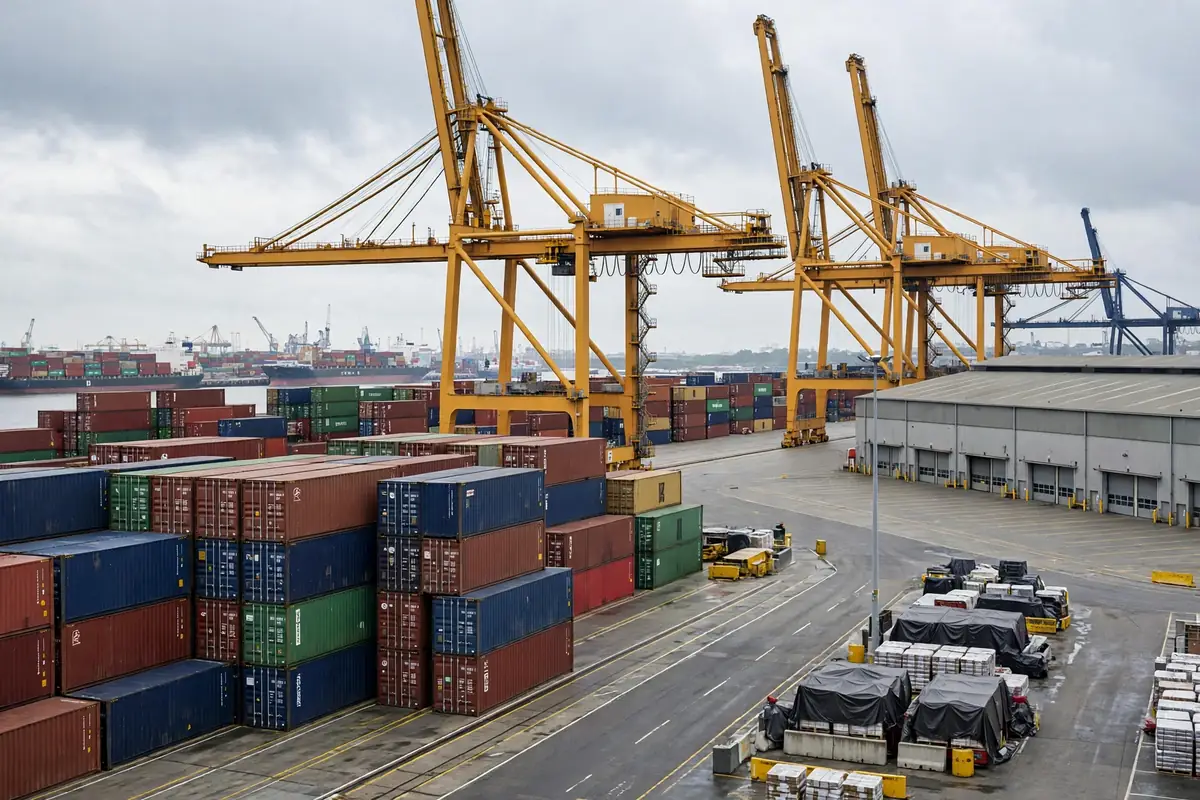
To put it plainly, Douala's value as a sea outlet for landlocked Central African cargo is real: it is close to inland origins and flexible for distribution. But the chain is long, and under-preparation in any link turns into time and money. The shippers who do well here are not the ones who find the cheapest single leg. They are the ones who plan clearance, storage, transit and inland trucking as one chain. Ask three questions before the next shipment leaves: are the documents complete, where is the warehouse, and is the fleet locked? Answer those before departure, and the port will give you far fewer surprises. Which link will you reinforce first on your next Douala shipment?
By Lao Mi, Supply Chain Veteran (20 yrs)