It was 6:30 in the morning, and the C-TPAT certification warehouse security audit was already on my mind when my night-shift lead caught me by the arm, holding a piece of paper, looking like he hadn't slept. The auditors for our C-TPAT certification warehouse security review were due back next month, and I already knew what they'd ask about.
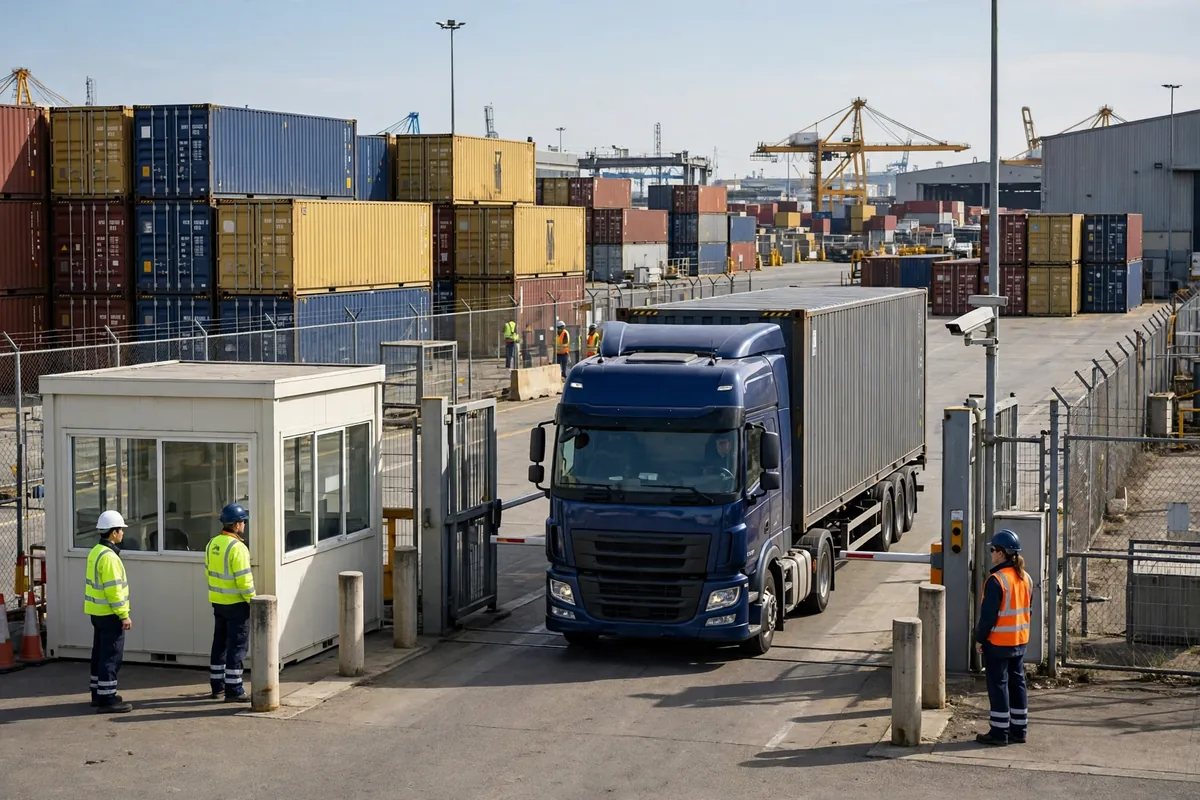
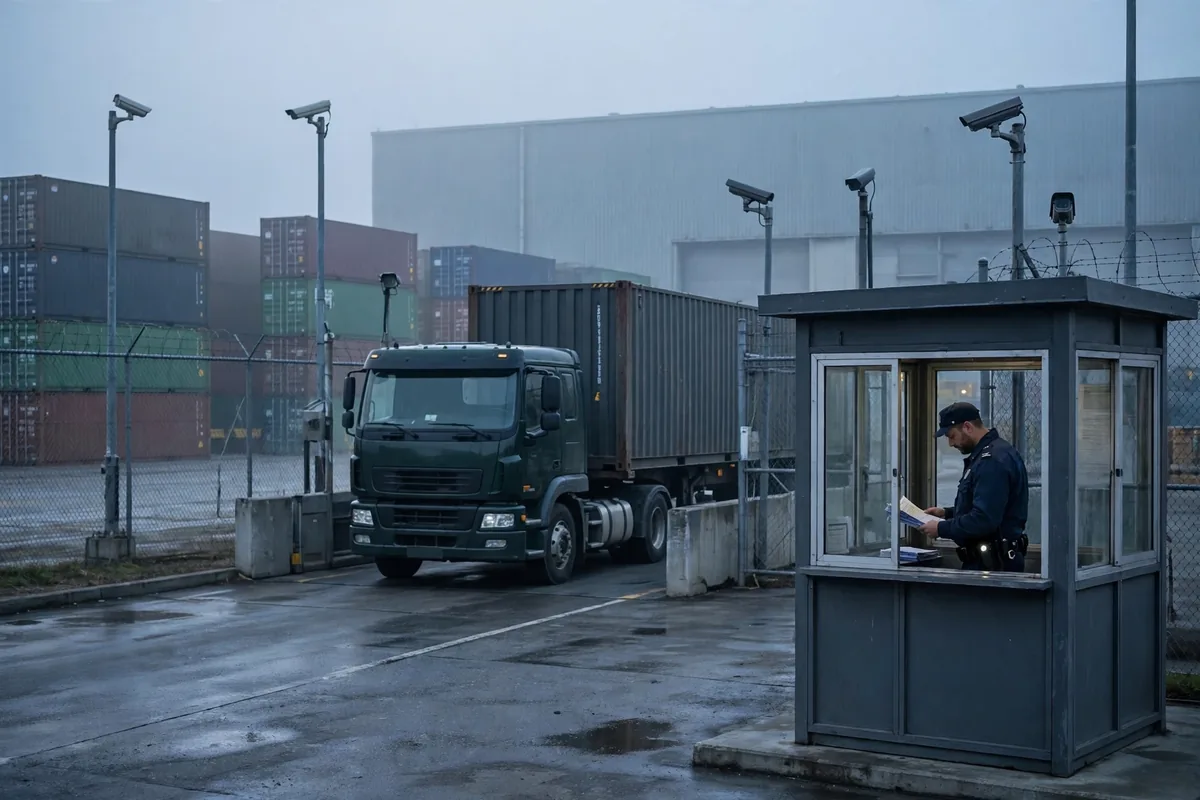
"Boss, we had a problem last night. Around two in the morning, a truck showed up at the gate. Driver said he was here for a pickup, but the paperwork didn't match. Security told him to wait. He waited ten minutes, then drove off on his own."
I asked whether anyone wrote down the plate number. He shook his head. The cameras? The camera covering that stretch of the yard had been dead for a month, and the repair ticket was sitting in a drawer, nobody chasing it. My stomach dropped. I wouldn't have had an answer.
Fellow warehouse folks, here's a change I've watched over the last few years: shippers used to walk into an audit asking about capacity, rates, and turnaround time. These days, the first question is often different: do you have C-TPAT certification? Warehouse security is turning into a hard requirement, not a nice-to-have.
The First Audit That Asked About Security, Not Price
A couple of years ago, a home-goods shipper needed a West Coast distribution partner. Their freight came in through the Port of Los Angeles. The rate negotiation went fine. Then audit day came. Three people showed up. Two looked at racking and throughput. The third looked only at security: the gate log, the fence line, the cameras, how long we kept footage, and whether we screened new hires and killed access when someone quit.
I was sweating. Back then, our "access control" was a keypad with one shared code for the whole building, and people who had quit months earlier could still have walked in with it. Some of our cameras were decorative. The visitor log existed, but drivers skipped it and nobody stopped them.
We lost that deal. The rates were fine, they said, but their biggest customer required every warehouse partner to hold C-TPAT certification, or at least meet the same security standard. We didn't.
That's when I started learning what C-TPAT certification actually is: a voluntary supply chain security program run by U.S. Customs and Border Protection. A shipper joins the program and commits to keeping its whole supply chain secure, and the warehouse is one link in that chain. The pressure rolls downhill, and eventually it lands on us, the warehouse.
The Four Gates of C-TPAT Certification Warehouse Security
The certification paperwork is thick, but on the warehouse floor it boils down to four gates. I've tripped over every one of them.
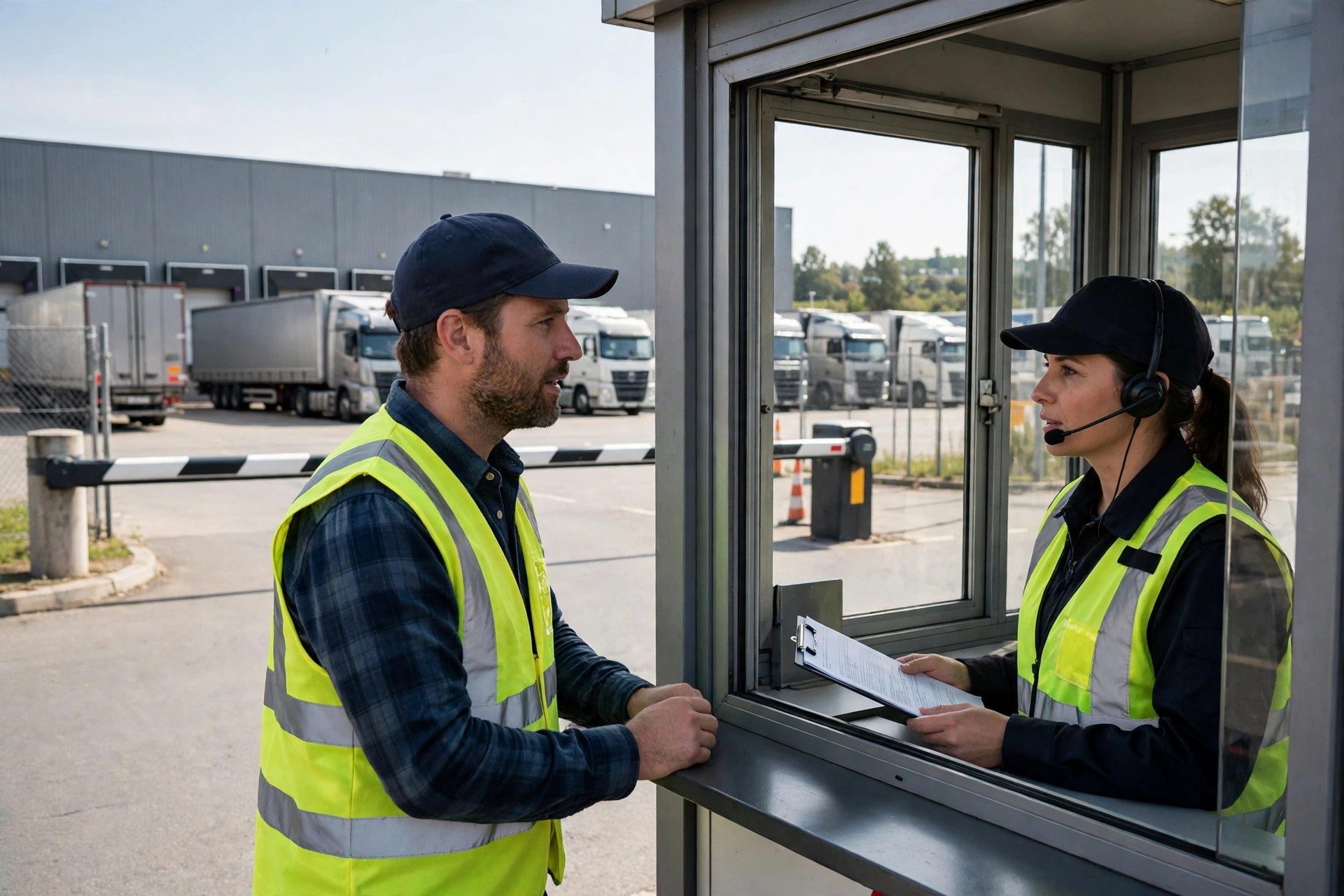
The first is access control and the perimeter. Employees badge in, visitors sign in, drivers stay in designated areas, and the dock area is separated from the office. Our old problem was a gate that stood open all day, the guard never asking. We changed it: gate stays shut, visitors register before entry, drivers get a visitor badge and a marked zone on the floor. Drivers complained for two weeks. Then they got used to it.
The second is cameras and patrols, covering the gate, the dock doors, and the aisles. Footage has to be kept long enough, and a dead camera has to get fixed. We learned this the hard way, when that dead camera left us blind on the night it mattered. Now, every Monday morning someone walks the camera list, and a broken one gets reported the same day.
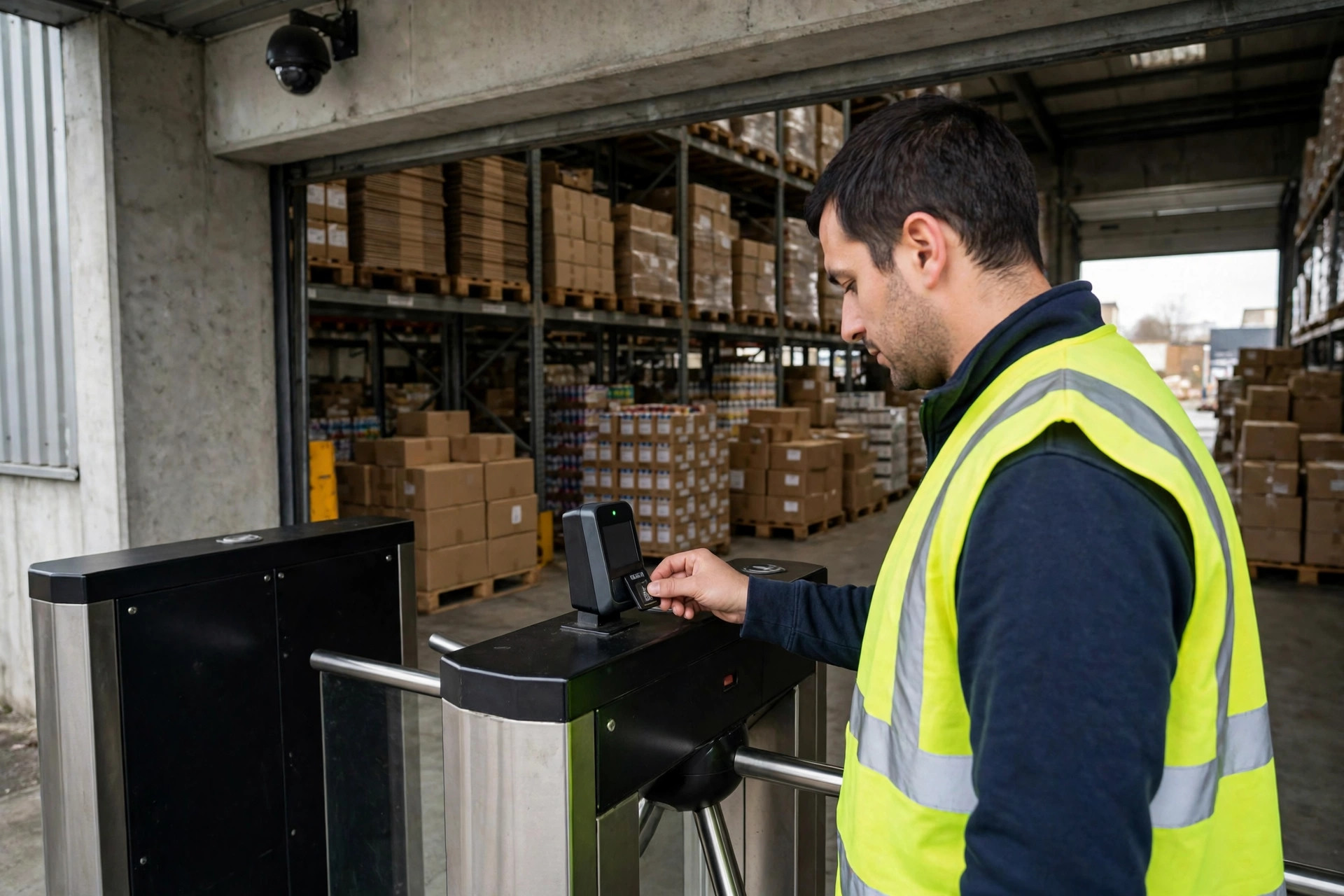
The third is people screening. New hires get their identity verified, key roles get background checks, and access gets killed the day someone leaves. This is the gate that gets ignored the most, and it bites the hardest. In a building I managed, a forklift driver who had quit two months earlier still had a live badge. He walked in one night and took two cartons. The value was small; the trust we lost was not. Since then, I check the termination list myself every week.
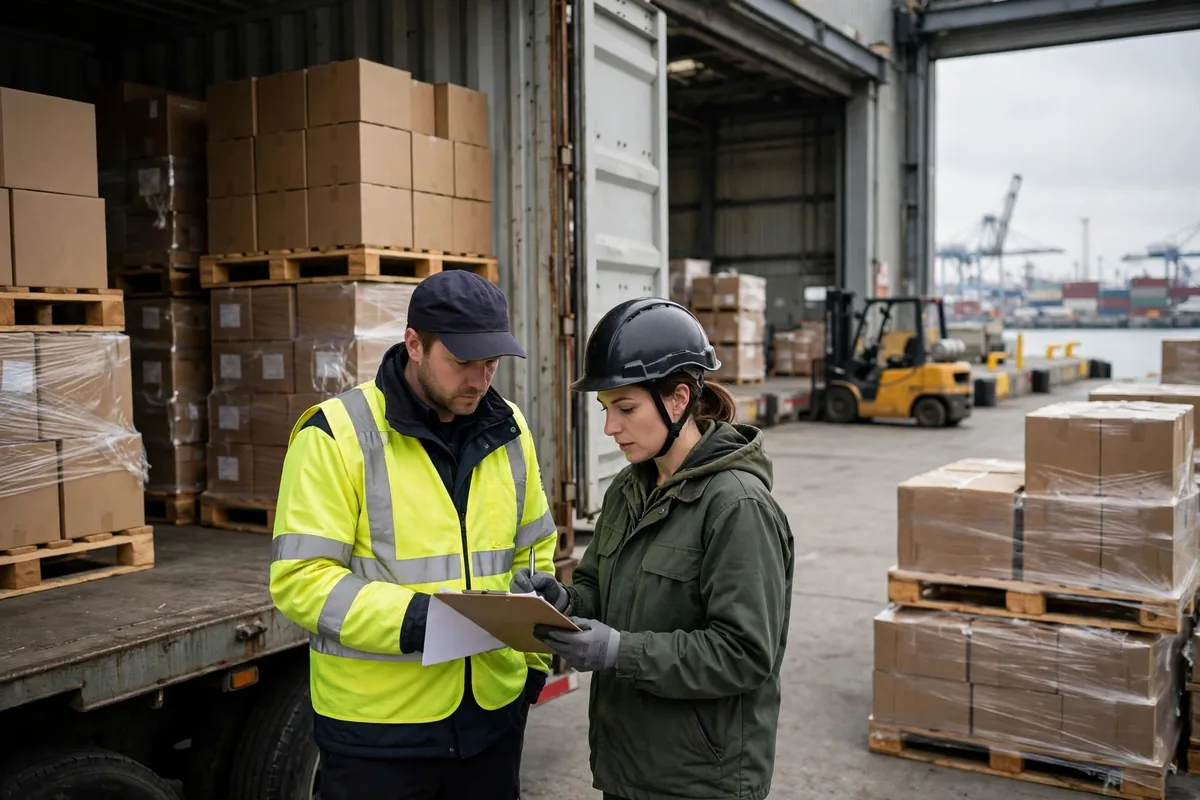
The fourth is cargo integrity. From receiving to shipping, seals, paperwork, and counts have to match, loading has to be supervised, and anything unusual gets written down. We used to let drivers wait outside while we loaded, then sign and go, and whether anyone copied the seal number was a matter of luck. Now someone is present for every load, seal numbers get photographed, and if the paperwork doesn't match the freight, the truck doesn't leave. Errors dropped fast after that change.
Honestly, none of these four gates is high tech. They're all grunt work. The hard part isn't buying equipment, it's getting everyone to follow the rules every single day.
Running the Numbers on C-TPAT Certification
Other managers always ask me: what does certification cost, and is it worth it? Let me be clear: the numbers below are an illustrative example built on our own building's rough scale, not an industry benchmark. Real costs depend on your site, and for anything official, check the latest published guidance.
When we ran the numbers, the one-time upgrade was cameras, a badge system, fence repairs, and dock barriers, plus the ongoing cost of weekly checks, screening fees, and extra guard hours. It looked like real money, and our owner frowned at it.
But look at the other side. Before certification, we lost two kinds of business: large shippers who required it outright, no discussion, no deal; and shippers who wanted to work with us, came for the audit, judged our security too weak, and gave the contract to a certified warehouse down the road. Losing one big customer wipes out a large chunk of a year's margin. Put the two sides together, and the certification investment was roughly the margin of one or two major accounts. Once the security rules were in place, shrink and damage claims fell, the night-shift theft never happened again, and insurance conversations got easier, with fewer disputes over claims. That money is invisible day to day, but it shows up at year-end.
Here's the counterintuitive part. Most people assume the biggest benefit of certification is fewer customs inspections and faster clearance. Honestly, for a warehouse, that's the shipper's and the broker's business. What we feel directly is trust: that certificate tells a shipper at a glance this building is managed, there's a record, there are rules. Trust looks worthless on a normal day. It only shows its price on the day you lose a deal over it.
Of course, the math is different for every building. My call: look at your customer mix. If two or three shippers are already asking about it, don't wait. If none of your customers cares, start with the basics that cost almost nothing: rotate the gate code, kill access on the day someone leaves, walk the cameras weekly, and stop letting the visitor log be optional. An auditor can tell in one look whether yours is a disciplined building or not.
What Warehouses Without C-TPAT Certification Warehouse Security Are Losing
Last peak season, a fellow operator I know lost a big customer. His building sits in the Inland Empire, decent capacity, cheap rates. The reason was blunt: the shipper's end customer required the entire chain to be certified, and the warehouse link couldn't be closed.
That stuck with me. C-TPAT certification is shifting from a bonus to a ticket to enter. It used to be that having it made a shipper think better of you. Now, not having it means some doors never open. That matters most for import distribution warehouses: your building is the freight's first stop off the port, and your security is their security.
Shippers don't check the certificate once and forget it. They come back. If the audit team returns and finds the gate code unchanged for six months and pages missing from the visitor log, you lose points all over again. What certification really tests is whether the rules became a habit.
Our routine now is simple. Every Monday morning I walk the building myself: gate log, two camera feeds, termination list. Ten minutes. Done every week, it changes the whole culture of the place.
Fellow operators, if your building handles import freight, ask yourself three questions. Did the last person who quit lose their badge the same day? Is the camera that broke last month fixed yet? Is yesterday's visitor in the logbook by name? If you can't answer those three, don't put off the conversation. It's about never standing in front of an audit team the way I once did, with no answer.
By Chen Feng, Warehouse Operations Manager