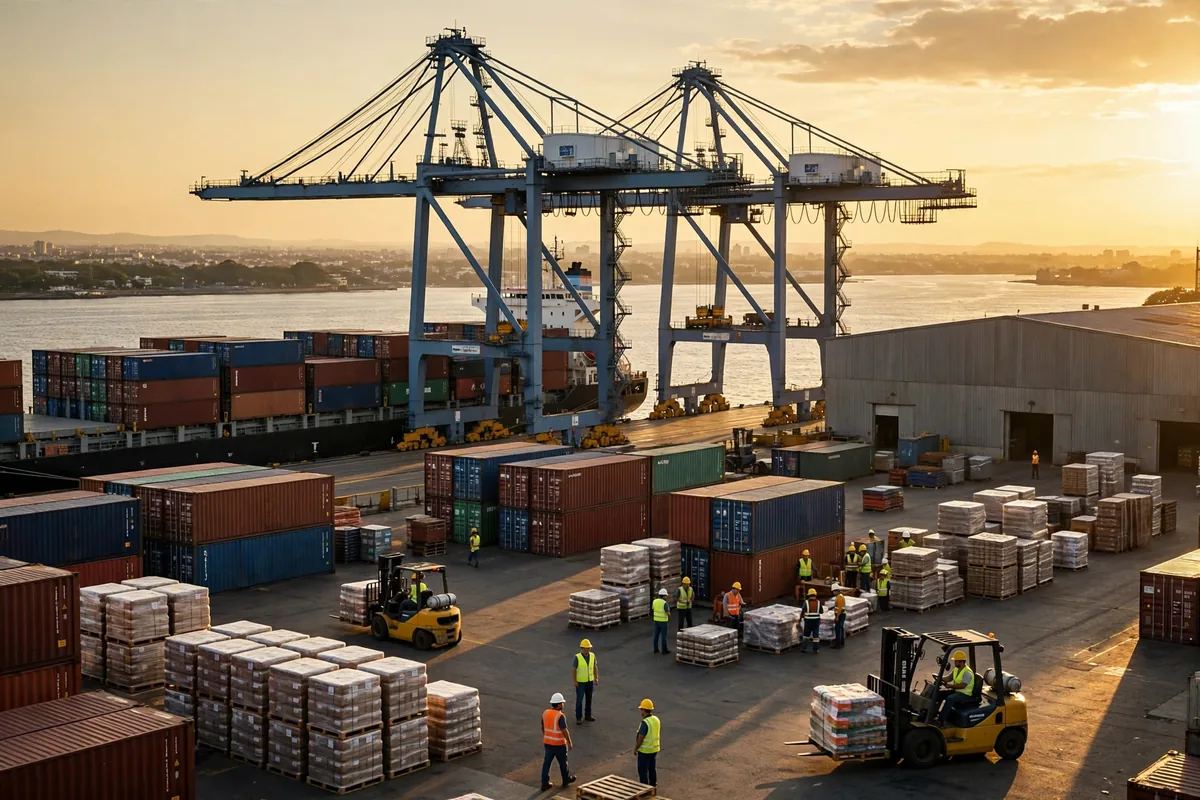
Buenos Aires port warehouse logistics is worth doing, but not everyone who tries it makes money. That is my conclusion up front, and I will stand by it. The business here is not won by whoever rents the biggest warehouse. It is won by whoever can do the math on three things: waiting inside the port, moving outside the port, and splitting freight inland. Get that math wrong and your cargo starts losing money the day it arrives.
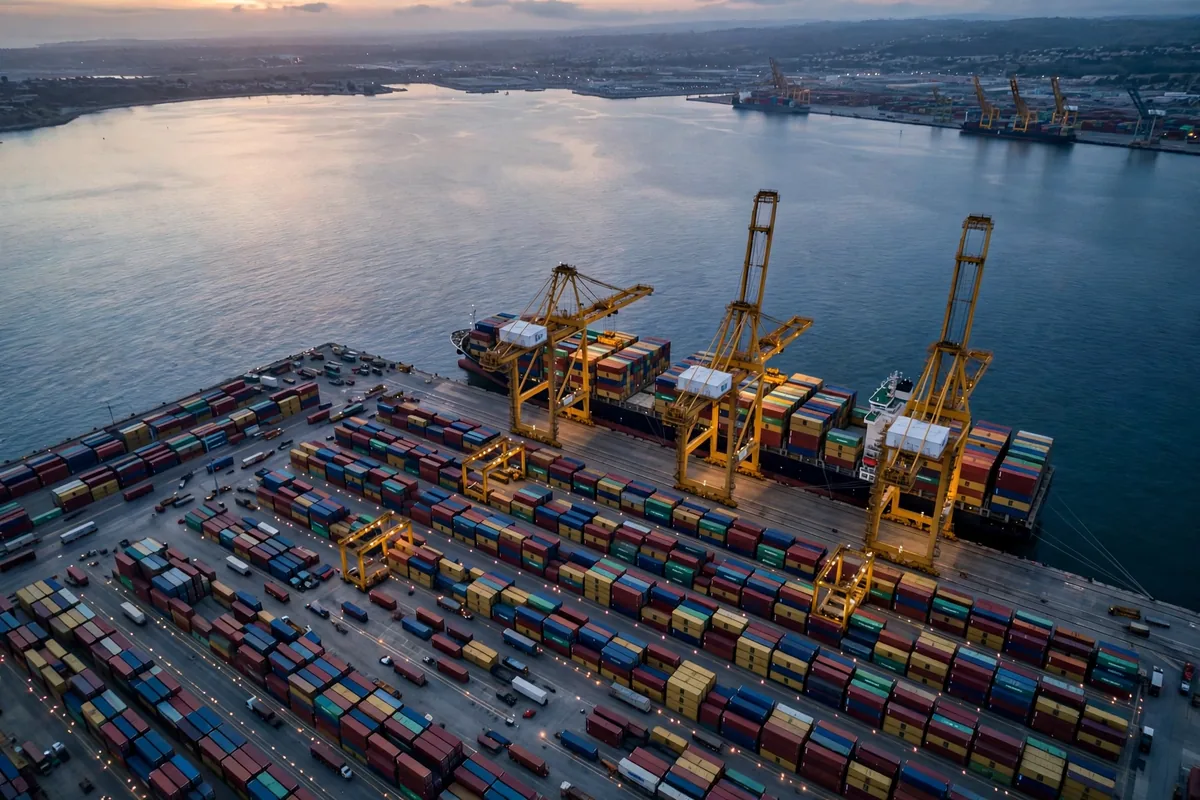
Look at the scale first. Argentina handled about 1.5 million TEU of container port throughput in 2024, according to the World Bank. The Port of Buenos Aires handles about 85% of the country's containers, according to OECD/ITF figures from 2018. A 2025 industry guide puts the port itself at roughly 1 million TEU. These numbers come from different sources and different years, so do not subtract one from another and treat the result as a fact. But they all point the same way: Argentina's container business is concentrated in one river-mouth port. That cuts both ways. Concentration means cargo is easy to find and liner services are relatively complete. It also means that when this port congests, when there is a strike, when the system slows down, there is no second port of the same scale you can switch to on short notice.
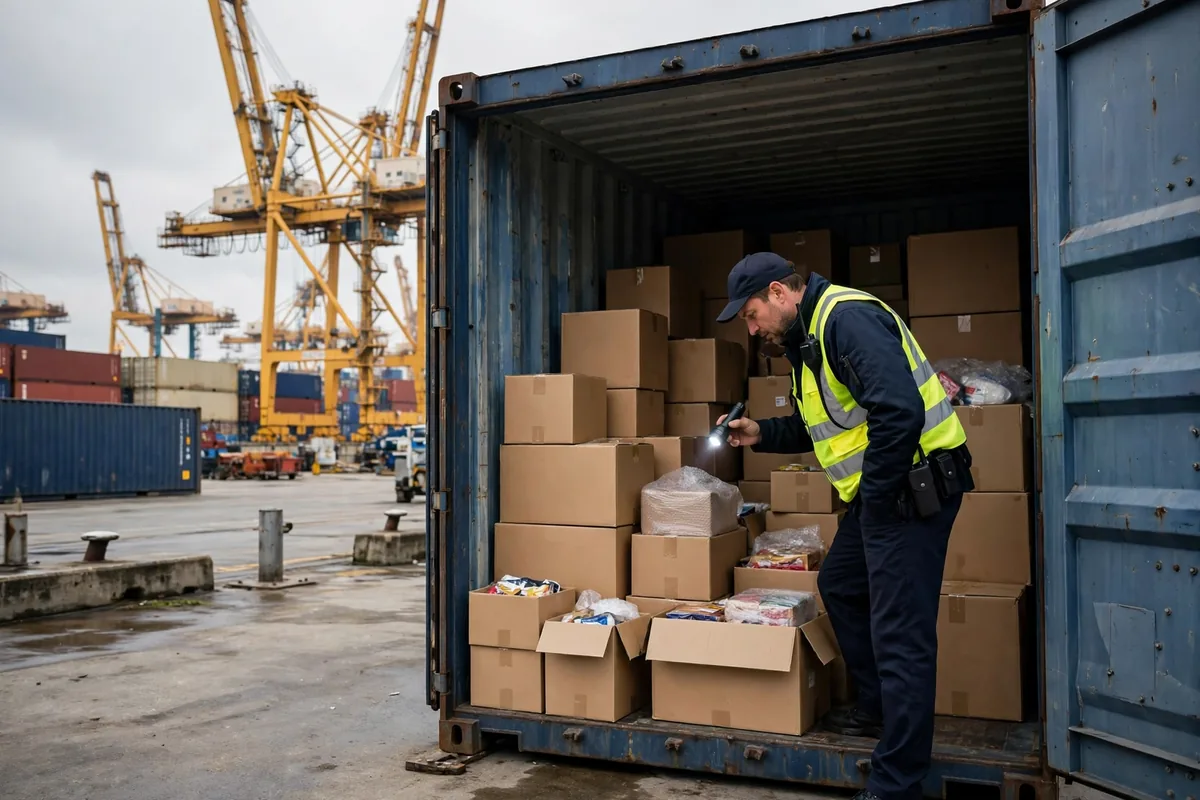
I have seen too many people learn that the hard way. A few years ago a client running a South America lane tried Buenos Aires for the first time. The plan sounded simple: cargo arrives, rent a warehouse near the port, distribute across the southern cone. Nothing wrong with it on paper. The first shipment got stuck. One product description on the customs paperwork was vague, customs asked for supporting documents, and the cargo sat inside the port area for several extra days. Storage, demurrage and detention charges piled up day by day, and the client called me every day asking whether I could "have a word with the port." Honestly, no. That is not how it works there. Your distribution plan has to assume that documents may need corrections and sailings may slip. It cannot be built on the rosiest possible timeline. We changed the approach: paperwork gets checked before the vessel berths, product names, quantities and certificates of origin line by line. Better to spend two extra days before departure than to let cargo sit in the port waiting on people.
Where the money actually goes in Buenos Aires port warehouse logistics
The cost structure here is different from a US port warehouse. In the US, moving the warehouse a bit farther from the port usually just means one more truck run, and the math is clean. In Buenos Aires, the real variable is time spent inside the port. An extra day there costs money on its own, but the bigger cost is that your whole distribution plan falls apart: downstream customers are waiting, trucks get booked and rebooked, drivers charge for the changes. Here is the framework I use when I walk a client through the choice. The numbers are an illustrative example only, to show the structure, not a quotation:
| Option | Where the warehouse sits | Advantage | Cost |
|---|---|---|---|
| Inside the port area | Next to the terminal | Fastest pickup, least shuttle trucking | Expensive rent, operations tied to the terminal's rhythm |
| Near-port outside warehouse | A short drive outside the port | Cheaper rent, freer operation | One extra shuttle leg, one more handoff between customs clearance and pickup |
| Inland distribution warehouse | Well inland | Cheapest rent, wider inland coverage | Long linehaul, and one port disruption delays the whole chain |
Take the same shipment and index the daily warehousing and handling cost at 100 for the inside-port option. The near-port warehouse comes in around 80, the inland warehouse around 60, in this illustrative example. But that is only the warehouse side of the bill. Add shuttle trucking, linehaul and the risk of sitting in port, and the ranking often flips. The inland warehouse looks cheap until one bout of congestion wipes out everything it saved. So my first question to a client is always the same: can your cargo afford to wait? If it cannot wait, do not put the warehouse far away. If it can wait and the cargo value is low, then we can talk about the inland warehouse's cheaper rent.
Transshipment in Buenos Aires port warehouse logistics: a business of buffers, not of betting on schedules
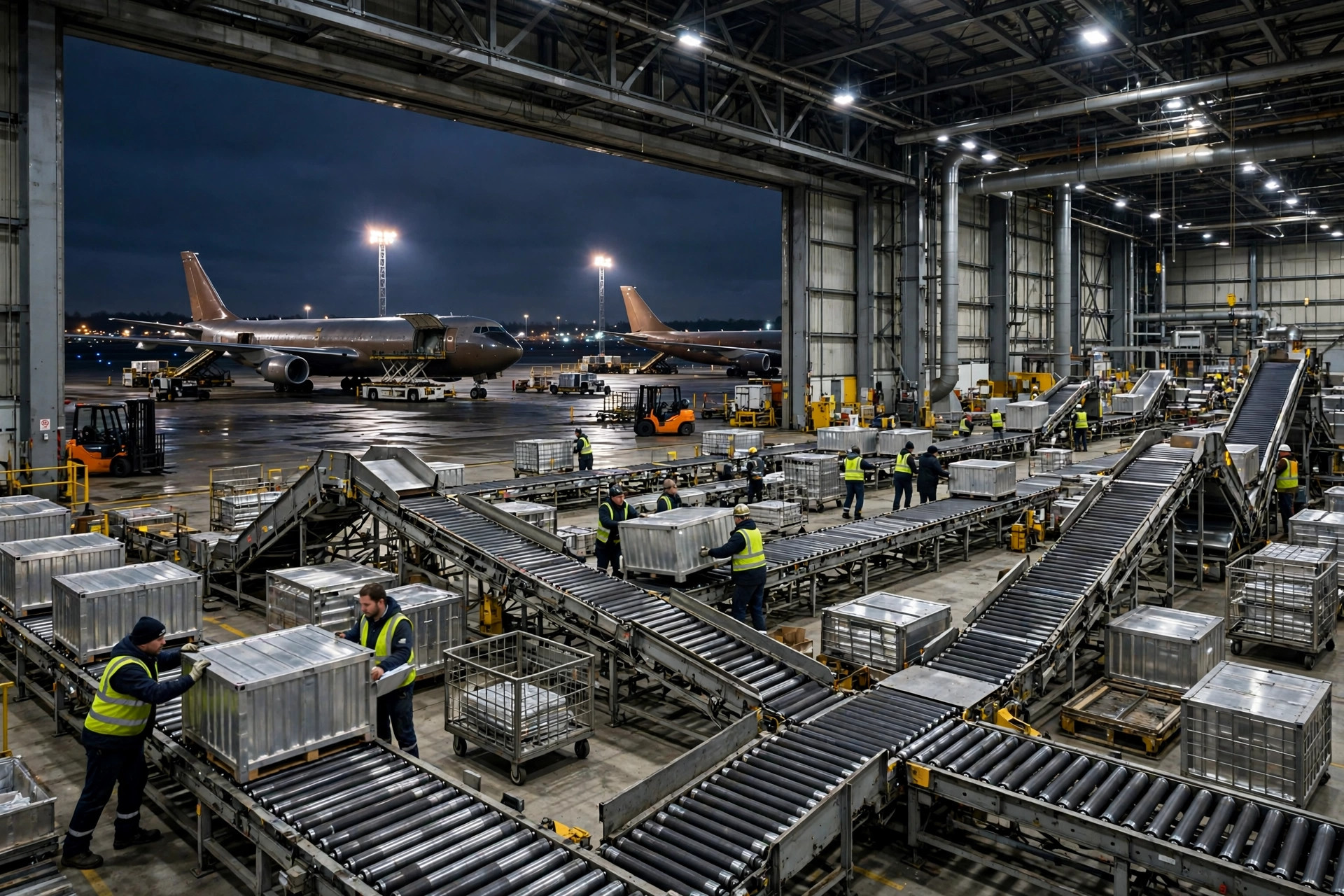
The Port of Buenos Aires has a second identity: it is the gateway at the mouth of the Rio de la Plata. Cargo transships here, heading for Uruguay or Paraguay, or coming down the river system to load onto ocean vessels. The counterintuitive thing about transshipment is that a sailing schedule, however neatly printed, is not a promise. A river-mouth port is more exposed than a deep-water hub to weather, water levels and carriers reshuffling their calls. Anyone who builds a transshipment connection by betting that a given sailing will be on time will eventually pay for one missed connection.
Our approach is unglamorous, and it works. First, keep transshipment cargo and local distribution cargo on separate plans. Separate them physically when you can, and at minimum manage them as two batches in the system, so one delayed transshipment shipment cannot drag down a whole day of local outbound work. Second, leave buffers: at least a full day of slack between the two sailings in a connection, more when the season is rough. The buffer is not waste. It is the insurance premium for this business. Third, paperwork first. Transshipment is rarely killed by a late vessel. It is killed by late documents. Bills of lading, transshipment declarations and the destination port's document requirements should all be in hand before the vessel berths.
Consider another illustrative example. Suppose you run four transshipment shipments a month, each low in value, each on a thin margin. Run them with zero buffer, tight against the sailing schedule, and a single missed connection can eat most of that lane's monthly profit in extra storage and rebooking charges. Run them with a day of buffer each, and what you lose is a little warehousing time. What you gain is four shipments moving to plan. You do not need precise figures to see the direction: transshipment earns its money from the certainty of the connection, not from gambling on the schedule.
There is one more trap, and first-timers fall into it often: looking only at the port itself and forgetting the import clearance system behind it. Argentina's import administration has changed repeatedly over the years. The exact document requirements and permit rules should be checked against the latest official policy. I will not write any of them down here as fixed facts. My advice is to work with a partner who has actually done clearance and distribution locally, not one who just quotes the lowest price. A low quote that leaves cargo stuck in the port is the most expensive quote you will ever accept. I have seen that story too many times, and the customer always pays for it in the end.
When you choose a warehouse, I have a plain method: do not judge it by photos and a quotation. Ask three questions. First, how many shipments like yours has this warehouse handled in the past year, and does it have a working procedure ready, or will it be learning on your cargo? Second, is there someone in the warehouse who can deal directly with customs and the terminal, or will you be chasing every step yourself? Third, how do they roster staff in peak season and during strike periods, and is anyone on duty at night? The answers matter more than a slightly cheaper rent per square metre. In Buenos Aires port warehouse logistics, you are not buying floor space. You are buying someone who can act the moment something goes wrong. A rent discount of twenty percent does not cover one shipment waiting three extra days in the port. I would rather you did that math before signing the contract than after the cargo is stuck.
So, can this business be done? Yes. How? Do not chase speed, do not chase the cheapest price, and do not bet on schedules. Get the paperwork right first, place the warehouse according to whether your cargo can wait, and leave real buffers for transshipment. Do those three things and this river-mouth port is an opportunity. Skip them and it becomes tuition. Tell me honestly: can your cargo afford to wait?
By Lao Mi, Supply Chain Veteran (20 yrs)