We had a client who called me last year wanting a warehouse in Brazzaville, and his first question was the one I hear all the time: "Susan, what does warehousing actually cost in Brazzaville, and where should the freight come in?" I did not quote him a rate. I asked back: is your cargo selling inside Brazzaville, heading inland across Congo, or crossing the river? He paused: a bit of all three. I told him that was not one warehouse decision but three route decisions, and a wrong site would make every shipment pay rent to the landlord and the trucking company twice over.
Brazzaville sits on the Congo River, with Kinshasa staring back from the opposite bank. Two capitals, one river between them, yet two customs regimes, two rulebooks, and two rhythms of business. Anyone who has actually operated warehousing in Brazzaville knows the rent per square meter is only the first line of the bill. The real bill lives in the inbound route, rainy-season roads, customs tempo, and power and security clauses. I have watched shippers sign the cheapest lease in town, then hand every cent saved straight back in demurrage, overtime, and emergency trucking.
The River Port or Pointe-Noire: Settle the Inbound Route First
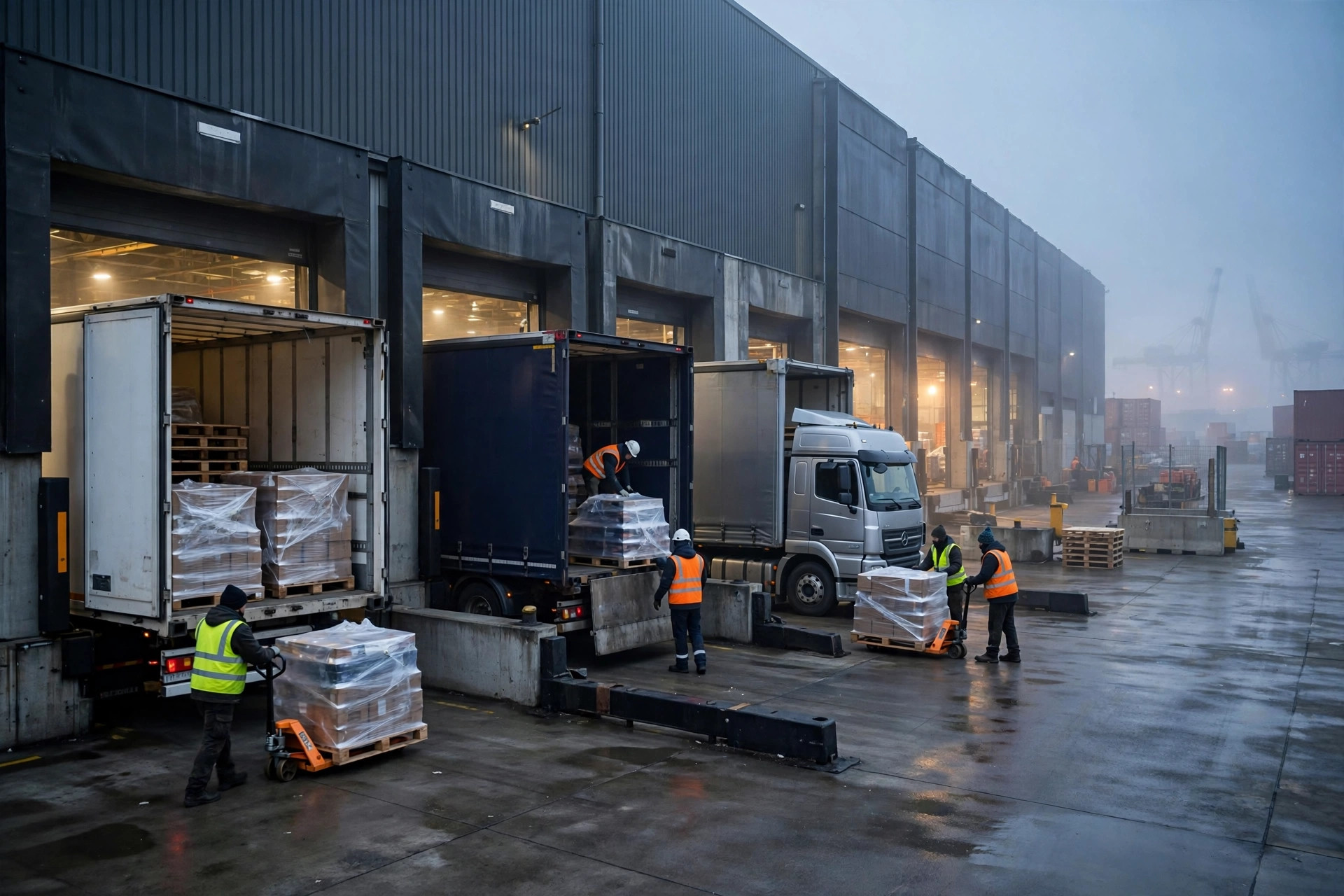
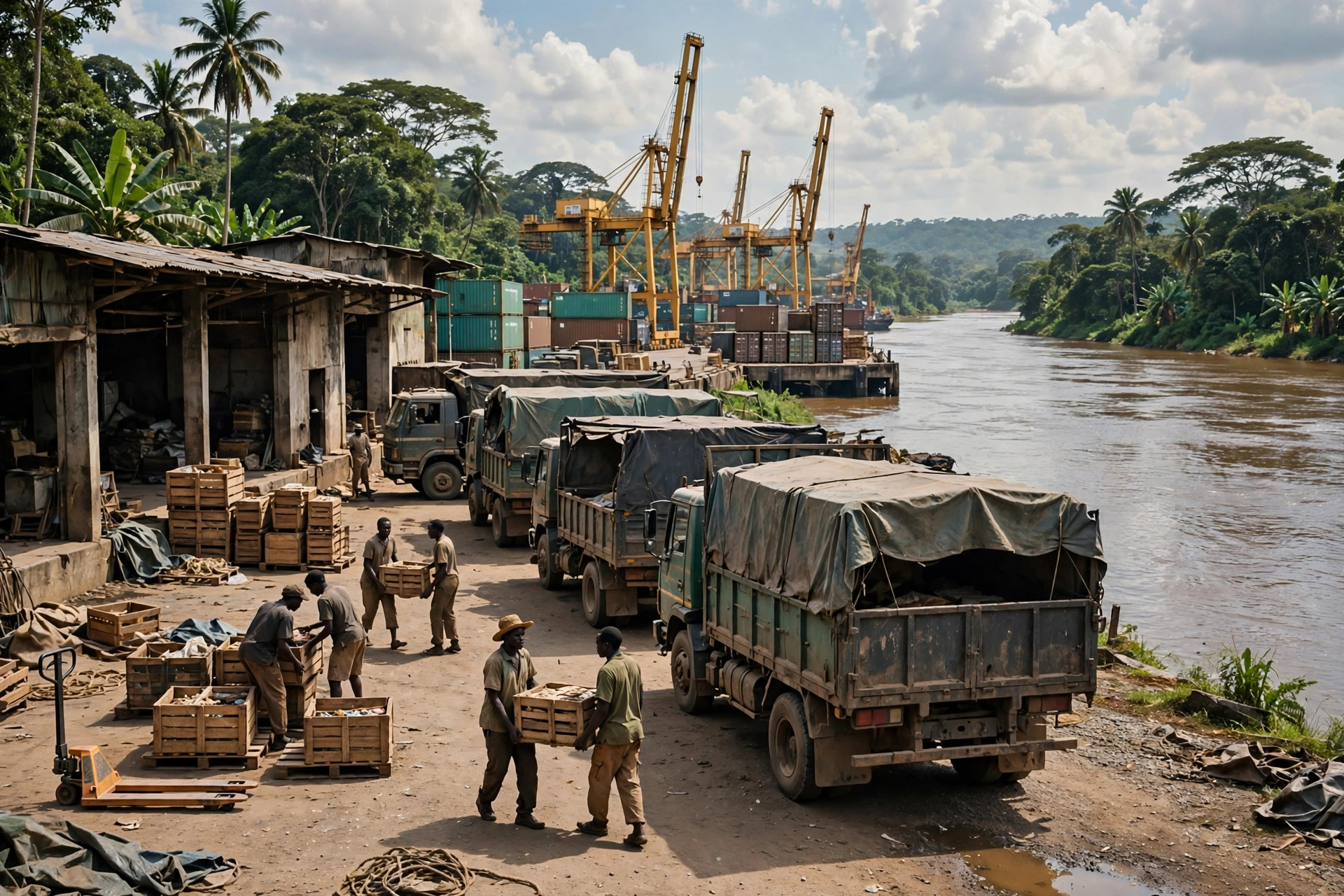
Start with inbound freight. Congo's ocean gateway is Pointe-Noire, and cargo landing there faces roughly five hundred kilometres of road before it reaches Brazzaville. That corridor is the country's main artery and best-maintained road, but peak-season capacity tightens and rain can chew up stretches of it, so transit times swing. The other option is the Congo River itself: cargo moving by river, or staged at Brazzaville's river port for transshipment and distribution, which suits inland-bound freight, cross-river freight, and cargo that does not need to rush into the city centre.
We had a consumer-goods distributor who insisted on routing everything through the Pointe-Noire road corridor because "sea freight straight in is the proper way." One rainy season, his trucks lost nearly a week on the road, his city stores ran out of stock for three days, and the emergency top-up trucks cost him more than twice what the regular route had saved. He switched to two legs: planned, bulk cargo still comes up the Pointe-Noire corridor, ordered two weeks ahead with trucks locked in early, while urgent replenishment moves through the river-port direction, with roughly three weeks of safety stock held in the warehouse. His stockouts fell from once or twice a quarter to barely once in a long stretch.
Here is the inside view from the provider's side of the table: many rate sheets quote a single "door-to-door" freight figure and stay quiet about waiting time, rainy-season surcharges, and empty-return rules. When you negotiate, do not just compare the headline rate. Ask three things: what happens if the truck is more than three days late, whether rainy-season detour surcharges have a cap, and after how many hours of waiting at unloading the clock starts charging. Ask those three questions out loud, and the other side knows you have done this before.
City Warehouse or Suburban Warehouse: The Rent Gap Is Full of Hidden Costs
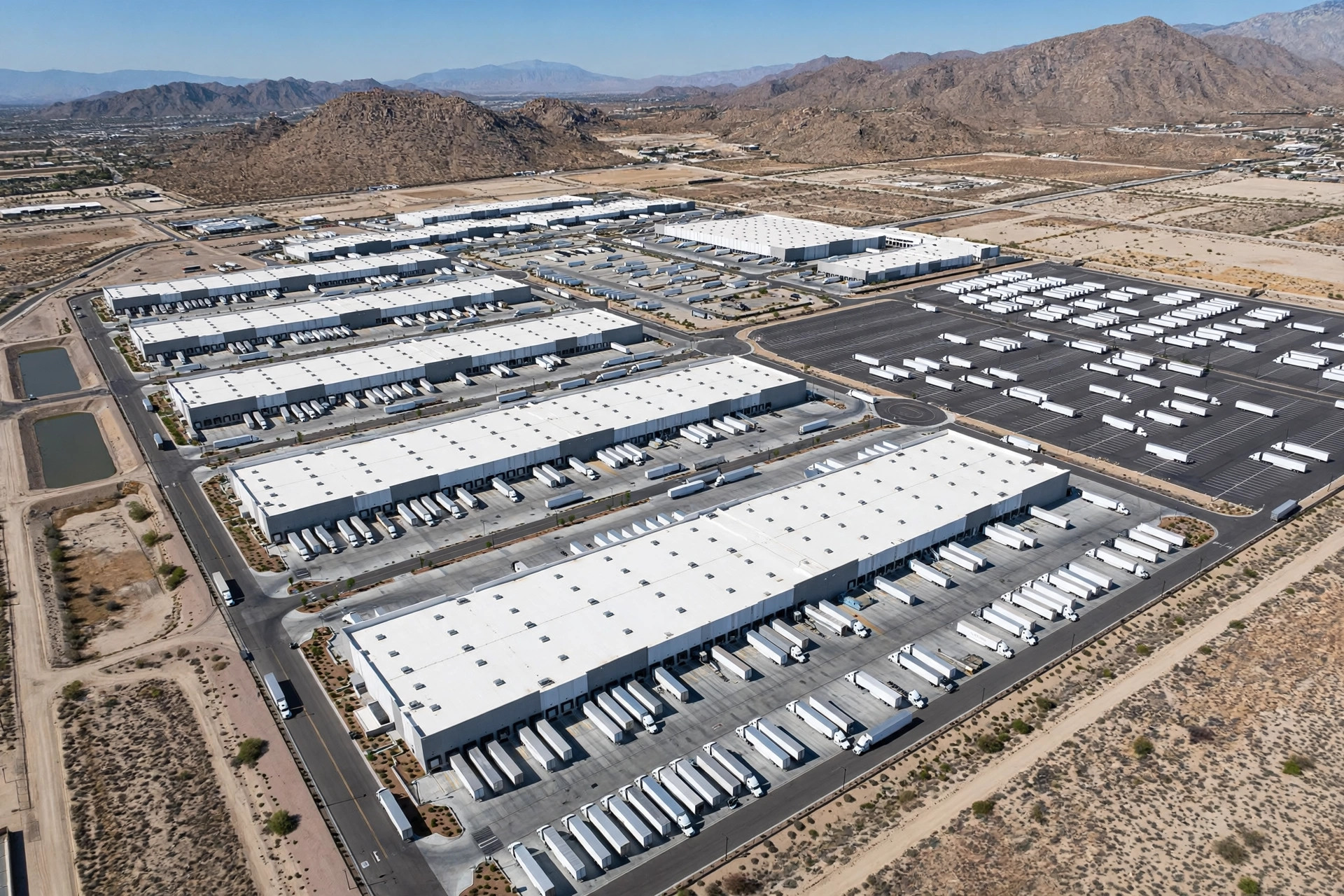
Then there is the site itself. A warehouse inside Brazzaville keeps you close to customers and stores, with short delivery runs, which suits frequent, small-batch city distribution. But city sites tend to be smaller, with narrow access roads where a big truck can barely turn, and rents run at city prices. A suburban warehouse flips the picture: bigger floor, proper truck access, and a lower rate, which suits regional distribution and buffer stock, but every run back into the city adds mileage and fuel to each order.
We had a building-materials and home-appliance client who started in a city site of under two thousand square meters because the location looked convenient. Three months in, his real accounts told the truth: big trucks could not get in, so everything had to be transferred to small vans in stages, adding a large extra cost line every month, and peak-season gate queues piled on overtime. He moved to a suburban site of around four thousand square meters, where the rate was roughly thirty percent lower, trucks drove straight to the dock, and the transfer step disappeared. City deliveries switched to two fixed van rounds a day, and his total cost fell.
So my advice is blunt. If your business is high-frequency delivery inside Brazzaville, a small city warehouse fits. If you need to cover the interior, hold buffer stock, and receive big trucks, a suburban warehouse wins. And when you negotiate rent, do not negotiate the rate alone. Tie down the lease term, the escalation clause, the rent-free period, and the early-exit terms in the same conversation. Plenty of leases here carry vague escalation language like "adjusted to market," handing the landlord the entire upside. Get it rewritten as a fixed number or a hard cap, with an early-exit right if the increase goes beyond it.
Two clauses cause more trouble in Brazzaville leases than anything else. The first is power: grid supply is unreliable, and without backup power, lighting, security, and systems go down for half a day. Before signing, visit in daylight and after dark, check the voltage, and pin down who provides the generator and pays for fuel. The second is security: walls, gate control, night guards, and camera coverage belong in a contract annex, not a verbal promise. We had a client whose landlord promised round-the-clock guards; after moving in, he found one night watchman at the gate, lost small appliances, and spent two months arguing over liability.
Inland and Cross-River Distribution: The Warehouse Plays a Different Role Each Way
A Brazzaville warehouse has one more layer to its job: it is the starting point for inland distribution and the staging point for the Kinshasa side. Heading north toward Owando and Ouesso, distances are long and delivery points scattered, so freight must be consolidated onto fixed weekly schedules of one or two departures, with trunk haul plus last-mile handover. Heading across the river, distance is not the problem; paperwork is. Two customs processes, ferry scheduling, and document completeness decide everything, and one missing paper leaves cargo waiting at the riverbank.
Here is the counterintuitive part most newcomers get wrong: the closer a warehouse sits to the river, the better, or so they assume. In practice, a riverfront site is good for transshipment and cross-docking, and poor for long-term storage and careful picking. Damp air, rough yard conditions, and a rhythm built around vessel and ferry arrivals are not what fine warehouse work needs. The sites that work best are usually suburban nodes a little way from the river, well placed for both the inland highway and city delivery: not far from the water, but much closer to the road.
We had a client who did it the other way round: he rented at the riverfront hoping one site could do both transshipment and storage. When the rains came, the yard flooded, trucks slipped getting in and out, and picking shut down for two days. He split the operation: a small riverfront staging point that only receives and hands over cargo, and a main suburban warehouse that does storage, picking, and dispatch. After that, his inland departures ran on schedule.
Put it together as a decision table:
| Your main market | Preferred site | Main inbound route | Negotiate this first | | Brazzaville city delivery | Small city warehouse | Pointe-Noire corridor plus local top-ups | Unloading waiting time and overtime rules | | Congo inland coverage | Large suburban warehouse | Pointe-Noire corridor plus scheduled trunk runs | Lease term, escalation cap, early exit | | Cross-river and river transshipment | Small riverfront staging point plus suburban main warehouse | River-port transshipment | Ferry and customs waiting-time liability | | Buffer stock and distribution | Large suburban warehouse | Both routes in parallel, with safety stock | Power, security, and backup-generator clauses |
The honest view from the provider's side: Brazzaville does not lack warehouses, only tenants who can read the total bill. The landlord's rent is only the first line. The real money sits in trucking, rainy-season delays, power, security, and customs rhythm. Before you pick a site, split your cargo into three buckets: high-frequency city freight, planned inland freight, and cross-river transshipment freight. Give each bucket its own route and warehouse role, and only then sit down to negotiate.
Next time you negotiate a contract, ask these three questions: are rainy-season delays and detour surcharges capped? Is the rent escalation a fixed number, with an early exit if it goes beyond it? Are power and night security written into a contract annex, with liability spelled out if they fail? Get clear answers to those three, and your Brazzaville warehouse will be a decision you made, not a lease you inherited.
By Susan, 3PL Sales Director