Let me be blunt. brazil nota fiscal warehouse movement is the first lesson Brazil teaches you, and it teaches it the hard way. Your stock can be sitting right there on the shelf, picked, packed, and ready, and the truck still will not leave. Not because the driver is lazy. Because the paperwork for that exact load is not right, and no sensible driver will take that risk for you.
I learned this by importing my old habits. Back home, a transfer was a click and a truck at the door. Ship first, fix documents later. Try that in Brazil and you will spend the day at the gate, operations chasing you, and a good load going nowhere.
Brazil Nota Fiscal Is Not Just an Invoice
Most sellers get this wrong on day one. They hear Nota Fiscal and think invoice, something finance issues after a sale. In a Brazilian local warehouse, that thinking breaks fast.
Think of it as an ID card and a travel permit combined. Where did this stock come from, where is it going, what is it, how many units, and what kind of movement is this — sale, transfer, or return? All of that must match the physical goods. The warehouse receives against it, the driver travels with it, finance books against it. If one side does not match, the other two get stuck.
I will not quote specific tax rates or penalties here. Treat the current federal and state rules in Brazil as the only source of truth, and check them with a local accountant.
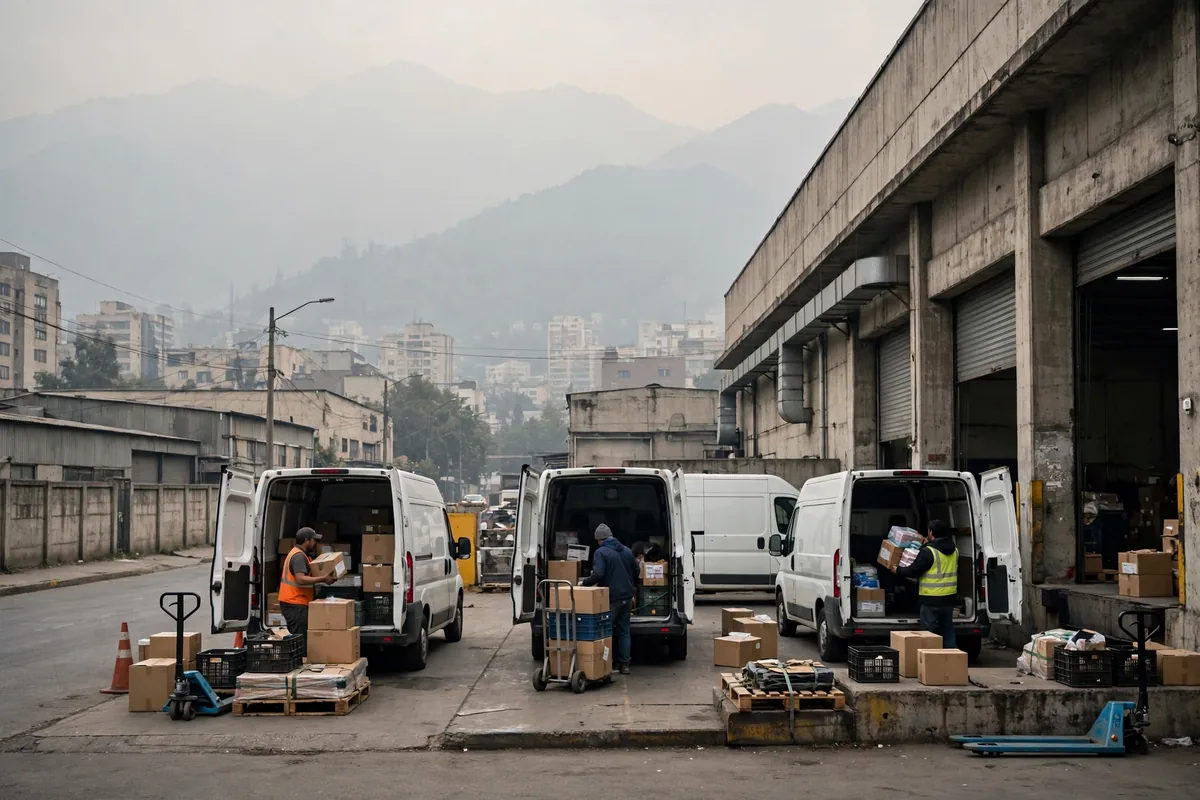
Scenario illustration, hypothetical example one: a seller moved small appliances from an outer warehouse in Sao Paulo to a platform warehouse in the same city. Same owner, same stock, so they told the driver to go first and let finance issue the transfer document the next day. The truck was stopped for a check. The driver had nothing that proved what the load was, whose it was, or where it was going. The truck waited, the receiving appointment was missed, and a simple transfer became a full day of explanations. The goods were never the problem. The proof was simply not in the truck.
Warehouse Movement Means Four Different Paper Trails
I split every warehouse action into four types, and for each one I ask the same question first: is the document ready?
First, inbound. Receiving is not just counting boxes. The team checks sender, receiver, description, and quantity against the physical goods. If it does not match, do not receive it and hope. Stock received on a wrong document becomes poison, because every later movement inherits the error.
Second, transfers between your own warehouses. Sellers underestimate this most. Moving your own goods still needs a proper outbound document and a proper receipt at the other end. Skip that and you create ghost inventory: the system says it arrived, the shelf says it did not.
Third, sales dispatch. Picking and packing is half the job. The other half is issuing the sales document that matches that exact order and parcel, so the driver can accept the handover.
Fourth, returns. A return is not finished when the box comes back. Buyer, platform, and damaged returns each follow a different path, with different document handling. Goods returned without a proper paper trail become stock with no clear origin, painful to sell or transfer again.
Here is my counterintuitive take, and plenty of experienced sellers disagree at first: in Brazil, let the goods wait half a day rather than let the goods run ahead of the document. Back home we feared late dispatch. In Brazil I fear paper and goods separating much more. A late truck is a service problem you can apologize for. A load that cannot prove itself is a compliance problem that takes many times longer to unwind.
How I Run It: Paper and Goods Travel Together
My method is not fancy. Step one, documents before tasks. My lead confirms document status before any picking task is released. Nothing is worse than a fully packed load discovering at the gate that it cannot leave.
Step two, a two-person check before sealing the truck. The lead reads description and quantity out loud, the loader counts the goods back. It takes minutes and catches the classics: accessories on paper, finished units in the truck, or a quantity never updated on the document.
Step three, someone owns in-transit. I keep a simple list: truck, document, departure, expected arrival, actual arrival. Anything overdue gets chased the same day.
Step four, quarantine anything mismatched. Failed goods go to a separate area, flagged in the system, never blended into clean stock. Blend them once and that mistake poisons counts for weeks.
Scenario illustration, hypothetical example two: a friend selling auto parts let his returns team put buyer-returned parts straight into prime stock without checking them against the return documentation. At the next count the numbers did not reconcile, and a few units had already been resold as new. The buyer complained about signs of use, and the team spent weeks digging through records to explain that batch. After that, I made returns checking stricter than normal receiving, not looser.
The Numbers I Actually Watch
I do not stare at pretty dashboards. I track where mismatches happen, and I keep the routine visible to the whole shift.
| Check point | What we compare | If it does not match |
|---|---|---|
| Inbound receiving | Document description and quantity vs physical goods | Quarantine, do not shelve as prime stock |
| Transfer dispatch | Transfer document vs loading list | Do not seal the truck, fix it first |
| Sales dispatch | Order, parcel contents, and outbound document | Hold the parcel and recheck |
| Returns receiving | Return reason and condition vs its documentation | Book it separately, never mix with new stock |
That table lives opposite our packing benches. After a few weeks a pattern shows up: the biggest time sink is never slow picking. It is rework from skipping a two-minute check, then hunting for goods and documents. Front-load the checks that brazil nota fiscal warehouse movement demands, before the truck is sealed, and rework drops in a way you can count within two weeks.
Two more traps. Naming: if the document, carton label, and system all say different names, an inspector will call it a mismatch. I keep a three-column table — document name, system name, carton name — aligned once, used by everyone. And cross-state moves: rules differ across states, so never assume a same-city template works interstate. Check the latest requirements, ask a local accountant, and never test a rule with a full truckload.
My Wall Checklist Before Any Truck Moves
Before any load leaves, the shift lead walks this list out loud. This is what brazil nota fiscal warehouse movement looks like on a real warehouse floor.
Check the parties and the movement type: a transfer is not booked as a sale, a return is not booked as normal inbound. Check the description: document, system, and label all point to the same product. Check the quantity, case by case, because tail numbers hide errors. Check the status: the document must be valid and ready, not pending. Check the handover: the driver holds the document for this specific load, and sign-off is recorded. Check the exceptions: mismatches are quarantined, noted, and given a named owner.
The hard part is running it when orders pile up. That is exactly when you need it, because one wrong load costs the time of ten correct ones.
Three final warnings. Never let finance and the warehouse keep two versions of the truth; reconcile daily, not at month end. Never rely on a veteran driver waving a problem away; if the document is wrong, he will not move, and he is right. And with a new warehouse or partner, run small batches through all four flows first, and only scale up once the paper trail survives all four.
In Brazil, ask for the document before the goods move. Paper right, then truck out. It sounds slower. It is actually the fastest way I know. This trick worked for me in real operations, every single time.
By Ah K, E-commerce Seller (5 yrs)