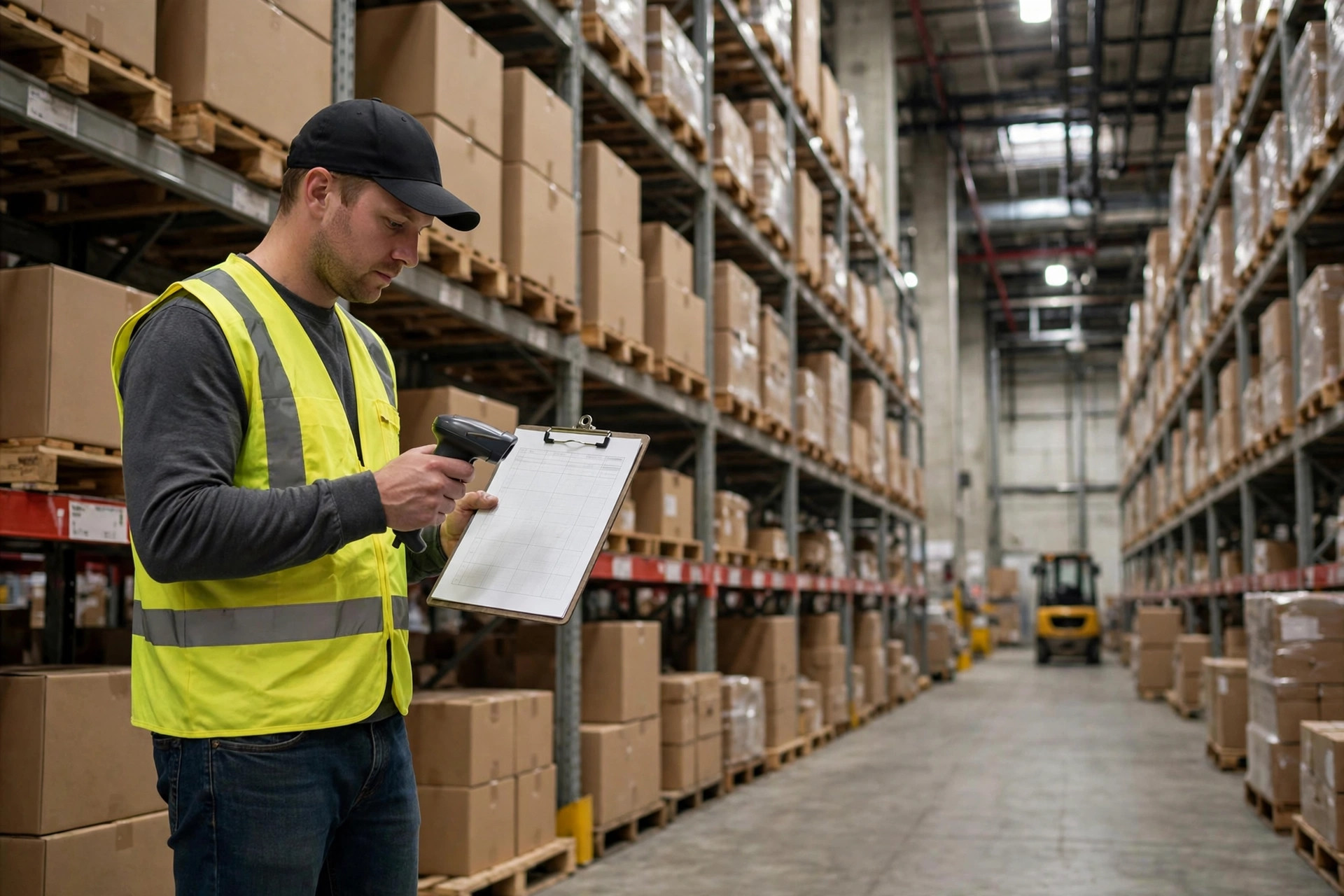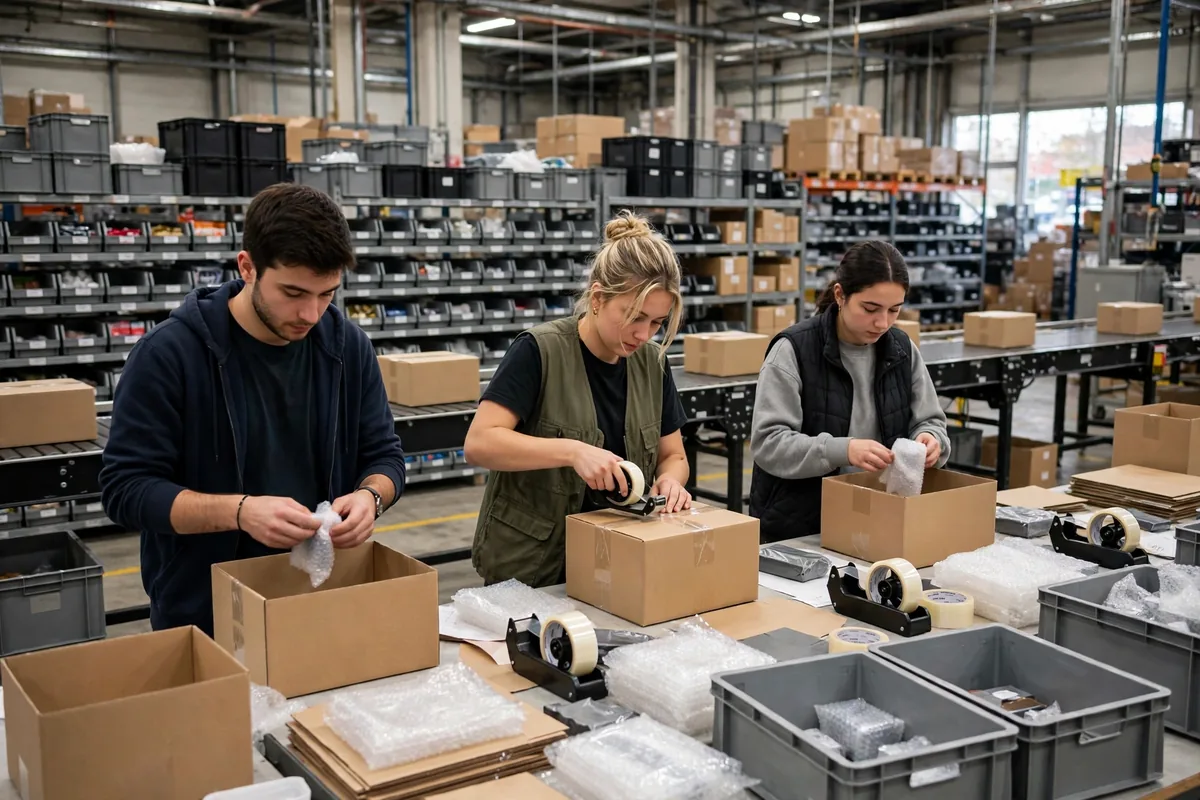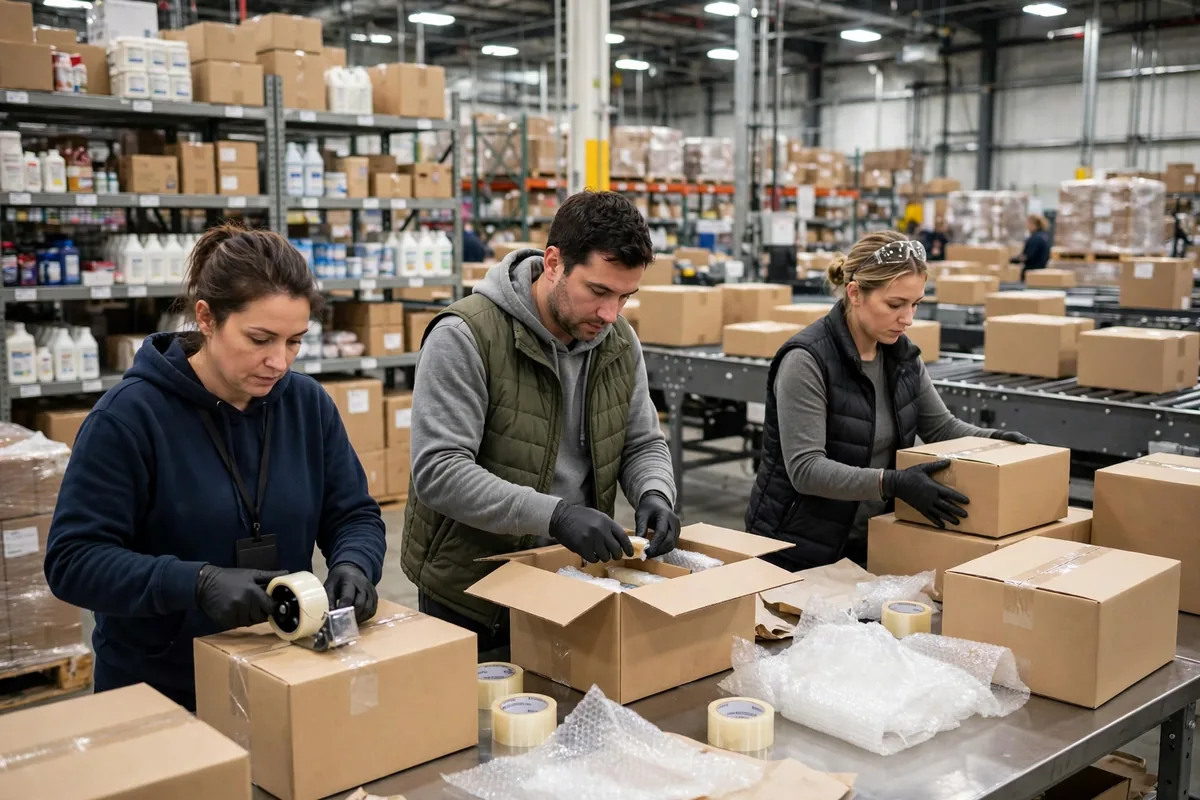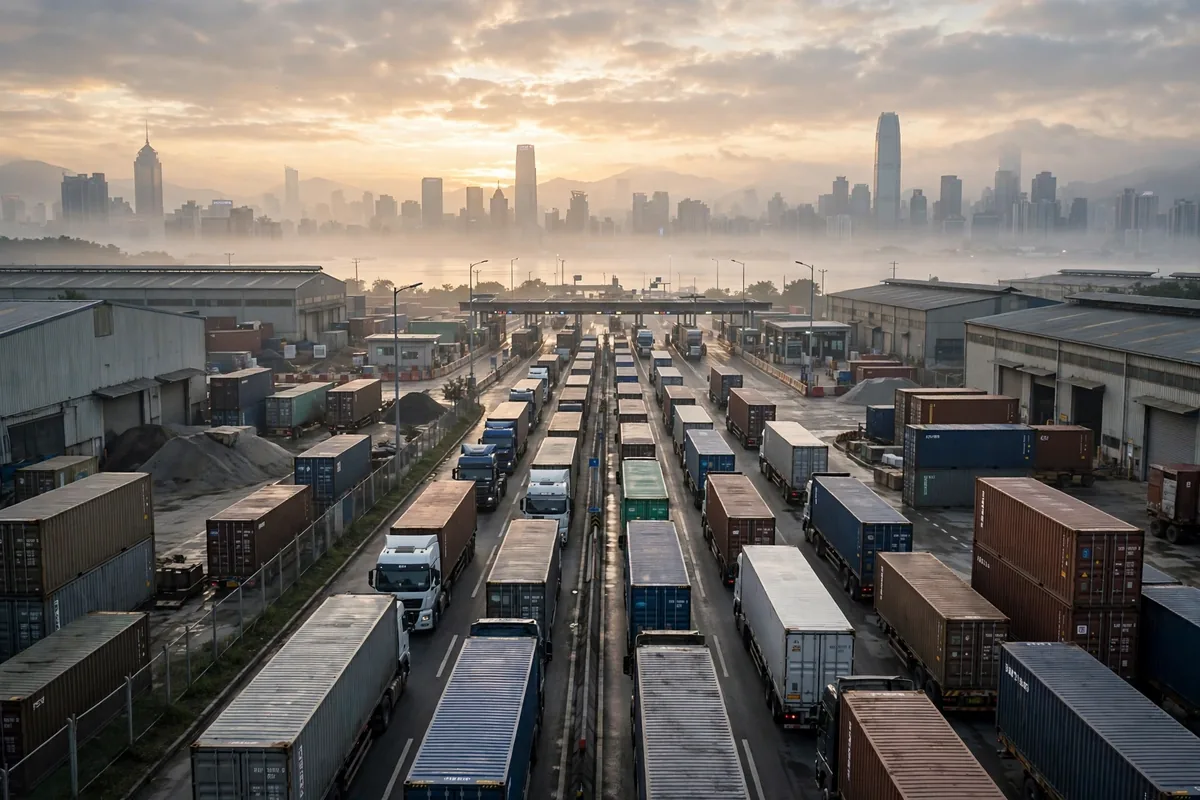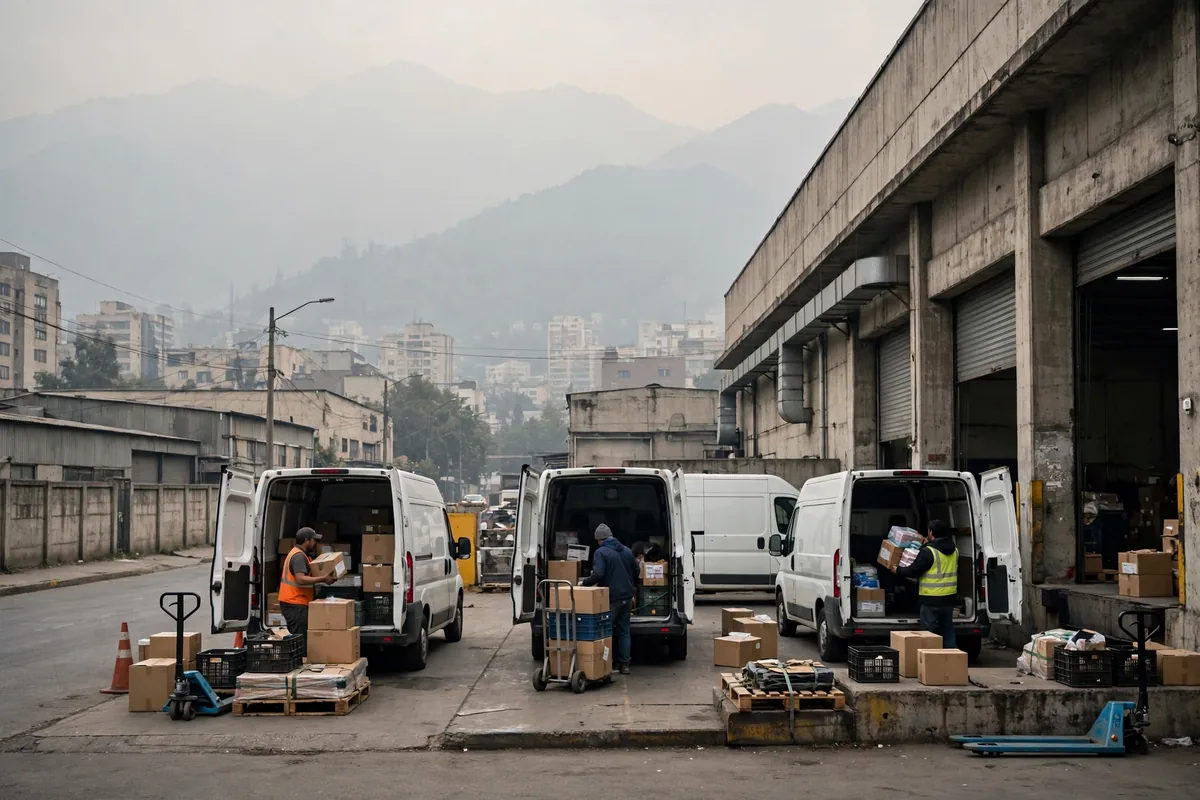
A Chile Santiago urban delivery warehouse makes its reputation before seven in the morning. The shutter is barely up, yesterday's returns are already blocking the doorway, a driver is drinking coffee with one hand and holding a delivery note with the other, and the pickers are asking the only question that matters: are we running the old time windows today, or are we fixing what went wrong yesterday?
I have managed warehouse floors long enough to distrust any plan that has not survived a morning like that. In Santiago, a city warehouse is not good because it looks close to customers on a map. It is good when trucks can leave in the morning, return at night, and hand returns over without jamming the same door that tomorrow's freight needs.
Choosing a Chile Santiago Urban Delivery Warehouse by Access, Not by Map Distance
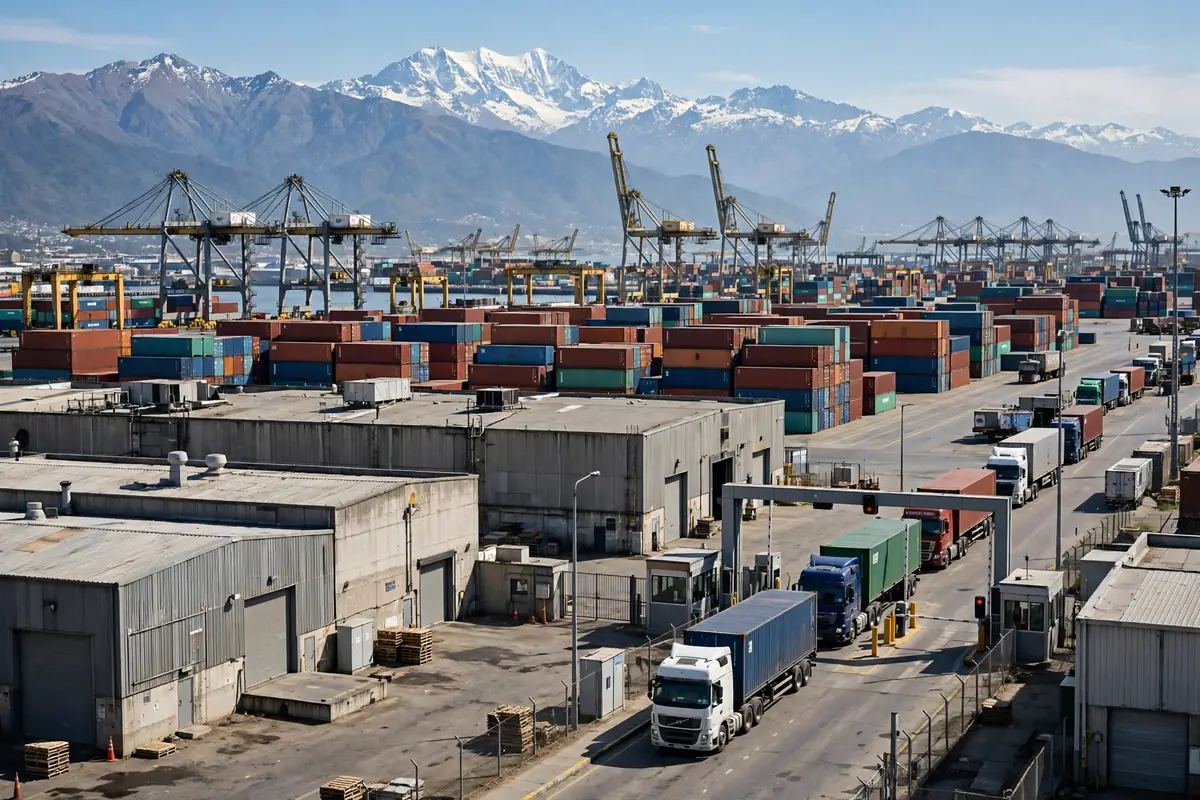
In 2024 I helped a friend assess an inner-city site that looked perfect in a presentation. It sat near a major commercial district, the rent was painful but defensible, and every route looked short on paper. One week of trial runs told a different story. The first trucks out in the morning drove straight into the worst congestion. In the evening, returning vehicles, returns, and the next day's staging all fought for one doorway. Freight that needed to leave waited behind freight that had just come back.
We changed how we judged the next site. Forget the circle drawn around the city centre. Check three things on foot, at real operating hours. First, can the first vehicle out move during the morning peak, and can the last vehicle back actually return during the evening peak? Second, is there room to stop, turn, and unload without blocking the street or the whole yard? Third, can outbound and returns flows be separated inside, even if the separation is just racking, floor markings, and discipline rather than construction?
The following year we moved to a site that was not in the most prestigious spot but reached main roads cleanly, and kept a small city transfer point holding only that day's fast-moving freight. Rent did not fall by much. What changed was the drivers' day: less time trapped in the same junction, more completed stops, and calmer returns at night. You will not see that gain in a rent comparison. Ride the route for two days and you will feel it.
Here is the counterintuitive rule I now give every manager: being far from a permanent bottleneck matters more than being close to customers. Customer addresses are spread everywhere, so you cannot be close to all of them. But if your trucks avoid the one junction that traps them every day, the whole network breathes.
Our site checklist is deliberately plain, because the crew has to use it too:
| Check | Good sign | Walk away when |
|---|---|---|
| Peak access | Trucks can still creep out and back at peak | The gate opens onto a daily standstill |
| Yard working space | Room to stop, turn, and split flows | One vehicle blocks every other vehicle |
| Internal flow | Outbound and returns use separate paths | Everything queues at one door |
| Staff access | Early and late shifts can actually get there | The site is so isolated nobody wants the shift |
It is not a sophisticated model. It has saved us from signing leases based on a sales pitch, which is exactly its job.
Time Windows Are Agreed With People, Not Imposed by the Warehouse
The fastest way to miss deliveries in Santiago is to invent tidy time windows in the office and let drivers discover reality at locked gates. Shopping centres, offices, small shops, and residential buildings all receive goods differently. Some receiving points open early and then close the window hard. Some homes are empty all day, so a second attempt is not service, it is just a second failure.
In 2025 our on-time numbers looked respectable for a stretch while complaints kept rising. I called the drivers in for a short meeting and listened instead of presenting. The windows on the paperwork were not wrong in theory. Nobody had confirmed them with the receiving side. From that week, fixed receiving points had their windows confirmed by our service team in advance and written into the route sheet. Drivers stopped negotiating basic facts at the gate. For residential orders, we sent a confirmation message before dispatch and rescheduled when nobody would be home instead of sending a hopeful van across the city.
Routing changed too. We used to build routes mainly by distance, drawing neat loops. Now we build by window first: stops with short receiving windows go early, flexible stops fill the gaps, and distance is optimised inside that order. A route can be slightly longer and still be far better, because a missed window wastes the whole trip, not just a few minutes.
Shift preparation makes the morning possible. The night team stages the next day's freight beside the outbound door, labels facing out, grouped by route. The early shift should be loading, counting, and leaving, not hunting for cartons during the busiest hour of the day. When staging slips, the whole building feels it by eight o'clock.
No system removes the human check. A regular receiver is away, a shopping centre changes its receiving entrance for the day, a building restricts access. Ten minutes before departure, with drivers, dispatch, and customer service looking at the same exception list, catches more problems than any dashboard I have used.
Returns Come Back Every Day, So Clear Them Every Day
Returns are the work every warehouse wants to postpone. Outbound feels like achievement. Returns feel like blame, so they pile up in a corner until nobody can say which item belongs to which order.
We made that mistake. One batch sat for days, customers chased our service team, and a new picker nearly sent two returned items back out as fresh stock. After that I set a rule with no exceptions. Returning vehicles go to the returns area, not straight into general stock. Everything that enters that day is counted that day and split into three groups with different coloured labels: ready to go back on the shelf, needs inspection, and confirmed damaged.
At the start of the next shift, the team leader checks the returns board first: how much arrived, how much was cleared, and what is still sitting there. Anything older than a day needs a named reason. Most delays are not about workload. They happen because nobody owns the pile. Give the pile an owner and it shrinks.
Record the reasons, not just the count. Wrong address, missed window, nobody home, damage, and customer changed their mind are five different problems with five different owners. One month, nobody-home was our biggest category by a clear margin, and that finding is why pre-dispatch confirmation messages became standard. A whiteboard the whole floor can see beats a report nobody opens.
Local tax, labour, and platform requirements in Chile change, so check the latest local policy before acting on any specific rule rather than running this year's operation from last year's notes. What you can fix permanently is floor discipline: choose the site for access and flow, agree time windows before routing, and clear returns the day they arrive.
If you manage a city warehouse, try this tomorrow. Stand at the outbound door for ten minutes, then stand in returns for ten minutes. Your biggest problem will introduce itself without a meeting. Fix that first, before you buy anything.
By Chen Feng, Warehouse Operations Manager