Frankly, half of Bolivian quinoa quality is decided in the field and the other half in the warehouse (bolivia quinoa export warehouse storage). I have seen too many exporters collect beautiful grain from highland growers, only to watch it lose grade, pick up moisture, or pick up insects during a few weeks in storage — and by loading day, the lot is no longer the lot they sold. Here is my conclusion up front: quinoa export warehousing is not about finding a cheap place to stack bags. It is one continuous account running from grading, drying, moisture control, pest control, and saponin handling all the way to container loading, and saving money in the wrong link sends everything you saved straight back out as a claim.
The Container Lesson: Dry Highlands Do Not Mean a Dry Warehouse
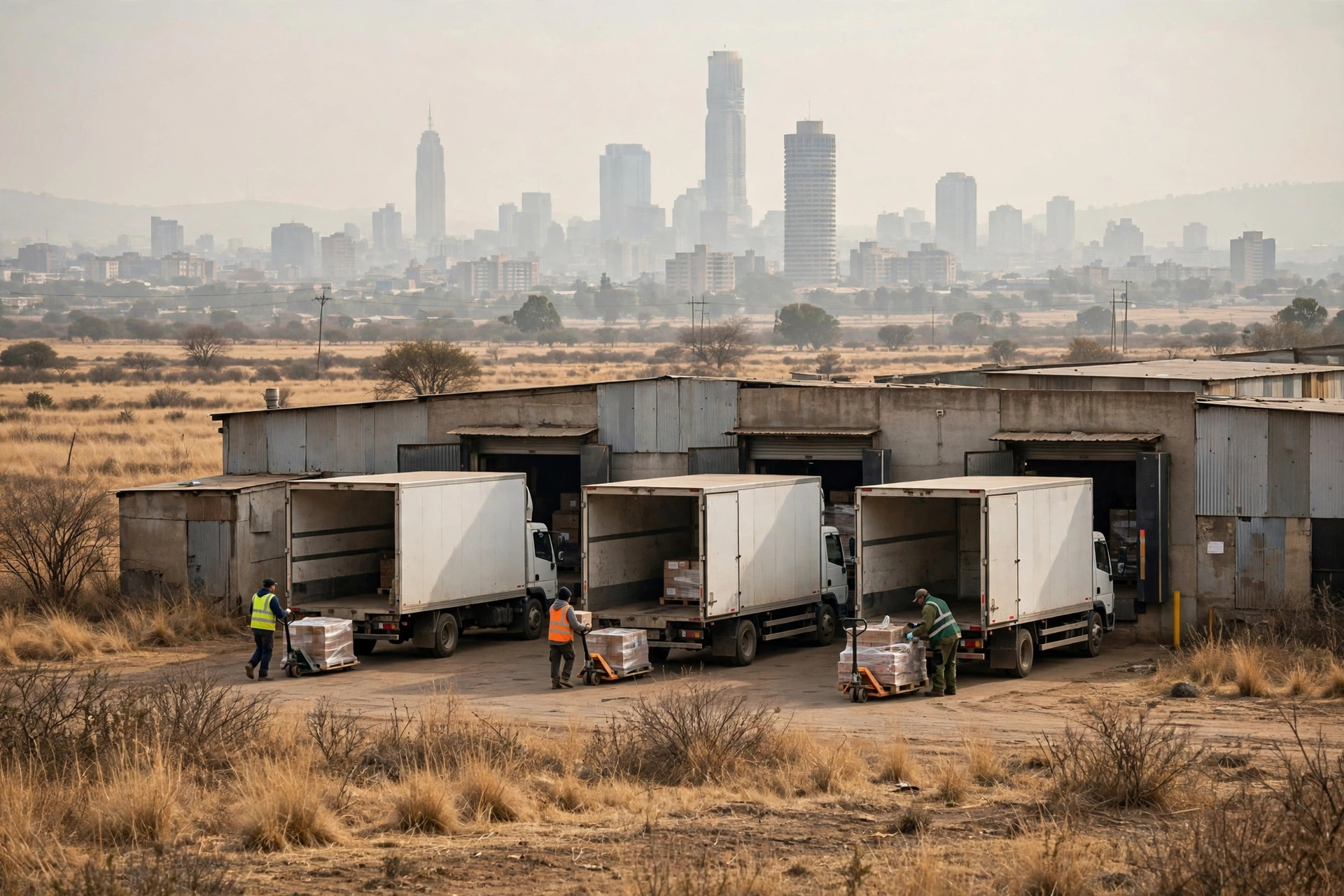
This cuts both ways. Years ago I followed a lot collected around the Uyuni highlands. The grain arrived clean, the color was good, and the buying station stacked it in an adobe-walled store. At night the highland temperature dropped fast, a thin film of condensation formed on the outside of the bags, and nobody treated it as a problem. By the time the lot reached a processing warehouse near La Paz for cleaning and grading, spot checks were already over the moisture line, and several bags against the wall had caked at the bottom. Worse, under pressure to meet a sailing date, the processor mixed that lot with a properly dried one. Once mixed, nobody could honestly describe the grade of the combined lot.
That lesson still shapes how I work. Dry highland air means dry daytime air — not dry warehouse walls at night, and certainly not dry residual moisture inside the bag. Quinoa grains are small, with a large surface area for their size, so they absorb moisture more readily than rice or wheat. One damp spell in storage, and the grade does not come back. So my first rule for any client is simple: test moisture and impurities before the grain goes into storage, and keep any lot that fails separate. Never mix it into good stock to save a few pallet positions. The space you save by mixing is repaid many times over when the whole lot gets downgraded.
Grading First: Separate the Good Grain Before It Enters Storage (Bolivia quinoa export storage)
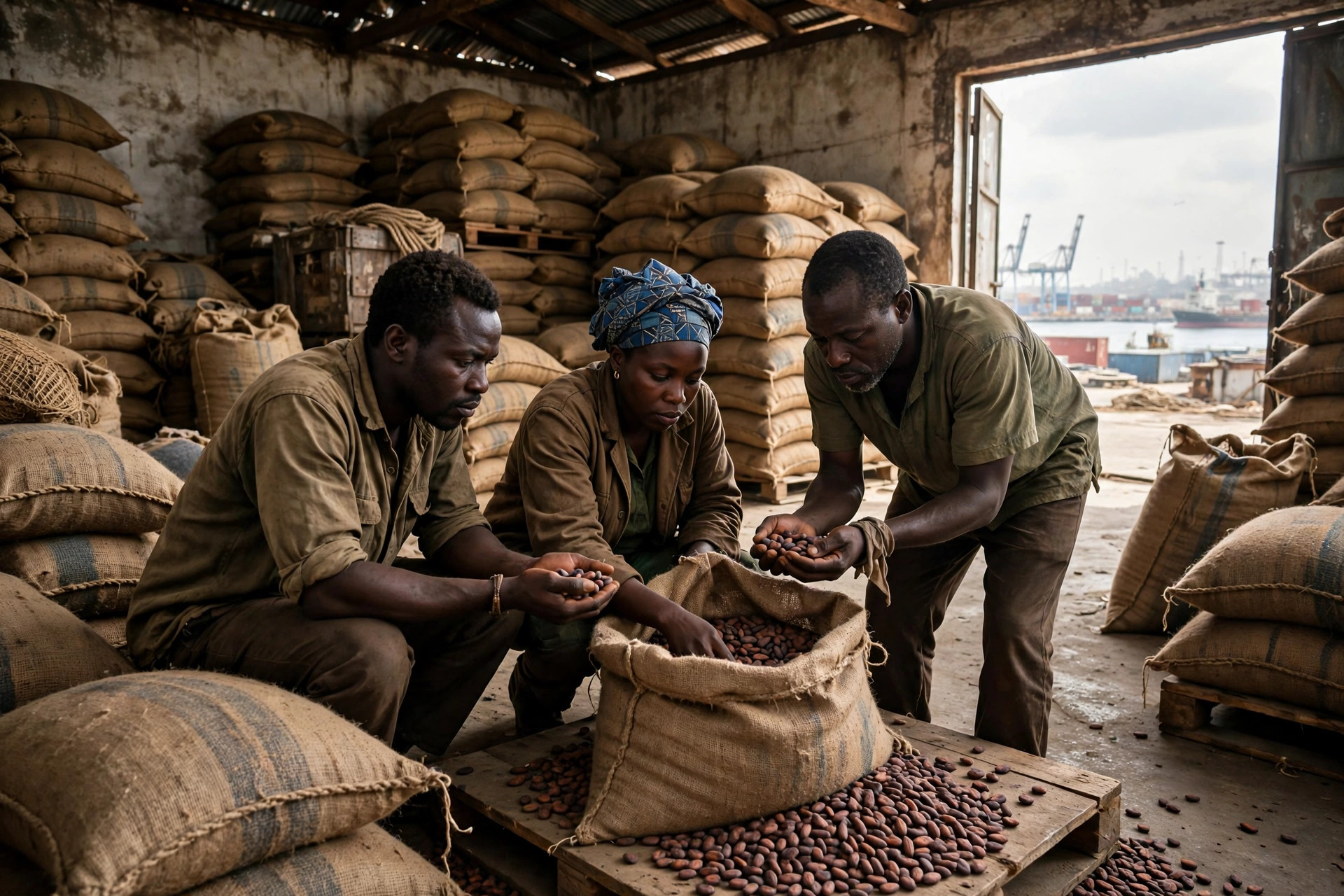
The second story comes from a processing warehouse in El Alto. An exporter had bought from three cooperatives, and the lots differed in color, grain size, and residual saponin levels. To save trouble, he put everything into the same store under a single grade. When the buyer sampled the shipment, the sample showed grains of visibly uneven color, and the buyer immediately questioned the consistency of the whole lot. The agreed price was knocked down a tier. The exporter later told me he had saved the hassle of separate storage and paid for it with the bargaining power of an entire shipment.
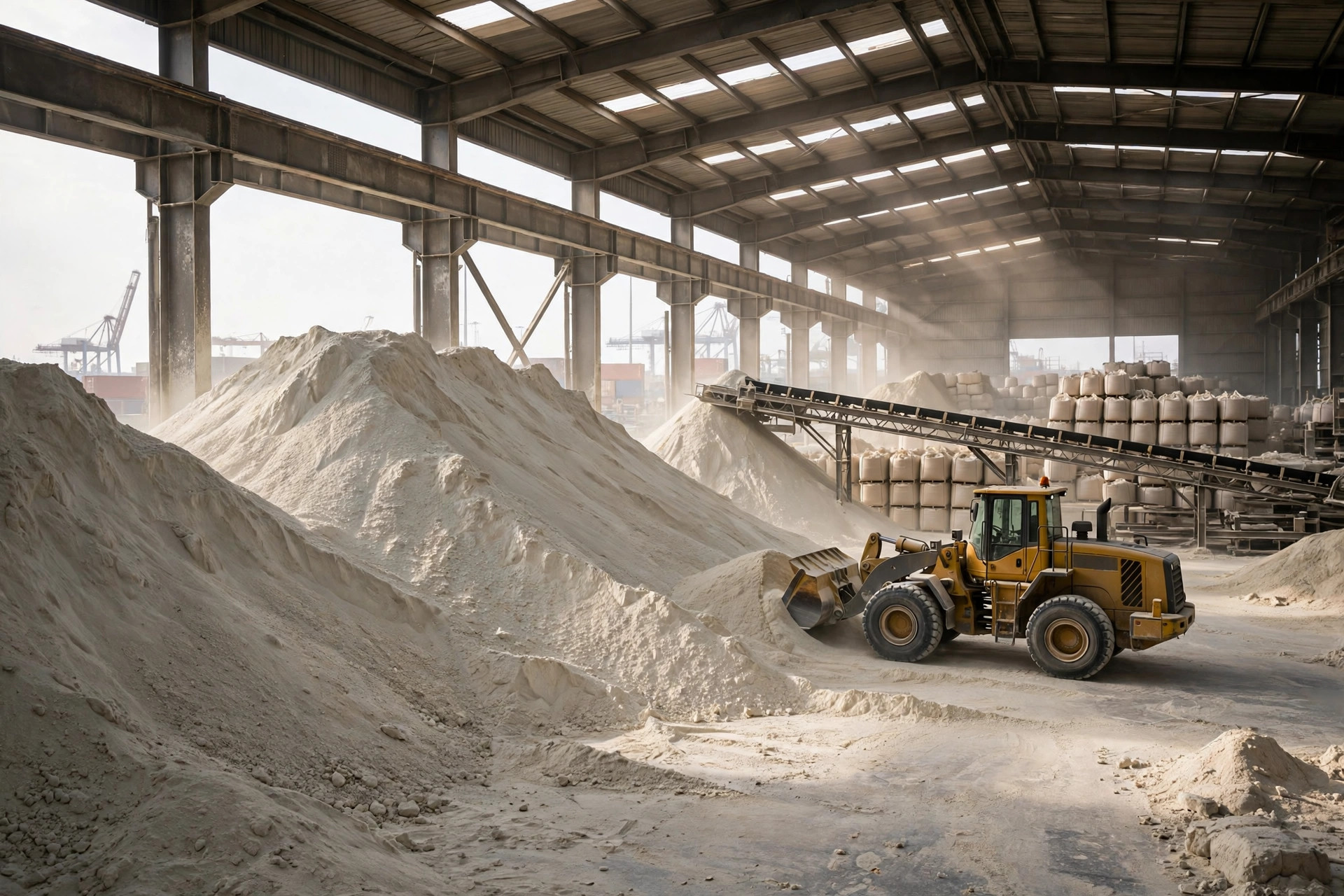
My method is plain, but it works. On intake, split the grain into three tiers: grain ready for premium channels, grain that needs another cleaning pass, and grain fit only for ordinary channels — separate stacks, separate labels, separate records. Saponin deserves its own paragraph. The bitter coating on quinoa must be removed in processing, and the fine, slippery dust raised in de-saponin work settles on floors, equipment, and everything nearby. If that dust is not cleared, it becomes contamination in the next lot; if ventilation is poor, the people in the room suffer first. In other words, saponin handling is not just a processing step. It is part of warehouse housekeeping.
Moisture, Pests, and Loading: The Account from Highlands to Port (quinoa export warehouse)
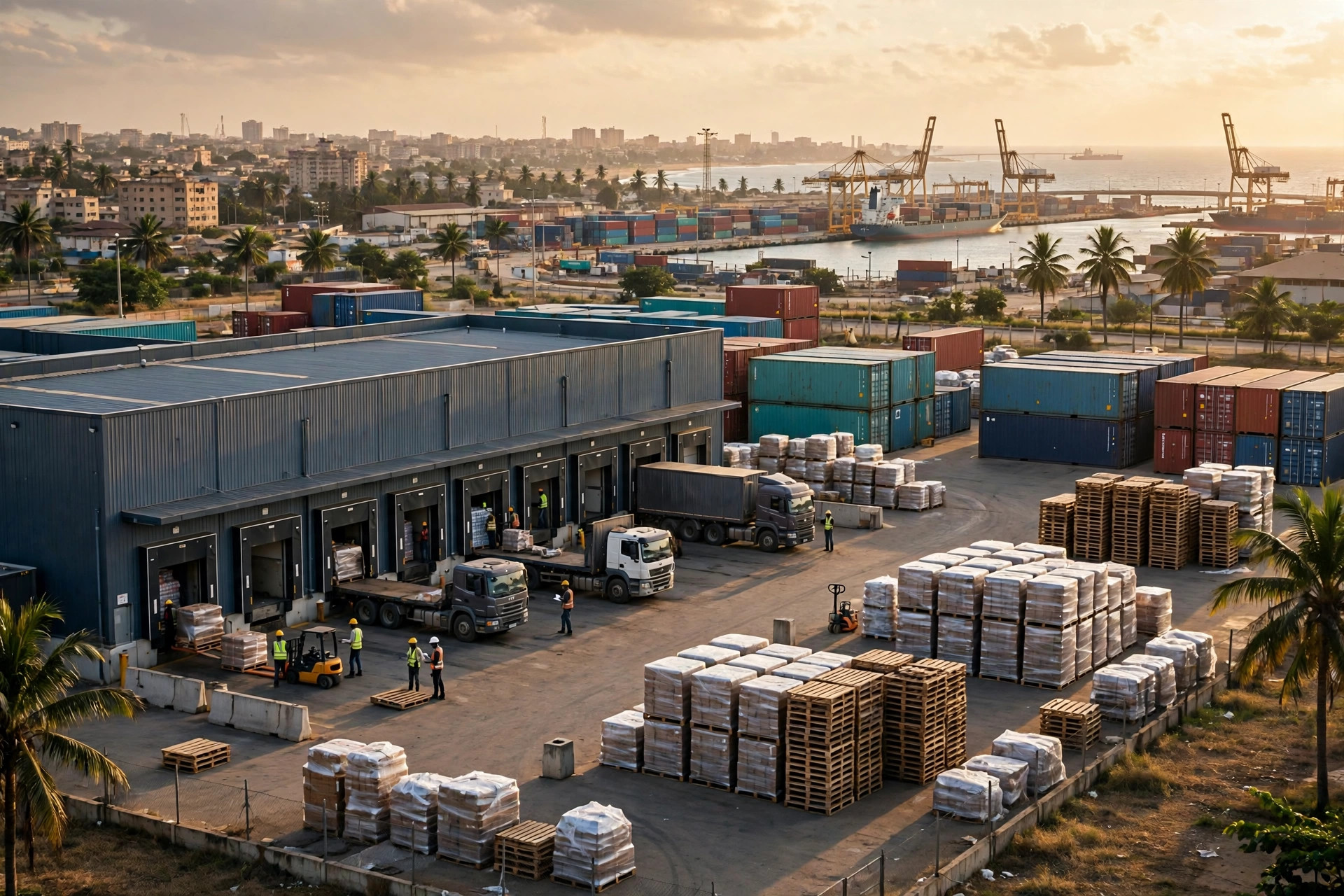
Bolivia is landlocked, so grain travels overland to a neighboring country's port before it ever sees a ship, and that journey is simply an extension of the warehouse account. A highland collection store, a processing warehouse, and a port transit warehouse have completely different temperature and humidity profiles, and bags repeatedly pass through day-night temperature swings in trucks and stores. The greatest danger is condensation inside the bag. My rules are boring and they work: bags off the wall and off the floor, ventilation gaps between stacks, more frequent spot checks in the rainy season and whenever day-night swings are large, and photographs at intake and dispatch — bag mouths, stack positions, warehouse doors — so responsibility is clear at every handover.
Pest control cannot rest on a single fumigation either. The usual trouble in a quinoa store is insects hiding in old bags, old pallets, and wall cracks. Fumigate without cleaning the store first, and the next lot gets hit again. The order that actually works is: clean the store, inspect the cracks, replace damaged bags, and only then talk about treatment. Treatment types and residue limits must follow the latest official policy — I will not endorse any particular product here. The same applies to export duties, inspection rules, and fees, which change often; check the latest official policy rather than trusting any figure printed in an article.
| Storage link | Cheap approach | Approach that looks dearer but saves money | Risk |
|---|---|---|---|
| Intake | No grading, mixed stacks | Graded stacks, labeled, recorded | Mixed stacks downgrade the whole lot |
| Drying and moisture | Sun-dry and hope | Test on intake, off wall and floor, frequent checks | Condensation, caking, mold |
| Pests | One fumigation only | Clean, seal cracks, replace torn bags, then treat | Insects return from old bags and pallets |
| De-saponin work | Ignore the dust | Ventilation, dust removal, batch separation | Dust becomes contamination |
| Port loading | Mixed batches, loose bag mouths | Load by batch, seal and reinforce, photograph inside the container | Buyer disputes at destination, claims |
Do a piece of example arithmetic and the logic becomes obvious. Take a 20-ton lot. If mixing drags it down one grade, and the buyer discounts it by even a few percent of the original price, the loss across the whole lot dwarfs the extra labor and space that graded, separated storage would have cost. The cost of doing it properly is visible on the invoice. The cost of a downgrade is not — it shows up later, in a claim, when it is too late to fix.
A Counter-Intuitive Judgement: The Driest Origin Is Where Storage Risk Gets Underestimated
Most people assume that because the highlands are dry, storage has little to worry about. My experience says the opposite. Precisely because the origin is dry, people stop worrying about moisture, and night condensation, damp bag bottoms, and condensation during long overland transfers all get waved away with "the highlands are not humid." There is a second counter-intuitive point: the cleaner the processing, the more delicate the grain becomes in storage. Once the protective outer layer is removed by de-saponin and cleaning work, the grain absorbs moisture and picks up odors faster. Store it next to a strong-smelling product and the odor transfer alone can ruin a premium lot. So the first question for good grain entering storage is not whether the door locks — it is what is stacked next to it.
That is why, when I negotiate a bolivia quinoa export warehouse storage contract today, I never start with rent. I start with three questions: who sets the grading standard, is the inspection frequency written into the contract, and who bears responsibility when a lot is downgraded? Get those three answered and I can live with a higher rent. Leave them vague and I would not put good grain in that warehouse at any price. In the end, bolivia quinoa export warehouse storage is not a contest over the price of a pallet position. It is a question of whether anyone is actually looking after the grain, day by day, while it sits in the store.
So let me leave you with a warning rather than a slogan. If the honest answer to "who is responsible for my quinoa during these weeks in storage?" is "the warehouse probably checks on it," then the grade of that lot has already started sliding from the day it went in. Good grain should not die in storage — and when it does, the warehouse account is usually where it happened.
By Lao Mi, Supply Chain Veteran (20 yrs)