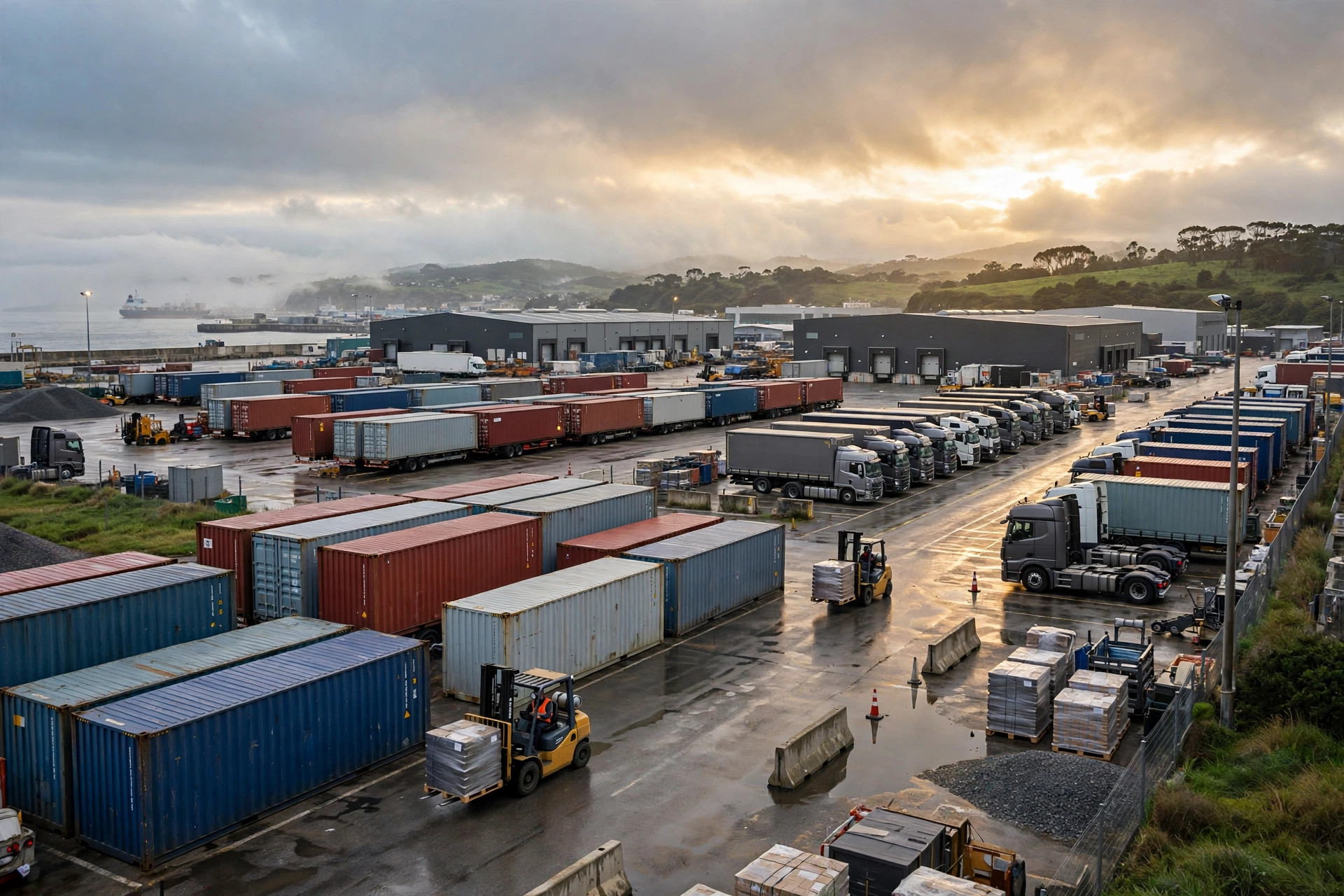
Let me tell you something. After all these years on the road, Bilbao struck me as different from other port cities the very first time I went there. It was a grey day, and I was hauling a load of auto parts out of the Port of Bilbao. The satnav sent me through the city toward the industrial zone to the south, and I spent the better part of an hour stuck at a roundabout right outside the port gate. The shipper was calling me, asking where the truck was, and all I could see in the mirror was a long line of container trucks. That was when it hit me: in Bilbao, where you put the warehouse matters far more than how fast the truck runs. Being close to the port does not automatically mean the freight moves smoothly. Sometimes a warehouse a little further inland is the one that saves you trouble.
I have run Bilbao many times since, delivering to towns along the northern coast and collecting freight from inland factories to bring back to the port. Bit by bit, the pattern became clear. The city is not large, squeezed between the Cantabrian Sea and the mountains, and flat land is precious. Warehouses cannot sprawl the way they do on a big plain. So the Bilbao warehouse market really comes down to one trade-off: do you want the convenience of the port, or the space and the cheaper bill inland? Do you want to sit on top of your customers in northern Spain, or do you want to keep the road to southern France open as well?
In Bilbao, Decide Where the Freight Goes Before You Sign a Lease
The most typical lesson I have seen involved a shipper of industrial components. At first he rented right by the Port of Bilbao, thinking that the moment a vessel berthed, he could pick up his cargo. But most of his customers were inland. Goods that entered his port-side warehouse still had to be sent south and east again, truck by truck. Port-side rents in Bilbao sit at the highest level in the market, and once you add the second round of distribution trips, the total bill came out well above what it would have cost to put the warehouse in the direction the freight was actually travelling. Worse, the roads around the port jam up during rush hour and whenever several vessels are being worked at once, so pickup times could never be promised with confidence.
Another friend of mine, who distributes food products, took the opposite approach and it worked for him. His warehouse sits in a logistics park not far from the port. Most of his freight arrives by sea, so a short shuttle of a few kilometres gets it into stock as soon as the vessel's schedule allows, and his city delivery trucks can be loaded in the morning and cover Bilbao and the surrounding towns before midday. For him, the expensive port-side location pays for itself, because the time saved and the spoilage avoided are worth more than the rent. Same port, same city, two opposite verdicts. The difference is entirely about where the freight is going.
Before signing anything, draw your freight flows from the last few months: how much arrives by sea, how much leaves from inland factories, where your customers cluster, and whether delivery is same-day or next-day. Once that picture is clear, the warehouse location almost picks itself. If the picture is fuzzy, even the cheapest rent is a gamble.
Three Ways to Set Up in Bilbao, and How to Price Each One
Over the years I have come to sort the places you can set up around Bilbao into three broad kinds. None of them is best at everything. The question is which one fits your freight.
| Option around Bilbao | Best for | Access | Cost level | Biggest risk |
|---|---|---|---|---|
| Port-side and near-port logistics parks | Import distribution, schedule-sensitive cargo | Closest to the port, fastest shuttle | Highest rent level | Peak congestion, tight yard space |
| Southern and inland industrial belt | Auto parts, equipment makers, inland distribution | Close to factories and inland trunk roads | Mid-level rent | Far from the port, imports travel an extra leg |
| Suburban yards and outlying warehouses | Bulk stockholding, seasonal buffer stock | Big space, easy access for large trucks | Lowest rent level | Longer delivery radius, harder to guarantee cut-off times |
Here is another real run that taught me something. One autumn I collected freight from a factory warehouse in an industrial zone at the foot of the hills and hauled it to the Port of Bilbao to catch a vessel. The factory road was good, loading was quick, and everything went well until we reached the port area, where two vessels were being worked at the same time and the port roads were jammed solid. We lost the better part of a day. After that trip, the customer changed his routine: cargo that had a vessel to catch was sent to a near-port staging warehouse a day early, while everything else stayed in the inland warehouse. It sounded like an extra step, but the missed-vessel risk it removed was worth far more than the extra shuttle cost.
That is why the bill has to be tallied in full. Rent, shuttle, trunk haulage, final distribution, and the risk of missing a sailing all belong in the same calculation. A cheap suburban rent looks good on paper, but if your delivery trucks add dozens of extra kilometres every day, the fuel and driver hours quietly eat the saving and then some.
Dealing With Warehouses in Bilbao: Ask the Drivers First
Let me tell you, before you rent, talk to the drivers who run the route, or better still drive the candidate addresses yourself, once in the morning peak and once in the evening peak. The distance on paper and the driving time on the road can be very different things in Bilbao. Mountain terrain, port traffic controls, and city restrictions never appear in a lease contract, but one drive shows you all of them.
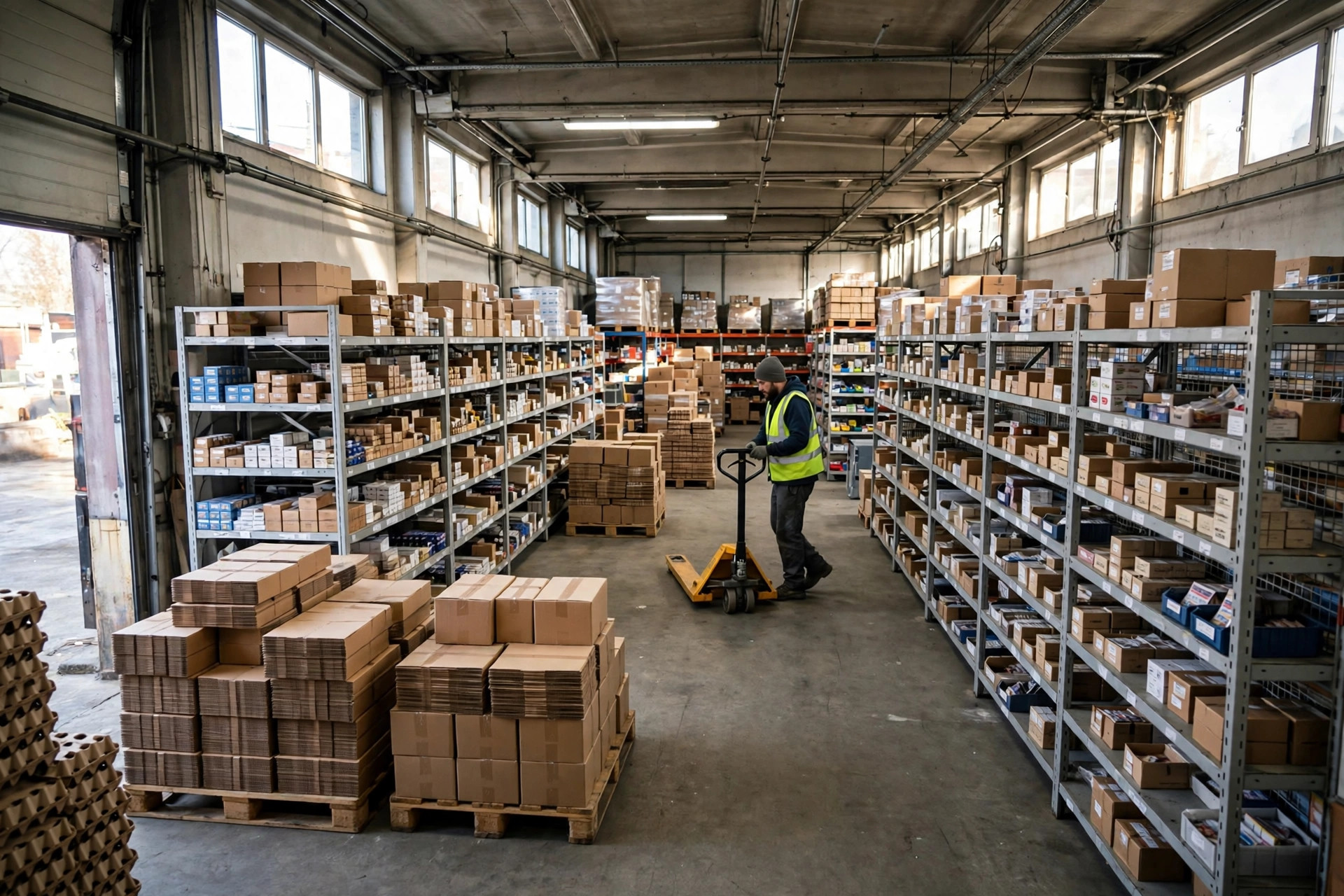
There are also small things shippers often overlook. First, does the dock height match your vehicles, and can a tail-lift truck dock directly? How many people does it take to unload one truck? Those details decide your loading time. Second, can the warehouse receive at night? Cargo racing a vessel sailing is ruined by the words "we have closed for the day." Third, rain and sea wind matter for open yards. It is not enough that a shed exists; you need to check drainage and damp-proofing. I have seen an open yard after one night of rain with water standing under every pallet, and the shipper could only slap his thigh in regret.
Hiring is another thing to sort out early. Around the port and the industrial belt, experienced forklift drivers and warehouse hands are not in endless supply, and labour gets tight in peak season. Before the warehouse opens, ask neighbouring operators how hard peak hiring is and what wage levels look like in general terms, then plan your shifts and your stocking rhythm around the answer. A warehouse with no people to run it moves no freight at all.
In the end, the Bilbao warehouse bill is three bills, not one: location, time, and risk. The port gives you speed, the industrial belt gives you space and cost, and the suburbs give you scale, and each one charges its own price. There is an old saying among drivers: if the freight cannot flow, the warehouse is just a rented shed. Get the freight flow, the truck flow, and the people flow straight first, and only then sign the lease. That is how you avoid losing money on the deal.
By Shifu Zhao, Trucking Veteran (15 yrs)