Bangladesh garment export warehouse logistics starts with a bill, not a warehouse tour. A carton of garments travelling from a Dhaka factory warehouse to a vessel at Chittagong can absorb warehousing costs that look modest on paper and then lose that money several times over through one failed inspection, one damp carton, or one container stuffed in the wrong order. The warehouse is rarely the most expensive leg. It is the leg where small mistakes become expensive claims.
The First Bill in Bangladesh Garment Export Warehouse Logistics: Rework Costs More Than Rent
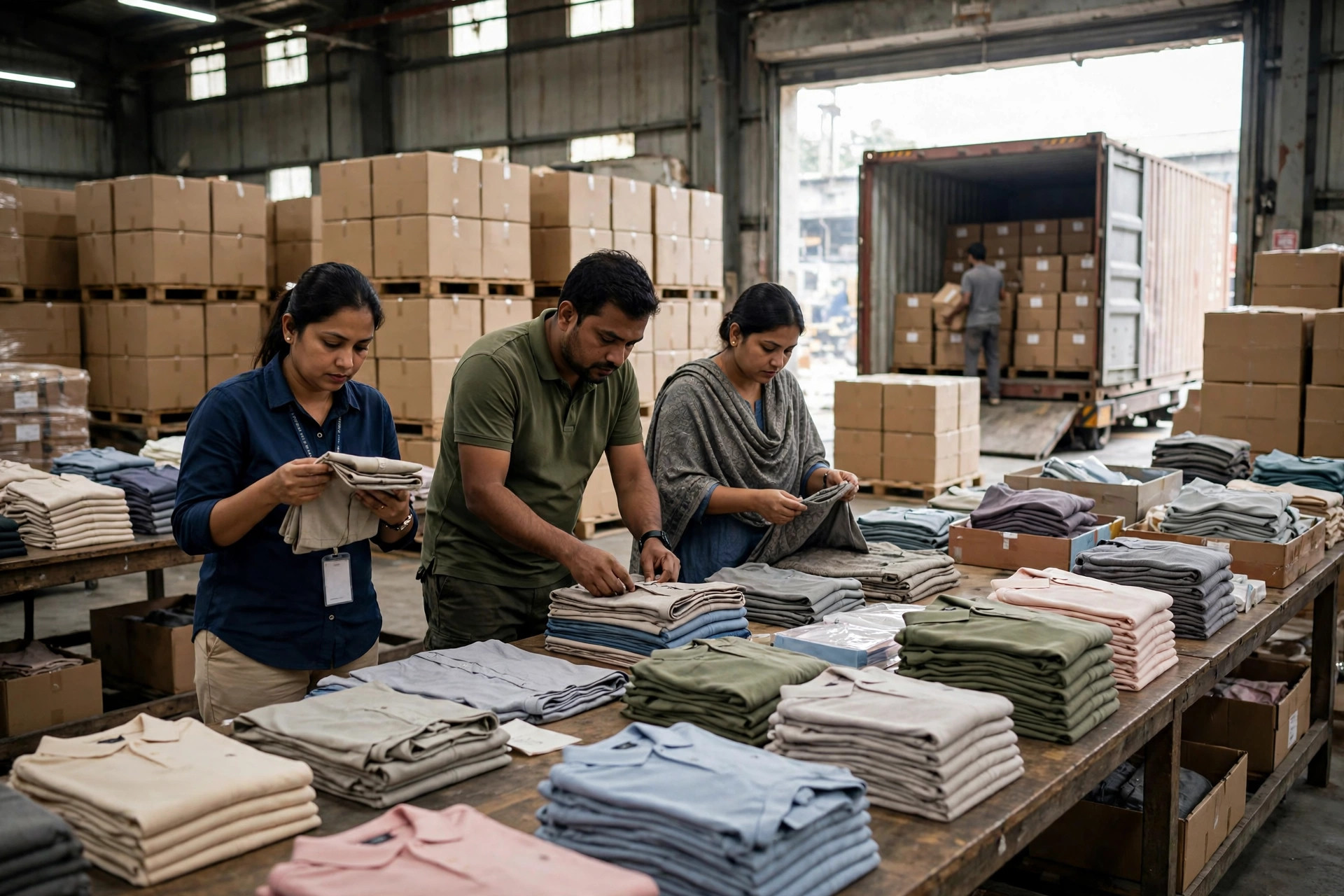
A mid-sized garment factory outside Dhaka taught me this in an export season I followed closely. Its factory warehouse was not large. The inspection tables stood one aisle away from finished-goods storage. Inspectors opened cartons at the tables, passed the good pieces, sealed the cartons, and sent failures back to the floor. The trouble began because nobody had nailed down the inspection basis in advance. The buyer's contract described a sampling method and an acceptable quality level. On the floor, people inspected by feel.
The result was predictable. The factory's own check passed a shipment of knit tops. When the buyer's inspector arrived, a neck measurement deviation showed up in the sample, and the whole lot was ordered for full inspection. Full inspection means opening every carton, measuring piece by piece, refolding, repacking, replacing cartons and labels, and then re-checking the work. The labour and materials matter, but the lost day matters more. Trucks heading for Chittagong do not wait, and neither does a vessel's cut-off. One skipped clarification at the start of the season cost a full day at the end of it.
The rule I now repeat to every factory warehouse manager is simple: sampling and acceptance criteria must follow the buyer's contract. Where the contract is silent, get the buyer's confirmation in writing before shipment, not after a dispute. Do not let experience substitute for a written standard.
Three habits keep inspection honest. Keep passed goods, failed goods, and goods awaiting re-inspection physically separate. Mixing them hides rework risk inside inventory. Record inspection by style, colour, size, and carton number, with the inspector's name, the date, and the result. When a dispute arises, that record is your negotiating position. Run rework at its own station with its own log: how many pieces, why they failed, and what the re-inspection found. When the rework rate climbs for two consecutive lots, the cause is rarely the workers' hands. Look upstream at pattern, fabric, or process.
The Second Bill in Garment Export Warehousing: Humidity Is a Curve, Not a Reading
Garments fear damp more than dirt. During the monsoon around Dhaka, humid air softens cartons, and mould, discolouration, and mildew spots can appear on garments that looked fine when they were packed. By the time the buyer opens the cartons, the claim covers far more than the electricity used by a dehumidifier. I have walked through warehouses where dehumidifiers ran hard while the loading doors stood open all day, trucks moving in and out, carrying wet air straight past the machines. That is dehumidifying the monsoon, not the warehouse.
A warning belongs here. Humidity figures circulating online come from many sources: equipment sellers, other product categories, and second-hand advice. None of that should be quoted as a garment export standard. The only defensible basis is the buyer's inspection standard and the contract. Where the contract covers packaging, moisture protection, or mould judgement, follow it. Where it does not, ask the buyer in writing before you write a number into your own work instructions.
In Bangladesh garment export warehouse logistics, managing humidity means managing a curve and a set of actions. Place temperature and humidity loggers where trouble starts: near walls, near doors, and inside carton stacks. Record readings morning and evening, more often in the rainy season. Keep cartons off the floor on pallets with a moisture barrier. Avoid opening sealed finished cartons on rainy days for re-inspection; when opening is unavoidable, reseal immediately and replace desiccant. Isolate any carton showing mould at once. Mould spreads to neighbouring cartons, and one bad carton left in a stack becomes a pallet problem.
Bonded Warehouse Ledgers: The Quiet Bill in Bangladesh Garment Export Warehouse Logistics
A bonded warehouse ledger records the identity of goods: fabric in, fabric cut, garments out, waste declared, and balance remaining. Every entry must reconcile. When a ledger is messy, a customs review turns into an explanation exercise, and in the worst case it threatens the bonded status itself. The common failure is not invention. It is omission. Entries skipped for months become a gap nobody can reconstruct.
A workable ledger has five columns: inbound evidence, production issue, outbound packing, waste declaration, and balance. Record fabric inbound by customs declaration and invoice number. Record cutting issues by cutting ticket. Record outbound goods by packing list and bill of lading number. Record waste by actual weighing or by the declaration basis in the contract. Reconcile monthly across three views: the system balance, the ledger balance, and the physical count. When they disagree, check missed issues first, then overstated waste. The table below compares the two habits I see most often:
| Practice | When it is recorded | Cost when something goes wrong |
|---|---|---|
| Recorded afterwards | At month end or just before shipment | Documents cannot be found, and explanations rely on memory |
| Recorded as it happens | On the day of receipt, issue, or packing | A mismatch surfaces the same day, when fixing it is cheapest |
| Totals only | By style total | A colour or size mix-up cannot be traced to a carton |
| Carton-level detail | Every carton has its own record | One problem carton can be isolated without holding the lot |
Stuffing at Chittagong: Where Order Becomes Money
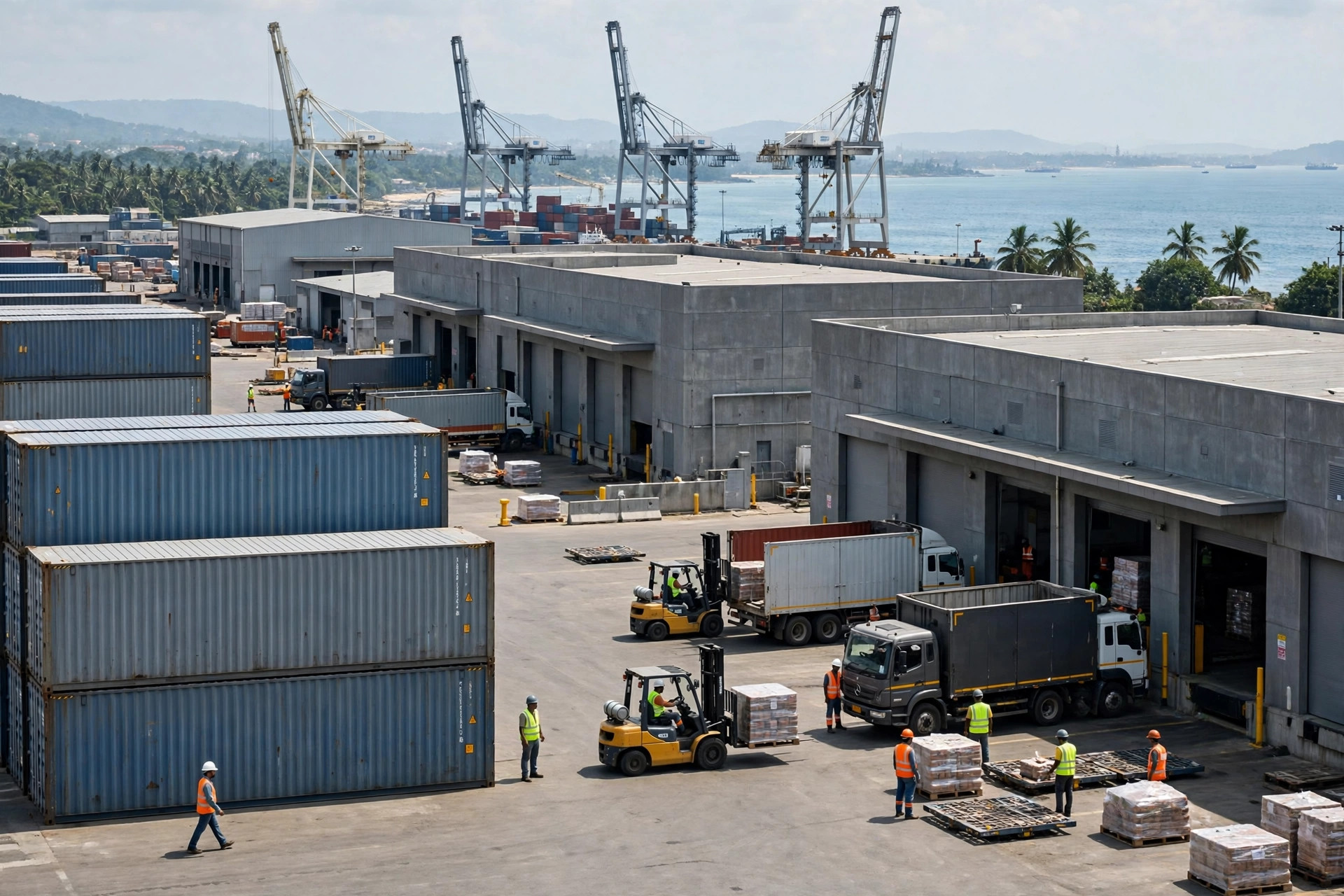
Stuffing is the most order-sensitive step in the chain. The stuffing list gives style, colour, size, and carton count, and the physical cartons must be checked box by box against it. Loading order must follow the buyer's discharge requirements or the stow plan, not the convenience of whichever cartons arrived first. Load in the wrong order and the destination port must strip and restow, with the bill landing back on the shipper.
Three checks belong before a single carton goes in. Check the shipping marks carton by carton: marks, carton number, piece count, and gross weight. One wrong mark can hold a whole container at destination customs. Inspect the empty container itself: damage, leaks, odour, a wet floor, or residue from the previous cargo. Reject a bad box rather than gambling a shipment inside it. Photograph the empty container, the half-loaded container, the full container, and the seal number, filed by bill of lading number. When a damage claim arrives at destination, those photographs are the first evidence anyone trusts.
Timing needs the same discipline. Dhaka to Chittagong trucking depends on road conditions and port congestion. Work backwards from three fixed points: stuffing day, port cut-off, and vessel sailing. Then set the inspection completion date, a rework buffer, and the truck booking date. A plan with only one day of buffer in peak season is effectively a plan with no buffer. Rework or a rainy traffic delay takes the container past the vessel, and the whole shipment waits for the next sailing.
The Calculable Conclusion: Three Ledgers Control One Container
Strip the chain to its money. In Bangladesh garment export warehouse logistics, the pattern repeats lot after lot. Garment export warehousing costs concentrate in three places: inspection rework, moisture failure, and ledger confusion. Fix inspection by following the buyer's contract and confirming gaps in writing. Fix moisture by tracking humidity curves and acting on them, without inventing a standard. Fix the bonded ledger by recording every movement on the day it happens, down to carton level. Stuff by order, inspect the box, photograph the seal. Turn those four routines into a fixed step for every lot, and the warehousing cost of a container becomes genuinely controllable. Skip a routine to save money, and the saving will be collected later, with interest, at the port or at the buyer's warehouse.
By Lao Zhou, Logistics Cost Analyst