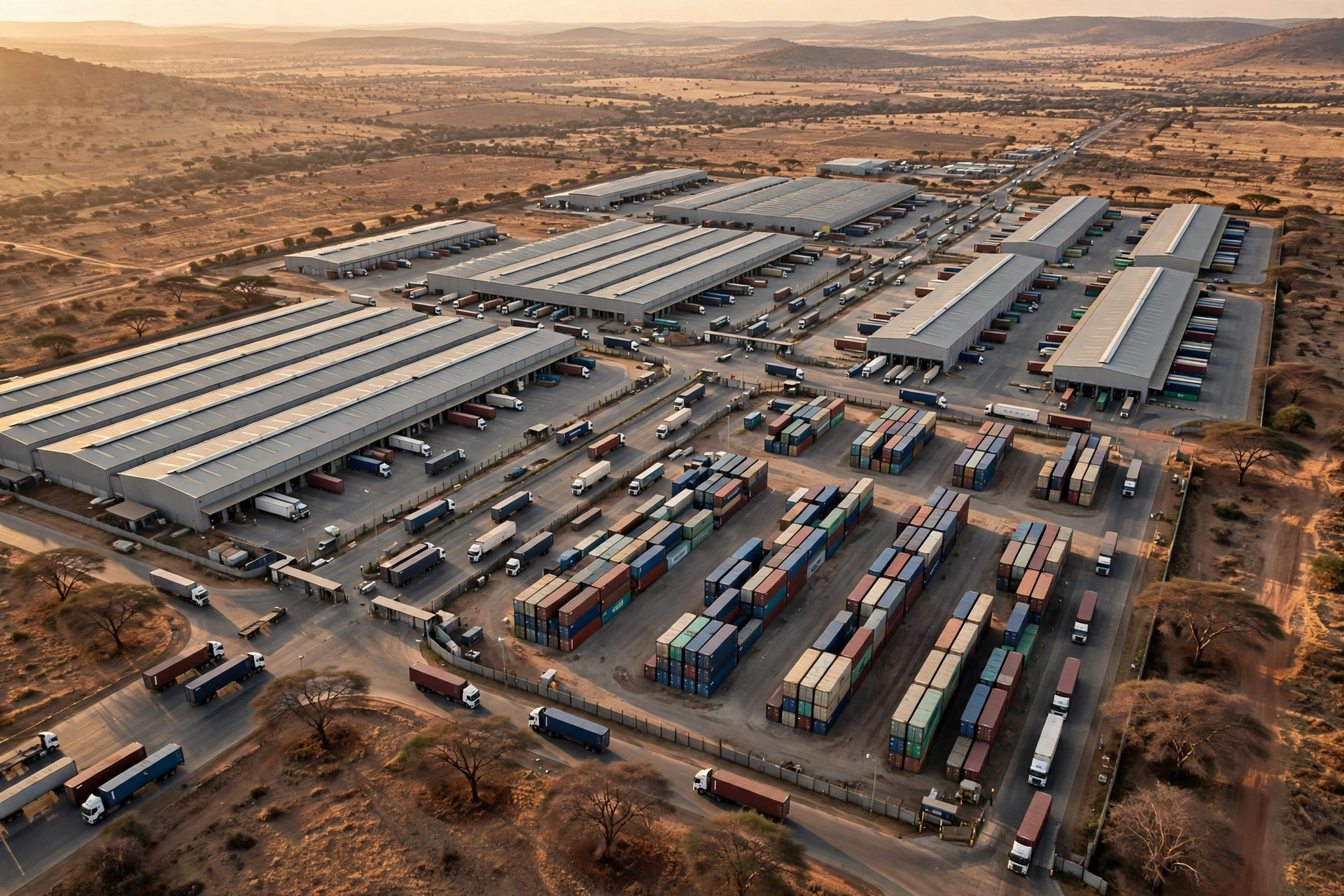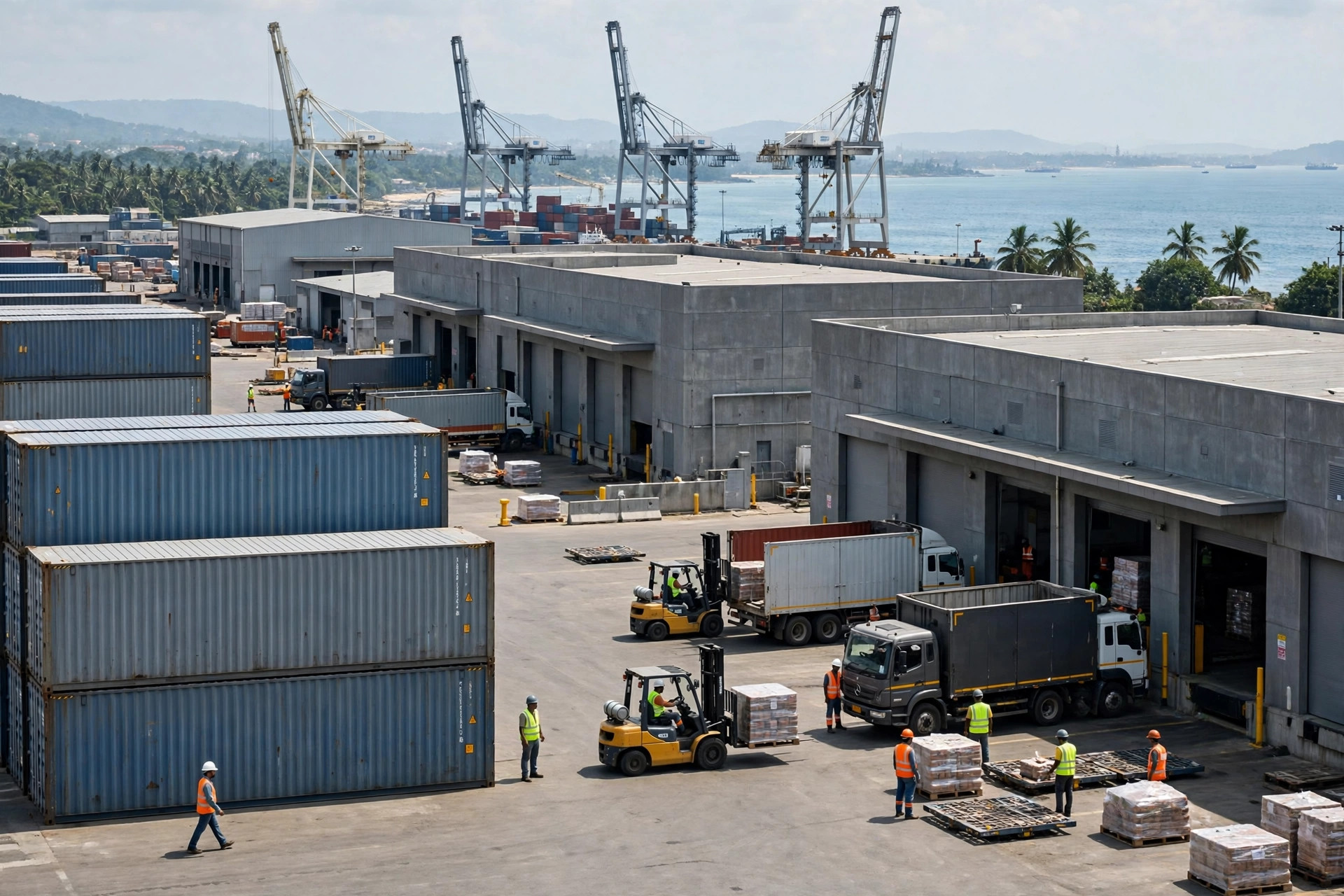
Here is my judgment up front: the Mauritius freeport works best as one thing, a mid-ocean staging point where goods from Asia land, sit under a duty-free regime, and then split out to East African and island markets. It is not a low-cost manufacturing base, and it is not a shortcut into the Mauritian domestic market. Get those two ideas backwards and every later decision goes wrong.
This is a two-sided story. On one side, the regime is genuinely friendly. According to the Economic Development Board's published freeport incentives, goods and equipment imported into a freeport zone enter duty-free and VAT-free, companies can be 100% foreign-owned, profits can be repatriated freely, port handling charges for re-export cargo are reduced, and the corporate tax rate on profits from the export of goods is 3%. On the other side, the bar for compliance is real: licensing, electronic declarations, zone discipline, and limits on local sales all have to be handled by the book. I have seen too many operators count only the tax saved and forget the cost of compliance and onward distribution, and the savings quietly evaporate.
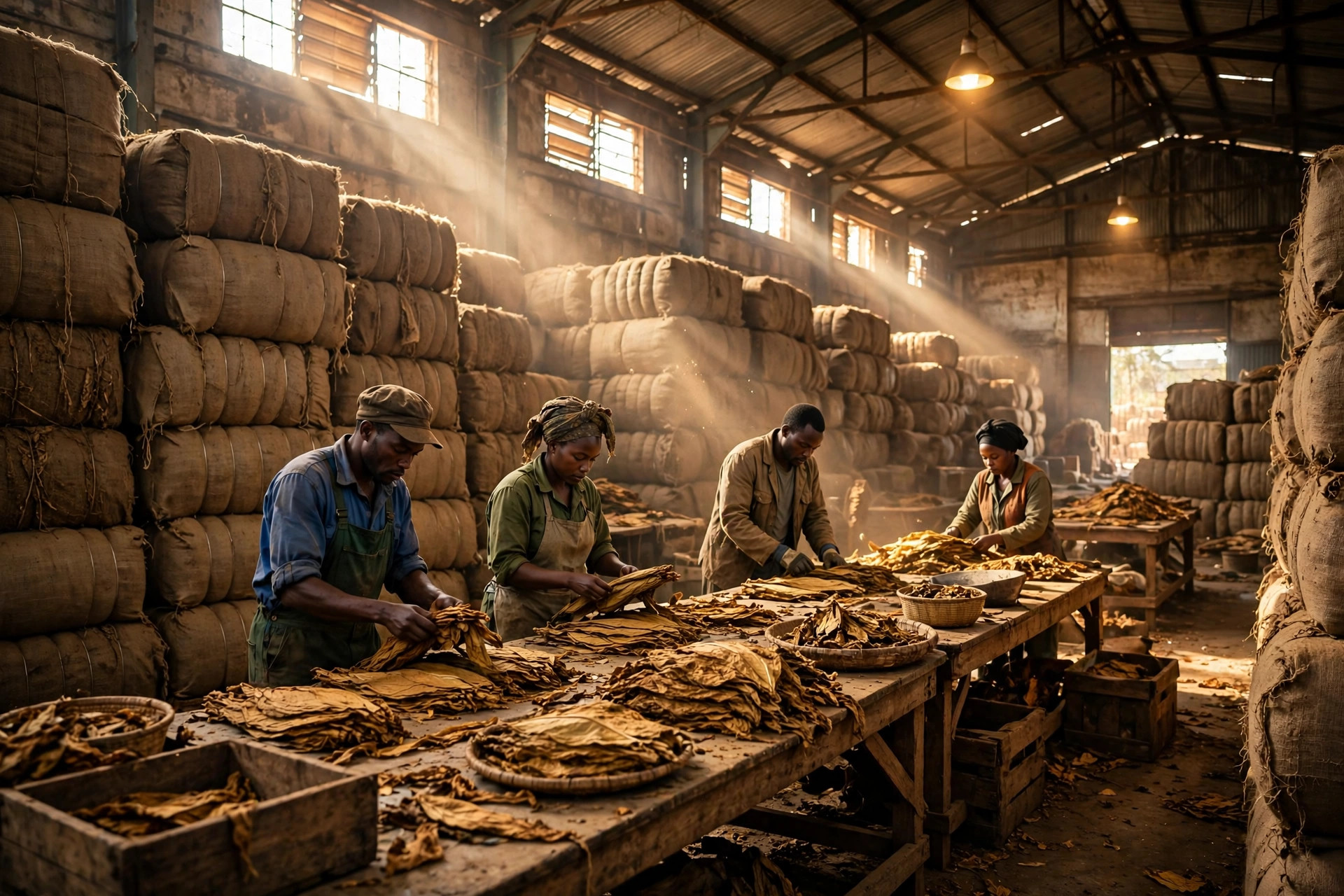
Let me start with a pit I watched happen. A consumer-goods client shipped stock from Asia to Port Louis, planning to hold it in the freeport and drip-feed it to several East African markets. The first shipment went fine. On the second, a small batch meant for re-export got mixed into a pick zone with samples destined for the local market, and the labels went on without separation. The local-market portion needed duties settled, the declaration record for the whole shipment had to be rechecked, and the cargo sat for nearly two extra weeks. Demurrage, re-sorting, and re-declaration labor were all extra. One lesson: in a freeport warehouse, the most expensive thing is not rent, it is sloppy zoning. Re-export cargo, light-processing cargo, and local-market cargo must be separated physically, in the system, and on paper from the moment of receipt. Anything left to memory will eventually go wrong.
What Mauritius freeport warehouse status actually exempts
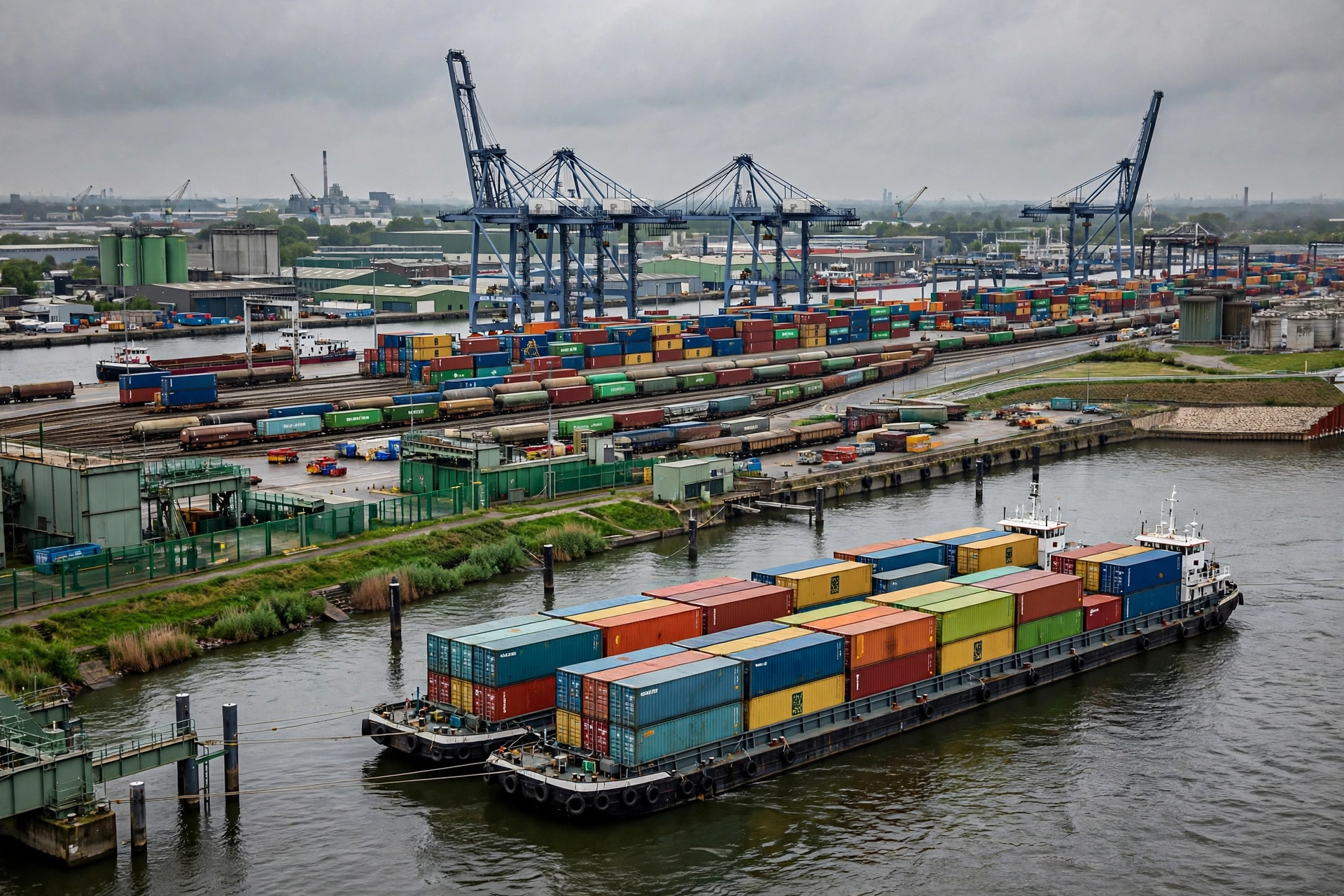
The Mauritius Freeport was established in the early 1990s as a customs-free platform for goods destined for re-export, with Port Louis at its center. Under the Economic Development Board's published terms, freeport companies enjoy duty-free and VAT-free imports into the zone, a 3% corporate tax rate on export profits, 100% foreign ownership, free repatriation of profits, and reduced port handling charges for re-export cargo. Note: the 3% rate applies to export profits, not turnover, so pin down the profit definition before modeling.
Licensing is not a step to shortcut. Operating requires incorporation in Mauritius and an online freeport-certificate application to the Economic Development Board. Third-party developers lease infrastructure; private developers build for their own operations. My advice for a first year: rent first, and prove volumes, customs rhythm, and destinations before committing to building or a long lease. Warehouse space can be changed; your license record and declaration history cannot be undone.
Electronic declaration is the daily craft of a freeport warehouse. Every movement, entry into the zone, exit, re-export, and local sale, needs a matching declaration record, and the customs status of the goods must match the warehouse system's location status. My receiving routine: check the bill of lading against the packing list, photograph the outer packaging, and tag goods by final destination before shelving.
Three freeport warehouse businesses with three different cost structures
Work inside a freeport warehouse falls into roughly three buckets, and their cost structures are so different that blending them into one budget guarantees a wrong answer.
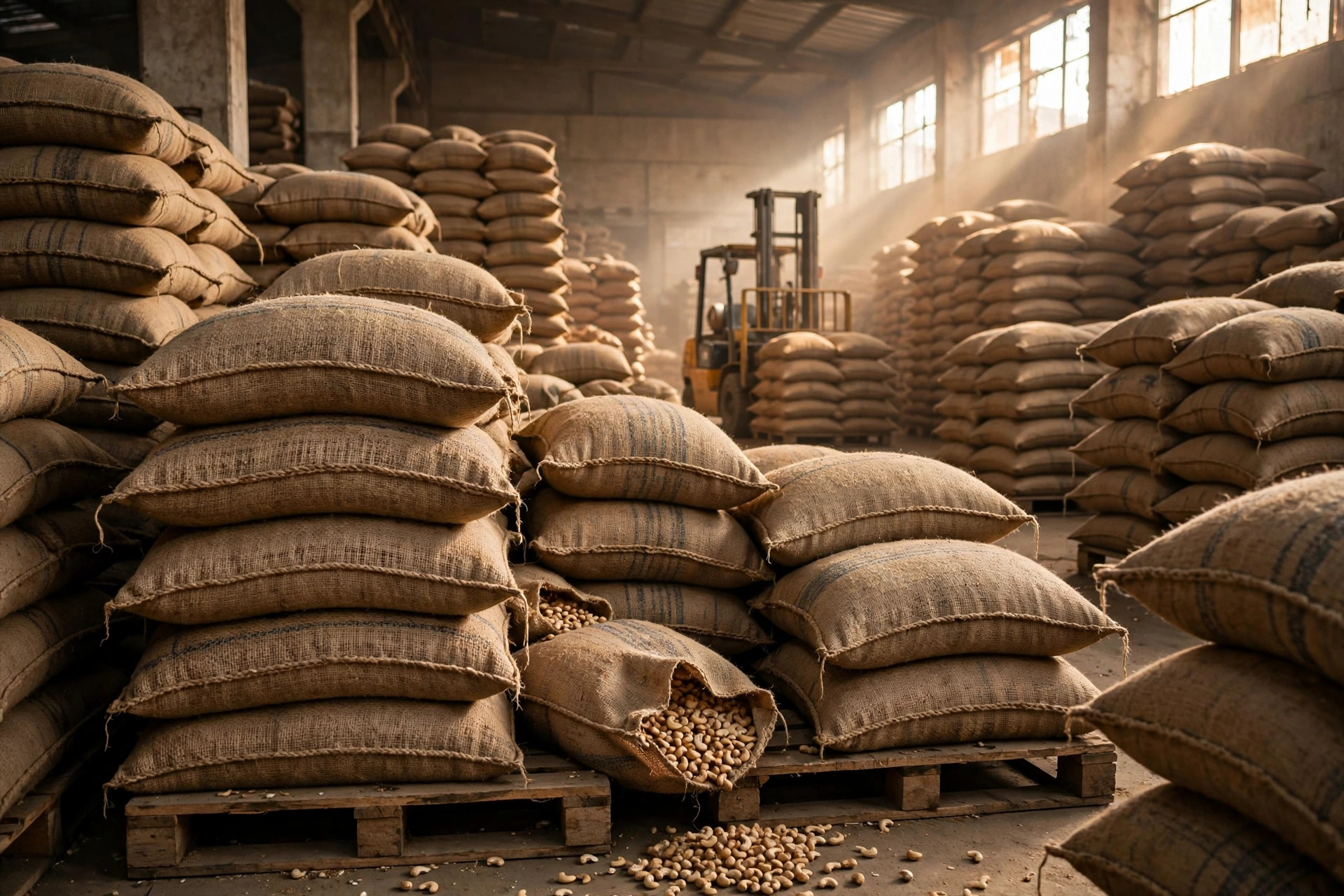
The first is pure storage and re-export: goods arrive, sit, and leave. The big costs are rent, handling, port charges, and the cost of capital tied up in stock. Idle stock earns nothing and costs money every day, so turnover speed is profit. This fits distributors whose cargo value is middling, whose destinations are scattered, and whose individual orders are small, for example splitting one inbound lot across several island and East African ports.
The second is light processing: sorting, labeling, repacking, simple assembly, and quality checks. The freeport legislation allows warehousing, sorting, grading, light processing, and simple assembly inside the zone. The big costs here are labor and quality rework, and the classic trap is inconsistent standards across destination countries: one wrong label means reworking a whole lot. Before quoting any light-processing job, lock down the labeling and packaging checklist for each destination country.
The third is local sales. Freeport goods do not simply walk into the domestic market; the permitted share of local sales and the applicable taxes must be confirmed with the Economic Development Board and customs under the latest published policy before you sign anything. In the cost model, add a line for duties and a line for compliance labor, and do not treat local sales as a free bonus on top of a re-export business. My rule of thumb is blunt: the smaller the local-sales share, the cleaner the freeport books. If the domestic market is your main target, run it as a straightforward local import business instead of routing it through the freeport.
| Business type | Biggest costs | What hurts most | Best fit | | Storage and re-export | Rent, handling, capital tied up | Slow turnover, stock sitting idle | Distributors serving scattered destinations | | Light processing | Labor, quality rework | Inconsistent label standards | Brands needing localized packaging | | Local sales | Duties, compliance labor | Wrong declaration treatment | Importers with steady local channels |
One cost line people forget is the feeder leg: feeder sailings, frequency, and pricing from Port Louis swing far more than the main ocean leg, and the duty saved on a shipment can be smaller than a feeder price spike. Ask two forwarders about feeder options per destination, not just the main-leg rate.
Sea and air: choose on the cost of being late, not on speed
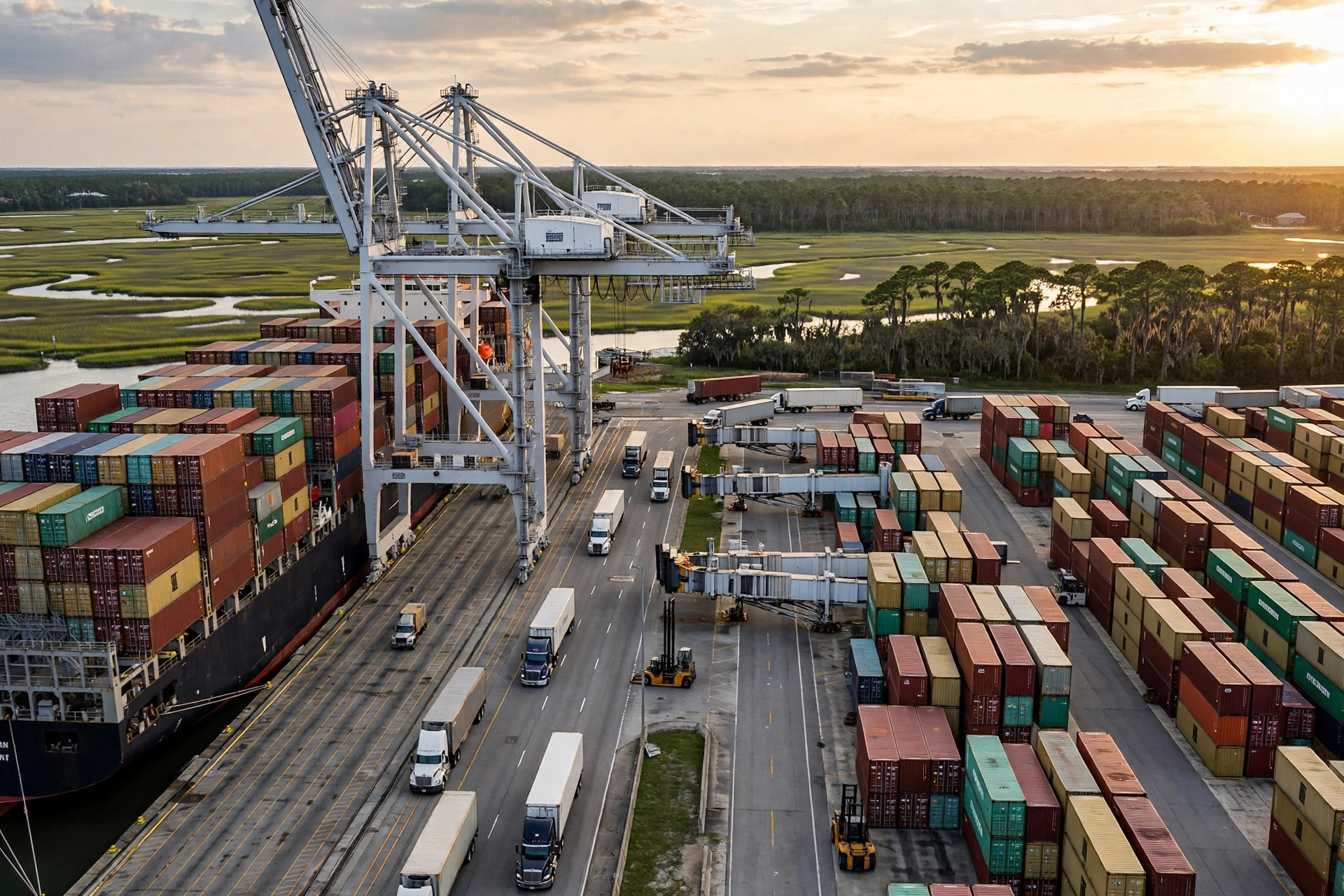
The freeport's other structural feature is that it has both a seaport node at Port Louis and an airport freeport zone. Sea suits large, mid-value, time-tolerant cargo. Air suits high-value, small, urgent shipments and samples. The right test is not speed, it is the cost of delay.
My test is direct: work out what a one-week delay costs on a shipment, then compare it with what air costs over sea. If the delay costs more than the freight difference, fly it; otherwise ship it by sea and stop paying for speed you do not need. One practical detail: airport-zone processing space must be booked in advance, as capacity is tighter than at the seaport, while sea cargo needs feeder schedules watched, since a feeder may sail only once a week.
A second story, about distribution rhythm. One client shipped a large lot to the freeport in a single push, then one destination country changed its import document requirements after the goods were labeled and palletized, and changing the paperwork cost more than shipping fresh from Asia. Since then my rule is: label and release by destination country, in batches. The freeport's advantage is flexibility, so do not turn it into dead stock by finishing everything at once.
African redistribution: do not bank treaty benefits before they are earned
The freeport's pitch for African redistribution rests on Mauritius's membership in regional blocs, including the Common Market for Eastern and Southern Africa (COMESA), the Southern African Development Community (SADC), the Indian Ocean Rim Association, and the Indian Ocean Commission, which together open preferential access to a large regional market. But preferential access is not automatic: rules of origin, destination customs requirements, and document completeness must each be checked, and simple sorting or repacking inside the freeport does not by itself create eligibility.
My method is a one-page document checklist per destination country, origin certificate, packing list, invoice, labeling, and permits, signed off by the destination's customs broker before volume moves. Anything not on the checklist does not ship.
Centralizing in Mauritius gives pooled inventory and flexible replenishment, at the cost of an extra handling and declaration step. Shipping direct gives a shorter chain, at the cost of stock in every destination and higher stockout risk. My rule: more than three destinations, small orders, frequent replenishment, centralize; one destination, stable volume, cheap direct freight, do not detour.
One last piece of advice. The Mauritius freeport is not a shortcut around the rules, it is a staging platform that rewards operators who run it by the book. Get the license, zoning, declarations, feeder pricing, and destination checklists right, and the duty and treaty benefits are yours; skip any of them and the savings return as fines, delays, and rework. Which destination countries would you test with a first trial shipment?
By Lao Mi, Supply Chain Veteran (20 yrs)