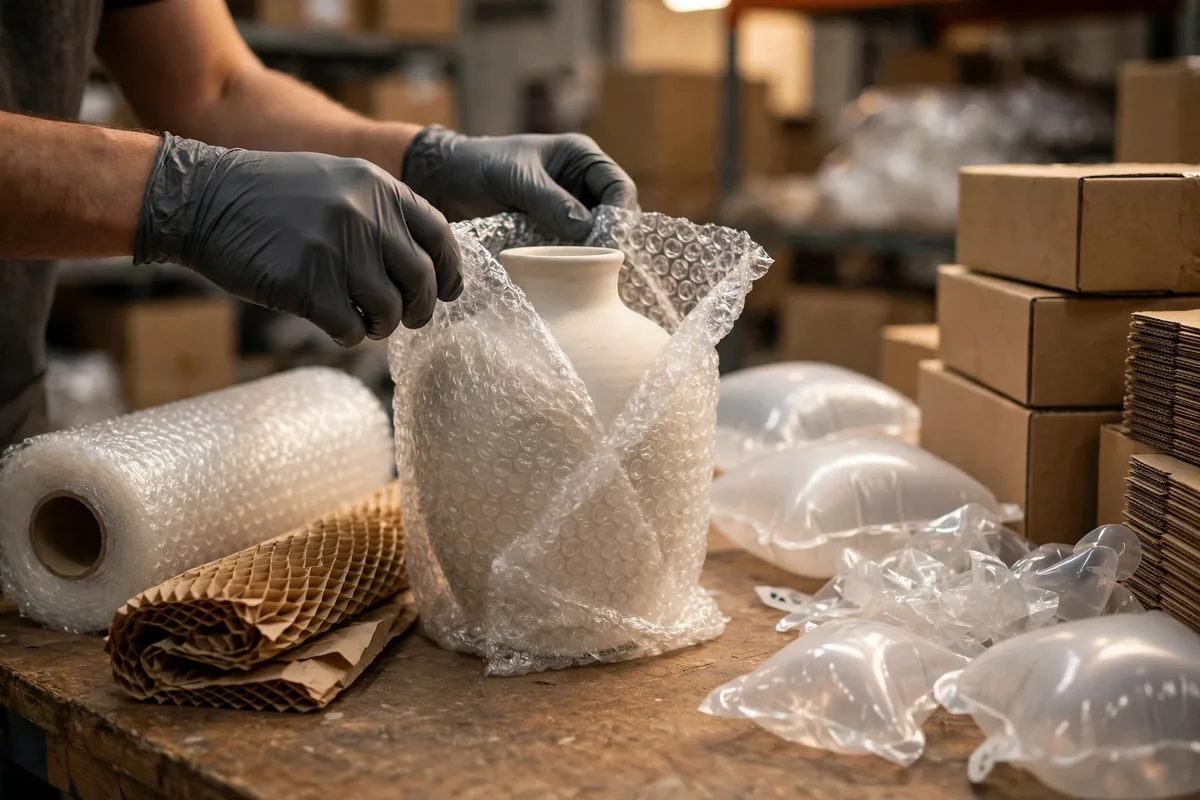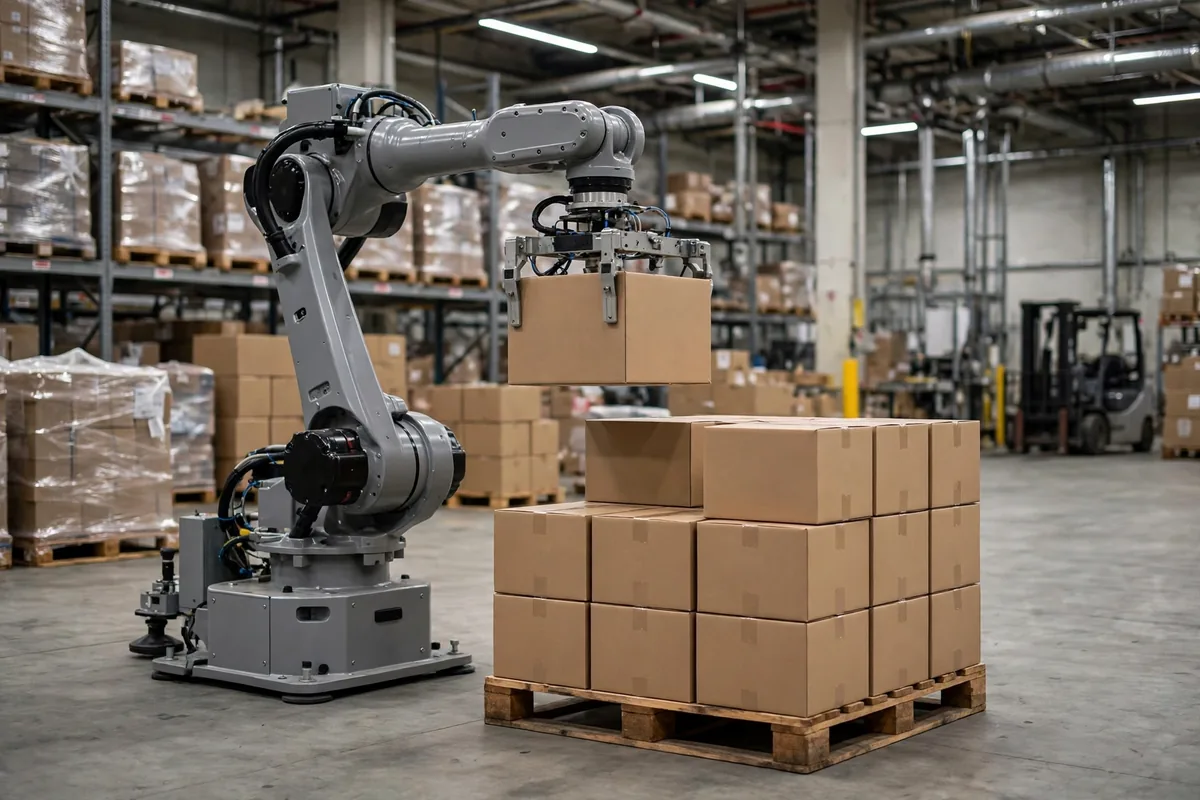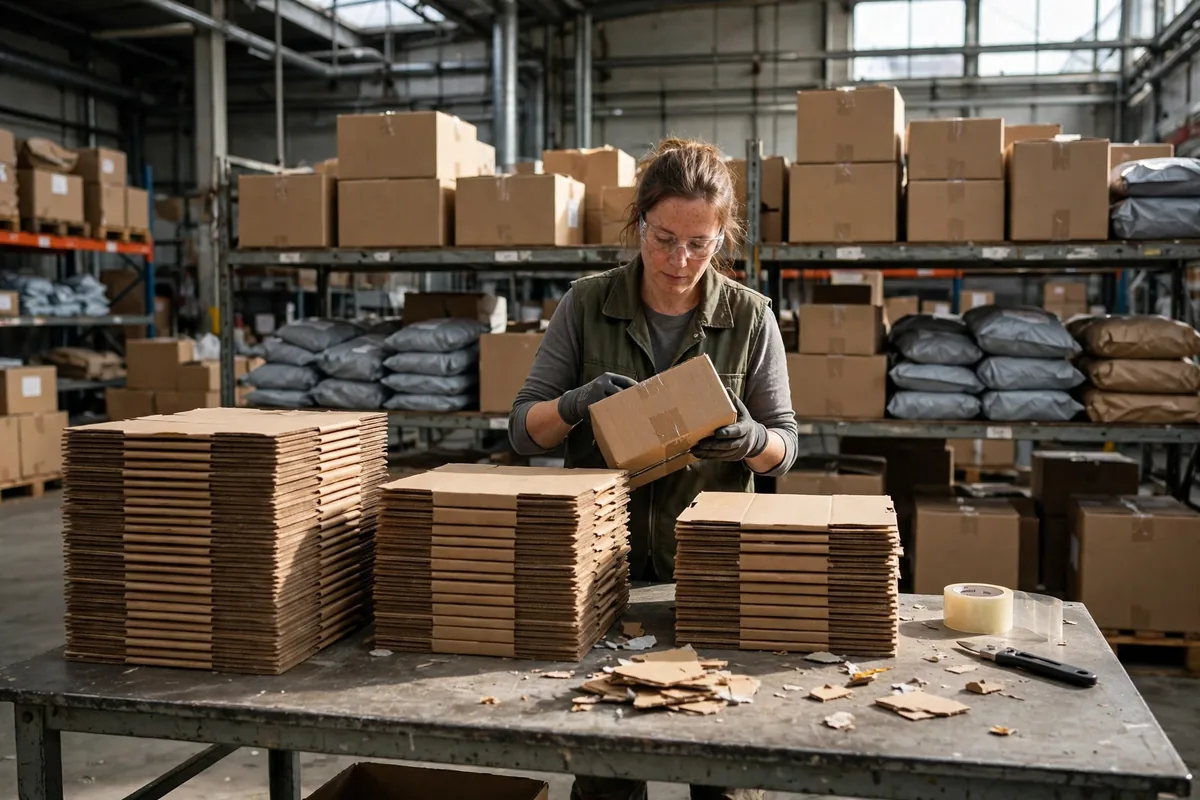
Here is the dividing line first: whether a returned box can be reused does not depend on how new it looks. It depends on whether it can survive one more trip. Think of it like a used tyre. Roadworthiness is not about a pretty tread. It is about whether the sidewall is damaged and whether the pressure holds. That is the test behind any ecommerce returns packaging reuse warehouse program. A carton that comes back from a customer has been through sorting, transport, and one unboxing. Some come back almost untouched, some with a dented corner, some with a layer of paper torn off by tape. The job is to separate three kinds: boxes that can go straight back out, boxes that can go back out after a repair, and boxes that must be scrapped.
In November 2025, during an equipment inspection at an e-commerce warehouse in eastern China, I saw a small mountain of returned cartons being tossed into a recycling bin while new cartons were carried in from the other end. I asked the supervisor how many new boxes they used in a month. About 40,000, he said. I asked how many returned boxes could be reused. He paused and said they had never counted. An ecommerce returns packaging reuse warehouse program is not about scavenging. It is about using a packaging asset you already paid for a second time, and it only works when inspection, grading, and process are all in place.
Ecommerce Returns Packaging Reuse Starts With Inspection
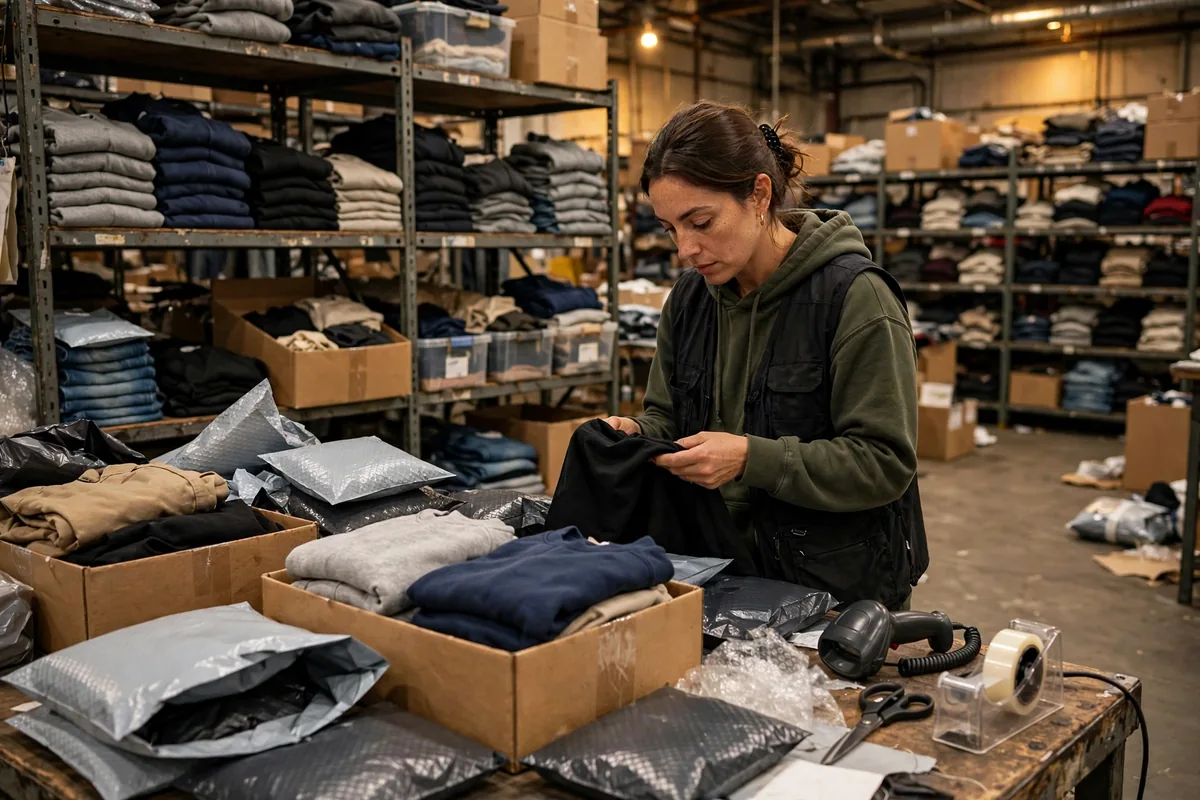
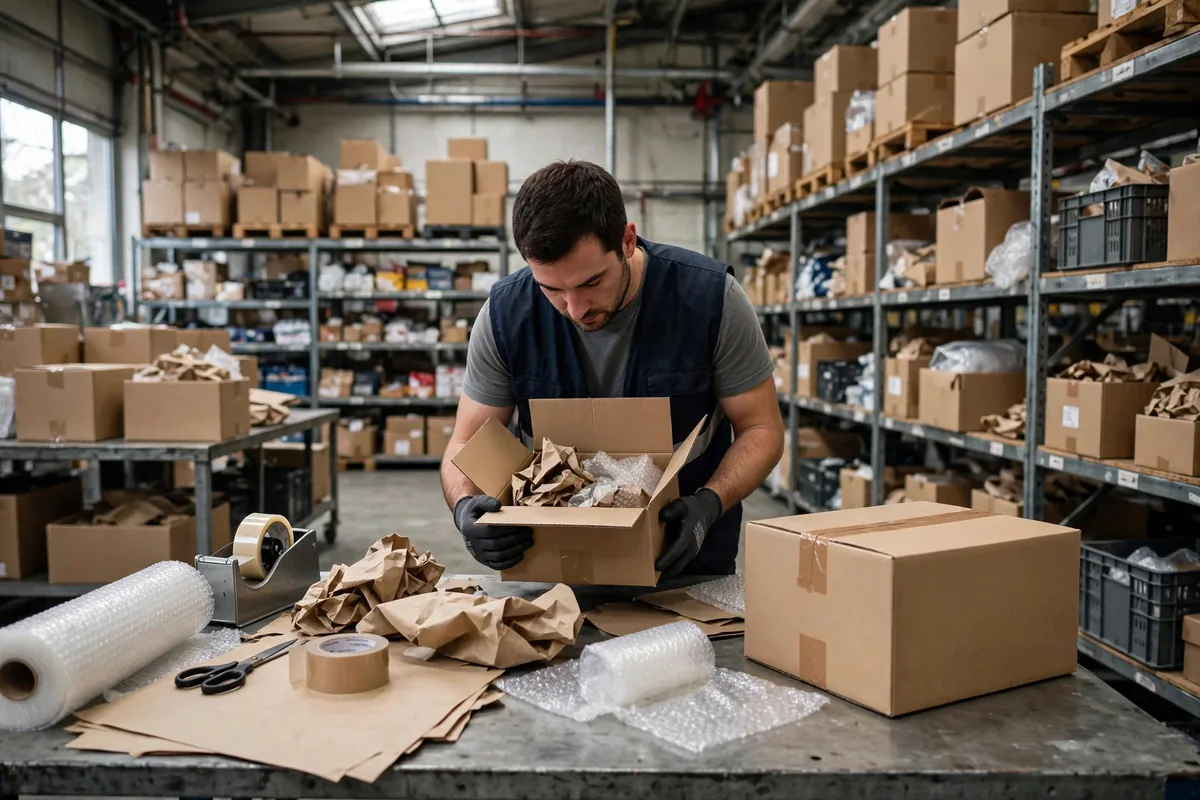
The first step in ecommerce returns packaging reuse is not saving money. It is grading. Every returned box must pass three checks before it enters the reuse flow. First, structure: are the four corners collapsed, is the body deformed, has the board gone soft from water? A collapsed corner loses crush strength fast. Second, surface: has tape torn off the face paper, is there oil staining, has the customer written on it in marker? Face damage bigger than a small patch causes problems with labelling and scanning. Third, size: returned boxes come in mixed sizes, and reuse means re-sorting them by size.
The grading we set was deliberately simple, three grades a worker can learn in a minute. Grade A is ready to use: clean appearance, sound structure, only a new label needed. Grade B is usable after repair: a lightly dented corner or a small patch of face damage, fixed with reinforcing tape. Grade C is scrap: water damage, serious deformation, oil stains, or structural cracking, broken down for void fill or recycling. We sampled 200 returned cartons as a hypothetical example: roughly 40 percent Grade A, 30 percent Grade B, and 30 percent Grade C.
Here is the counterintuitive judgement: the most dangerous thing in reuse is not an old box. It is the attitude of "good enough." Grade A and Grade C are easy to handle. The hard part is the boundary of Grade B. If a worker, trying to save time, ships a Grade B box as if it were Grade A, and the box breaks in transit, the damaged goods, the complaint, and the replacement together cost dozens of times more than a new box. So Grade B needs an explicit repair standard: where tape can go, how many strips, and how much face damage sends a box straight to Grade C.
Cleaning, Damage, and Complaints: Three Separate Accounts
Most people calculate reuse with only one account: how many new boxes were saved. That is too coarse. The real calculation has three accounts: the consumables saving, the processing cost, and the complaint risk. Only the three together give the net gain.
Start with the saving. As a hypothetical example, take a warehouse with 10,000 returns a month and 8,000 cartons coming back, of which 3,200 are Grade A and 2,400 are Grade B. Use Grade A directly and Grade B after repair, and 5,600 new boxes are avoided. At a hypothetical unit price of 2 yuan per new carton, that is a saving on the order of more than 10,000 yuan a month.
The second account is processing cost: grading, cleaning, repair, and re-sorting all take labour and time. In the same hypothetical example, repairing a Grade B box adds about one minute, so 5,600 boxes add more than 90 labour hours, plus a grading bench, tape, and cleaning tools, running to several thousand yuan a month. If processing costs more than the saving, the program loses money. So the first dividing line is this: reuse is worth doing only when return volume is large enough and the grading flow is fast enough. A small warehouse with only a few hundred returns a month that creates a dedicated grading post is losing money.
The third account is complaint risk, the one most often ignored. What is a customer's first reaction to a reused box? Most people do not care. A minority think, "They sent me an old box." Control that risk with three rules. First, use reused boxes only where packaging does not matter much, such as everyday goods and small household items, never for gifts, luxury goods, or high-value orders. Second, the outside must be clean: old labels, old tape, and handwritten marks removed, so the customer cannot tell at a glance that it is a returned box. Third, do not skimp on void fill inside, since an old box is slightly weaker.
Ecommerce Returns Packaging Reuse: Where to Put the Grading Bench
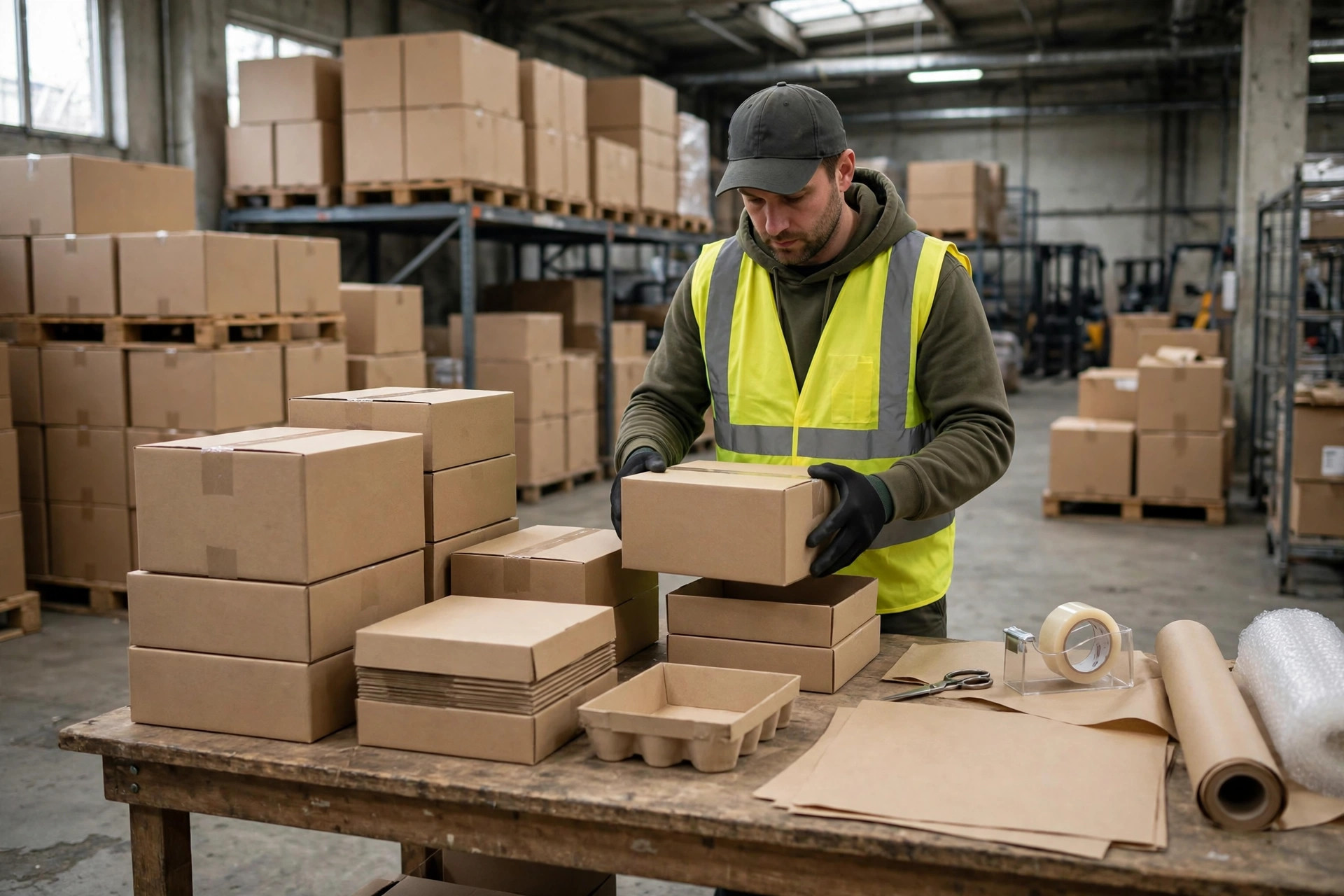
Principles done, now the process. Whether an ecommerce returns packaging reuse warehouse program actually runs depends not on determination but on the movement of goods. The grading bench must sit next to the returns inspection line, so unboxing, product inspection, and box grading happen at the same station and the box is never carried twice.
The flow has four steps. First, at unboxing, do a quick first sort: clean boxes to Zone A, obvious scrap to Zone C, uncertain ones to Zone B. Second, repair Zone B in a batch: tape, remove old labels, sort by size, and promote repaired boxes to Zone A. Third, at second outbound shipment, use Zone A boxes first and match the box size to the order, instead of shipping small goods in a big box and wasting fill. Fourth, count once a week: how many remain in Zone A, how many Grade B boxes were repaired, and how many Grade C boxes were scrapped, and use those numbers to adjust next month's purchasing.
Is the Money Worth It? Watch This One Number
Back to the old question: is the money worth it? Watch this one number. It is not "how many boxes were saved." It is the net gain per reused box: the purchase price of the new box saved, minus the labour cost of grading and repair, minus the apportioned cost of complaints and damage risk. Using the hypothetical example above, roughly 5,600 new boxes saved at 2 yuan each gives a gross saving of 11,200 yuan; processing costs run to several thousand yuan; and the risk cost is close to zero if the complaint rate has not visibly risen.
My advice is to pilot it small for one month, using Grade A boxes only and leaving Grade B alone, and see whether the net gain is positive. If it is, add Grade B. If it is not, stop. Equipment selection follows the same logic, and packaging reuse follows it too. First the principle, then the dividing line, then the maintenance pitfalls. Skip any step, and the money you saved will come back to be paid twice over.
By Da Liu, Automation Engineer