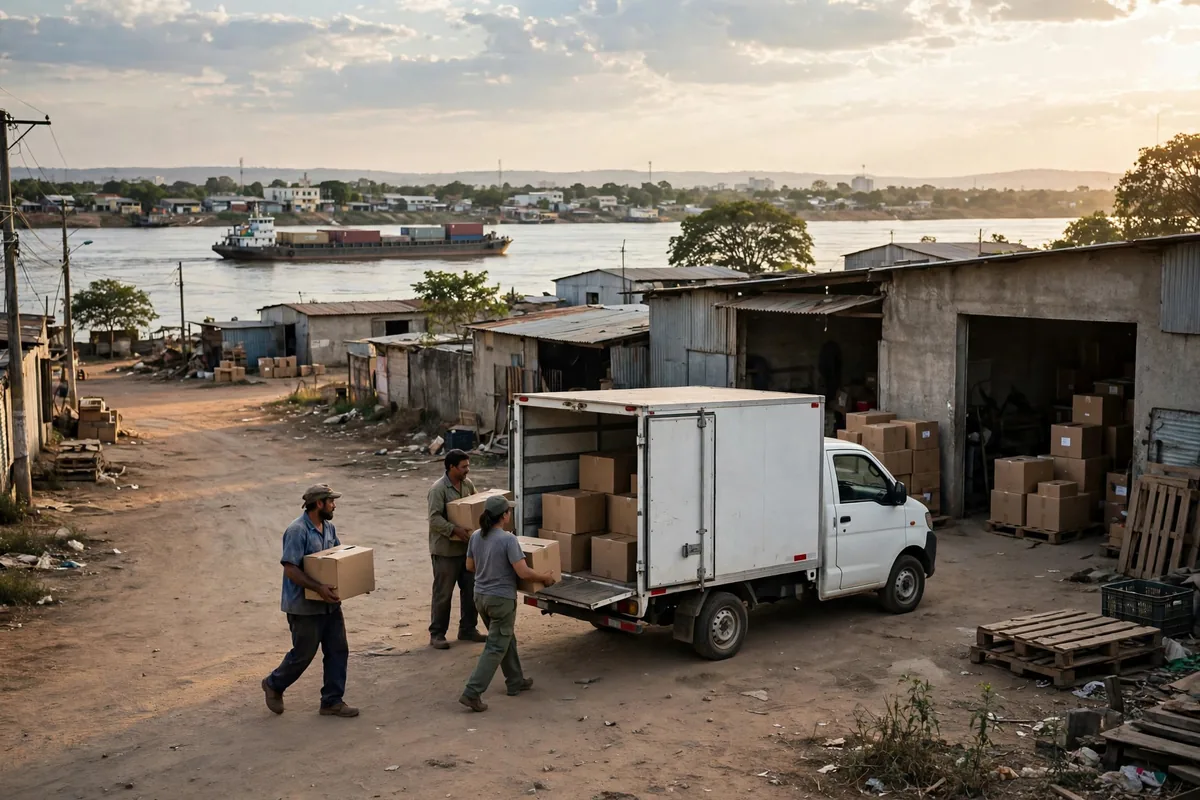
Here is my verdict up front: in Asuncion, Paraguay, urban warehouse distribution is not won by the biggest building or the cheapest rent. It is won by where you put a small warehouse, how many ways your freight can reach the city, and whether your trucks can dodge the daily human tide pouring into town. Get those three right and the last mile is manageable. Get them wrong and no amount of automation will save you.
Asuncion sits on the eastern bank of the Paraguay River, facing Argentina, and it is the capital and largest city of a landlocked country. The city itself holds a little over half a million people; the greater metropolitan area holds well over two million. Paraguay has no coastline, so most of its foreign trade moves on the Paraguay–Paraná Waterway, downriver to ports in Argentina and Uruguay and then out to the Atlantic. That single fact shapes everything about warehousing here: freight arrives by river, then has to be broken down and pushed through city streets never built for it.
I have watched too many operators walk into Asuncion with a spreadsheet and walk out with a lesson. They price the warehouse, they price the truck, and they forget to price the waiting.
Asunción's river is cheap until the dry season arrives
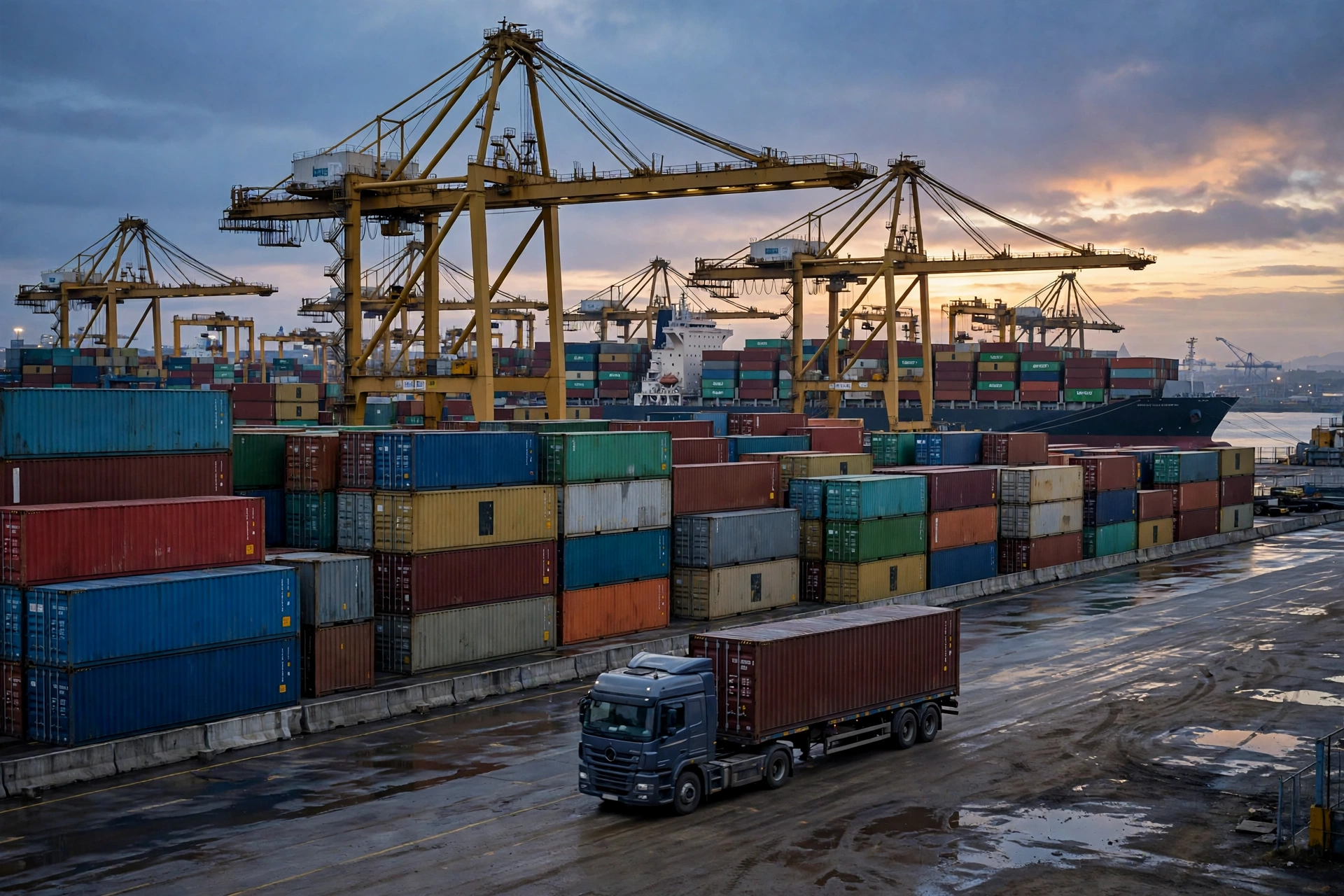
The first story I always tell is about an appliance-parts distributor I worked with. Its freight came from Asia by water to the container terminals south of the capital, around Villeta, which handle more than half of the country's container traffic. On paper it was the obvious answer: one barge carries what a convoy of trucks would need several trips to move, and the per-container cost was clearly lower than road freight from Brazil.
Then 2024 happened. The Paraguay River fell to record-low levels. Barges had to sail light, schedules slipped, and a shipment that was supposed to take a week took more than two. The distributor had planned its safety stock around the river running on time, so it held only a few days of cover. The best sellers sold out in the city stores first, the phones started ringing at the warehouse, and there was nothing anyone could do except watch the water level. The cheap lane turned out to be expensive in exactly the way spreadsheets hide: not in the freight rate, but in the stockout.
Here is the trade-off, both sides of it. The river is not optional in Asuncion; it is the lifeline, and no serious distributor can afford to ignore it. But a lifeline has a dry season. The fix I use is deliberately boring: split the freight into two tiers. Regular, high-volume, non-urgent goods keep going by river, and the savings are real. Fast movers and high-value items come overland from the Brazilian side, even though each shipment costs more, because keeping the city in stock is worth more than the freight saving. Two legs cost more per shipment. Over a year, they cost less than the stockouts.
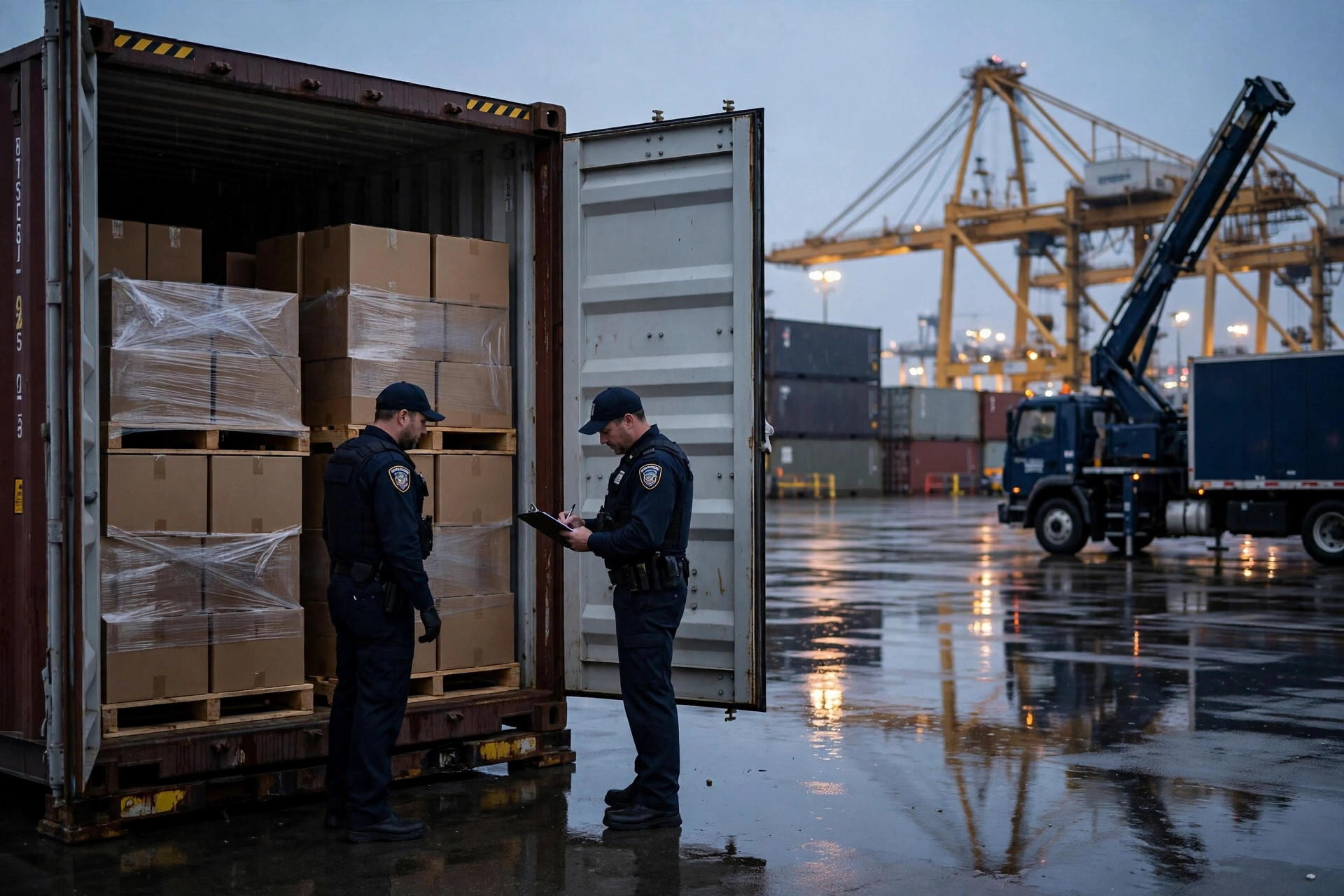
There is a second trap in the same lane. Newcomers assume that arrival at the port means arrival at the warehouse. It does not. The terminals sit south of the city, and between berthing and your dock there is pickup, inspection, and transfer, each with its own queue. I plan on at least a day of buffer between port arrival and the freight being ready to distribute, and two days is not embarrassing.
The last mile is congested by people, not just vehicles
Asuncion's last mile has a quirk that surprises first-timers. The old city center has narrow streets, the newer districts sprawl, and every morning more than a million people flow in from satellite cities — San Lorenzo, Luque, Lambaré, Fernando de la Mora — to work, study, and trade. Morning traffic runs one way, afternoon traffic runs the other, and a delivery truck that fights that tide will not make many drops in a day.
I have seen dispatch boards that look beautiful on paper: every driver out at eight in the morning, every route optimized. By noon the first run still has not come back. The drivers are not slacking; they are crawling through the old districts a meter at a time. Here is the counterintuitive part: in Asuncion, the most expensive last-mile cost is not fuel. It is the hours when a truck and a driver are both locked in traffic, producing nothing.
So I schedule against the tide, not with it. Deliveries to the center and the old districts go out in the first wave, before the morning peak, or wait until the afternoon when the flow eases. Satellite-city orders are batched into clean loops; one vehicle does not cross the city from Luque in the north to Lambaré in the south on the same run, because that cross-city return leg is pure burn. This is where a small urban warehouse earns its keep: a few hundred square meters on the outskirts, two or three small vehicles running short, frequent loops, will beat a big downtown warehouse whose large trucks spend the day stuck in traffic.
Cross-border freight has to follow the same logic. Goods from Brazil mostly come through the border at Ciudad del Este, Paraguay's second city, over the Friendship Bridge from Foz do Iguaçu and then by road to Asuncion. Goods from Argentina cross the river and the border crossings to the south and west. Border trade is heavy, and when a crossing jams, it jams for half a day to two days, worse around holidays. My rule is simple: the border is for transit and full-truck consolidation, not for storage and sortation. The real break-bulk point sits outside Asuncion's ring road. Freight arrives, it is stripped and sorted by city delivery zone the same day, whatever can go into town goes, and the rest leaves on the first morning wave.
Three ways to place an Asunción city warehouse, and what each costs you
| Location | What you gain | What you pay | Best for |
|---|---|---|---|
| Small downtown warehouse | Closest to customers, fastest for urgent orders | High rent, restricted vehicle access, little loading space | Frequent urgent orders, small goods |
| Ring-road distribution warehouse | Easy in and out, takes full trucks, strips containers | Farther from downtown customers, one extra leg to the door | Steady daily volume, citywide coverage |
| Warehouse near the river port | Smoothest inbound, containers straight in | Farthest from the consumer end, longest delivery radius | Heavy import volume, wholesale and transshipment |
There is no right answer in that table, only trade-offs. A downtown site looks ideal until a large truck cannot get in and there is nowhere to unload; proximity means nothing if the vehicle cannot stop. A port-side site receives freight beautifully, and then every order has to cross the city, and fuel and time quietly eat the rent you saved. I have seen too many operators pick the cheapest rent and then pay for it with the most expensive delivery.
My advice for anyone entering Asuncion is to start with a distribution warehouse on the ring road, plus one small forward stocking point inside the city. The forward point does not need to be big. It needs three things: small vehicles can get in and out, freight can move through fast, and it sits near the two districts where your orders are densest. Run it until you actually know your volume, your delivery times, and your return rates by district. Then decide whether to expand it or add a second one. A warehouse should grow with your orders, not with your floor plan.
And one warning for anyone tempted to go all in at once: do not lead with automation in an Asuncion city warehouse. Until your volume is stable and your routes are proven, a sortation line will not save you many heads, and it will lock your cash into equipment. Get locations, waves, and routes working cleanly with manual work plus a WMS first.
Asuncion's river gives the city a low-cost way in, and it charges for it in dry seasons and traffic jams. The last-mile math here was never about the cost of one delivery. It is about how close your warehouse sits to your customers, how many routes your freight has into town, and whether your trucks can slip past the million people who flood in every morning. Answer those three, and the city opens up. So tell me honestly: how far is your warehouse from your customers, really?
By Lao Mi, Supply Chain Veteran (20 yrs)