Let me be blunt: platforms keep rewriting the rules, and every rewrite moves risk onto sellers.
When fully managed first launched, sellers cheered — ship to a domestic warehouse, the platform handles everything after that. Less than a year in, everyone sobered up: no pricing power, the platform takes the fat margin, and your bestseller can get delisted overnight. Now comes semi-managed. The pitch sounds great — "traffic support plus discounted last-mile." Translation: you get the traffic, but you rent the warehouse, you hold the inventory, you eat the returns. All the risk sits with you.
And yet — I'm doing it. And honestly, it's beating fully managed for me. Here's why.
How I got in
Back in May 2025, I moved two home-goods SKUs from fully managed to Choice semi-managed. The reason was simple: three months in fully managed, conversion looked fine, but the platform's pricing left me under $2 gross margin per order. One return wiped out the profit on that order entirely.
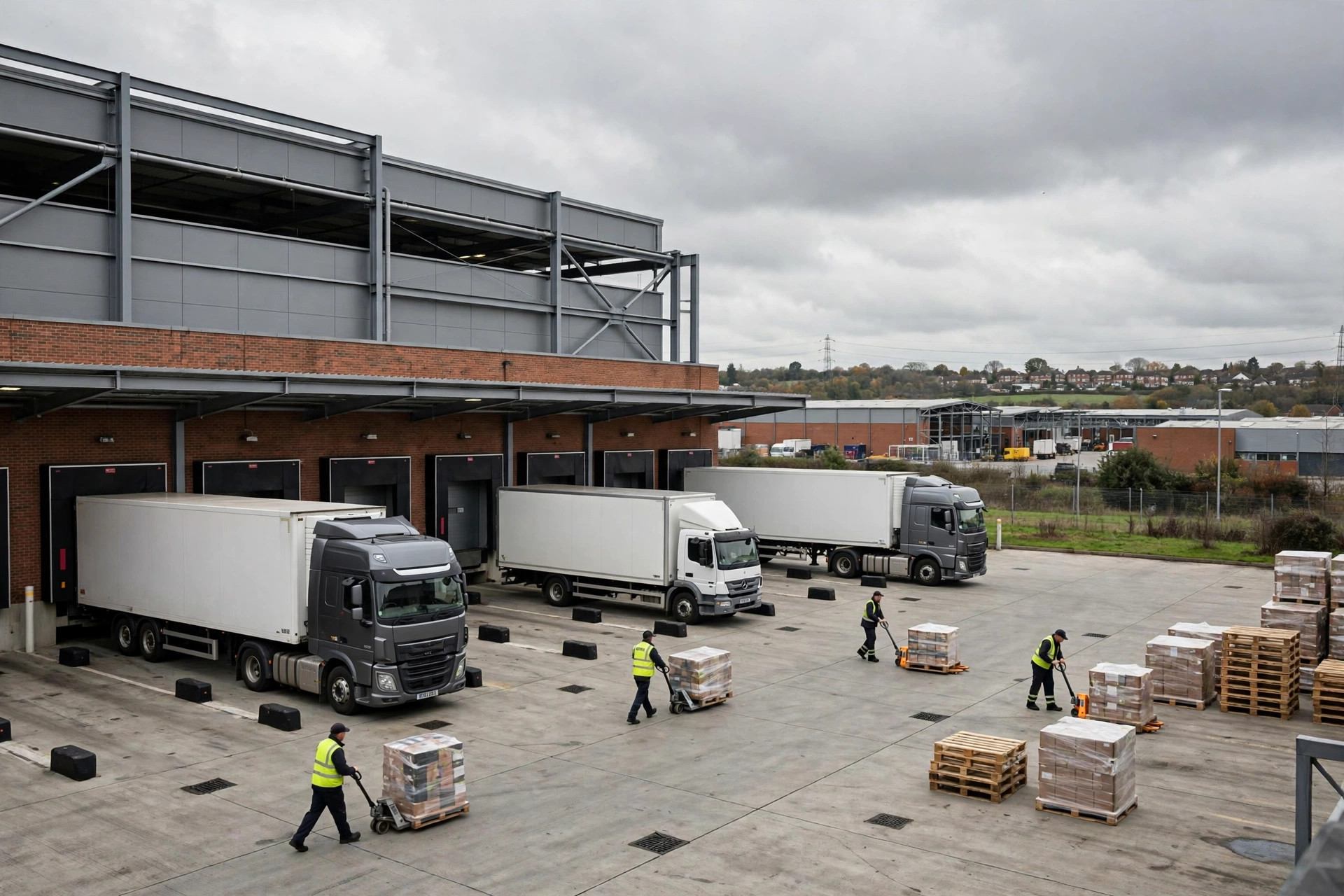
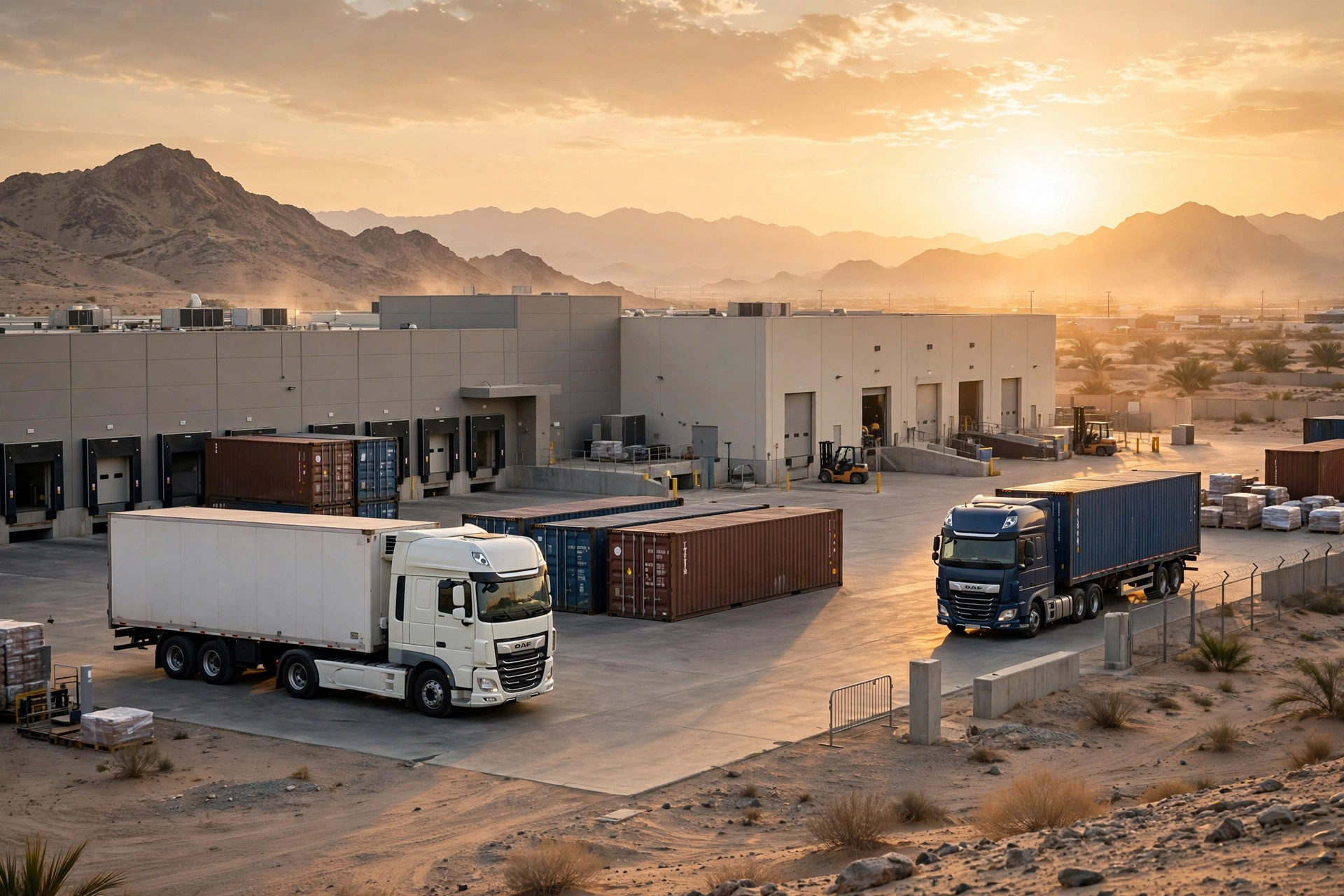
Step one was stocking up. These two SKUs were doing about 40 orders a day combined on the US site, ocean freight ran about 25 days, so I sized the first shipment for 45 days of sales and sent it to a partner warehouse in California. Remember that number — 45 days. I'll explain why not 30 in a minute.
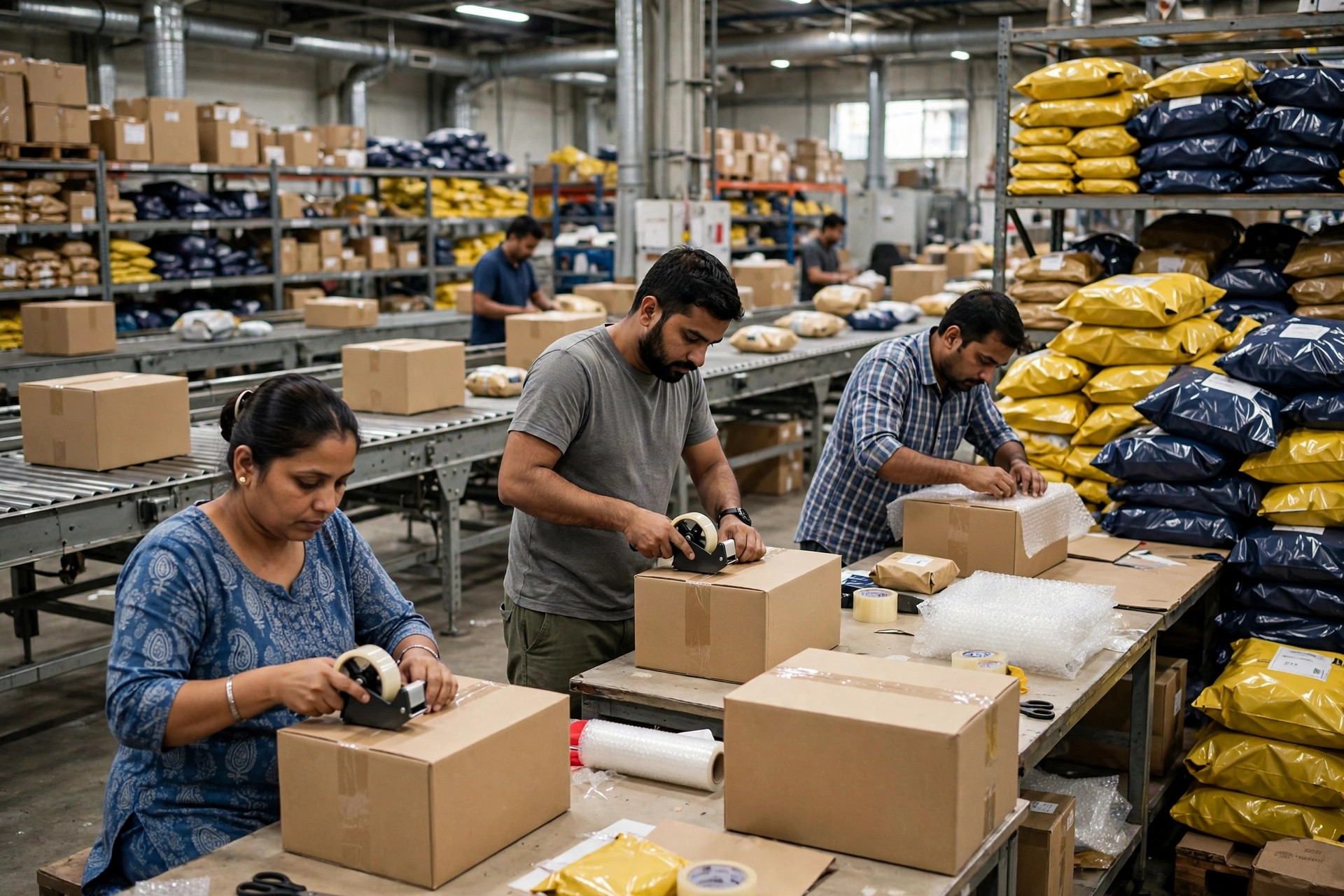
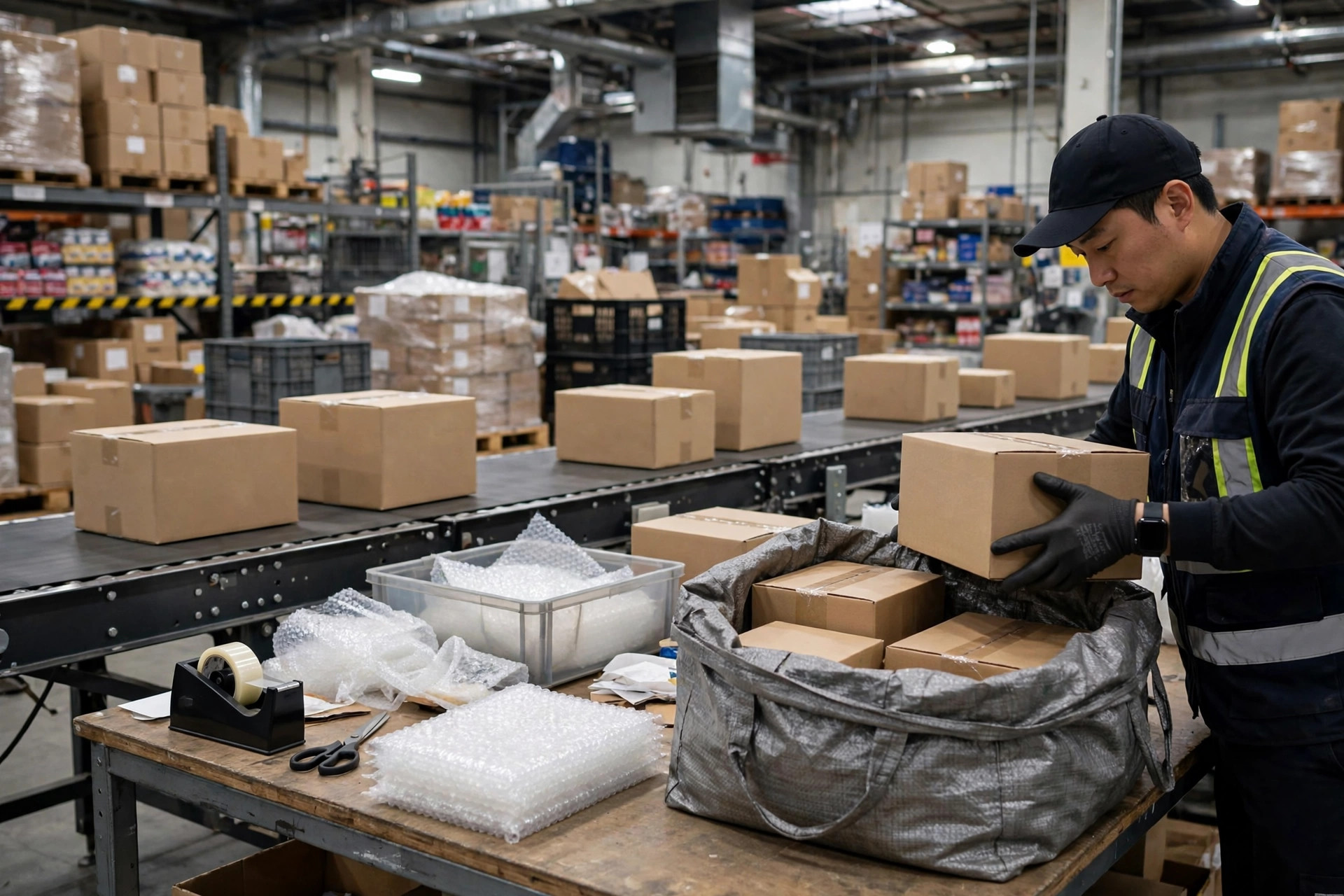
Receiving went smoother than I expected. The platform's inbound requirements boil down to three things: compliant barcodes, clear carton labels, on-time arrival. Anyone burned by barcodes knows the drill — back in 2024, on Temu's semi-managed program, I had a batch with blurry barcode prints the warehouse scanners couldn't read. The whole shipment sat in the problem area for six days and nearly missed a promo. This time I reprinted everything on fresh thermal labels. Not the place to save pennies.
The warehouse also needed an EDI-style handoff I hadn't dealt with before: advance shipment notices with carton-level detail, so their receiving team could check in pallets against the manifest instead of opening every box. My first ASN was a mess — I listed units per carton wrong on two SKUs and receiving took an extra day while we reconciled over email. Lesson learned: your first inbound is a paid rehearsal. Keep it small enough that mistakes are cheap.

Once live, the orders came. The platform did push traffic — the Choice channel carried a "5-day delivery" badge, and conversion climbed from 3.1% under fully managed to 4.6%. I checked the dashboard three times to make sure I wasn't misreading. Last-mile went through the platform's discounted carrier rates, noticeably cheaper than the commercial rates I'd negotiated on my own.
Let's do the math
People keep asking how semi-managed actually compares. Here's my side-by-side, based on my own SKUs:
| Fully managed | Semi-managed | |
|---|---|---|
| Inventory capital | Near zero, stock sits in a domestic warehouse | 30-45 days of US inventory |
| Pricing power | Platform sets it | You set it |
| Gross margin per order | Under $2 | Around $4.50 |
| Returns | Platform absorbs it | You pay for all of it |
| Traffic | Platform-allocated | Choice channel boost plus 5-day badge |
See the trade? Fully managed is "easy but thin." Semi-managed is "work but meaty." After the switch, monthly gross profit on these two SKUs went from $2,400 to $6,800 — at the cost of roughly $30,000 in inventory sitting in a US warehouse.
Here's the counterintuitive part: everyone complains about the capital tied up in semi-managed and calls fully managed "asset-light." But run the numbers — at $2 margin an order, a full year of fully managed might earn you less than three months of semi-managed. Tied-up capital is a cost, but the margin gap is exponential. Asset-light does not mean high-return. I'll die on this hill.
The other trade-off: days of stock. I picked 45 days deliberately. Thirty days looks leaner on cash, but one ocean delay or one traffic spike and you're out of stock. Choice punishes stockouts directly — stay out of stock for a few days and the listing gets pulled, ranking reset to zero. I'd rather carry 15 extra days of inventory than rebuild a listing from scratch. Do the math yourself: the carrying cost of 15 days of stock versus the cost of losing all your ranking. Not even close.
A quick word on Temu's semi-managed, since everyone asks. A friend of mine sells phone cases and runs both programs. His verdict: Temu brings bigger traffic but the price war is brutal — the same case routinely sells for a dollar less on Temu than on AliExpress, and margins are paper-thin. AliExpress is calmer; Choice shoppers are less price-obsessed and actually respond to the "5-day delivery" badge. His playbook: put traffic-driving SKUs on Temu for volume, put margin SKUs on AliExpress semi-managed for profit. The two platforms aren't either-or — they split the job.
Three pitfalls — don't step in them
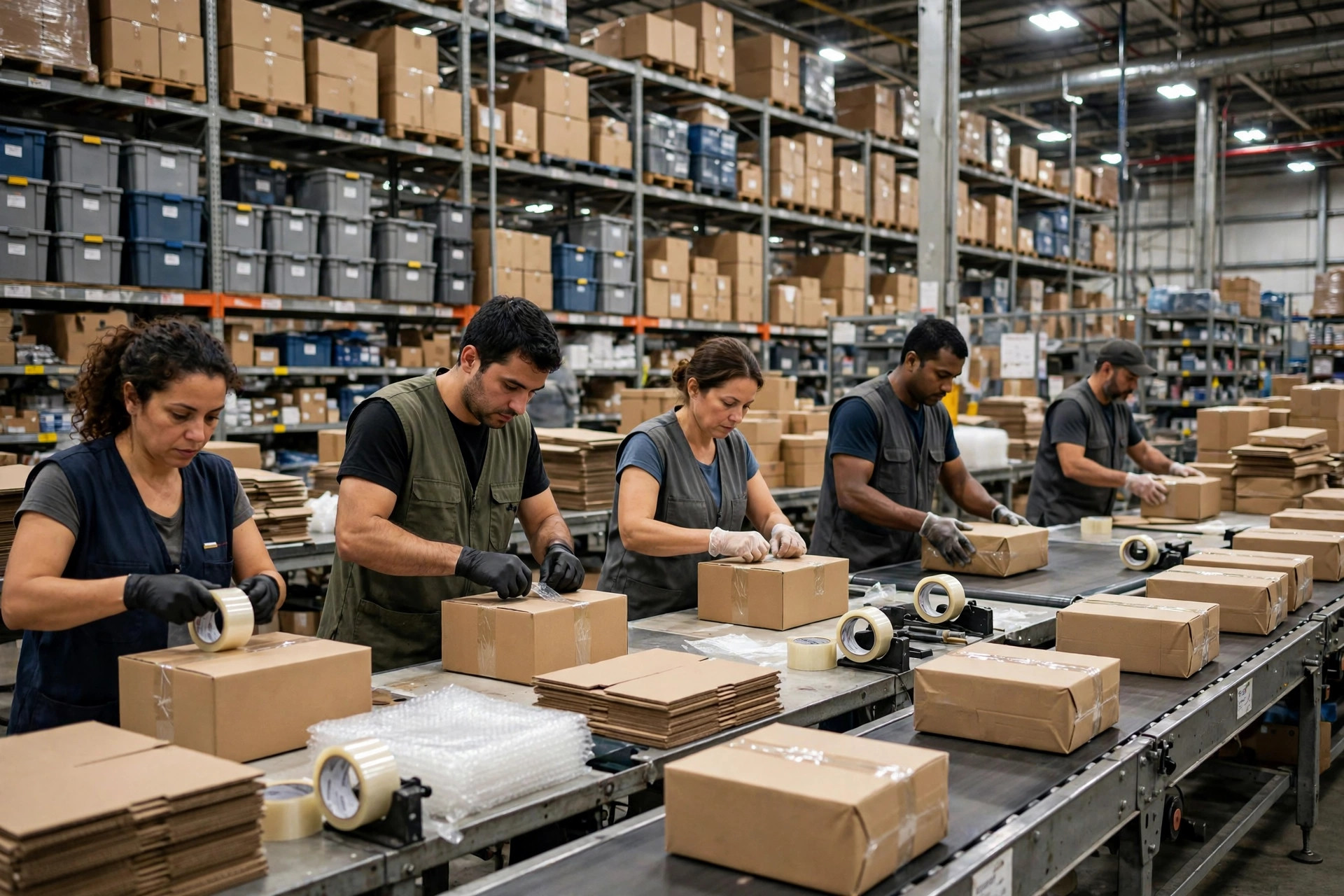
Pitfall one: the fulfillment clock. The platform holds you to order-to-ship deadlines, and if your warehouse runs a fixed crew, a spike day buries them. My California partner once got hit with 900 orders in a single day last Black Friday — the usual three-person packing line collapsed, shipments slipped two days, and the platform throttled the listing. Before you sign with a warehouse, ask two questions: can they flex up headcount on spike days, and what does surge labor cost? If you don't get clear answers, everything downstream is a landmine.
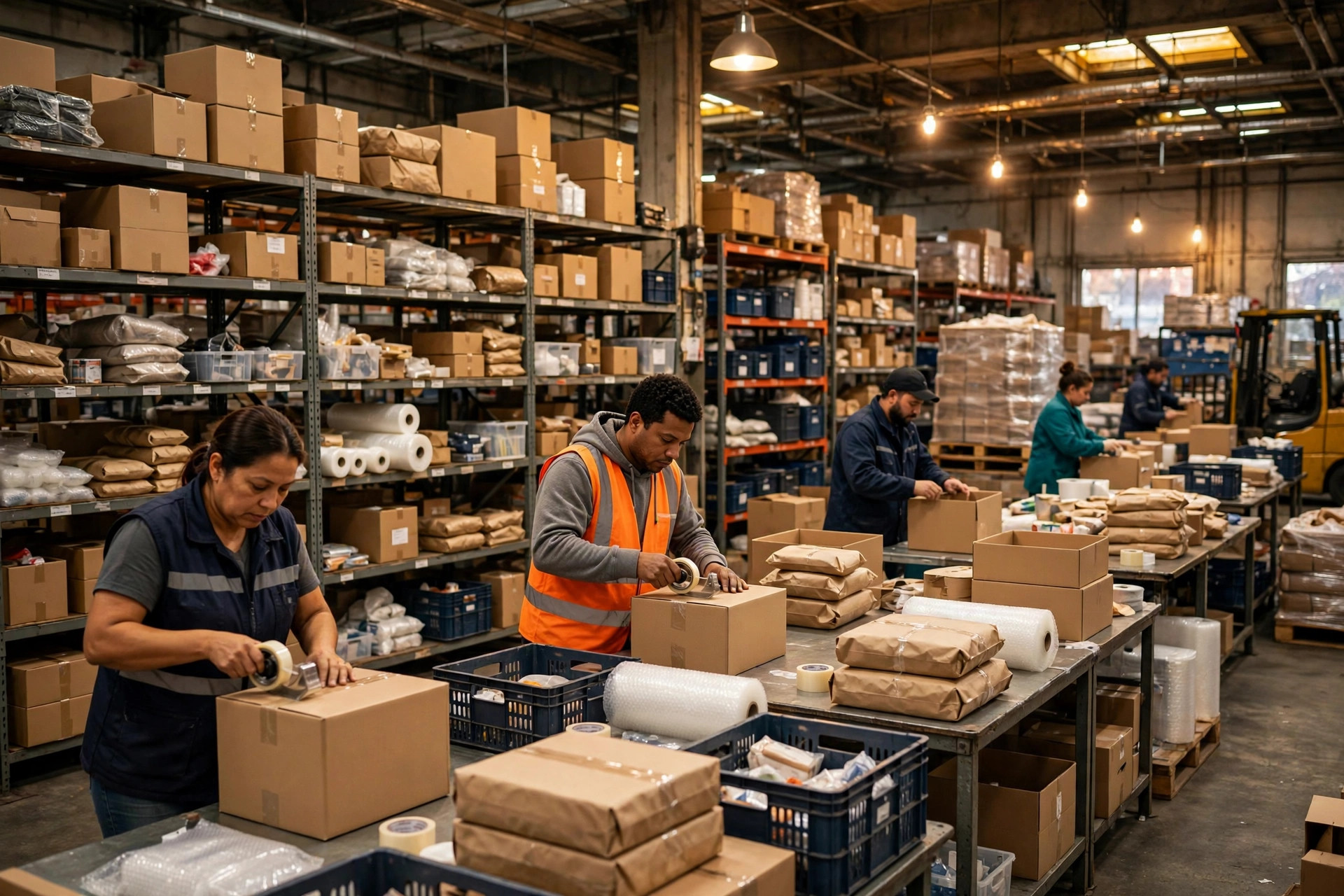
Pitfall two: who handles returns. Under semi-managed, the platform only gets the return back to your US warehouse. Inspection, refurb, relisting — all on you. My return rate runs about 8%, and half of those have nothing wrong with them — buyers just "didn't like it." I have the warehouse run a basic QC pass; resellable units go back live. That saves me a few thousand dollars a year. Don't skip it because it feels like hassle — returns are where semi-managed hides its profit.
Pitfall three: don't move everything to semi-managed. Heavy goods, oversized items, high-return categories — leave those in fully managed. Semi-managed fits light, small, low-return, volume SKUs. My filter is one line: lightweight, return rate under 10%, 20+ orders a day. Anything that fails the filter, I don't touch.
One more thing people get wrong: they treat the warehouse as a commodity and pick whoever quotes cheapest per order. My California warehouse charges slightly more per pick than the quote I got from a Nevada outfit — but their receiving accuracy is near-perfect and they've never missed an SLA in the eight months I've used them. The cheap quote would have cost me listing rank. For semi-managed, warehouse reliability is your ranking insurance. Pay for it.
So here's my decision framework, the whole thing on an index card: (1) Is the SKU light, low-return, 20+ orders/day? If no, stay fully managed. (2) Can you fund 45 days of US inventory without choking cash flow? If no, wait. (3) Is your warehouse SLA-proven, not just cheap? If no, keep shopping. Three yeses — make the move.
Semi-managed isn't charity from the platform. It's a new division of labor — the platform does what it's good at (traffic, last-mile buying power), you keep what you're good at (product selection, pricing, supply chain). Get the split right and the money follows. Tested it myself — it works.
By Ah K, E-commerce Seller (5 yrs)