eBay changed its rules again? No. This time the problem is not the platform. The problem is me. I copied my Amazon playbook straight onto eBay and paid tuition for it.
I sell on eBay. Five years in. And for a long time I ran it like a second Amazon store: bulk stock overseas, big shipments, wait for the sales to come. It almost worked, and then it did not. eBay is not Amazon. There is no FBA here to catch you. Your overseas warehouse is your own decision, your own risk, and your own bill. So here is how I actually do it now.
There Is No FBA on eBay, So Stop Stocking Like an Amazon Seller
On Amazon, FBA is the safety net. You send stock in, the platform handles the rest, and if a listing slows down, the warehouse still hums along in the background. On eBay there is no net. Every pallet you ship overseas is your money sitting in a stranger's warehouse.
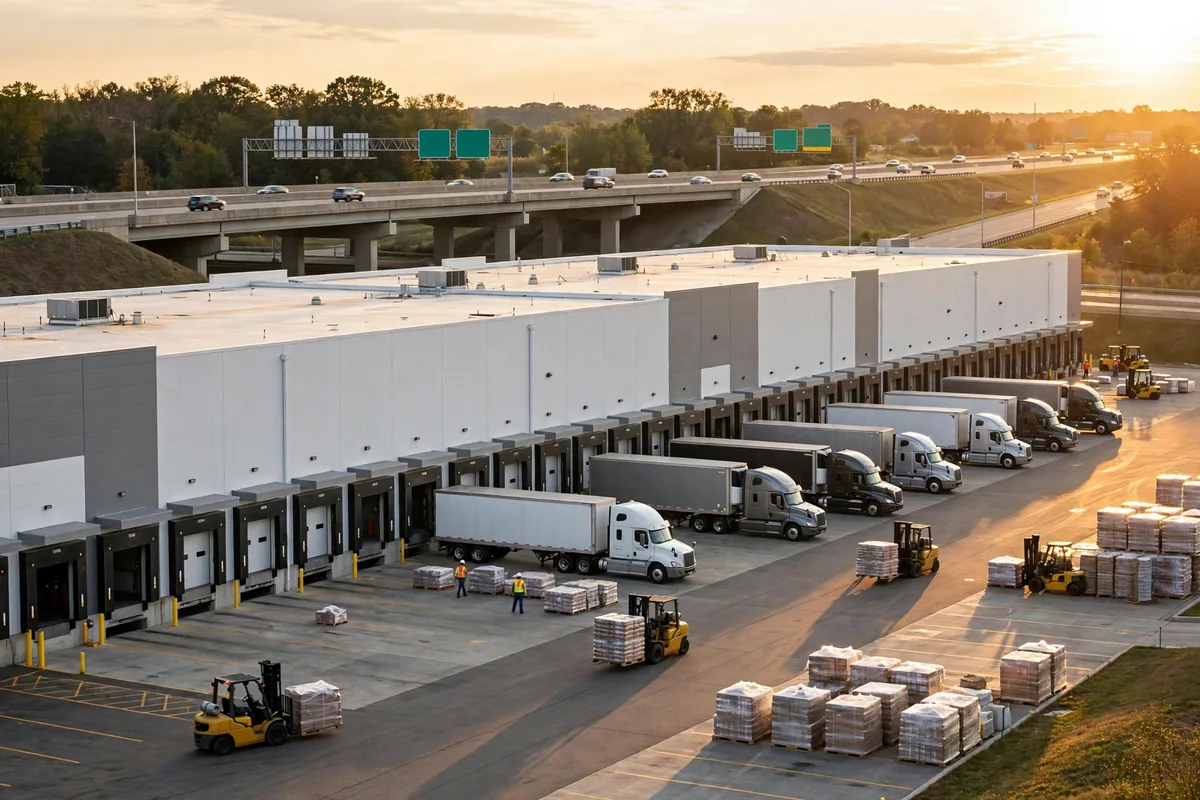
I learned this the hard way. A few years back I shipped a batch of home gadgets to a US third-party warehouse, a full container's worth, because the factory gave me a good price on a big order. Two months in, the listing had moved barely a third of it. The warehouse bill kept coming, the listing kept limping, and I was stuck deciding whether to discount it into the ground or pay to ship the rest back. Never again.
Here is the split that actually works. Use direct shipping to test a product, then use the overseas warehouse to scale the winners. A listing with no sales history gets nothing overseas. The winners get a real stock position, planned against real sell-through, not against a factory discount.
Let me show you with a hypothetical case. Suppose a batch of 300 units costs a certain amount to ship overseas and store. Before I commit, I work out the worst case: if the listing sells only half of it in three months, what does the leftover stock plus storage and the return freight add up to? If that number makes me uncomfortable, the batch is too big. Cut it in half. That rule has saved me more money than any discount ever did.
On replenishment rhythm, I only believe in small batches, more often. I used to ship one big batch a month. Now I top up weekly in small quantities. Two benefits: first, if a listing slows down, there is not much stock left in the warehouse, so the loss stops fast; second, the top-up rhythm follows real sell-through, so winners stay in stock and slow movers do not pile up. Small sellers win on turnover speed, not on how much they ship at once.
There is one more rookie mistake here: looking only at per-unit profit and ignoring cash flow. Stock that sits in an overseas warehouse for three months without moving is dead money. The same cash, spent on direct-shipping tests, could trial three or four new products. The eBay way is small steps and fast feedback. Survive first, scale later.
eIS and SpeedPAK, Paired With the Overseas Warehouse
Here is where people get confused. eBay International Standard Delivery, known as eIS, and SpeedPAK are eBay's official cross-border shipping options. They are built for small parcels sent directly from the seller to the buyer. They are not warehouse services. Do not try to force them into that role.
The combination that works: direct shipping tests the product, the overseas warehouse scales the winners. A new listing ships direct through eIS or SpeedPAK. It is slower than local delivery, but the cost is low and the commitment is zero. If a listing starts selling steadily, only then does stock go overseas, so the buyer gets local delivery speed and the seller gets the conversion lift that comes with it.
Another hypothetical case. A small home item, shipped direct for two weeks, picks up a handful of orders a day. Good enough to scale, not good enough to bet the farm on. I send a modest batch overseas, keep direct shipping open as the backup, and watch the ratio. If the overseas batch sells through in a month, the next batch gets bigger. If it stalls, direct shipping carries the listing while the stock drains.
The common trap is the reverse: people ship the warehouse first and test later. That is exactly how you end up with a pallet of slow-moving stock and a bill that arrives every month. eBay rewards listings with history and reviews, not listings with a big pile of stock behind them. The stock follows the sales. Never the other way around.
One more detail: keep direct-shipping listings and overseas-warehouse listings managed separately. Mix two shipping methods on the same listing and delivery times swing fast and slow, the buyer experience goes up and down, and when a bad review lands you cannot even tell which lane caused it. Separate listings, clean data.
Delivery expectations need to be set with the buyer up front too. Direct shipping takes as long as it takes. Do not promise a handling time faster than reality just to lift conversion, or the bad review arrives before the parcel does. I state the expected delivery window in the listing description, so buyers know the wait before they order. Buyers who are fine waiting will order anyway, and the ones who are not will not punish you for the gap. On eBay, honesty converts into money.
Returns From Your Overseas Warehouse: Do the Math Before You Stock, Not After
eBay buyers return things. More often than Amazon buyers, in my experience, and the return is the part nobody wants to plan for. The product comes back to the overseas warehouse, and then what? Restock it and resell it, discount it, or throw it away? Each option costs money, and each option needs a decision before the return lands, not after.
My rule: for every product that goes overseas, I set the return path in advance. Easy restock goes back on the shelf. Damaged or opened items go to a discount bin or a clearance listing. Items that cost more to process than they are worth get disposed of, and that cost is already in my pricing.
When you pick a 3PL, ask about returns handling as a separate line: is there a fee for processing a return, how does the second quality check work, and what do disposal and return-to-origin each cost. Do not only ask about storage and outbound shipping. Returns pricing is where the traps hide, so get the latest quote in writing before you sign. A verbal promise does not count.
One more thing, and this is the part Amazon sellers trip over most. The European market runs on VAT and IOSS rules for imports. I am not going to quote you a rate, because rates and thresholds change and the wrong number here is worse than no number. Check the latest policy on the official sites before you ship anything to Europe. The direction is simple: sort out your VAT and IOSS position before the first European order, or the shipment gets stuck and the buyer blames you.
Here is the playbook that actually worked for me. Direct shipping tests the listing. Overseas stock scales the winners only. The return path is set before the stock ships. And Europe gets its tax paperwork sorted first, not after the first stuck parcel.
This one I tested myself, and it works.
By Ah K, E-commerce Seller (5 yrs)