Let me give you the conclusion first. Argentina yerba mate export warehouse storage is not a rent bill. It is a ledger of time and moisture. The leaf is cut in Misiones, it rides to a warehouse, it waits, and then it goes out through the port of Buenos Aires. Wait too short a time and the flavor never settles, so the buyer will not accept the lot. Wait too long and your capital sits on the shelf while damp air works its way into the bags. I have seen too many people negotiate hard on freight and paperwork, then lose their margin inside the warehouse. Here is the trade-off, plain as I can put it: aging costs time, moisture control costs money, and you cannot skip either one or overspend on either one.
Argentina Yerba Mate Export Warehouse Storage, Ledger Line One: How Long to Age
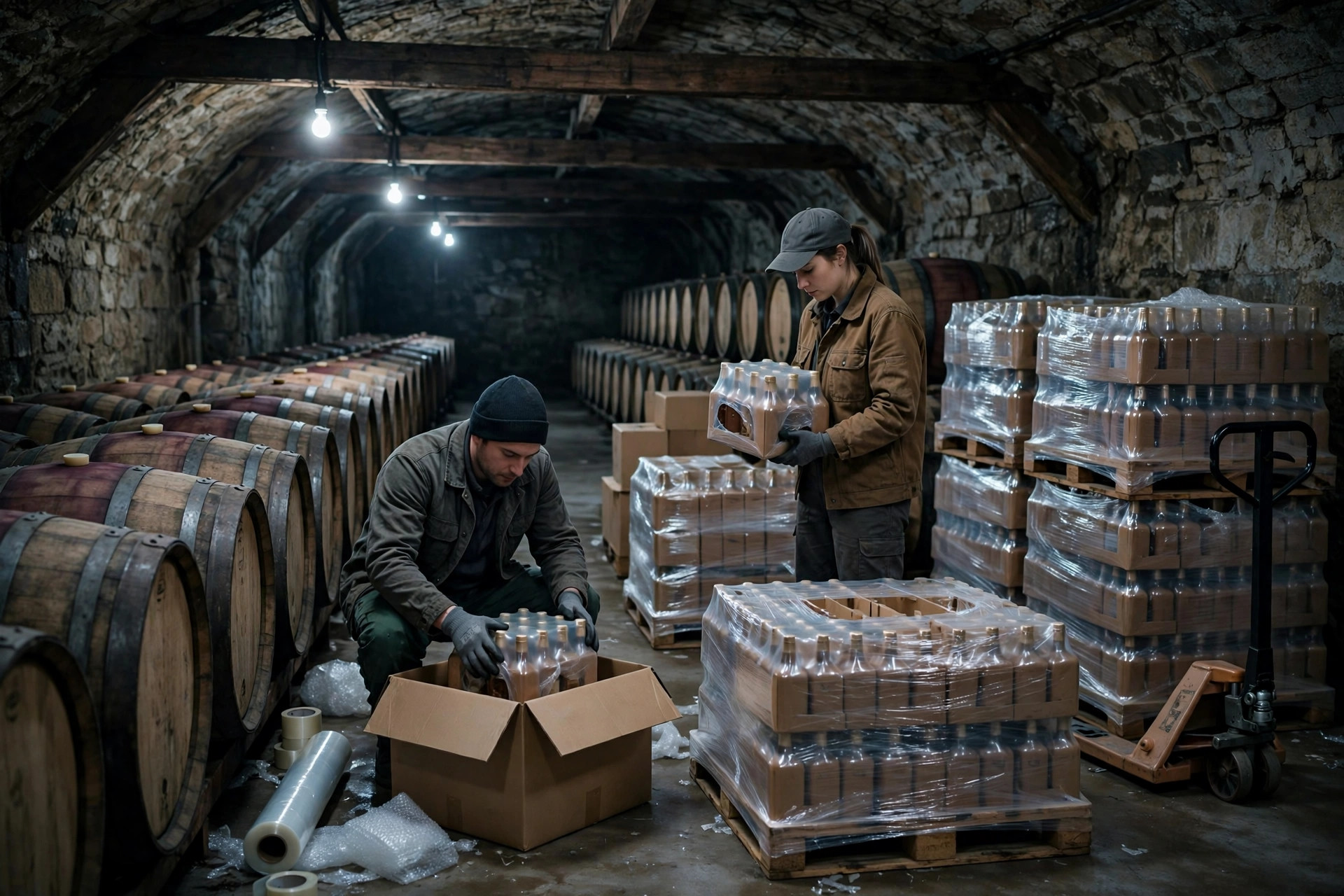
Freshly processed yerba mate is green, sharp, and rough around the edges. Buyers want the rounder character that comes after the leaf has rested. But there is no universal aging chart. One lot is cut from older leaf, another is dried a little further at the mill, and the two will mature at different speeds. Take a warehouse I know in Misiones as an example. The place keeps dozens of lots on the floor, each with its own card: the date it came in, where the leaf came from, and a tasting note from the first check. The warehouse manager opens a bag and smells it every week and brews a sample every month, and every note goes on the same card. When a lot is ready to ship, the card says so. When it is not, the card says that too. Nobody decides by the calendar alone.
This is a two-sided deal. Longer aging can make the flavor more stable, but every extra month on the shelf costs rent, labor, insurance, and risk. If damp gets in halfway through, all that waiting is wasted. I have seen too many warehouse owners treat "older is better" as gospel, then sit on two-year-old stock that a buyer sniffs once and rejects as past its peak. Here is the counterintuitive part: aging is not a race to the longest time. The skill is knowing which lot has hit its peak and which one still needs waiting. A warehouse that ships at the peak earns repeat orders. A warehouse that ships everything late earns a reputation for tired leaf.
So I run three rules in the aging area. First, lots stay separate, one lot, one card, no mixing, with the intake date and every tasting note on the card. Second, the aging area and the ready-to-ship area are physically apart, so lots nearing shipment move early and nobody has to tear the warehouse apart on loading day. Third, every lot gets a re-check date, and when that date arrives, someone tastes it. No guessing, no drifting.
Aging Is Not Sitting Still; It Is Daily Work
A lot of people think that once the leaf is in the warehouse, aging means waiting. Wrong. Temperature, humidity, and airflow are working on that leaf every single day. In the rainy season in Misiones, a poorly ventilated room will let the leaf pick up moisture faster than most owners expect. The daily routine is unglamorous and specific: check the hygrometer first thing in the morning, check that the vents are not blocked by stacked bags at midday, and spot-check a few bag seals in the afternoon. A torn seal is an open door, and moisture walks right through it.
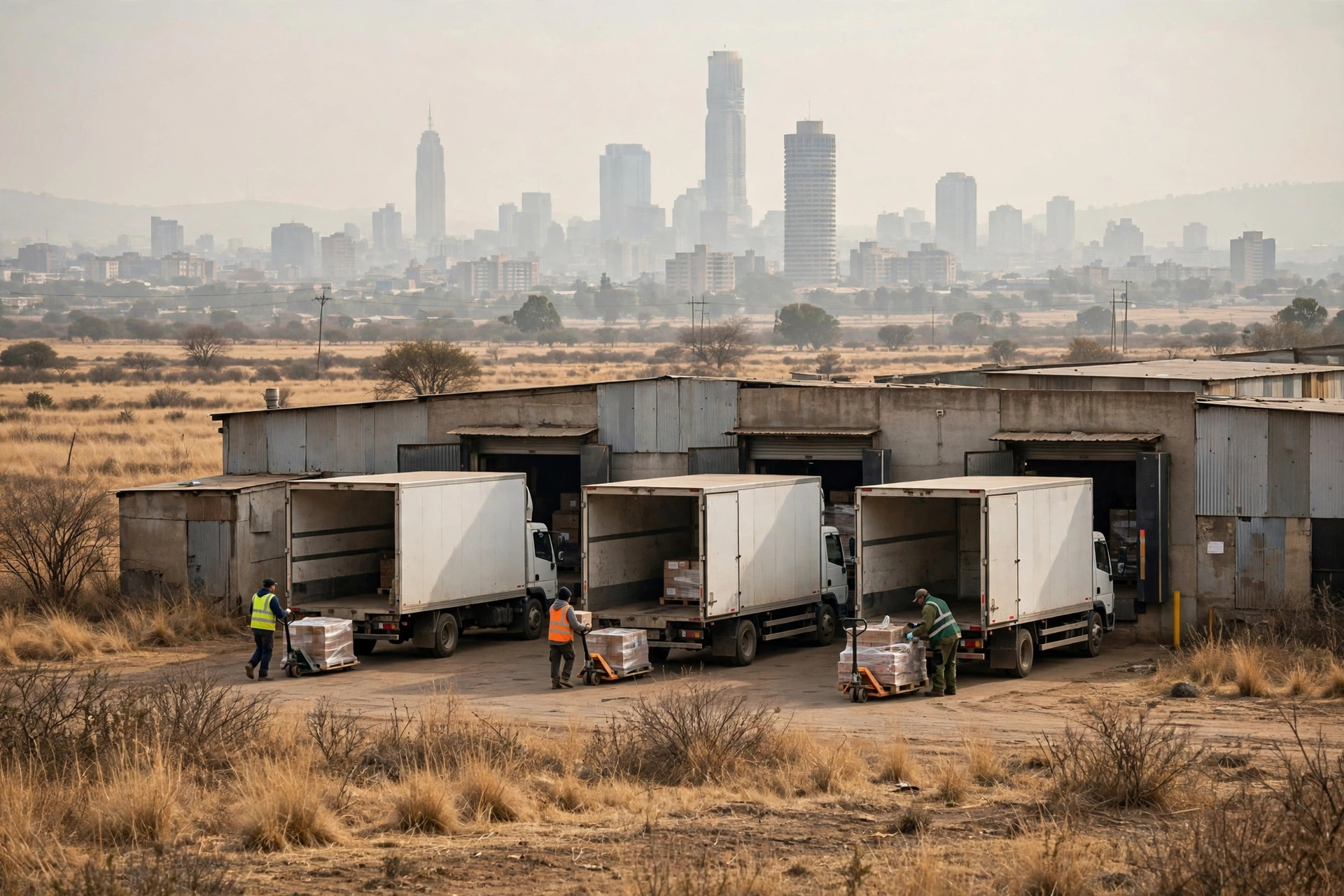
Here is a second example, this time from a warehouse near the port of Buenos Aires that consolidates export loads. One rainy season, a seam in the roof let water drip onto the top row of bags. The manager caught it fairly fast, replaced the bags, and moved the lot. The loss was limited to a few bags. But the review afterward found something worse: the aging card for the lot under the leak had not been updated for two weeks. If a buyer had asked for that lot on that day, the warehouse could not have said what shape it was in. The lesson is simple. The inspection record kept during aging is your bargaining power at sale time. A warehouse with complete records can answer every buyer question with facts. A warehouse with gaps can only talk, and talk gets discounted.
Argentina Yerba Mate Export Warehouse Storage, Ledger Line Three: Moisture, the Bill Everyone Underpays
Moisture control is where spending goes wrong in both directions. Some owners buy the most expensive dehumidifiers first, then run them all day against damp air leaking through unsealed doors and windows. The power bill climbs and the result disappoints. Others buy nothing and rely on open windows, and the rainy season makes a fool of them. The truth is that moisture control is a system: sealing, ventilation, dehumidification, and stacking all have to work together. One missing piece and the whole thing leaks.
The table below prices three approaches using one mid-sized export warehouse as an example. These are example figures for comparing options, not industry statistics:
| Approach | Upfront cost (example) | Running cost (example) | Best fit |
|---|---|---|---|
| Ventilation plus manual checks | Low | Heavy on labor time | Dry season, fast-turning stock |
| Sealing plus basic dehumidification | Moderate | Moderate power cost | Long rainy season, many lots |
| Full climate control | High | High power and maintenance | High-value lots aged a long time |
Read the trade-off, not just the price tags. The more you spend, the steadier the moisture, but the payback has to come from the value of the goods and the speed of turnover. A fast-turning warehouse does not need full climate control. A warehouse holding high-value lots through long aging is gambling if it skimps on moisture control. On the paperwork side, export documents and inspection requirements change, so check the official sources for the latest policy rather than trusting old experience or anyone's summary.
Stacking matters as much as equipment. Bags should never sit directly on the floor or against the wall. Pallets and a gap from the wall mean that if the floor sweats, the damage starts at the bottom and stays visible instead of spreading silently. Do not stack so high that the bottom bags crush and their seals split. And keep the lots most at risk away from doors and windows. Ship first in, first out, but hold back any lot that has failed re-check, even if it arrived first. Clearing stock is never a reason to ship a problem lot.
Before Loading, I Check Four Documents Against Each Other
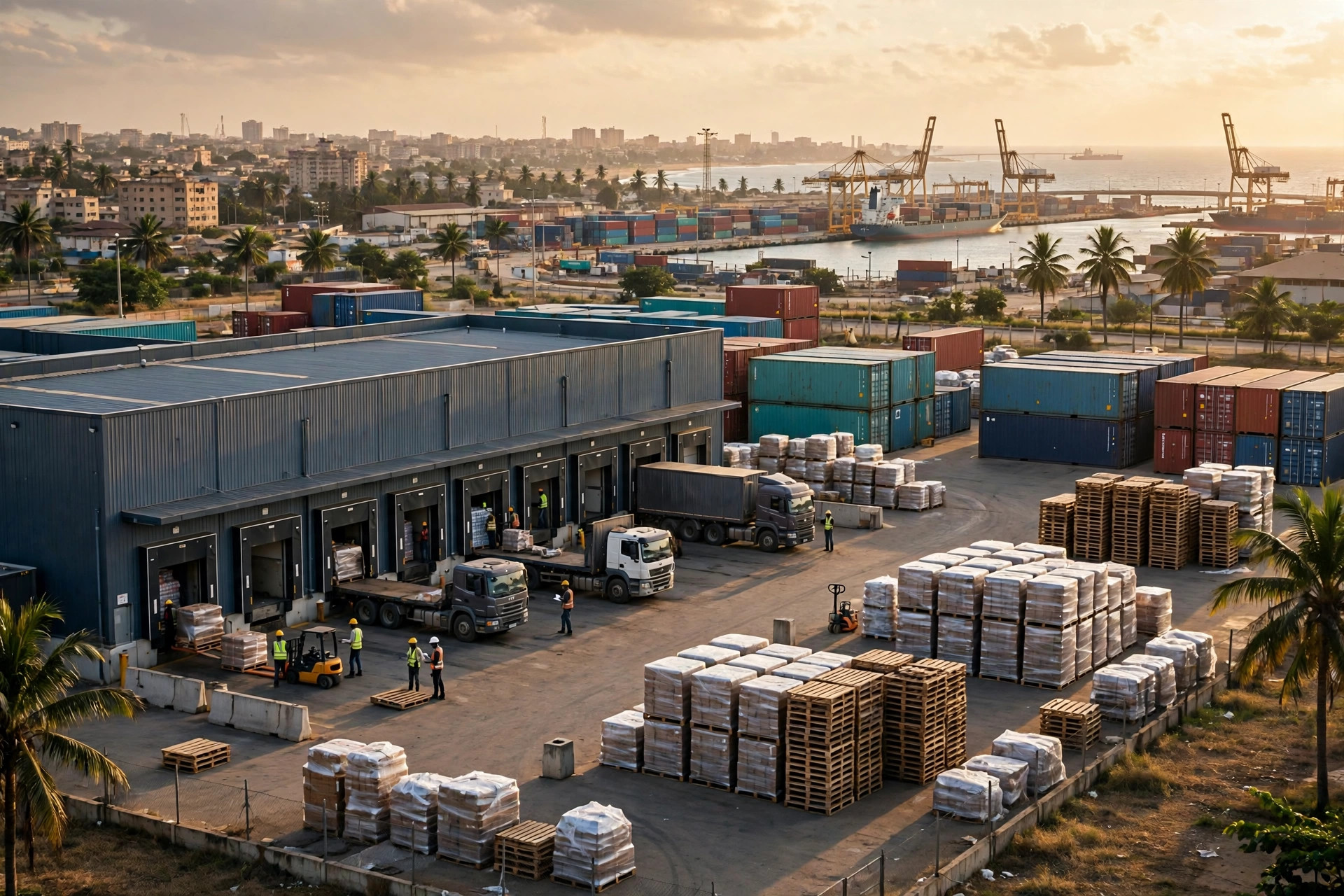
At loading time, the warehouse faces two expensive mistakes: shipping the wrong lot and shipping with mismatched paperwork. Shipping the wrong lot is the costliest of all. The buyer wanted lot A, aged to its peak, and you sent lot B, which was not ready. Returns, replacements, and a lost customer follow in a chain. My rule is to match four documents before anything moves: the aging card, the re-check record, the pick list, and the loading list. All four lot numbers must agree. If one disagrees, everything stops until someone finds out why. Nobody ships from memory.
On loading day, check the container itself before it takes a single bag. It must be dry and free of off-odors. A container that smells wrong never carries tea, no exceptions. After loading, take photos with the container number, the seal number, and the lot numbers in the same frame. The photos are not for decoration. If the buyer complains at destination, the warehouse can show exactly what went into the container and in what condition. A few minutes of work can save weeks of argument.
One last piece of advice, and I will leave it as a question. The warehouse ledger for yerba mate comes down to patience, care, and records. Aging takes patience, moisture takes care, and records take discipline. Do all three and buyers will bring you the next order and the one after that. The money a warehouse makes is rarely saved by cutting corners. It is earned by not making mistakes. Does your warehouse have a card that can answer for every lot on the floor today?
By Lao Mi, Supply Chain Veteran (20 yrs)