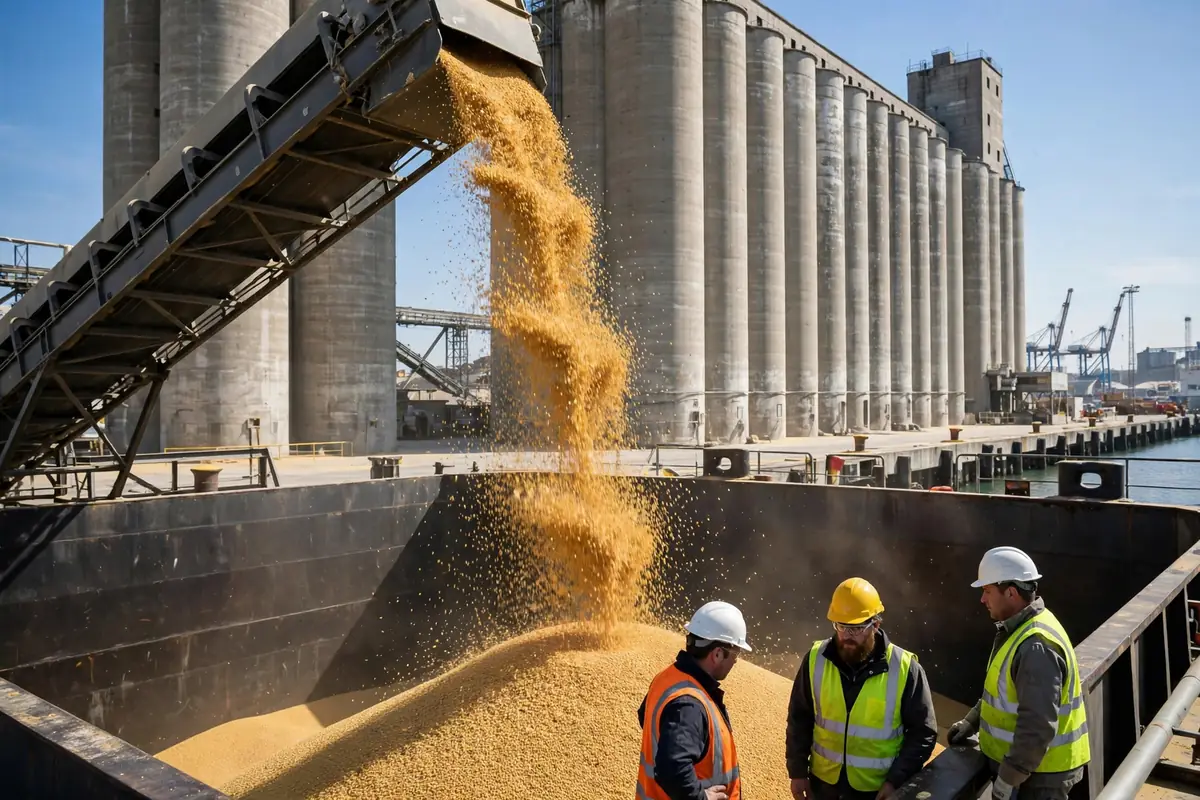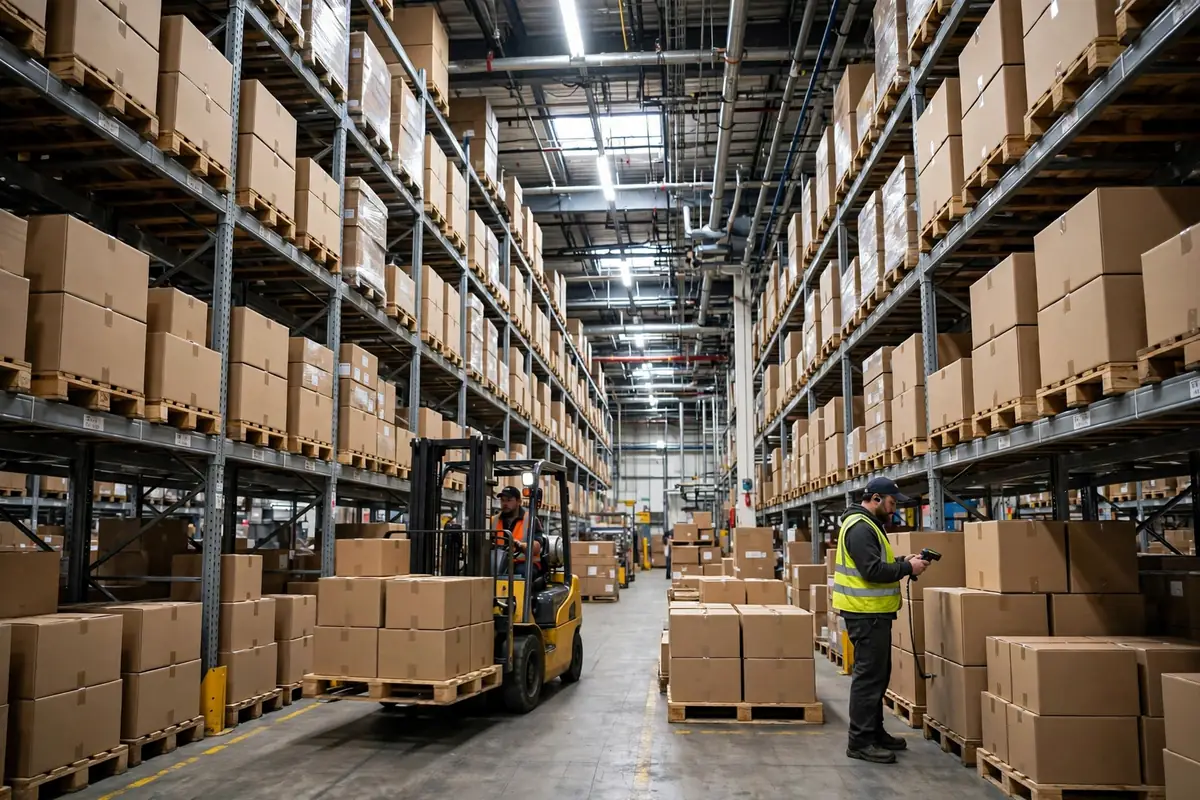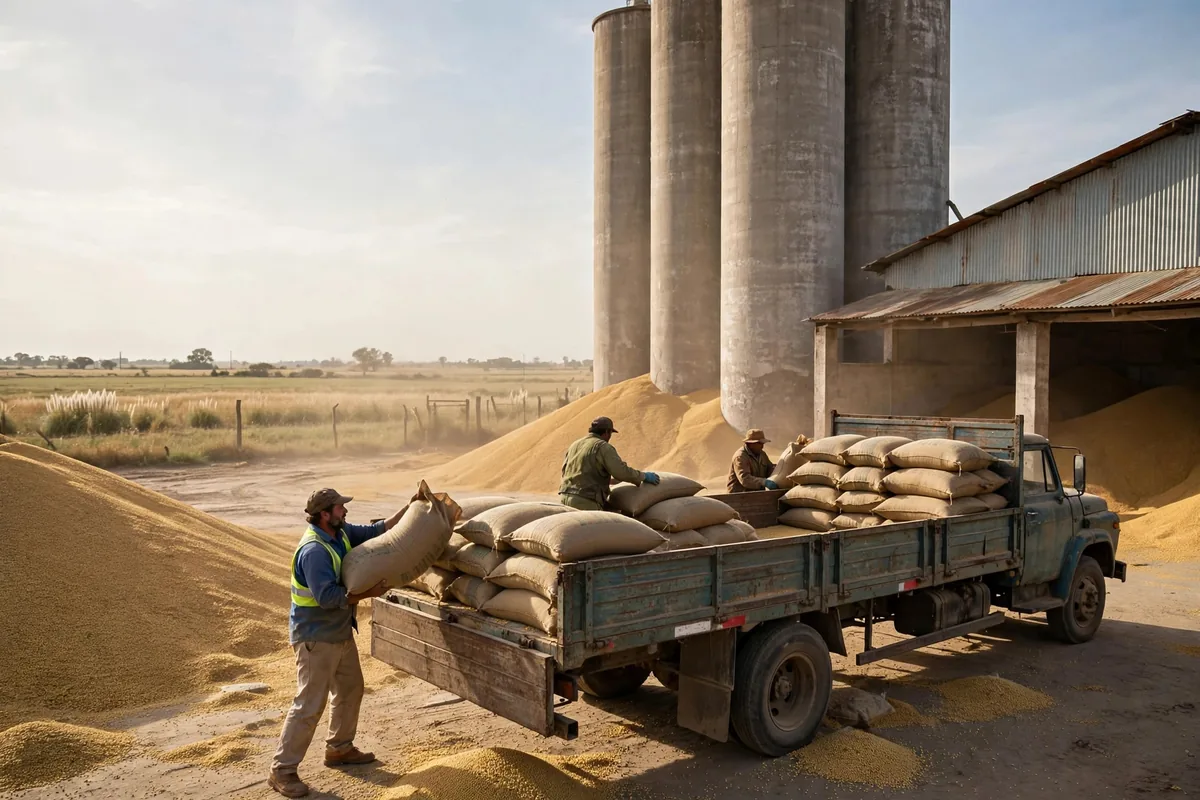
We have a client in Argentina soybean export warehouse storage who rented a silo outside Rosario in the spring of 2025. The day he signed, he called me sounding like a man who had just found a bargain. "Susan, the storage rate came in twenty percent below the place next door, and the vessel slot is booked." I said, "Slow down. Ask them when the aeration fans and temperature probes were last serviced." He didn't. Three months later, a parcel of beans came out of that silo smelling of mold, the buyer docked the price, and the sailing slipped a week. The cheap storage rate didn't even cover the rounding on the claim.
That is the first thing to understand about Argentina soybean export warehouse storage: the money is almost never in the storage line itself. The U.S. Department of Agriculture's Foreign Agricultural Service puts Argentina's 2024-25 soybean harvest at roughly 50.5 million tonnes, with whole-bean exports forecast around 8.2 million tonnes — the highest since the 2019-20 season. Argentina is also the world's largest exporter of soybean meal and oil. About eighty percent of the country's grain exports move through Rosario, and the Rosario Grain Exchange counts 75.7 million tonnes of grain, oils, and by-products shipped from the Greater Rosario port complex in 2025, across some 30 terminals squeezed into a 70-kilometer stretch of the Paraná River. When that much volume funnels through one river port, a small storage failure turns into a chain reaction.
Moisture Comes First in Argentina Soybean Export Warehouse Storage
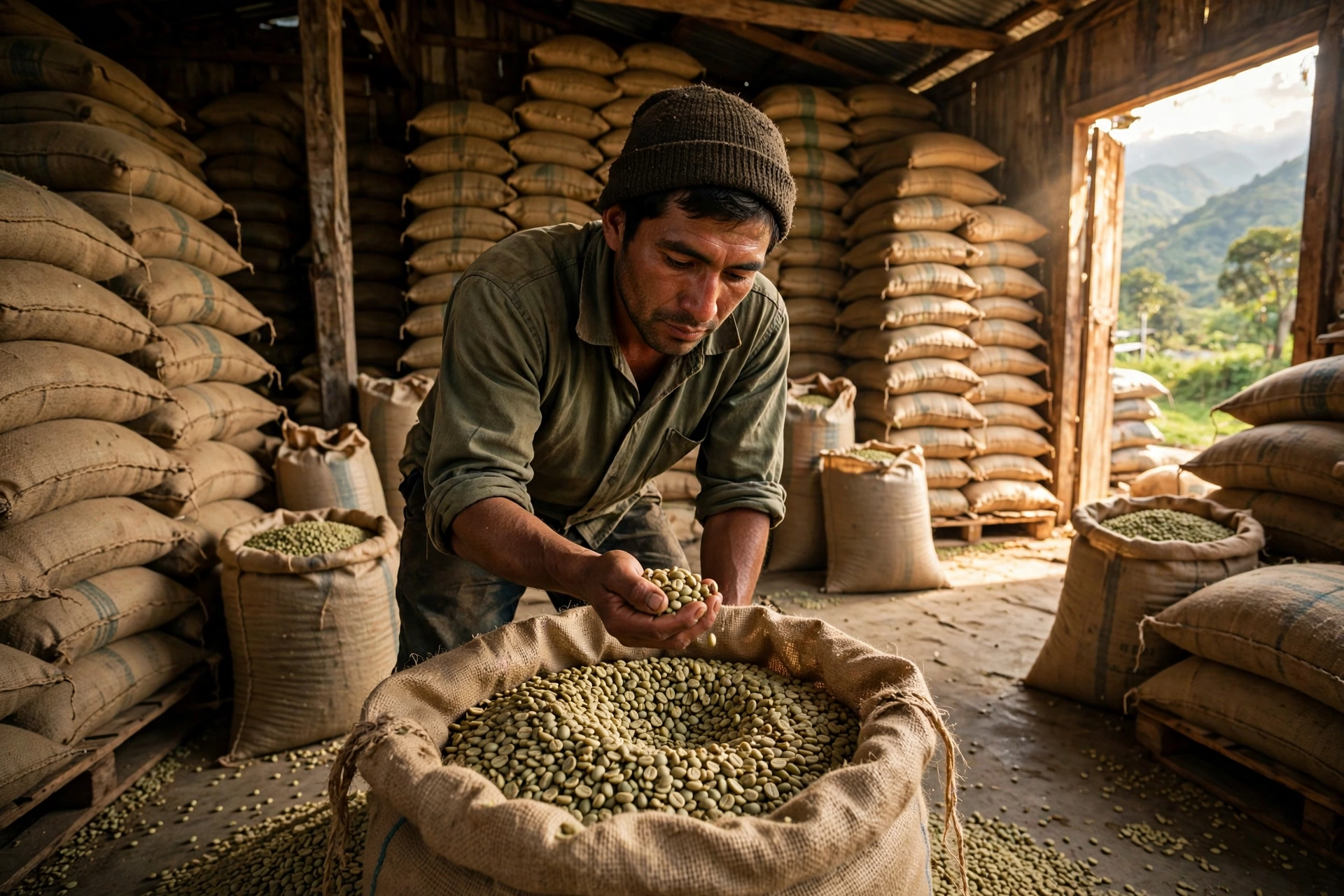
Soybeans look tough. They aren't. The University of Minnesota Extension storage guide is blunt about it: at 13 percent moisture and temperatures below about 60°F (15°C), soybeans keep for roughly six months without mold trouble. Push the moisture higher and the safe storage window collapses. For a full year in store you want 12 percent or less; for long-term storage, 11 percent or less. Harvest in the Pampas often comes in wet, and beans routinely arrive at the warehouse above 14 percent. Who dries first and who just piles them in — that decision writes the ending.
We have a client who took delivery of a parcel in Buenos Aires province in April 2024. Intake moisture tested at 15.2 percent. The warehouse operator shrugged and said the fans were running. May brought a run of rain, a hot spot built up against the silo wall, and by the time anyone noticed, a ring of beans had caked and started heating. The only fix was to empty the silo, spread the beans, pick out the spoiled portion, and dry the rest down below 12 percent. The drying and rehandling bill alone ate most of the margin on that parcel. Worse was the clock: the vessel doesn't wait, the buyer was calling daily, and in the end he sold part of the lot at a discount to a local crusher.
So when I help a client negotiate a storage contract, the first thing I make them ask is: who pays for drying when intake moisture runs over, what rate applies, and is the temperature and moisture monitoring frequency written into the contract? Plenty of warehouse quotes list drying as "charged as incurred." Those three words are a trap. The cost of drying beans from 15 percent down to 13 percent is a different number from drying 13 down to 12, and if the contract doesn't pin the rate, settlement day belongs to the other side.
The Paraná River Decides the Sailing
Getting beans out of the warehouse is only the first half. The second half happens on the river. Rosario is an inland river port, and whether a vessel can sail fully loaded depends on the water level of the Paraná. In the great drought of 2020, the Rosario Grain Exchange estimated exporters lost as much as $244 million because vessels could not take full loads. A shallow river means reduced cargo, reduced cargo means topping up at another port, and topping up means another round of freight and port charges. Plenty of contracts that year said nothing at all about who carries the cost of draft-related short loading, and the arguments dragged on for months.
It hasn't changed. The river level swings every year, and in a low-water season a vessel built for 50,000 tonnes may sail at seventy or eighty percent. Storage terms and shipping terms have to be read separately: the warehouse operator is responsible for the beans while they're in his shed, not for a half-empty ship. My practical advice is to write a draft-sharing clause into the contract, or simply schedule the shipping window away from the low-water season. It sounds fussy. On the day it matters, it can save a full vessel's worth of demurrage.
Export Taxes Move, So the Contract Needs a Live Clause
There is another line item most shippers never budget for: Argentina's soybean export taxes. In 2025 alone the rate swung several times — 33 percent and 26 percent both appeared during the year, with a cut to around 24 percent late in the year. Check the latest official policy before quoting any rate. When the tax moves, farmers change when they sell, and the whole flow of beans into warehouses and out to port moves with it.
We have a client who caught a brief tax holiday window in September 2025. Export registrations worth several million tonnes were filed within days, cargo flooded toward the ports, and warehouse space and rail cars tightened at the same time. His storage contract had a fixed term, and when the vessel couldn't be scheduled, the extension came at a premium rate. After that I rewrote his template: a clause that extends the storage term at the original rate for a set number of days when a major tax change triggers a rush to ship. He told me no warehouse operator would accept it. He asked anyway, and they did — because operators also worry about losing a repeat customer, and a long-term relationship is sometimes worth more than the clause itself.
Silo bags deserve a mention too. All over the Pampas, farmers store beans in plastic bags in the field and sell when the price suits them. Bags are cheap and flexible, but moisture protection is only as good as the bag, and one tear lets water in and ruins the lot. Traders buying bag-stored beans should test moisture and impurities on intake and write acceptance standards and rejection rights into the contract. Don't discover the problem after the beans are already in the silo — the beans won't wait while you argue.
The Real Math of Argentina Soybean Export Warehouse Storage
Here is the comparison I run for clients. The figures are an illustrative example for comparing options, not a quotation:
| Cost line | Option one: cheapest rent | Option two: all-in price |
|---|---|---|
| Storage rent | Low, roughly 20% below the neighbor | Higher, but includes aeration and monitoring |
| Drying | Billed separately, rate rises when moisture is over | Includes one drying pass to below 12% |
| Rehandling and sorting | Only if something goes wrong, all on you | Shared under a contract formula |
| Demurrage and buyer claims | Entirely your risk | Partly recoverable |
| Total on a 10,000-tonne parcel | Looks cheap until one mold event flips it | Costs more up front, but the downside is capped |
The counterintuitive judgment is this: in Argentina soybean export warehouse storage, the cheapest storage rate is usually the most expensive total cost. Behind a low rate you typically find aging fans, nobody watching the temperature probes, and a contract that pushes every risk onto the cargo owner. Shippers love to compare the per-tonne rate, but the rate was never the cost. Mold, short loading, claims, and demurrage added together — that's the cost.
Three questions before you sign. Next time you negotiate a storage contract, ask these three questions. First, can I see the temperature and moisture logs every day, and what happens if the data stops? Second, exactly how is the drying charge calculated when moisture runs over — is the rate fixed in writing? Third, if the vessel short-loads because of the river level, how is responsibility split between storage and shipping? If the answers come back vague, walk away no matter how cheap the rent looks.
Beans travel from a field in the Pampas to a ship at Rosario, and between those two points sit moisture, mold, a river, and a contract. Work out the storage math before you sign. It beats calling me after the fact.
By Susan, 3PL Sales Director