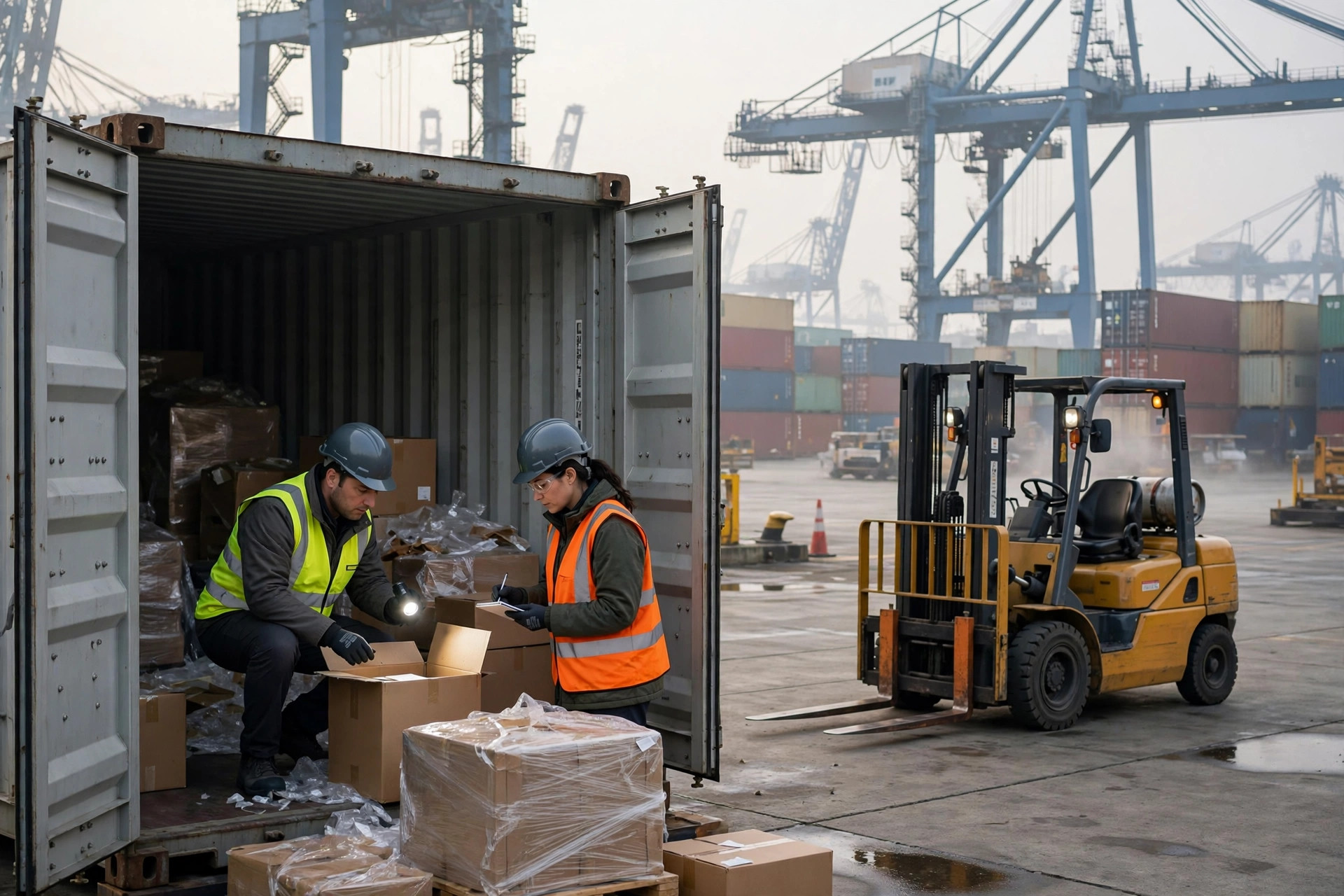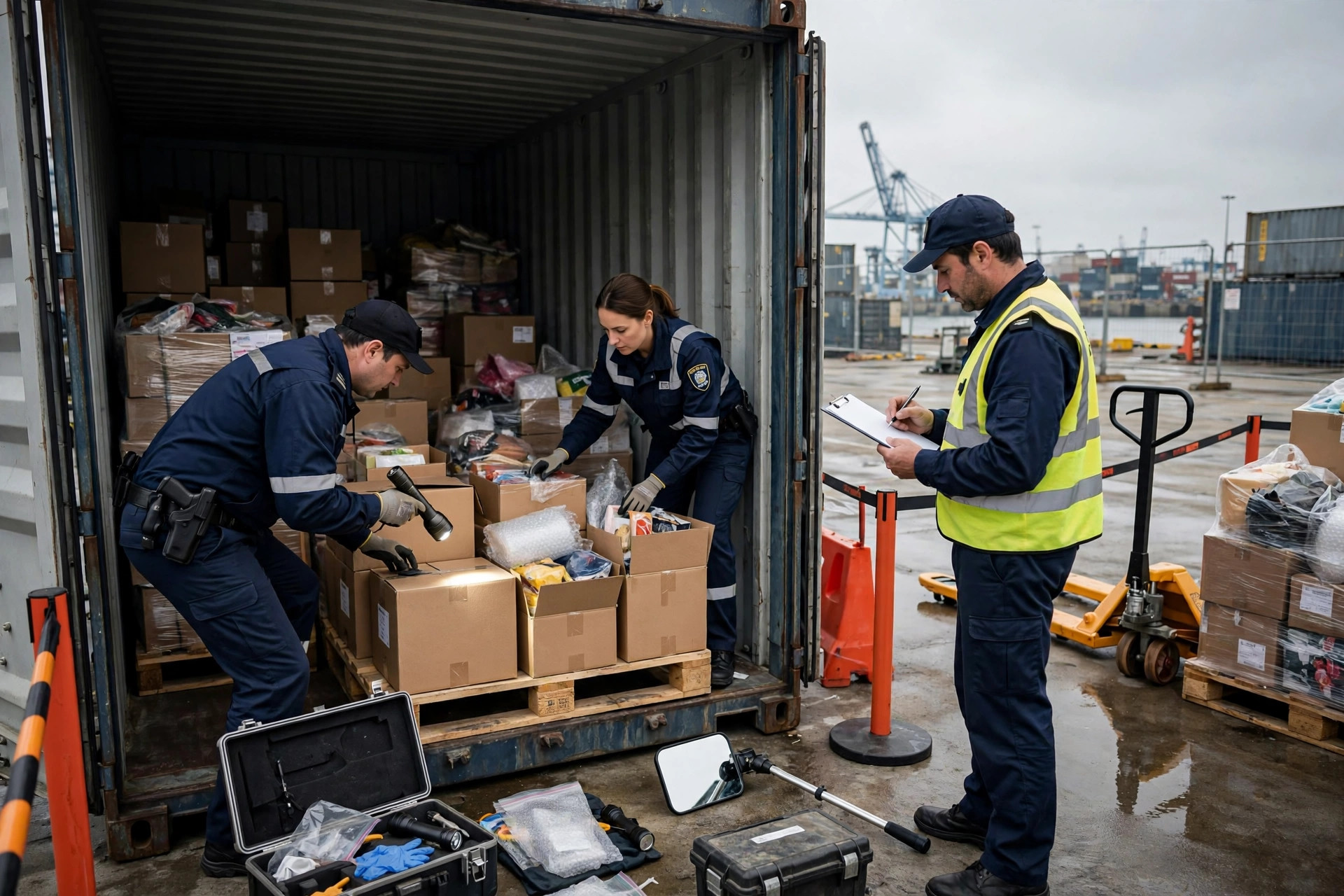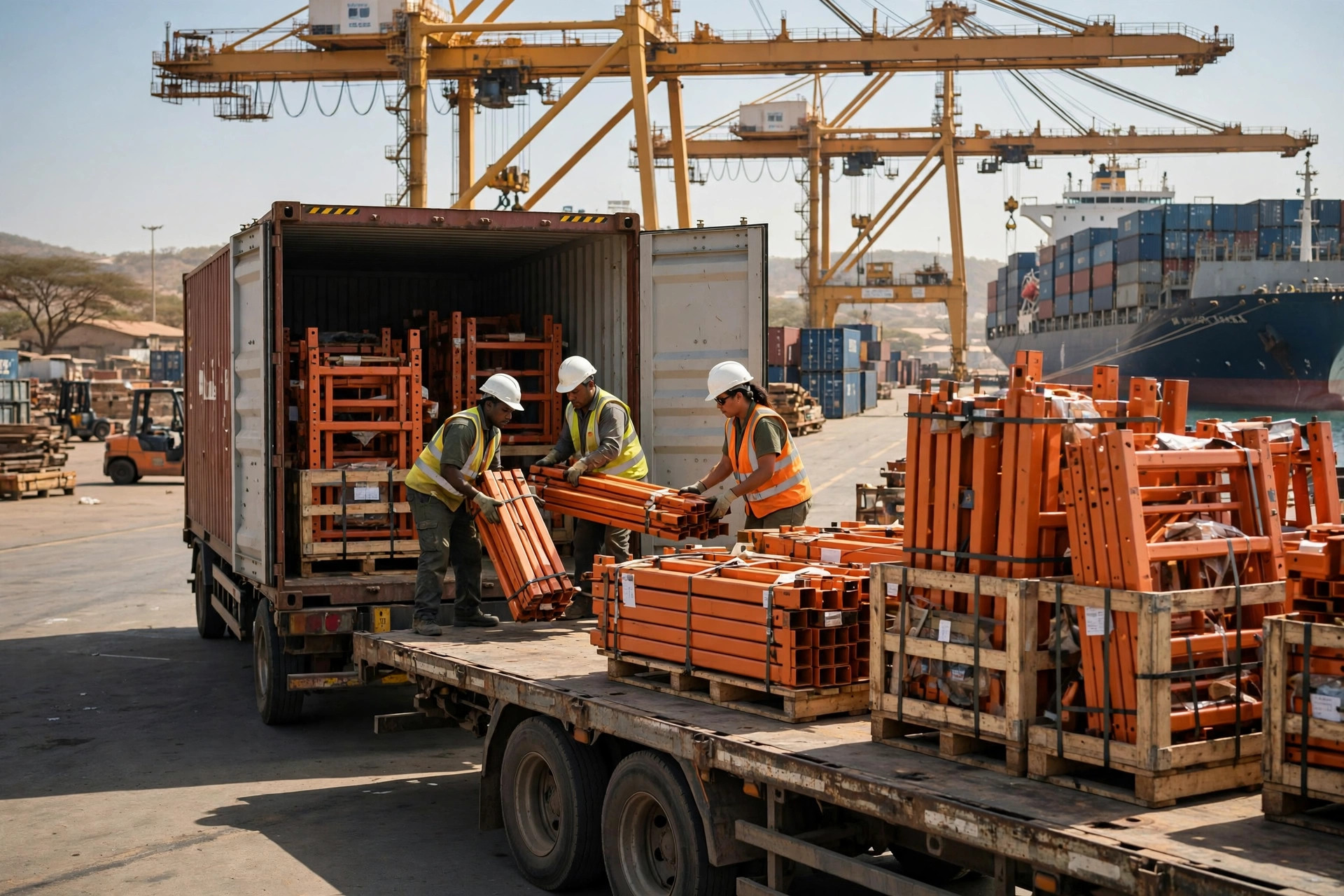
We had a client — a racking and conveyor manufacturer out of Dongguan — that learned about SABS certification the hard way. Late last year they landed their first South African order: two 40-foot containers for a distributor outside Johannesburg. The goods shipped from Shenzhen on schedule, floated for a month, arrived at the Port of Durban… and went nowhere. Customs wanted an NRCS LOA — a Letter of Authority — a document the client had never heard of. They scrambled for a local agent, pushed the paperwork through on an expedited basis, and more than forty days passed before the containers were released. The demurrage and storage bill on two boxes was big enough to pay for the certification three times over. The distributor spent half an hour on the phone yelling at our sales rep: the contract never said who owned certification.
The lesson I keep coming back to: don't treat SABS as the South African version of CE. It isn't. CE lets manufacturers self-declare in most machinery categories. The South African system for imported equipment is a different animal entirely. Here's the gate, step by step — what needs it, how long it takes, what it costs, and how to write the contract so you don't eat the bill.
The Two Doors: LOA and COC Are the Import Ticket; the SABS Mark Is a Different Business
Most people — including plenty of certification brokers — open with "how much does SABS cost?" The moment I hear that, I know they haven't separated the two routes:
Route one: the mandatory import documents — the NRCS Letter of Authority (LOA) plus the SABS Certificate of Compliance (COC). This is South Africa's mandatory gate for regulated imported products, and anything with electrics basically can't avoid it: AMRs, the electrical parts of conveyor lines, powered forklift attachments. The NRCS issues the LOA (safety), SABS issues the COC (electromagnetic compatibility). Note what this route does not give you: no SABS mark on the product, no factory inspection. Published timelines run 4–12 weeks for the full process, with a faster track for well-documented import applications. Check the SABS website for the latest requirements before you budget.
Route two: the SABS Mark permit. This is the round logo everyone pictures. Far heavier: SABS sends auditors to your factory, you sign an annual surveillance contract, they come back twice a year for unannounced audits, pull samples for re-testing, and the annual fees plus inspection costs keep coming. Certificate validity: three years. The first-year outlay is multiples of route one.
Here's the counterintuitive part: what you think of as "SABS certification" is not what a first-time shipper to South Africa actually needs. You need LOA + COC. Brokers love blurring the two — quoting the full Mark package to scare you off, or quoting only the cheap LOA price and adding line items once you're in.
The SABS Certification Process: Four Steps, Plus One Local Agent
Step one: confirm whether your product falls in the compulsory scope. Bare steel racking usually doesn't. Conveyor electrical systems, AMR drive and charging systems, motorized attachments — most likely yes. Start with your product list and ask SABS or the NRCS directly; picking the wrong standard means rework — their own published process says so.
Step two: assemble the dossier — technical specs, test reports, manufacturing procedures, quality control documentation. Test reports prepared up front to the applicable SANS standards, at a competent lab, save you weeks later.
Step three: submit the application and pay the application fee. Published ranges put the application fee at roughly ZAR 2,000–5,000, with third-party testing from ZAR 10,000–50,000 and up depending on product complexity. Treat those as published ballparks and confirm against the SABS website's latest schedule — fee schedules move year to year.
Step four: technical review, then the certificate.
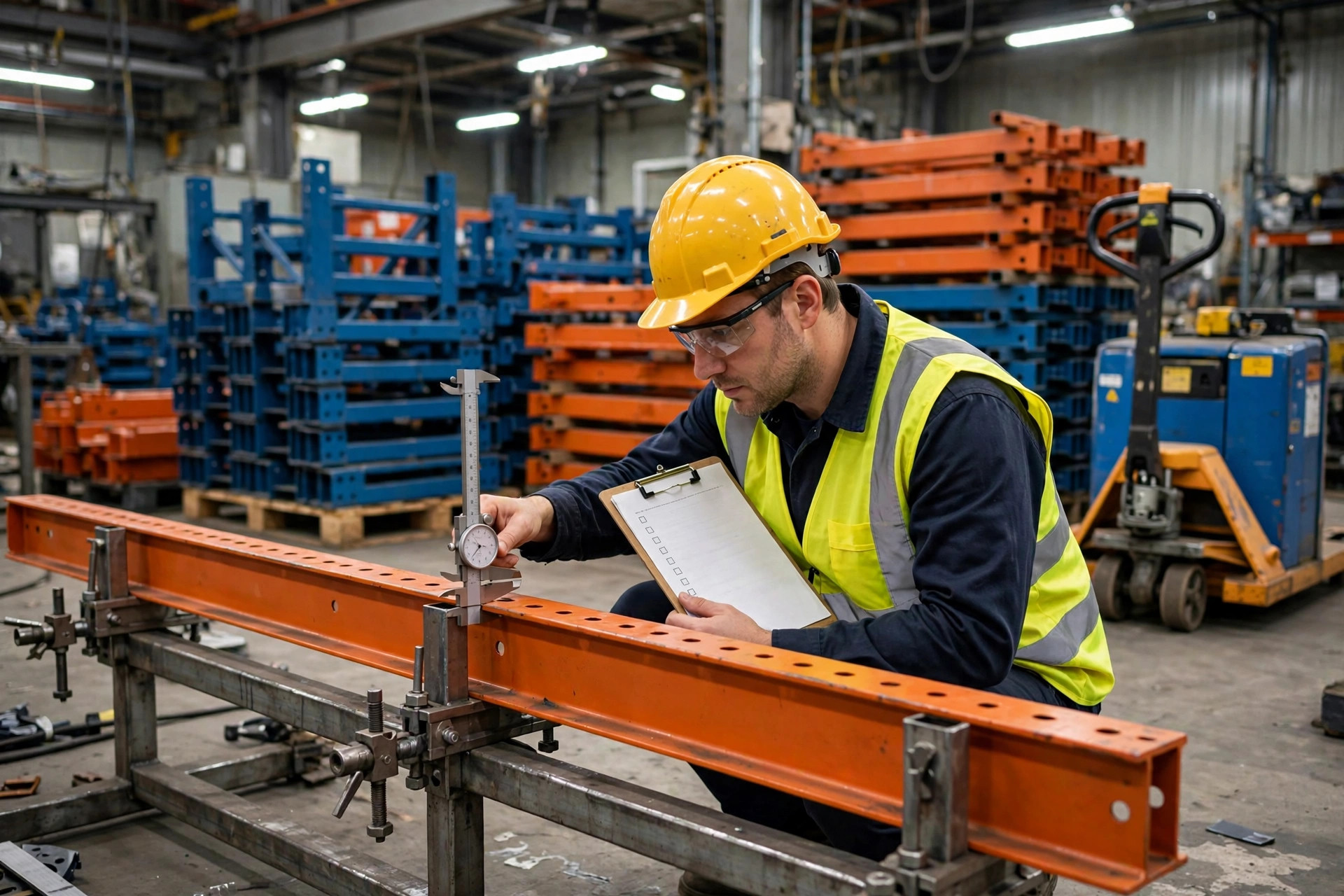
One iron rule: your company must appoint a South African local agent, who takes responsibility for everything you submit and for after-sales matters. Without that agent, the application doesn't even get through the door.
And one warning: get the LOA before you ship. Ship first and certify later, and you become the client from my opening story. Durban port demurrage is charged by the day; once free time expires, every burned day is real money — local clearing agents handle "the goods are here, the certificate isn't" rush jobs all the time.
SABS vs CE vs UL: Three Different Species
| SABS (import-mandatory: LOA/COC) | CE | UL | |
|---|---|---|---|
| Nature | Mandatory South African market access; regulated products don't clear customs without it | EU conformity mark; most machinery categories allow manufacturer self-declaration | North American third-party testing + listing; voluntary in law, mandatory in practice |
| Issued by | NRCS (LOA) + SABS (COC) | The manufacturer itself (notified body for high-risk categories) | UL and other NRTLs |
| Factory audit | Not required for LOA/COC; required — with two annual surveillance audits — for the SABS Mark | Generally not required | Initial audit plus periodic follow-ups |
| Timeline ballpark | 4–12 weeks | Instant to a few weeks (self-declaration route) | Quote-dependent; typically the heaviest investment of the three |
(Timelines are common ranges from published sources; confirm the latest quotes and schedules with the issuing body for your case.)
The trade-off to internalize: having CE doesn't turn South Africa green. Self-declaration works in the EU; South African customs doesn't recognize it — they want the NRCS LOA and the SABS COC. Flip side: if your factory has been through UL audits, the Mark route will feel familiar, because both are the heavyweight "third-party testing plus factory audit" game, and your documentation system carries over.
The African Market Angle: South Africa Is Both a Springboard and a Chokepoint
South Africa is Africa's most mature industrial market — real demand for warehouse automation from 3PLs and manufacturers around Johannesburg, Durban, and Cape Town. And SABS is treated as a quality benchmark across much of Africa — win South Africa and your certificate becomes a door-opener in Kenya or Nigeria. But don't romanticize it:
Customs handoff is lesson one. Regulated products without an LOA can be detained at the Port of Durban, with storage and demurrage accruing daily. Local clearing houses price LOA work per product and per model count — rush jobs cost more.
Enforcement depends on people. The published process is one thing; individual assessors read the SANS standards with varying strictness. When choosing an agent or broker, pick one with successful machinery or warehouse-equipment cases — not one whose playbook is consumer electronics. Mechanical load testing on racking and EMC testing on a charger are two different jobs.
Get the electrical details right up front: South Africa runs 230V/400V at 50Hz. Design your electrics (AMR chargers, conveyor control cabinets) to that from the start, pass the test report the first time, and you save yourself the rework bill.
Negotiation Advice: Put Certification in the Contract First
One more client story. Early 2025, a Shenzhen AMR maker with a first order of just USD 80,000 let a broker talk them into the full SABS Mark package. Factory audit, annual fees, two surveillance audits a year — amortized over three years, that bill ate more than forty percent of the first order's margin. My advice hasn't changed: trial orders and project orders go in on LOA + COC; step up to the SABS Mark when annual volumes are stable or you're bidding for government and enterprise tenders. Certification is staged, not all-in on day one.
Next time you negotiate a contract, ask these three questions:
- Who applies, who pays, and does the certification timeline sit inside the delivery schedule? If it's verbal, it doesn't count.
- Which local agent? Can they show verifiable SABS/NRCS cases for machinery?
- Do we ship before the LOA lands? (Answer: no. Write that into the contract — it protects you.)
By Susan, 3PL Sales Director