Our little warehouse cannot afford that kind of money. That was my first reaction when I heard a quote for shipping Argentine red shrimp in a reefer container from Mar del Plata to China. The ocean freight plus the refrigeration surcharge alone would cover a month of wages in my warehouse. Then I did the sums properly, and the picture changed. The Argentina red shrimp export cold chain is not closed to small exporters. You just play it differently: you ride somebody else's cold chain instead of building your own.
First, the size of the trade. According to UN Comtrade data for 2024, Argentina exported frozen shrimp worth $939 million, about 146,689 tonnes. Spain bought roughly 55,839 tonnes for $330 million, making it the biggest buyer, followed by Italy at about 22,051 tonnes for $142 million and China at about 20,331 tonnes for $137 million. Japan and the United States took smaller shares. Argentine red shrimp, Pleoticus muelleri, is wild-caught by trawlers in Patagonian waters. It is not farmed. That matters more than most newcomers realise: wild catch means supply follows the fishing season. When the season opens, processing plants and cold stores run flat out. When it closes, no amount of money buys you shrimp.
The Argentina Red Shrimp Export Cold Chain Is Won or Lost Before the Shrimp Reaches Shore
The first scene is at sea. Picture an illustrative freezer trawler working Patagonian waters during the 2024 season: shrimp come aboard and must be graded and blast-frozen immediately. The difference between frozen-at-sea and frozen-ashore is invisible to an outsider and obvious to a buyer in one bite. Shrimp frozen on board stay firm, with good colour; shrimp dragged back to shore and frozen later go soft, and lose water when thawed. Buyers check that first. So the first checkpoint of the Argentina red shrimp export cold chain is not on land at all. It is on the boat. If the sea-freezing is done well, everything downstream in Mar del Plata, grading, packing, cold storage, runs smoothly. If it is done badly, no cold store on earth can rescue the lot.
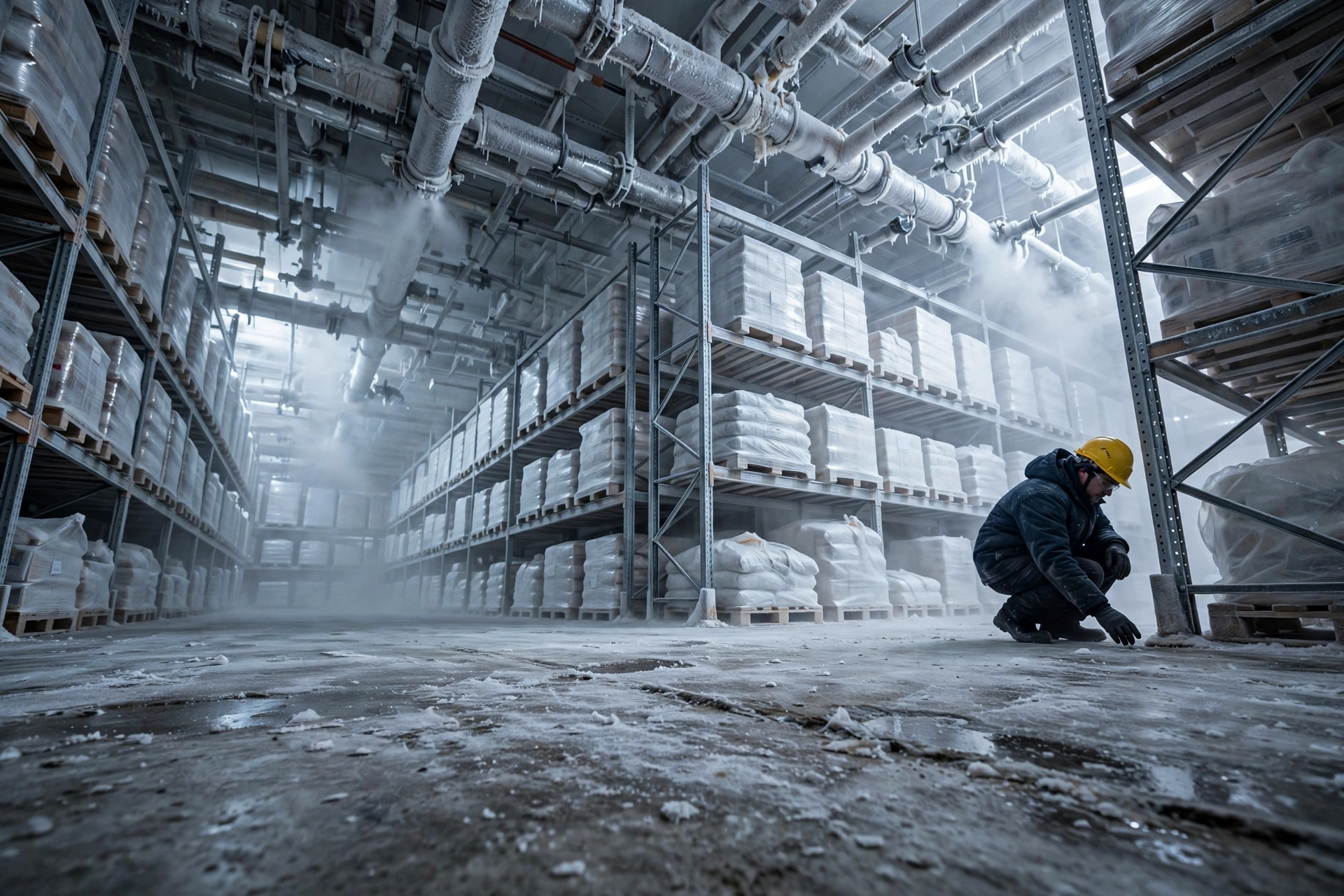
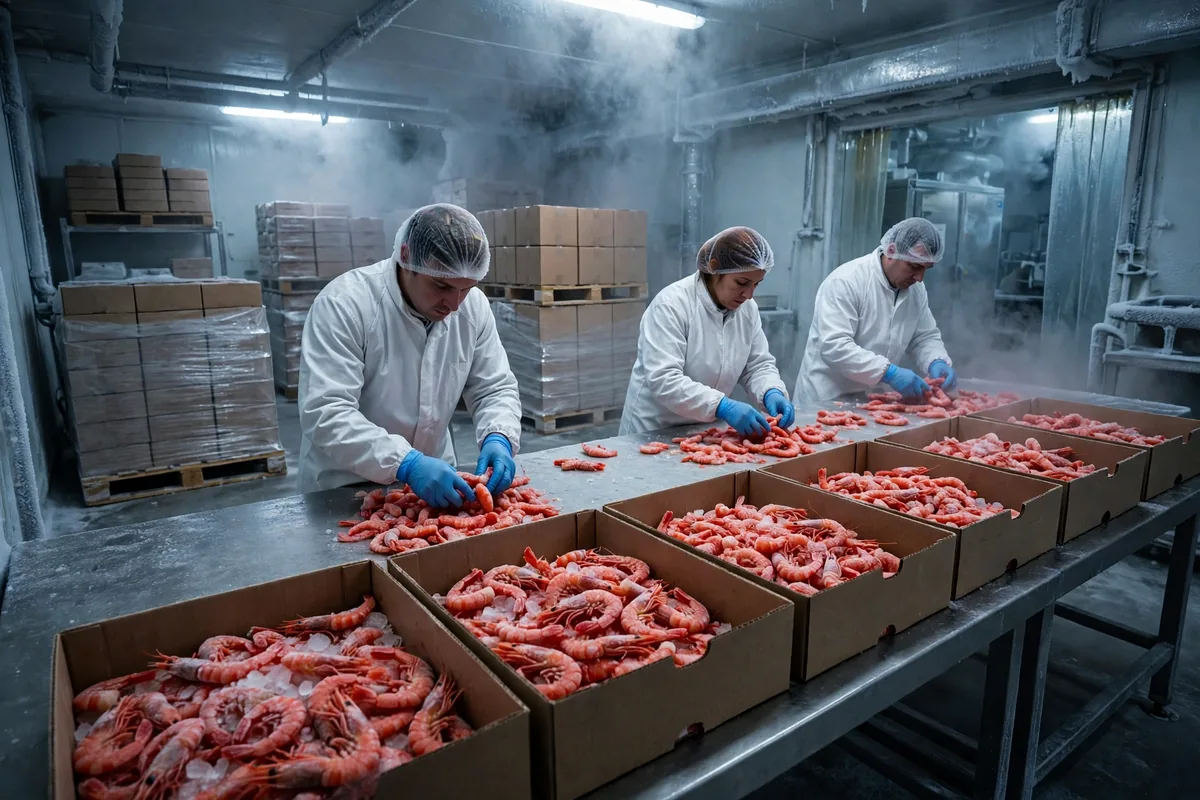
The second scene is a processing plant in Mar del Plata. Take an illustrative mid-sized plant handling about 40 tonnes of raw shrimp a day at the peak of the season, running three shifts. The line grades by size: large whole shrimp go to Spain, smaller tails go to China. Grading is where the cold chain is tested hardest. The grading hall has to stay cold, because every ten minutes shrimp spend at room temperature costs a grade. The old hands on the floor have a low-tech fix: pull only two hours' worth from the cold store at a time, grade it, and send it straight back to freezing. Never leave a full pallet waiting in the hall for half a day. It sounds clumsy. It saves money, because rework and downgrades fall, and that beats hiring two extra workers.
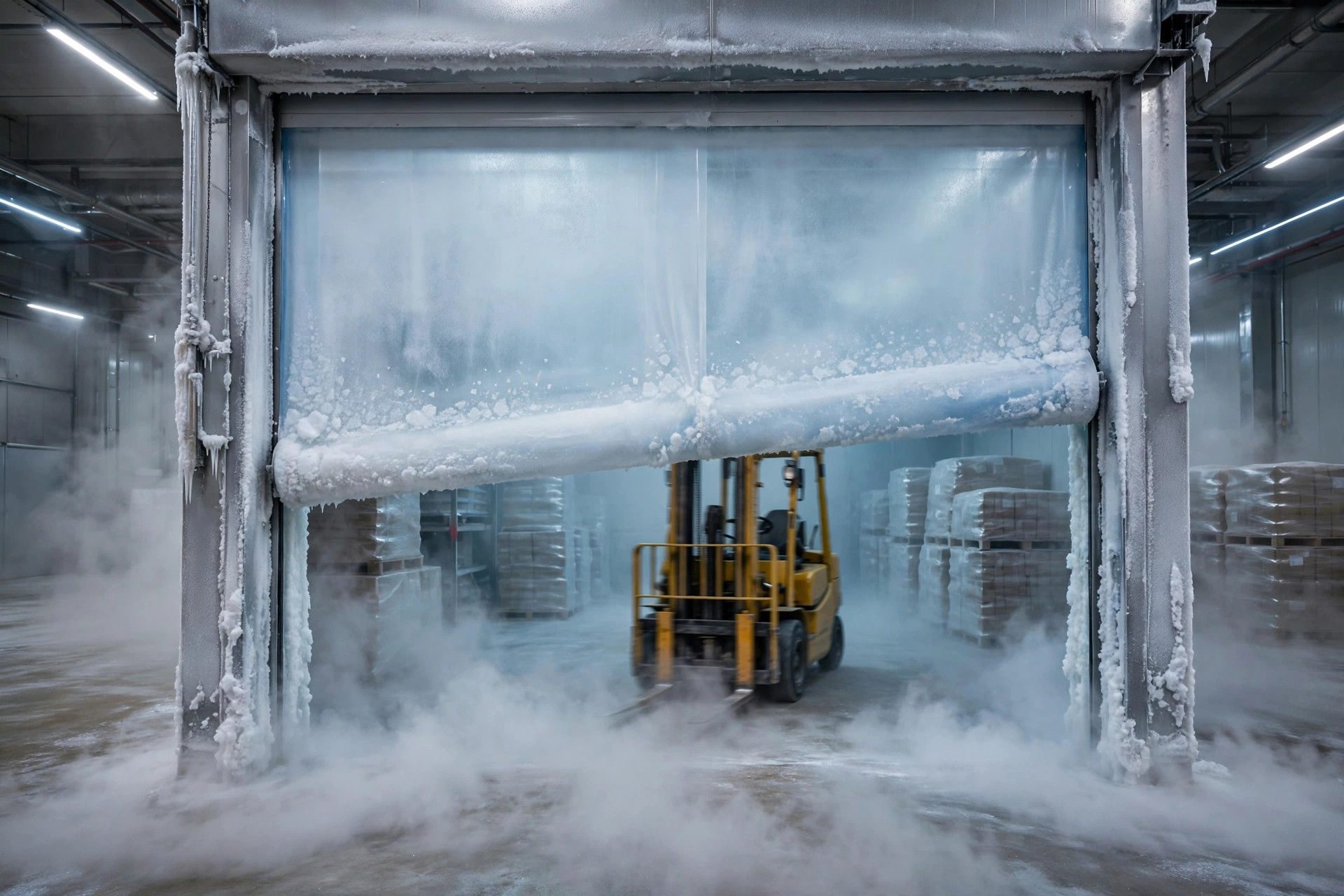
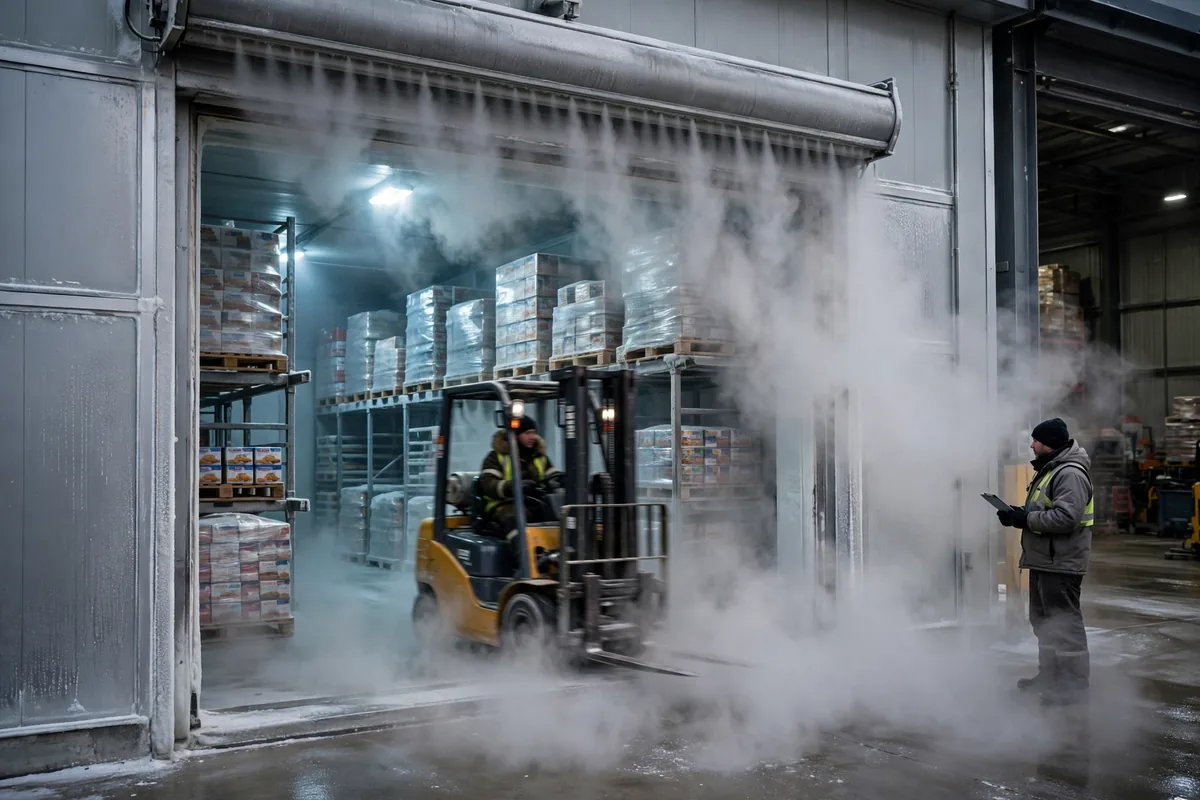
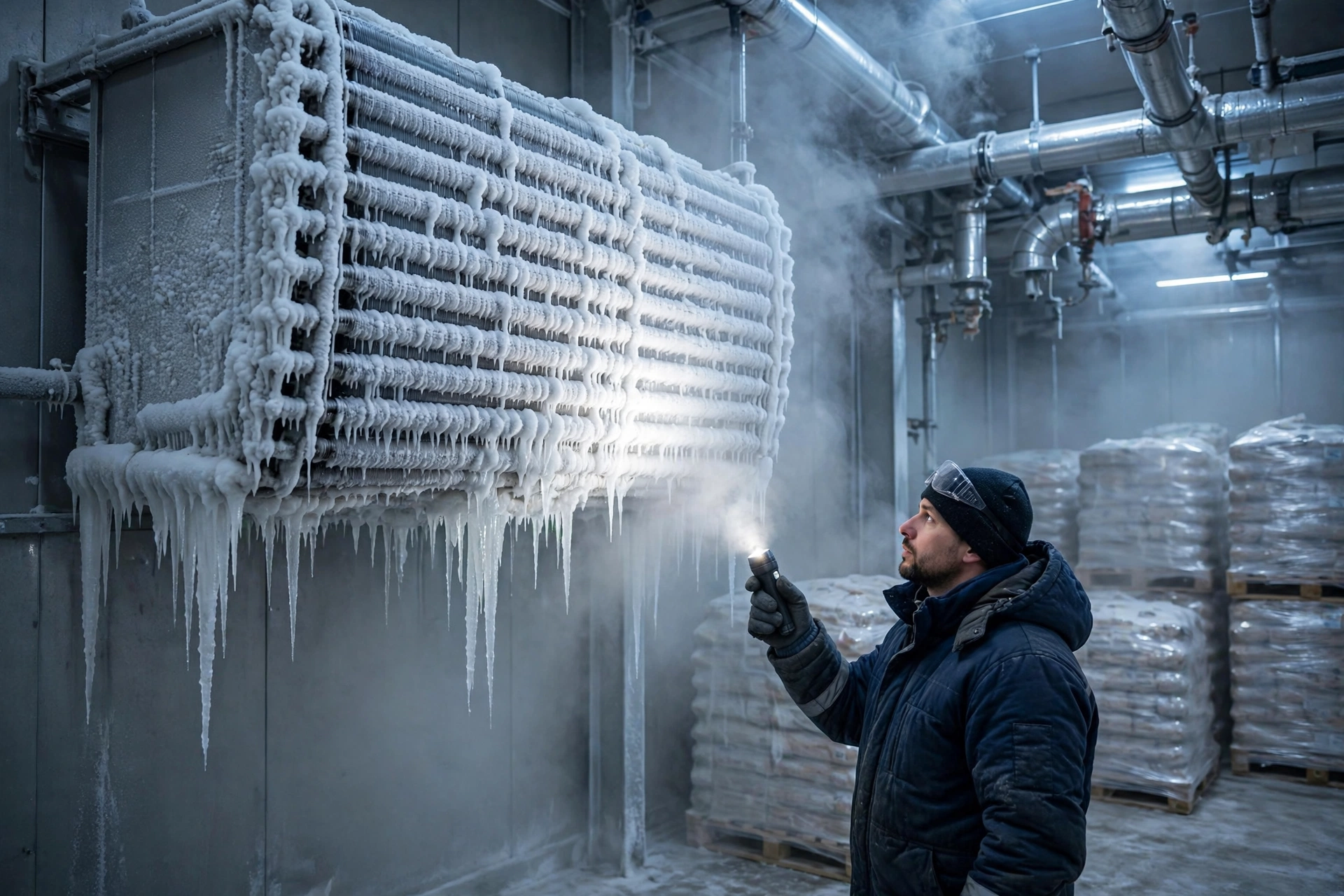
Here is the counterintuitive part. Most people assume the cold chain fails when the cold store is not cold enough. For a small exporter, the real enemy is the few minutes when the chain breaks: the handover from cold store to reefer truck, the wait at the terminal, the time sitting in the yard before loading. Shrimp kept happily at minus 18 degrees can spend half an hour in warm air during a handover, thaw on the surface, and refreeze. Quality never comes back. The buyer opens the box, sees whitened bodies and blackened heads, and deducts. So our first rule for consolidated red shrimp shipments is simple: somebody watches every handover, and the temperature logger data gets photographed on the spot. Without that habit, you have no evidence at all when something goes wrong.
Shared or Full Container: Argentina Red Shrimp Cold Chain Maths for Small Exporters
Shared or full container, that is the question every small exporter has to answer. The table below is an illustrative costing for a small exporter shipping about 60 tonnes a year. The figures are an illustrative scenario, shown only to compare the two routes:
| Route | Illustrative cost per kg | Suits whom | Biggest risk | | Full container, direct | Lower, and cheaper at volume | Big shippers over 200 tonnes a year | Waiting to fill the box while shrimp sit in storage | | Shared container (LCL) | Higher, but no waiting to fill | Small shippers of a few dozen tonnes | Another shipper's problem holds up the whole box | | Shared container, fixed sailing | In between | Small shippers who want control of quality | Book early; changing the sailing costs money |
My own choice is the shared container with a fixed sailing. It costs a little more per kilo, but once the sailing is fixed, cold store dispatch, trucking and customs can all be scheduled. The worst option is the "we sail when the box is full" consolidation. Shrimp sit in the cold store for two weeks, cash is tied up, and if another shipper's cargo fails inspection, the whole container is held and your shrimp suffer with it. Small warehouses have their own way of surviving: pay a little more per kilo, and keep control in your own hands.
Then there is the market split. Data for January to September 2024 show whole shrimp exports of about 71,635 tonnes at an average of roughly $5,638 per tonne, with Spain, Italy and Japan the main buyers, while tails went mostly to China. That split is friendly to small exporters. If you cannot compete on whole shrimp against the big plants, sell tails. If you cannot compete on tails, go narrower still on size grades. There is not one market. China buys tails, Spain buys whole shrimp, Japan buys the most consistent top grade. Find your small patch and defend it, rather than fighting the big plants on volume.
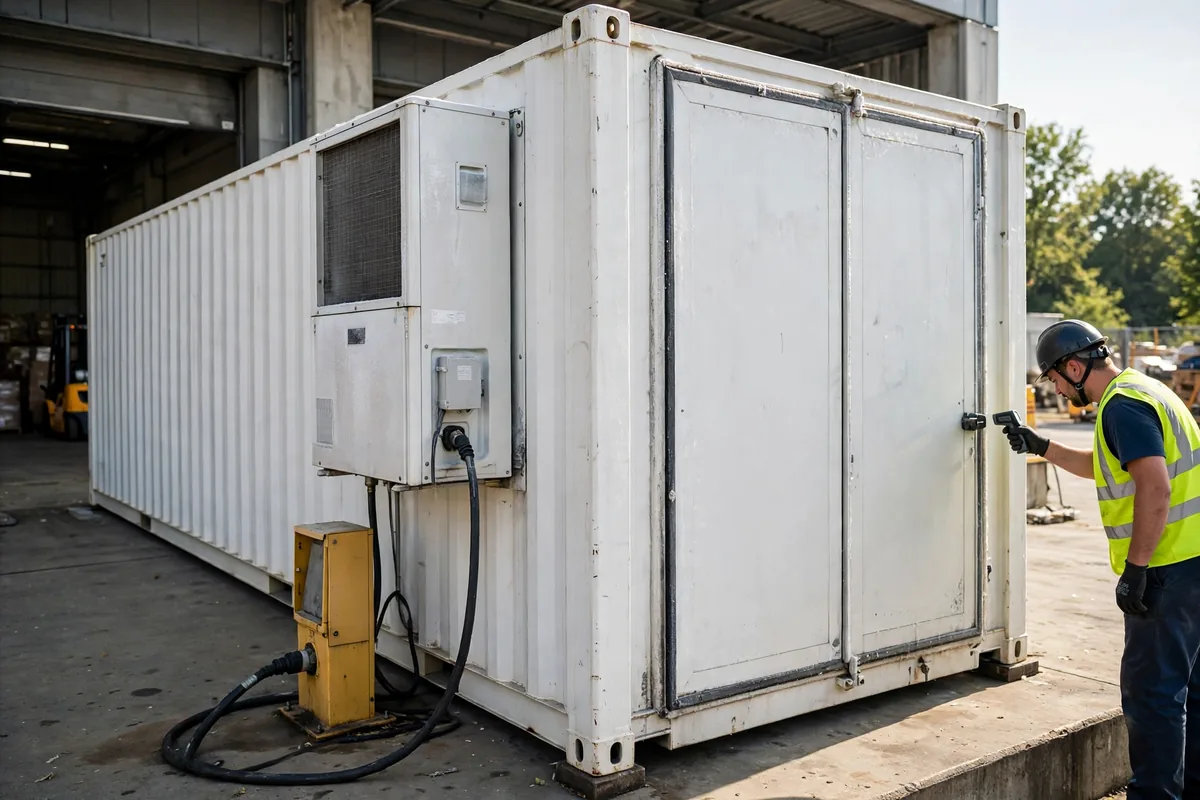
One more low-tech tip is worth passing on: do not skimp on temperature loggers. Put two in every reefer container, one by the door and one at the far end, with data readable all the way through. That money is well spent. When a quality dispute arises at destination, logger data is the hardest evidence you have. Without it, a buyer says your chain broke and you have no answer. With it, responsibility is clear, and whoever is at fault pays.
The Argentina red shrimp export cold chain, in the end, is not a contest over who owns the biggest cold store. It is a contest over whose chain breaks least. From sea-freezing in Patagonian waters, to grading and cold storage in Mar del Plata, to the reefer container at sea, every link is a race against time. Small exporters cannot win on scale, so they win on care: consolidate clearly, watch every handover, keep every record. If the shrimp never thaws, half the maths is already right. The other half is picking the right market.
By Xiao Ma, Small Warehouse Owner