Argentina lithium export looks simple on paper, and that is exactly the problem. Plenty of people talk about it as if the story ends at "huge resources, bright future," as if lithium scooped out of a salt flat can simply be loaded onto a ship and sold. I am a cross-border e-commerce seller, and when I look at a supply chain I only care about one thing: how does the cargo actually get from the production site to the port, how many handoffs does it pass through, and what does each handoff cost in money and risk? The Argentina lithium chain is the classic case of fat resources on paper and a grinding journey in practice.
According to the World Bank's autumn 2024 report, the three northwestern provinces of Salta, Jujuy, and Catamarca hold about 22% of the world's lithium resources, yet Argentina's output accounts for only about 6-8% of global production. That gap between resources and output is not about what is underground. It is about whether the logistics chain on the ground is strong enough. The salt flats sit on a high plateau, the processing plants sit inland, and the ports are thousands of kilometers away. If any leg of that chain breaks, the cargo does not leave.
The salt flat leg: Argentina lithium export starts with protecting the cargo
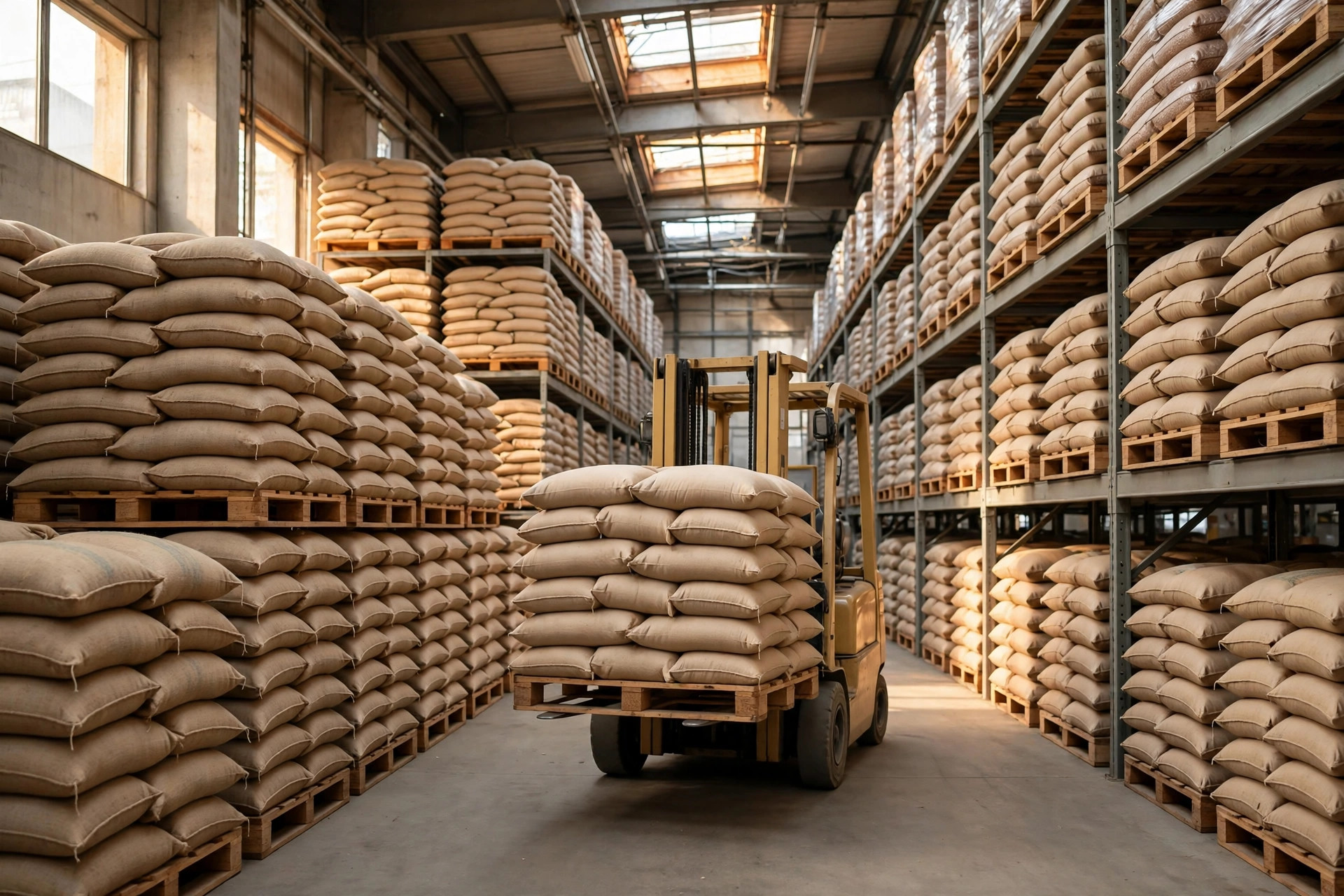
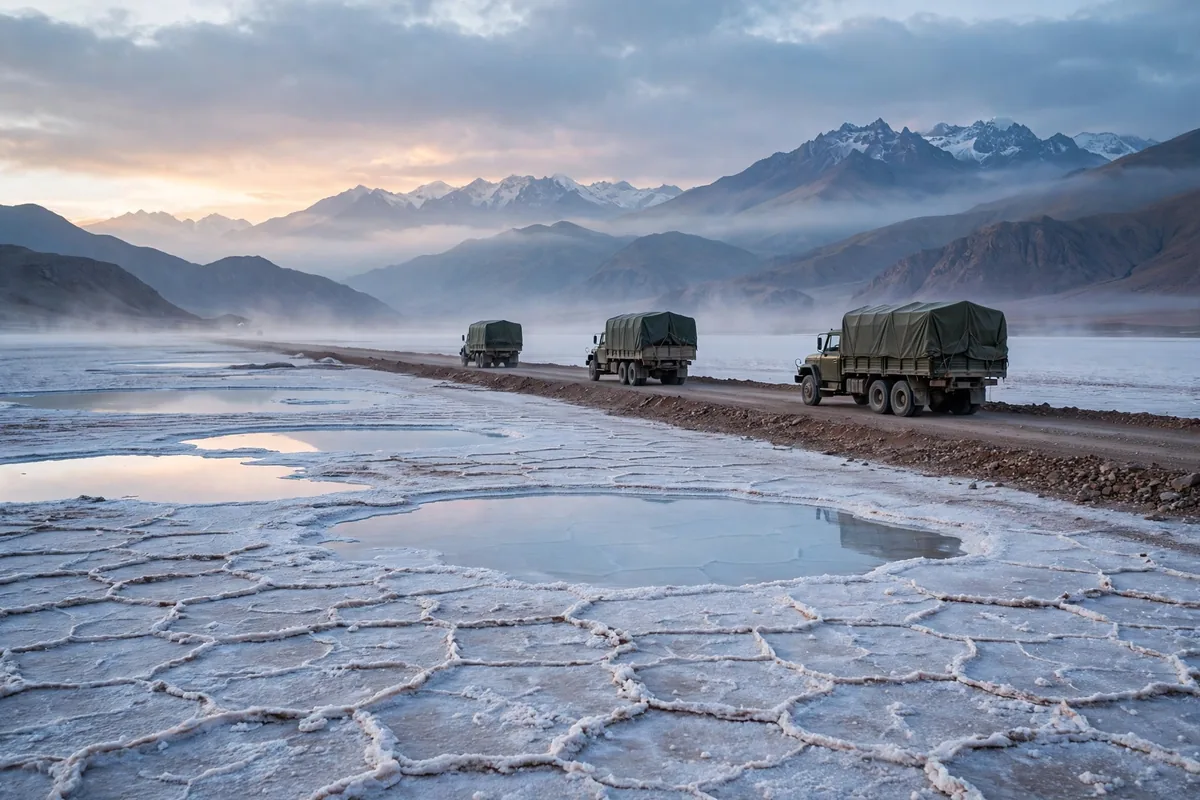
Start with the salt flat. Eramine, the Eramet subsidiary, runs the Centenario-Ratones project on a salt flat in Salta Province at an altitude of 4,000 meters. Anyone who has worked high-altitude logistics knows what that altitude means: thin air, slower work, and equipment that gets temperamental. Ordinary warehousing practice has to be retuned up there. Moisture protection and windblown sand protection are the two top priorities of high-altitude salt flat storage. Lithium products are sensitive to moisture, and if packaging and storage slip even a little, the damage shows up in quality, and by the time it is found at the port it is already too late.
The project's first shipment was 40 tonnes of lithium carbonate sent to the Port of Rosario, a journey of 1,580 kilometers. On a map, 1,580 kilometers is a long line across Argentina. On a warehouse ledger, it is transit time, intermediate storage nodes, and cargo damage risk, all stacked together. The plant is designed to produce 24,000 tonnes of battery-grade lithium carbonate per year, using direct lithium extraction, known as DLE. With capacity at that level, storage and dispatch have to keep pace with production. If storage is short or dispatch lags, the plant keeps producing and the output simply piles up where it is.
My own rule is simple: when I look at any overseas production project, I do not start with its annual capacity. I start with whether its storage and dispatch can keep up with that capacity. Capacity is a number on paper. Dispatch is what has to happen every day. At the salt flat, the contest is not about how impressive the warehouse looks. It is about whether the basics, moisture protection, sand protection, and a work rhythm that fits high-altitude operations, are done properly.
The plant leg: reagents come in before product goes out
Then comes the plant, and here most people miss a counterintuitive point. Producing one tonne of lithium carbonate requires lime and soda ash in volumes about 3 to 4 times the volume of the lithium carbonate itself. In other words, before cargo moves out, several times its volume in reagents has to move in. The lime comes from San Juan Province, and the soda ash mostly comes from the United States. If that inbound chain breaks, the plant stops, and no lithium leaves at all.
That is why the warehouse math cannot only count the outbound side. Ganfeng's Mariana Lithium project made its first export of lithium chloride in February 2026: 240 tonnes in 10 containers, 24 tonnes per container, shipped from its plant in the General Güemes industrial park in Salta Province. The salt flat is at Llullaillaco, the plant has an annual capacity of 20,000 tonnes of lithium chloride, and it started production on 12 February 2025. Transport used rail plus truck. Looked at alone, the export is just ten boxes. Behind it sits a whole inbound chain of reagents, spare parts, and equipment maintenance holding the operation up. Rail plus truck sounds simple, but in practice it means matching rail schedules, truck dispatch, and loading windows, and if any link misses, the boxes wait at the yard.
I learned the spare-parts lesson the hard way. Anyone in cross-border trade knows the fear is not an empty warehouse. It is one missing critical spare part leaving the whole line stopped while you wait. A lithium processing plant is no different. Equipment running in a high-altitude environment consumes spares differently from ordinary warehousing, replenishment takes longer, and safety stock has to be set thicker to match. When you cost the inbound logistics, count reagents, spares, and consumables together. Count only the outbound side and the math will be wrong.
The port leg: where Argentina lithium export goes decides who buys it
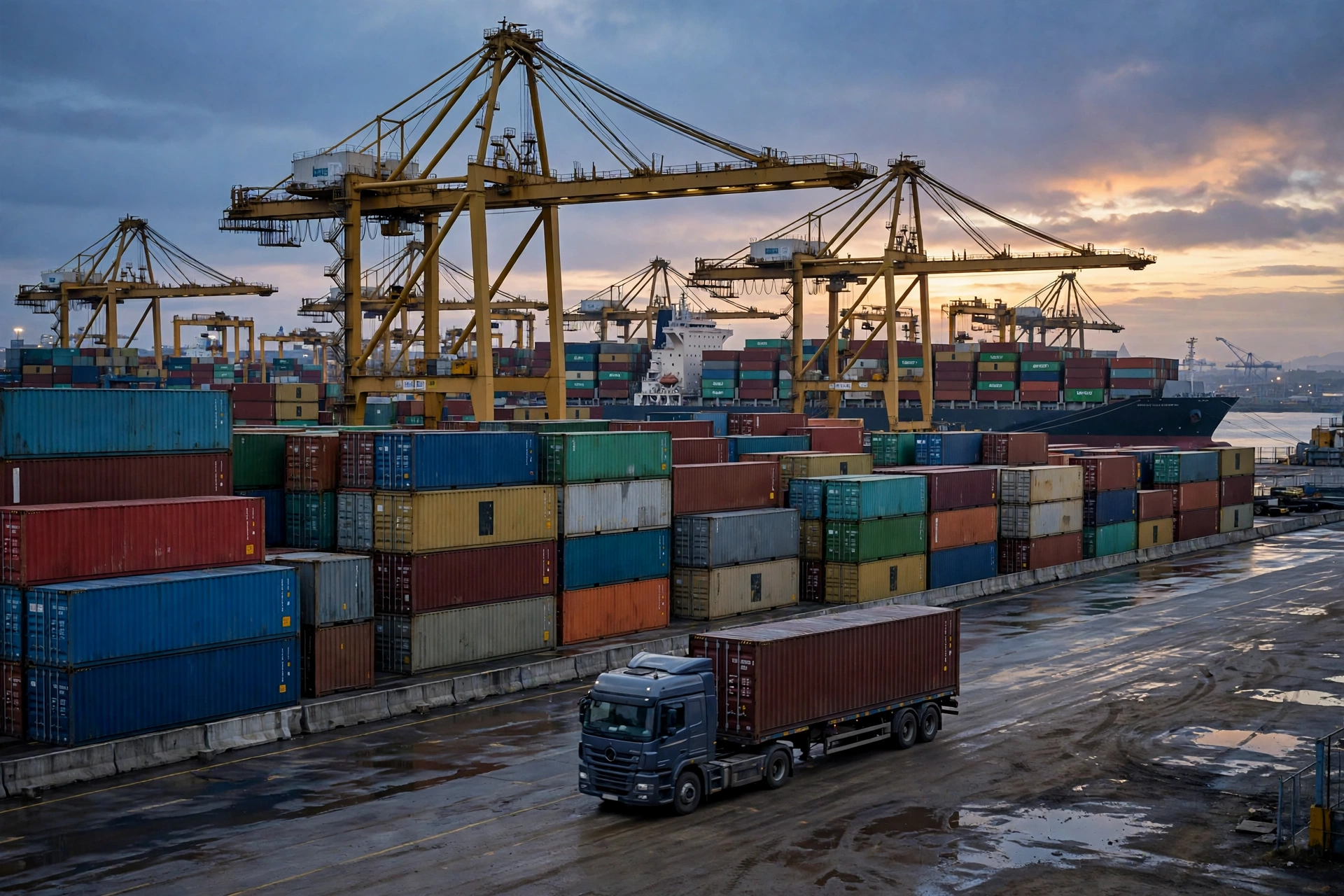
Finally, port choice. Which port you choose decides where the cargo goes and who buys it. Chilean ports, such as Antofagasta, serve Asian markets and the west coast of the United States. The Port of Buenos Aires serves European markets and the east coast of the United States. Choose the wrong port and the problem is not one extra leg of the journey. The whole shipment may end up pointed at the wrong market.
Rio Tinto started production in November 2026 at the Fénix 1B expansion and the Sal de Vida project in Catamarca, with combined investment of about 1.4 billion US dollars. Fénix has operated since 1997, and the expansion adds 10,000 tonnes of lithium carbonate equivalent per year, with a total target of about 40,000 tonnes, while Sal de Vida targets 15,000 tonnes per year. Rio Tinto's global lithium carbonate equivalent target is 200,000 tonnes per year by 2028. Moving that volume to sea means port throughput, vessel schedules, and storage turnaround all have to work together, and when any node jams, the cargo piling up is real money.
My one warning for the port leg is this: set the export rhythm by vessel schedules and destination demand, not only by the plant's production rhythm. A plant being able to produce does not mean the port can ship immediately, and it does not mean the destination port can receive immediately. The chain from salt flat to plant to port only works when each leg runs on a shared rhythm. If each leg runs on its own, they will collide at the handoffs. As a seller looking at a supply chain, I look at the handoffs. When the handoffs run smoothly, the whole chain works.
Argentina's lithium export road has the resource base in place, but output share still lags far behind. The missing part is not underground. It is the chain on the ground, from salt flat to port. Whoever clears the hurdles of high-altitude storage, inbound logistics, and port choice first will be the first to turn resources into cargo that actually leaves. This approach works because I have tested it myself: when judging an overseas supply chain, do not start with how rich the resources are. Start with whether the cargo can make the journey out, smoothly.
By Ah K, E-commerce Seller (5 yrs)