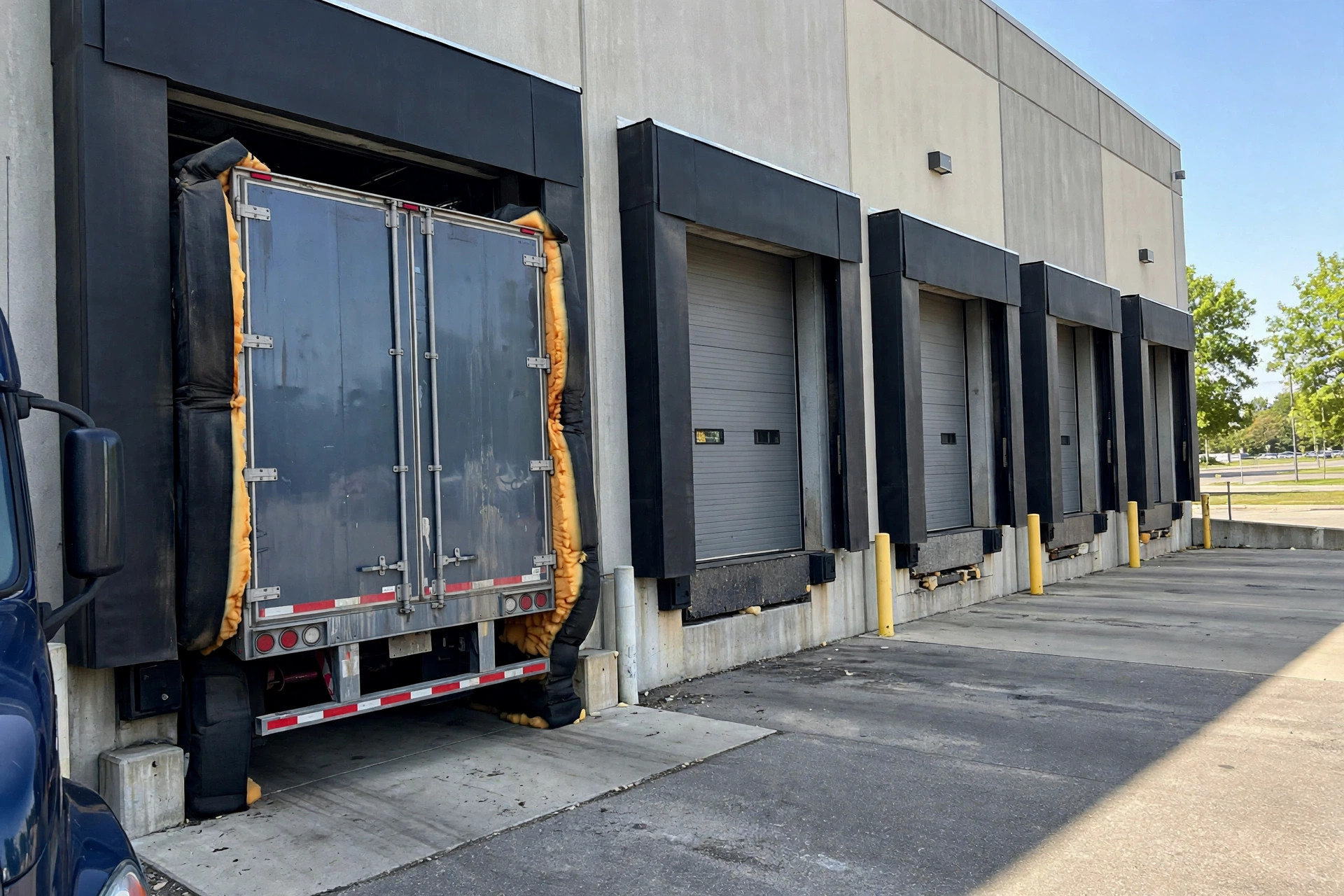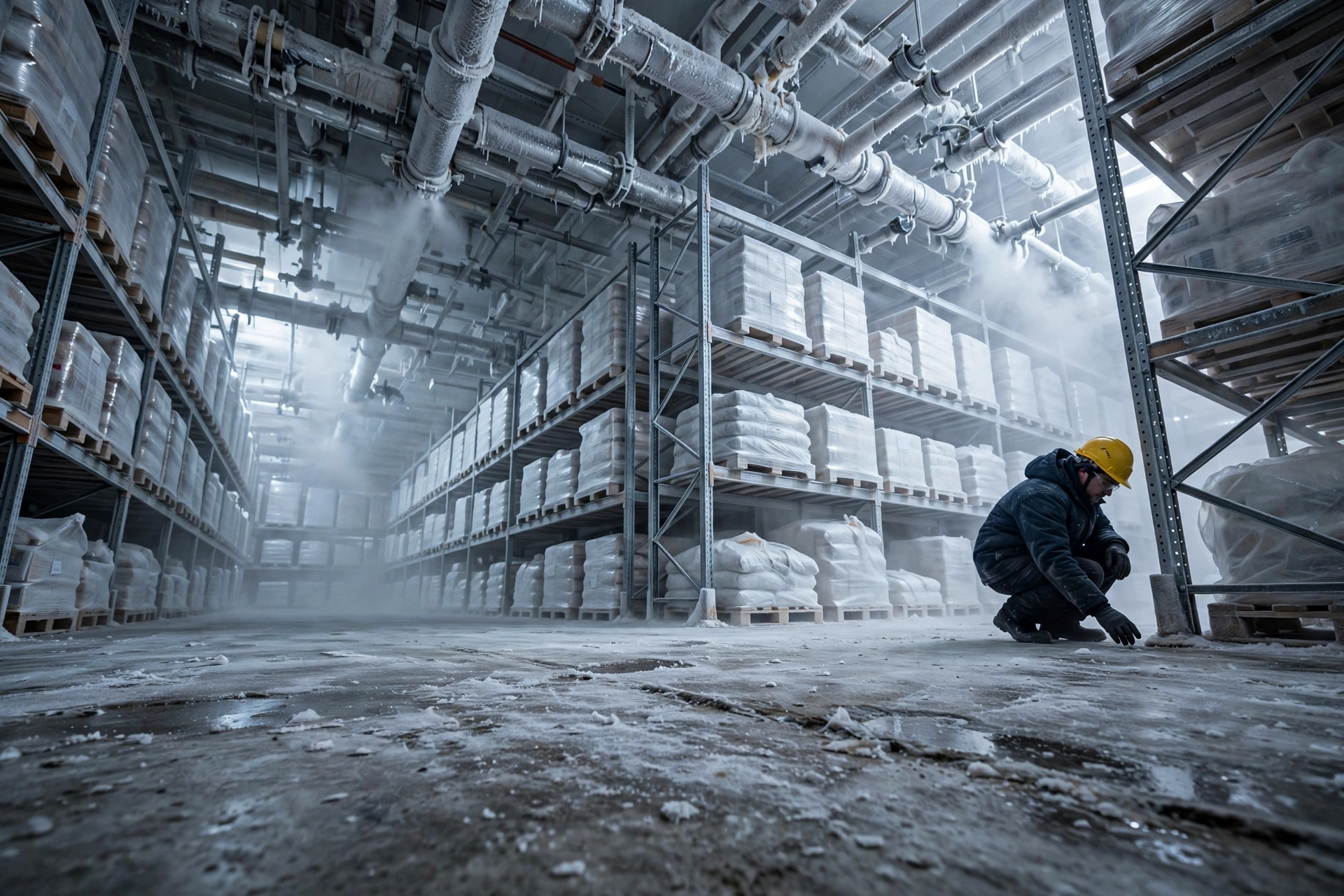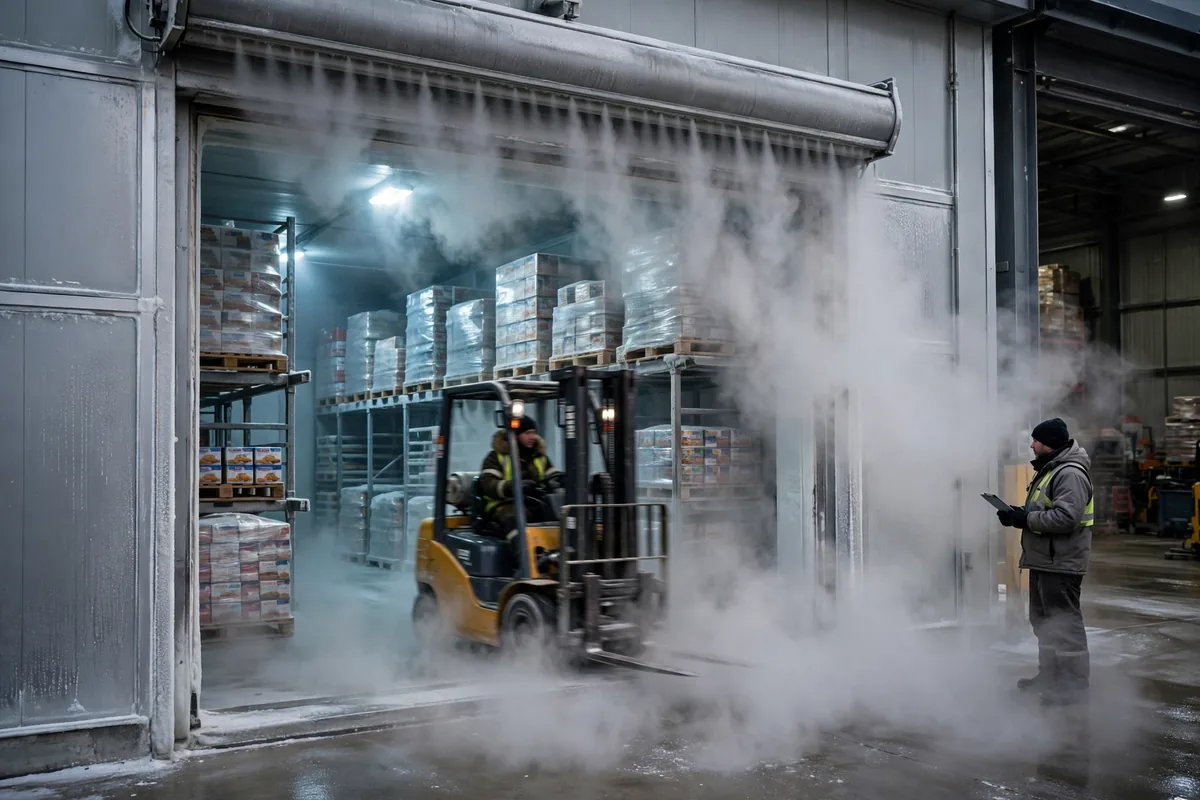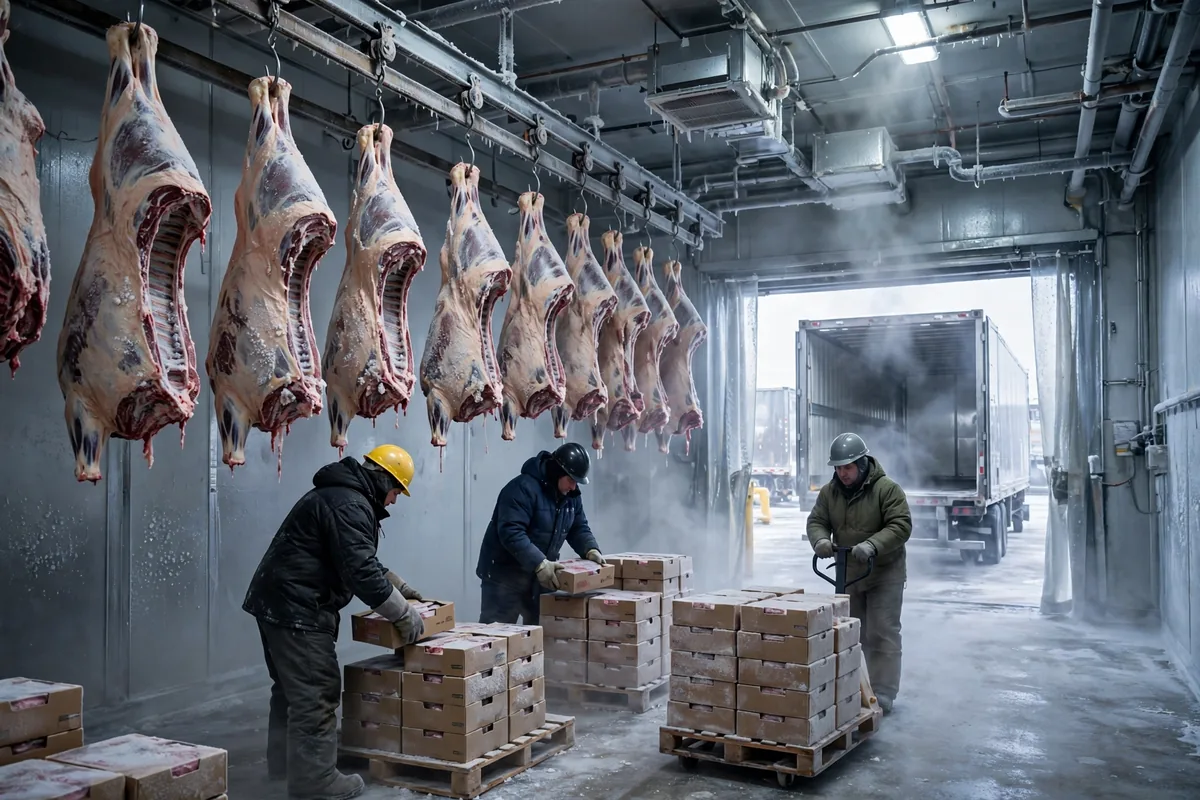
It was half past three in the morning, and the night crew was standing outside the cold store in padded jackets, waiting on a reefer to back into the dock. The load was beef from Argentina, cattle raised out on the Pampas, slaughtered, broken down, boxed, and shipped halfway around the world. By the time it reached our door, there was only one short stretch left. Here is the honest truth about working in an Argentina beef export cold chain warehouse: the chain usually does not break during the weeks at sea. It breaks in the few hours after the box lands. Out on the water, the reefer unit runs and the data logger watches every degree. At the dock, everything depends on people: when the doors open, whether the dock was pre-cooled, how many cartons a forklift driver carries per trip, and where somebody stuck the temperature probe.
Cold chain work is not about how expensive your equipment is. It is about whether anyone at the handover cares enough to be stubborn.
Where the Argentina Beef Export Cold Chain Actually Breaks
Two winters ago we took in a load of chilled beef. The vessel was on time, the container arrived, and the logger curve looked beautiful the whole way over. Then we nearly ruined it at the dock. The dock doors went up too early, before the receiving area had been pre-cooled, and warm air poured straight in as the doors opened. Within minutes the cartons had a film of moisture on them. Old Li called a stop right there and told everyone to stand down until the dock temperature came back down. The owner's messages were piling up in the group chat, the driver was leaning on the horn outside, and the pressure to just keep unloading was real.
We waited anyway. We waited until the dock was pre-cooled and the probe readings held steady, and only then did we start moving cartons. The load came through fine in the end, but the whole warehouse remembered that day. What chilled beef fears most is not a cold truck. It is the swing from cold to warm and back again while cartons sit on the dock. Moisture forms, then dries, and that is an open door for bacteria. After that we made a hard rule: no container arrives without the dock pre-cooled first, no doors open, and no forklift moves until the temperature holds. It sounds rigid. Cold chain runs on rigid.
The other time the cargo was fine and the paperwork broke us. A load of frozen beef arrived at port, and one stamp on the veterinary health certificate was in the wrong place. The port held the box. The reefer kept running and the temperature never drifted, but the container sat for two extra days while storage and detention charges stacked up. The owner called every day, and there was nothing we could do but wait. I learned from that one. Now, before we accept any Argentina beef, I go through the document checklist with the owner in advance: which papers, who supplies each one, what time it has to land. Every item gets a tick in the group chat. A cold chain is only unbroken when the temperature holds, the documents hold, and the information holds, all at once.
Frozen and Chilled Beef Are Two Different Chains
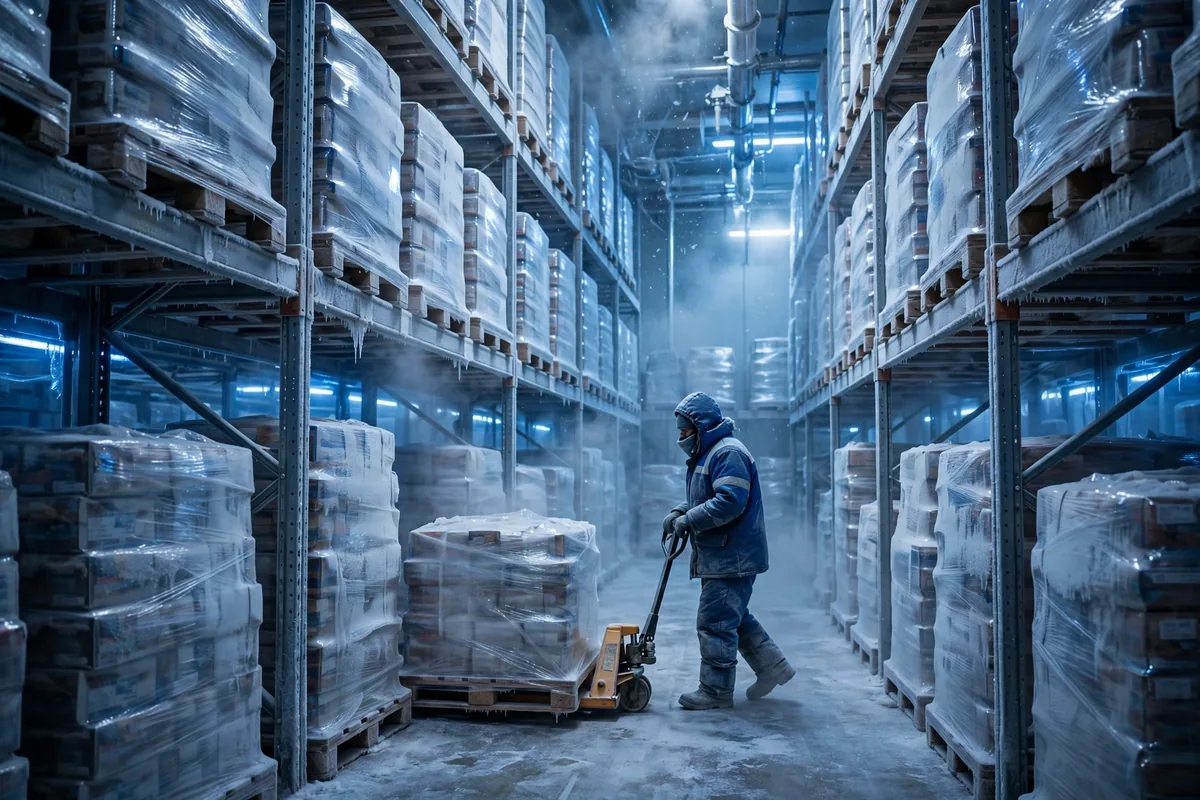
This is the mix-up I see most from new people in the warehouse. Frozen beef and chilled beef look like the same product, but in our building they run on two completely different chains. Frozen beef wants stability. The core temperature sits around minus 18 degrees, and the smaller the swing, the better. Chilled beef wants tenderness. It travels a few degrees above zero, and if you freeze it solid you ruin the texture; after thawing, the colour dulls and the juices run out. The two cannot share a zone, a patrol rhythm, or a truck, just to save a trip.
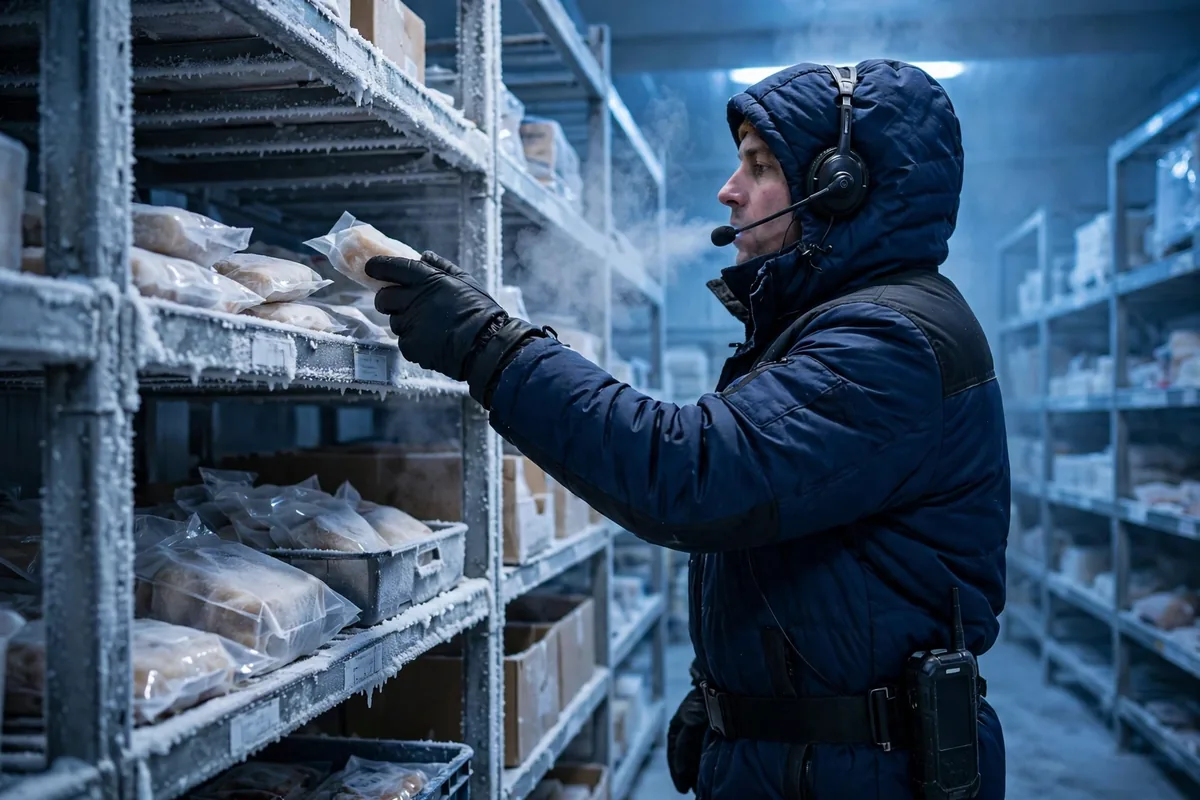
Our fix is simple and a little old-fashioned: the frozen zone and the chilled zone are separated from the door inward, with floor markings and signs over each entrance, and forklift drivers follow the colours and never cross over. The probes are logged separately too. In the frozen zone we watch the size of the swing. In the chilled zone we watch whether anything is creeping toward freezing. At every night-shift handover, the team leader reads both sets of numbers out loud, and nothing gets signed off until they check out. There is no clever technology in this. It is just the words "do not mix" turned into something people actually do.
Here is the counterintuitive part: colder is not always better. Plenty of people think that if you drive the temperature lower, the cargo must be safer, and that chilled beef should be held nearly as cold as frozen. That idea has cost people real money. Freeze a chilled cut and thaw it later, and the buyer sees it in one look: dull colour, lost juices, a whole container knocked down a grade. The skill in cold chain is not how cold you can go. It is how steady you can hold. A flat temperature curve beats a curve that averages out fine but swings up and down all day. When you check a load, do not just look at the number on the thermometer in that moment. Read the whole curve.
What a Container Costs in This Cold Chain, and Where the Money Leaks
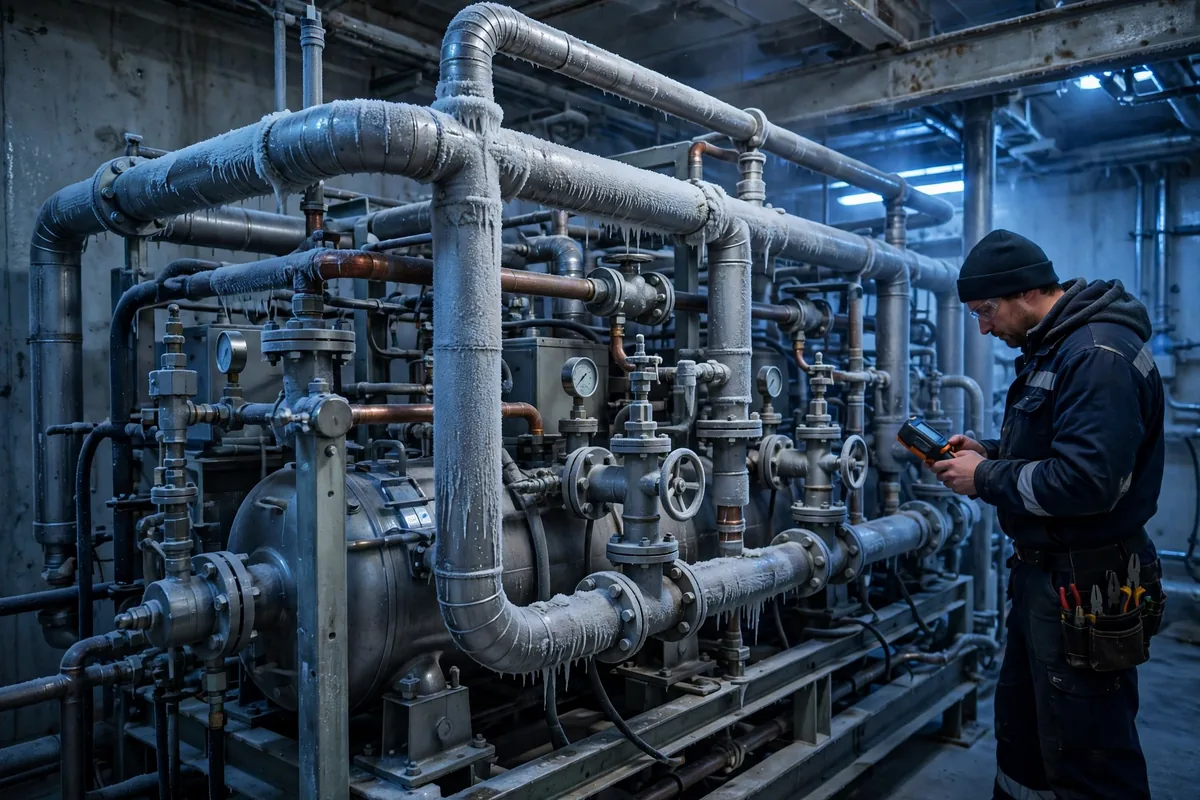
I am not the cost analyst on our team, so I will only talk about the money I can see from the floor. The big costs are plain enough. First, pre-cooling and standby energy: chilling the dock and the reefer before the box arrives, with the meter spinning the whole time. Second, people: night-shift receiving, two-person checks, temperature logging, all of it labour. Third, the time lost to documents and inspections, because every extra day a box sits at port adds to the bill. And the savings sit in the very same places. Pre-cool early instead of scrambling when the truck is already at the door. Check the documents early instead of patching them at the port. Put the probe in the right place the first time instead of arguing about a bad reading later.
| Step | What it feels like it costs | Where the saving actually sits | | Dock pre-cooling | Power, and it hurts to watch the meter | Pre-cool before the box arrives, not after | | Temperature logging | Probes and patrol rounds | One probe in the right spot beats three in the wrong ones | | Document checks | Feels like busywork when nothing goes wrong | Checking early saves far more than it costs when something does | | Loading handover | Rushing feels faster | Leaving slack in the roster keeps people from cutting corners |
That table is just our tuition fees written down. When you add up a cold chain, the most expensive thing is not the power bill. It is rework and arguing. One temperature excursion means the whole container has to be reassessed, with the owner, the shipping line, and the insurer all pulling in different directions, and the money and time that burns dwarfs whatever you saved by cutting corners. We have a saying in our warehouse: people who save small money on the cold chain always end up paying big money to fix it later.
So here is the plain truth about an Argentina beef export cold chain warehouse. From the Pampas to our dock door, every link in that chain is betting the next link will not drop it. Ranch, slaughterhouse, port, shipping line, warehouse: if any one of them loosens its grip, all the work before it goes to waste. We in the warehouse cannot control the weeks at sea. What we can control is our own stretch: pre-cool the dock, put the probe in the right place, check the documents early, and keep frozen and chilled beef on separate paths. Get those right and a container reaches you unbroken, and you can sleep at night.
If you are about to take in Argentina beef, let me leave you with one reminder. Before the box arrives, ask the owner three questions: are the documents complete, is it chilled or frozen, and who is responsible for pre-cooling the dock? Get those three answers clear, and half the trouble never shows up.
By Chen Feng, Warehouse Operations Manager