Here is my conclusion up front: Algiers port is an import port, so you have to do the warehouse math the import way. An export port is a race to load the vessel. An import port is a race through customs and inland distribution. Save twenty percent on rent and lose three days in clearance, and you have saved nothing. To put it plainly, cargo here wins on the way out of the port, not on the way in.
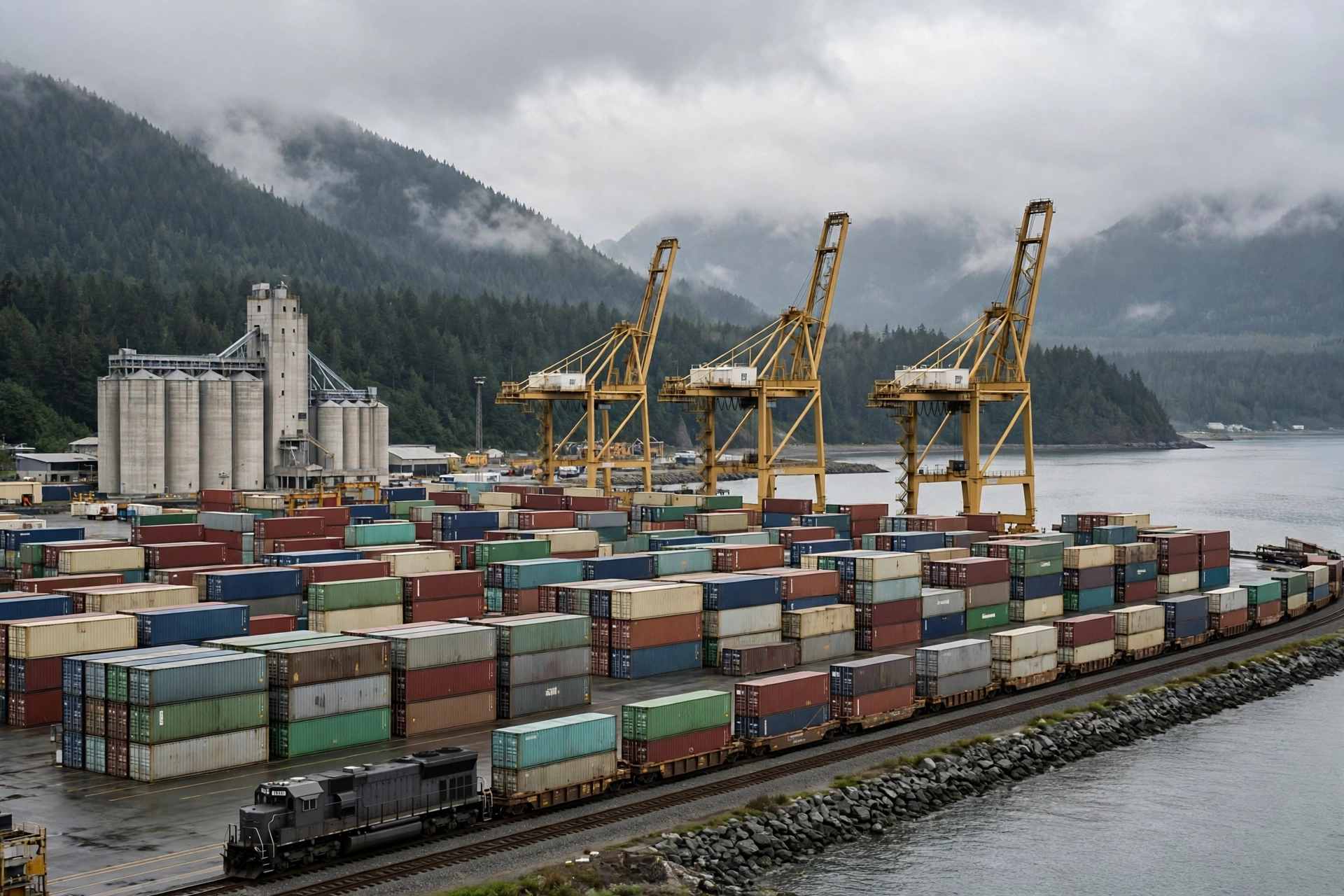
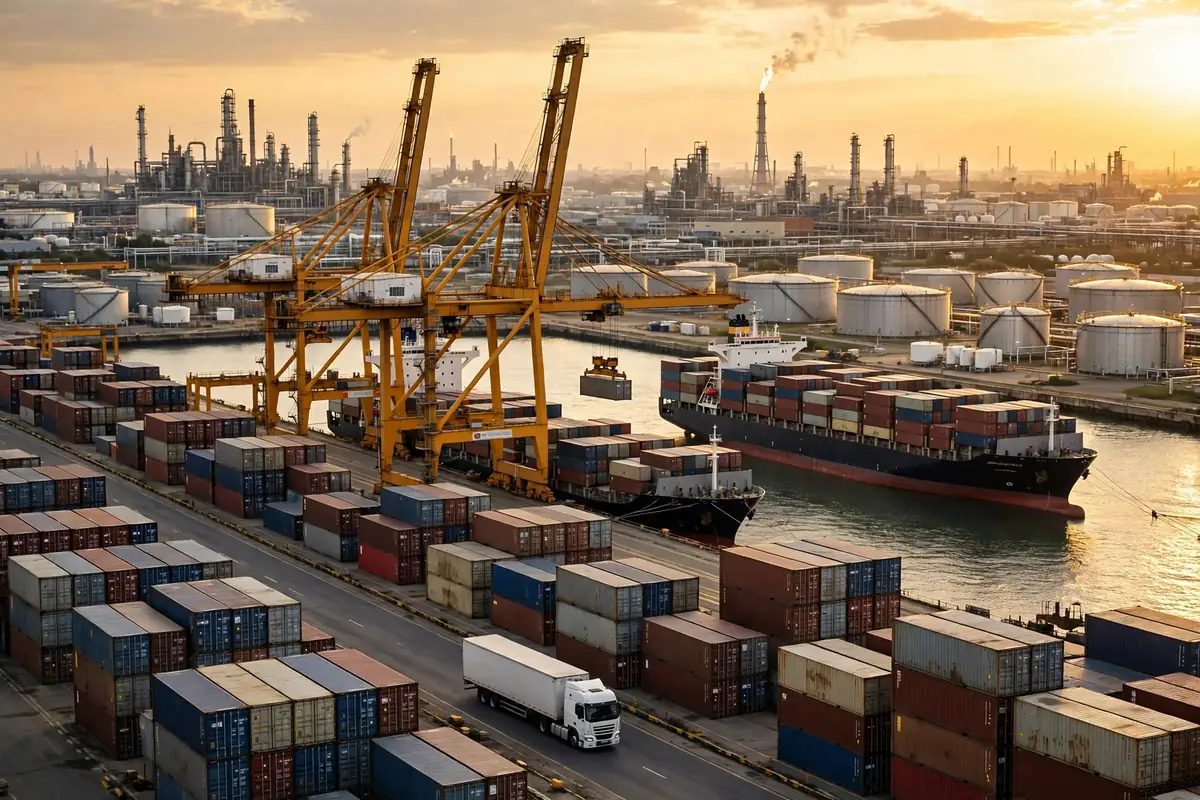
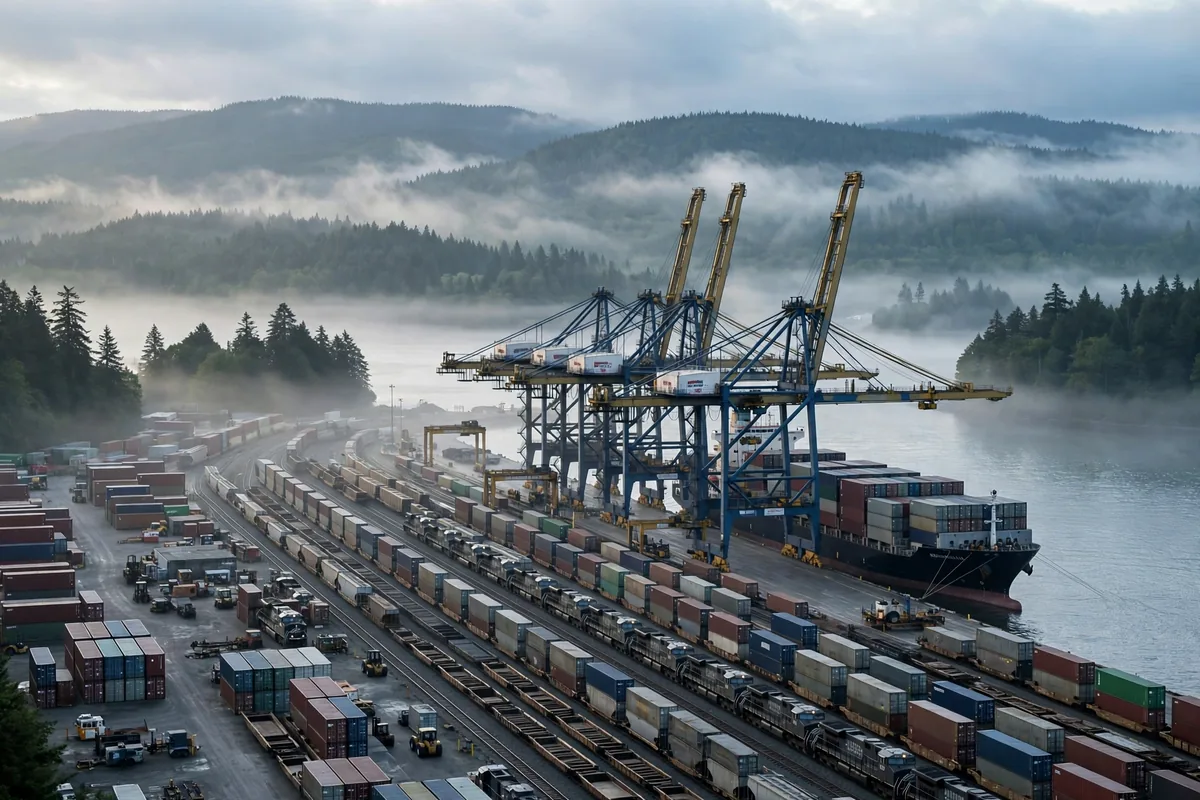
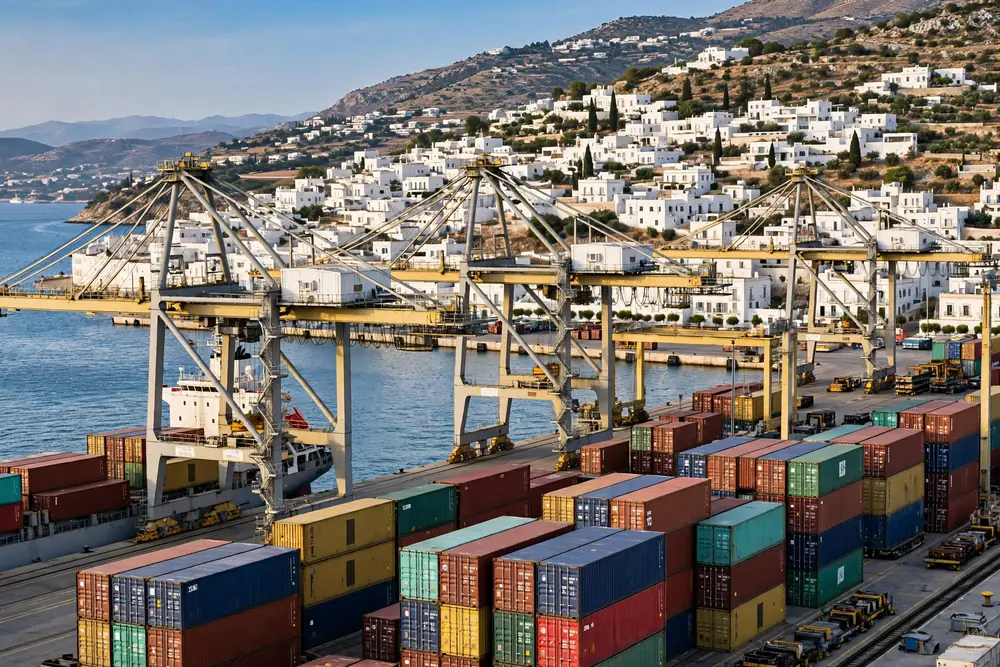
There are two sides to this. The port has 36 berths, and the DP World container terminal covers 30 hectares, with annual capacity doubled in 2021 to 755,600 TEU. DP World has invested more than $114 million here since 2009. The port handles roughly 60% of Algeria's trade — a genuine national gateway. The hardware is solid and the terminal is big. But I have seen too many people look only at the hardware, ignore the process, and then trip over clearance and distribution.
The Trap I Saw at Algiers Port: Cargo Arrived, Cargo Could Not Leave
A few years ago I worked on a shipment of equipment coming from Europe into Algeria through the port. The vessel arrived on time, the boxes were discharged on time, and then everything stopped. A small documentation problem needed two rounds of corrections, and the containers sat in the port for more than a week. The client called me every day asking where his cargo was, and every day I could only give him the same answer: it is in the port, perfectly fine, and it simply cannot come out. The demurrage and his factory downtime on that order added up to more than the ocean freight itself.
The root of that trap was not the terminal. It was the stretch between "cargo arrived" and "cargo can move". Since 2009, non-containerized cargo has been banned at the port, so everything moves in containers — a good thing, orderly and with less damage. But the other side of orderly is this: documentation, inspection and release, and one missing link stops everything. Too many shippers treat this port as a transit point and think the job is done once the boxes are off the ship. In fact, discharge is only the first half. The second half — clearance, pickup, warehousing and distribution — is the hard part.
There is a second trap, which is staring only at the few acres around the port. Cargo landing here ultimately has to reach Algeria's inland cities and industrial zones, and a warehouse beside the port is only the first stop. Some shippers rent the cheapest space at the port gate, the cargo gets stored, and then the distribution trucks have to fight their way out of city traffic every day, killing the delivery time. Whatever they saved on rent, they pay back twice over in transport cost and lost time.
How to Run Warehousing Around Algiers Port: Three Layers, One Timetable
My approach is three layers of warehousing. The first layer is a temporary yard near the port, holding only freshly discharged cargo waiting for clearance — fast turnover, no stockpiling. The second layer is a suburban distribution warehouse, where cleared cargo is devanned, sorted and consolidated by destination. The third layer is inland regional warehousing, close to the final customer, replenished on demand. One timetable ties the three together: documentation moves before the vessel arrives, clearance and pickup are sequenced in advance, and truck fleets are booked against the vessel schedule.
Which layer leads? I use this decision framework with clients. The figures are an illustrative scenario:
| Option | Best for | Advantage | Risk |
|---|---|---|---|
| Port-side warehouse leads | Small volumes, fast clearance, immediate onward move | Closest to the berth, fastest pickup | Costly port-side space, congestion, helpless if clearance slips |
| Suburban distribution warehouse leads | Large volumes, devanning and sorting, multiple destinations | Flexible distribution, mid-range cost | Depends on clearance speed, documents must be ready early |
| Inland regional warehouse leads | Standing stock, steady demand | Close to customers, fast replenishment | Heavy upfront inventory, capital tied up |
Pick the lead layer by the nature of your cargo, not by the rent. Urgent cargo and project cargo do best with a port-side plus suburban combination. Steady consumer goods and spare parts belong in inland regional warehousing. The worst mistake is renting all three layers while the cargo only ever flows through one — money spent, speed unchanged.
One more thing worth watching: the El Hamdania deep-water port. Once that new port is built, the whole picture around this port will change — big vessels berthing directly, deep-water berths, and possibly a redrawn shipping map for all of North Africa. It is still under construction, so you do not need to bet on it today, but put it in your three-year plan. Watch the berth drafts, the rail links, and which carriers commit first — those three signs will tell you whether your warehouse should stay near the old port or move toward the new one. The day it opens, the warehouse layout you have now may need rearranging. A port's bill is never about this year. It is about three years out.
Cargo Arrived Does Not Mean Cargo Delivered
Algiers port is a strong port in a good location: the DP World terminal can handle more than 750,000 TEU a year, and total port throughput in 2025 was about 931,300 TEU, according to a Ports Europe report from April 2026. But no hardware, however good, can walk your cargo through clearance and distribution for you. In an import port, the warehouse bill is measured in time: how early the documents are ready, who runs the errands when clearance stalls, what time the distribution trucks leave, how many days ahead the inland warehouse stocks up. Get the time right and slightly higher rent is worth it. Get the time wrong and even free rent loses money.
I have seen too many people treat "cargo at the port" as "cargo delivered". At this port, cargo at the port has only just walked into the exam hall.
So where is your cargo stuck right now?
By Lao Mi, Supply Chain Veteran (20 yrs)