Alexandria is often introduced in a single line: a Mediterranean gateway, good for distribution into Egypt. The line is not wrong, but it carries almost no decision value. The real question is narrower and harder. Within the same port city, where exactly should the warehouse sit, under what kind of zone arrangement, and where is the cargo actually going next: to stores around Cairo, to markets in Alexandria and the Delta, or onward to neighboring countries? Change the landing point and the customs rhythm, the inland distance, and the inventory risk all change with it, and those differences are easiest to underestimate before a contract is signed.
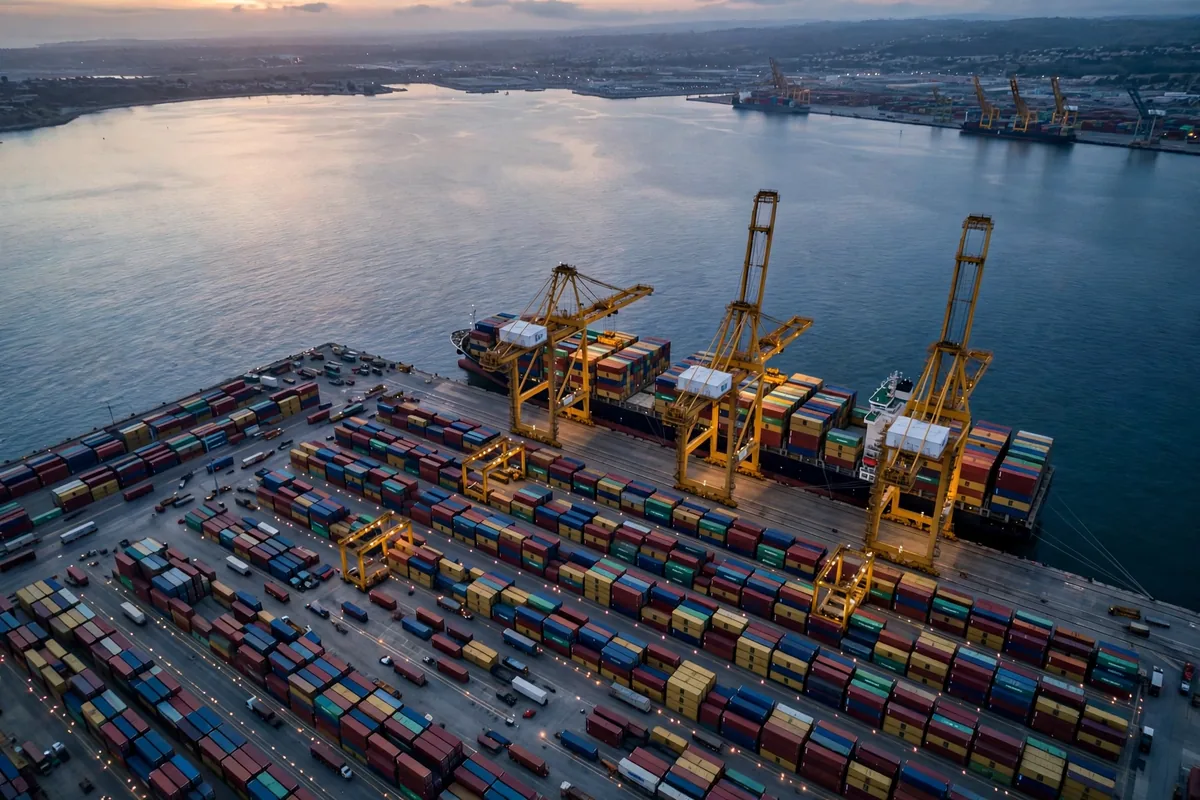
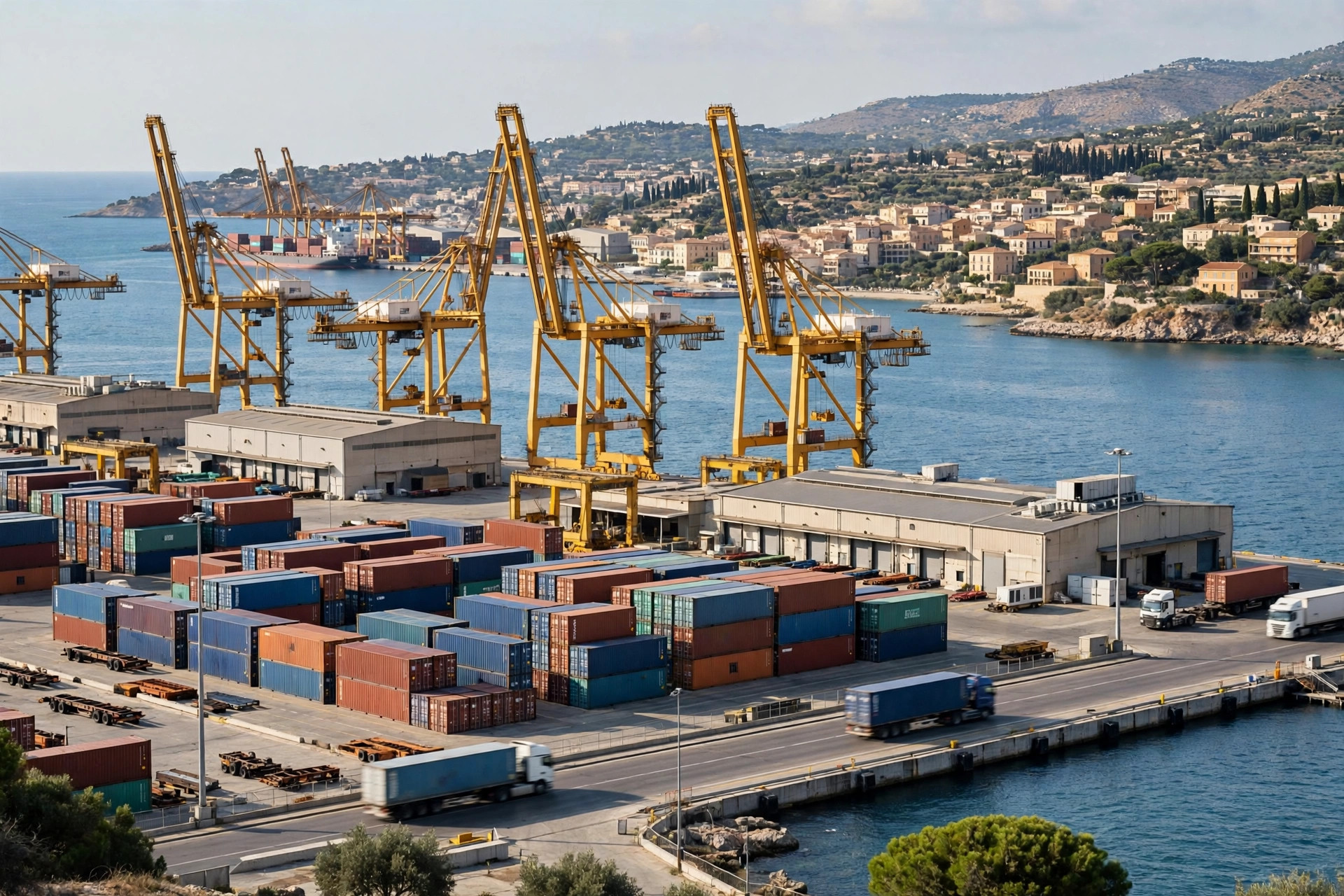
Geography gives Alexandria three overlapping attractions. First, its Mediterranean position faces European and Mediterranean services, so cargo need not detour to Egypt's eastern side and double back. Second, the Suez corridor adds a north-south connection, which makes the city a potential regional distribution node rather than only a discharge point. Third, Egypt's domestic market itself matters: the consumption weight of Greater Cairo and the industrial spread of the Nile Delta mean distribution demand is real, not sustained by transshipment imagination alone. Official figures for port throughput, zone rents, and specific charges are deliberately not listed here; they should be checked against the latest official releases and the zone quotation in force at signing, not borrowed from older articles.
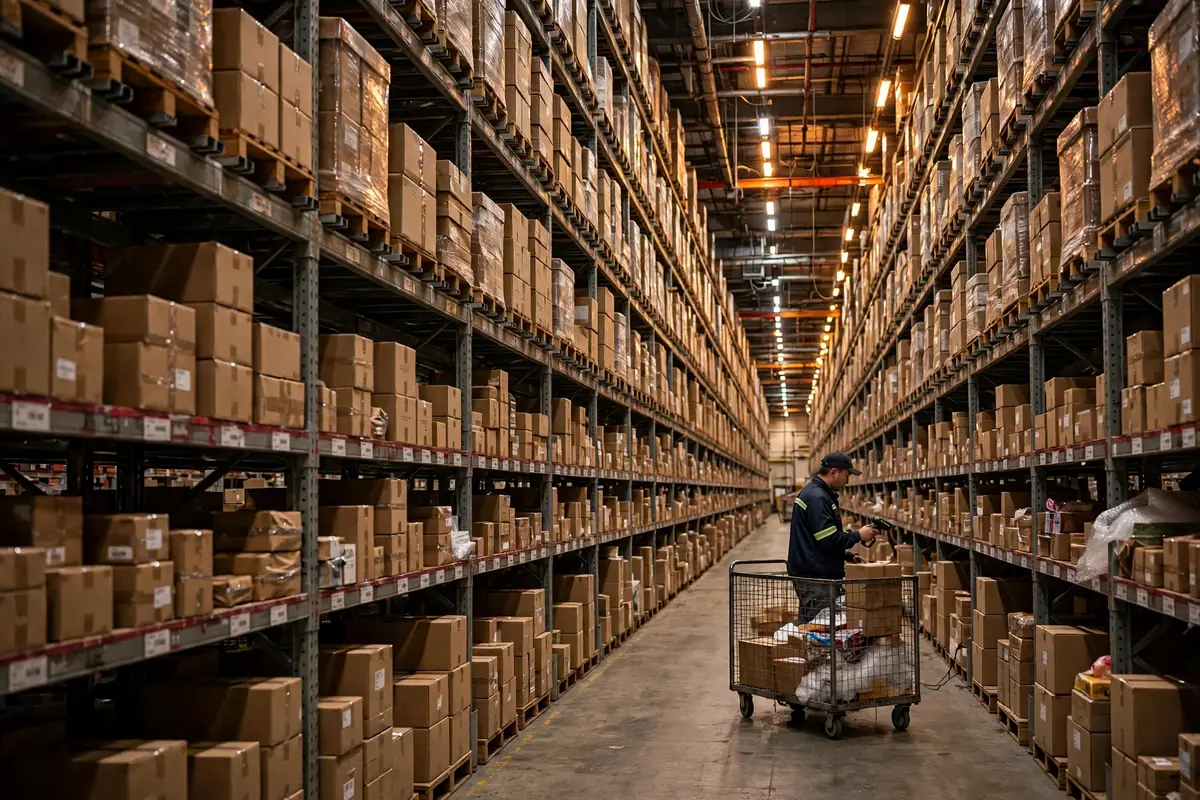
In April 2025, a small-appliance company illustrated the core trade-off. Twelve containers arrived via a Mediterranean service, with about seventy percent of customers around Cairo and thirty percent in Alexandria and the Delta. The company initially placed everything in a warehouse near the port area, reasoning that proximity to the vessel meant speed. The inland leg to Cairo became the bottleneck instead. Cargo sat for six extra days while Cairo-bound consolidation and delivery plans were assembled, and only then moved out in stages. Proximity to the ship saved the first leg and slowed the whole order. The lesson is that a distribution warehouse earns its value from closeness to the next order, not from closeness to the vessel.
In the second half of 2024, a textile company took a different route. Eight containers entered a bonded-type zone, where sorting and labelling were completed inside the zone before goods were released in batches to different customers. The bonded arrangement bought time: the company did not have to fix the final destination of all cargo in the arrival week, and could release stock as orders firmed up. Flexibility had a price. Documentation, zone procedures, and release sequencing had to be aligned in advance, and any missing document turned flexibility into dwell time. What the company ultimately saved was not rent, but the cost of forced bulk holding and the returns that batch release helped avoid.
Three Tensions Behind the Choice
The difficulty of the Alexandria decision comes from three tensions operating at once. The first is port proximity versus inland market distance: a port-area warehouse is close to the vessel but far from Cairo customers, while a Cairo-area warehouse is close to customers but adds an inland leg for inbound cargo. The second is bonded flexibility versus procedural complexity: a bonded zone allows deferred decisions and batch release, but lengthens the documentation chain and raises compliance demands. The third is concentration versus dispersion: one central stock point is simpler to manage, but a single inland disruption then holds the whole batch, while two points are more resilient but carry duplicated stock and higher management cost.
A Framework for Three Landing Points
Placed side by side, the trade-offs become easier to match to a company's cargo and customer mix. The table below does not recommend one landing point. It helps a reader locate their own case.
| Landing point | Best fit | Advantage | Main cost | | Port-area warehouse | Immediate distribution, high Alexandria and Delta customer share | Fast first-leg connection from the vessel | Long inland leg to Cairo, dwell risk when orders are dispersed | | Bonded-zone warehouse | Batch release, uncertain destination, possible re-export | Decisions can be deferred, release in stages | Longer documentation chain, higher compliance burden | | Cairo-area distribution warehouse | Customers concentrated in Greater Cairo, frequent replenishment | Close to orders, fast replenishment response | Longer inbound inland leg, slower transmission of port disruption |
The counterintuitive judgment is that the warehouse closest to the port is not necessarily the cheapest warehouse, and a bonded arrangement does not mean fewer procedures. Many site selections compare only the rent per square metre, while ignoring inland transport, dwell days, and the inventory cost of batch release. Rent is only one block of total distribution cost. Once inland and time costs are included, the cheapest landing point often changes its name. Equally, placing a warehouse in Alexandria does not automatically serve all of Egypt well. Customer distribution, not port reputation, is the first variable that should set the distribution radius.
Where the Trend Points: Two Points Rather Than One Bet
Looking ahead, the more common pattern may not be betting everything on one point, but combining a port-area buffer with an inland point close to customers. The port point receives, holds, and stages cargo in batches; the inland point handles frequent replenishment and fast response, linked by a stable inland schedule. Management cost is higher and inventory visibility must be stronger, but single-point disruption risk is diluted. For smaller exporters, the more realistic path is to test lightly first: use one or two shipments to verify customs rhythm, inland transit time, and actual customer distribution before locking into a long zone or warehouse commitment, rather than signing first and fitting the business afterwards.
The questions to leave open are these. If seventy percent of your customers are around Cairo and thirty percent are in the Delta, would you place the decision point for the first shipment at the port, or closer to the customers? If the final destination of your cargo cannot be fully fixed at arrival, is the time flexibility of a bonded arrangement worth an extra layer of procedure? Alexandria's value is not in its gateway label. It lies in forcing a company, before signing, to clarify customer distribution, destination certainty, and time cost. Clarified, the gateway is a gateway. Unclarified, it is only a more expensive place to unload.
By Dr. Chen, Supply Chain Researcher