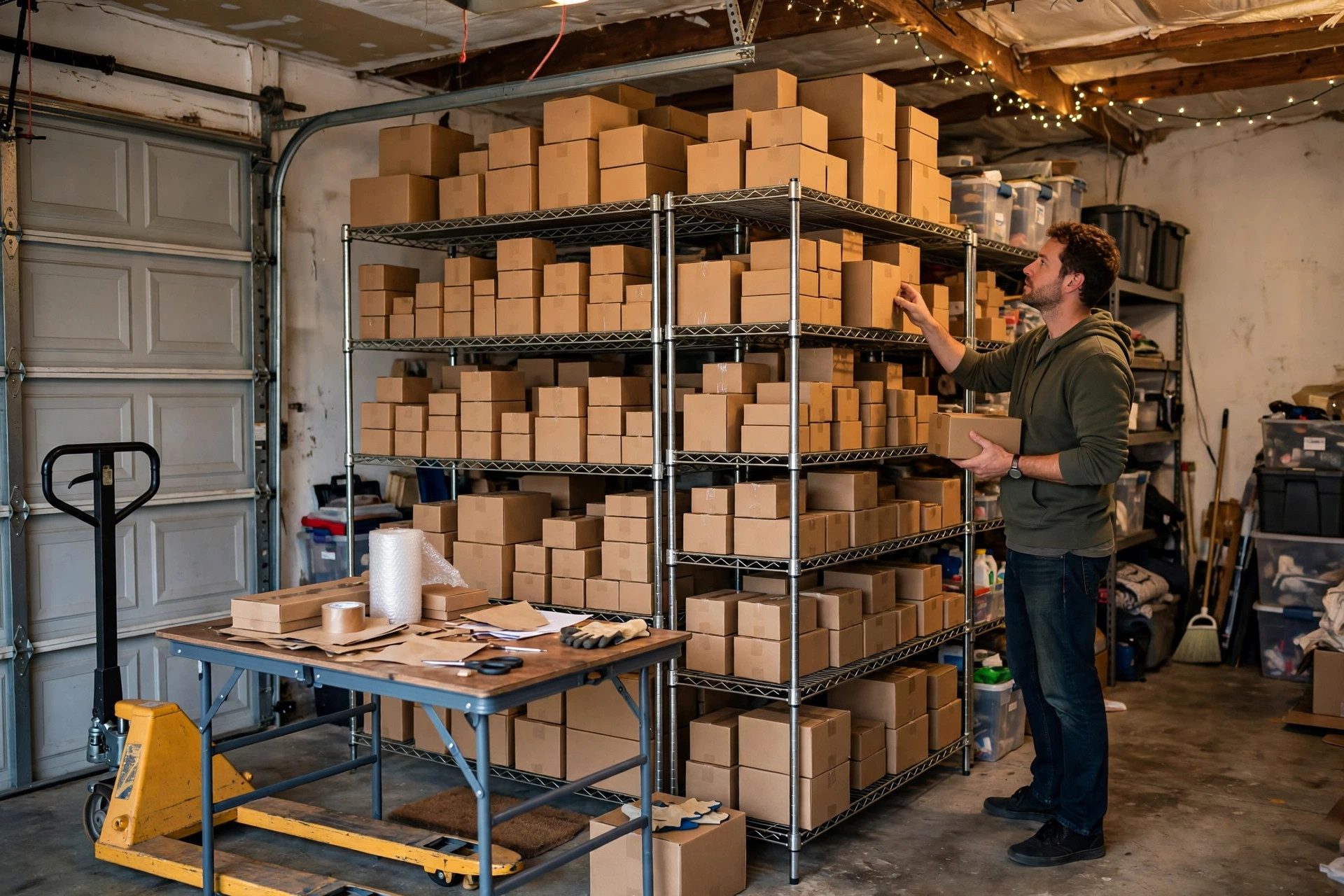
We small warehouses cannot afford to burn money like that, and every warehouse job on our floor has to earn its keep. Last year a software salesperson came to my door with an AI visual-checking system, and when I saw the quote I just laughed. It was not that I did not want it. My 3,000-square-meter warehouse earns in a month less than that system's quarterly service fee. Still, AI in the warehouse over the next three years is definitely coming. The question is not whether it arrives. It is who it comes for first.
Here is my take. AI will not replace warehouse people first. It will replace the work that depends on eyes, memory, and repeated double-checking. Pickers, checkers, and data-entry staff get reshaped first. Forklift drivers, maintenance technicians, and floor supervisors can hold steady for a while. Why? Because AI is good at looking at pictures and doing math. It is bad at moving things in a real warehouse, fixing things, and arguing with people.
AI in the Warehouse Over the Next Three Years Reshapes Three Warehouse Jobs First
The first job to be reshaped is the checker. We used to have two people verify every outbound order, one reading and one looking, and mistakes still happened when it got busy. Now a visual-checking camera sits above the packing bench, takes one look, and knows whether something is missing or in the wrong carton. That work used to depend on human eyes. Now it depends on a camera and an algorithm. Checkers will not all lose their jobs tomorrow, but the old setup of "two people checking every order" will become "one person plus one machine" within three years.
The second is the picker. Picking itself does not disappear, but how picking works changes. New hires used to shadow an experienced worker for two weeks just to memorize locations. Now AI-recommended pick paths and voice prompts let a new hire start on day one. The entry bar for picking drops, but so does the bargaining power of the picker. Being an "experienced hand" used to be worth extra pay. That premium will get thinner and thinner.
The third is data entry and paperwork. Inbound receipts, stock counts, and exception logs used to be typed in one by one. Now photo recognition, voice input, and automatic forms shrink the manual typing load. We have a young woman in our warehouse who used to spend half her day typing orders. Now half her time goes to handling exceptions and the other half to learning to read data reports. She told me herself that the typing work is gone, but she picked up a new skill instead.
Here is the rough math from our small warehouse (illustrative figures, estimated from our own operation). A ten-person warehouse introducing AI tools step by step over three years might see its staffing change like this:
| Role | Headcount now | Change in three years | Why |
|---|---|---|---|
| Checkers | 2 | Down to 1, plus visual checking | Cameras are steadier than eyes, fewer errors |
| Pickers | 4 | Still 4, but onboarding is shorter | AI paths and voice prompts lower the bar |
| Data entry | 1 | Role disappears, moves to exception handling | Photo recognition replaces manual typing |
| Forklift drivers | 2 | No change | Lifting and on-the-spot judgment are still human work |
| Floor supervisor | 1 | No change, and more important | Exception decisions and coordination need a person |
The quiet message in that table is that total headcount does not fall much, but what each job is worth changes. People who can read data, handle exceptions, and work with systems become more valuable. People who only repeat the same motion find it harder and harder to get a raise.
How a Small Warehouse Borrows Big-Company AI on the Cheap
Here is the counterintuitive part. The big-company AI package does not fit us, but that does not mean small warehouses can only watch from the sidelines. On the contrary, a small warehouse turns faster, so borrowing AI is actually more flexible for us than for a big one.
Here is how we borrowed it. Trick one: rent, don't buy. We did not buy the visual-checking equipment outright. We rented it month by month, at a monthly cost roughly equal to a small fraction of a checker's monthly wage (illustrative figure). We tried it for three months, liked it, and renewed. If we had not liked it, we could have returned it. A big company needs a project proposal, a tender, and six months. Our small warehouse can trial something with one phone call.
Trick two: fix the most painful problem first, forget the full package. We did not install any "smart warehouse brain." We solved exactly one problem: wrong shipments. One wrong shipment means paying return freight, compensating the customer, and losing goodwill, which together cost more than a month of rental. Plug the most expensive leak first. Everything else can wait.
Trick three: let the experienced staff lead the AI, not the other way around. Our checker, Old Zhang, resisted at first and said the machine would steal his job. Then he realized the machine was taking the blame for him. Mistakes used to come out of his pay; now the machine catches them first, and his work got easier. Once his attitude changed, he became the best person in the whole warehouse at using the equipment.
One more scenario (illustrative scenario). Before the big sale season in 2025, we took a rush order three times our normal volume and could not hire enough people. In past years we would not have dared to accept it. This time, with voice picking prompts and two temporary workers, we took it on, and our error rate came out lower than in previous years. That taught me something. For a small warehouse, the biggest value of AI is not replacing people. It is letting a small warehouse take on orders it otherwise could not handle.
Which Warehouse Jobs Hold Steady, and Who Should Prepare Now
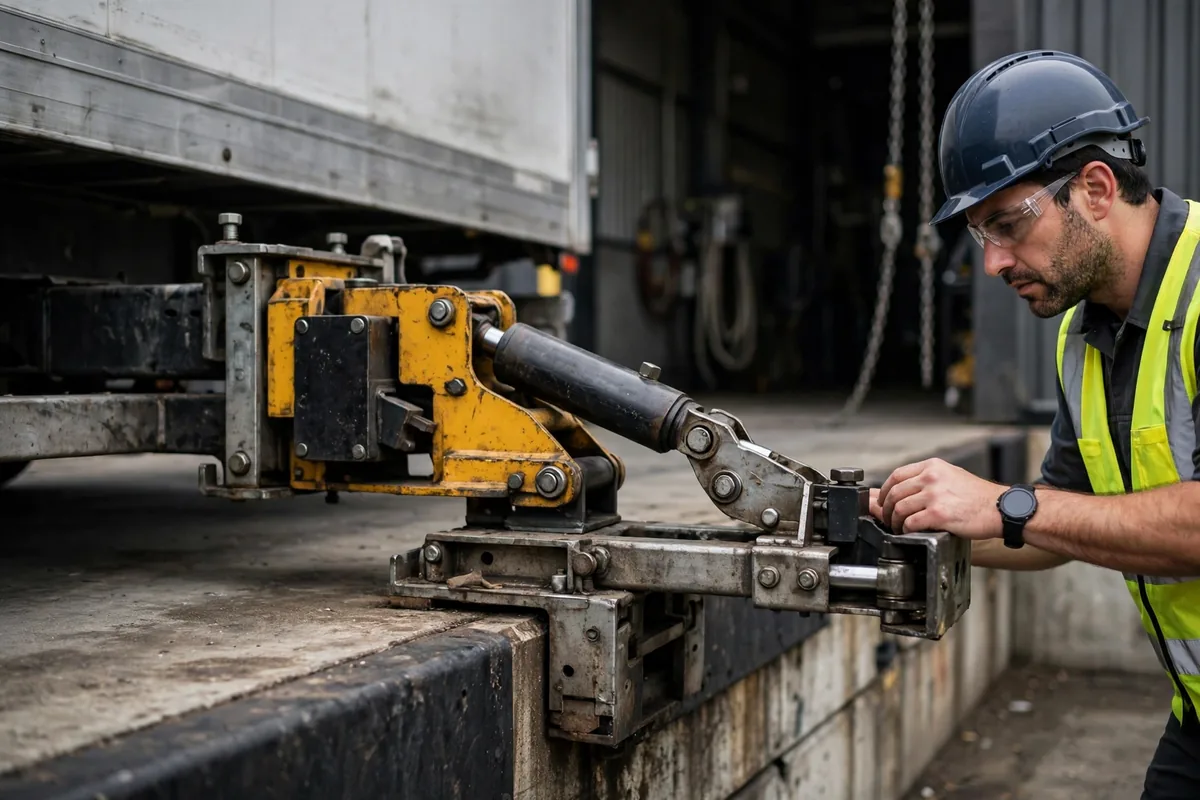
Who holds steady? First, people who can fix equipment. An automated guided vehicle will still get stuck, a camera will still get dirty, and when equipment stops, the whole warehouse stops. People who can repair, adjust, and respond to emergencies will only become more valuable over the next three years.
Second, floor supervisors and exception handlers. A system can tell you "this order has a problem," but it cannot decide whether to ship it or hold it, or who should call the customer. Judgment, communication, and taking responsibility are jobs AI cannot take over.
Third, experienced staff who know the business. They know which customer is fussy, which product breaks easily, and what to stock for which season. That knowledge lives in people's heads, not in the system. AI can calculate, but it cannot calculate context like "this customer complained about packaging last time."
Who should prepare now? Anyone whose job is only repeated motion. My advice is practical, not fancy. Do not wait. Learn two things. First, reading data: reports, anomalies, patterns. Second, working with systems: using new tools and teaching new colleagues. Extra skills never hurt, in a warehouse as anywhere else.
One honest word to close. AI in the warehouse over the next three years does not reshape whether warehouses need people. It reshapes what kind of people warehouses need. Small warehouses have their own way of surviving. We do not compete on how expensive our equipment is. We compete on fast reactions, low costs, and being willing to try. When AI arrives, do not be afraid. Try the cheapest option on one small piece first, and expand if it works. If you wait until every other warehouse is already fluent with it, then it really will be too late.
By Xiao Ma, Small Warehouse Owner