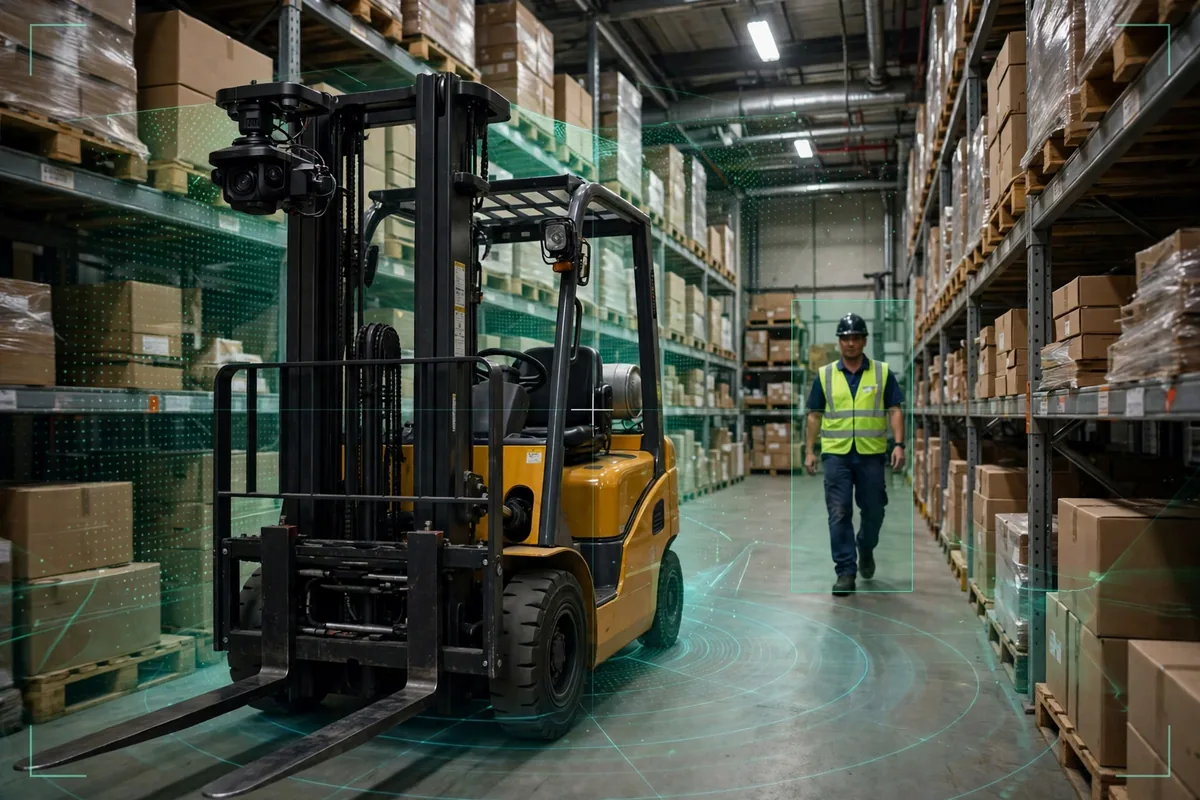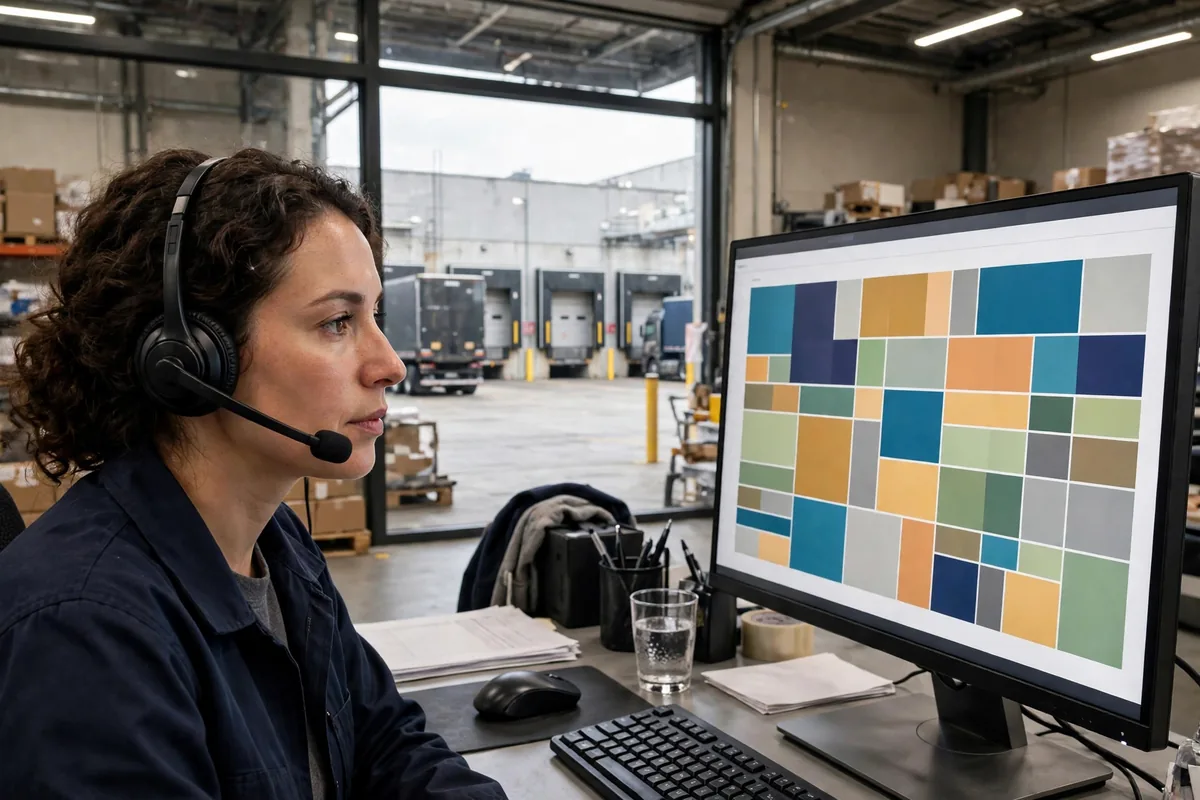
Here is my verdict up front: an ai voice agent dock appointment warehouse setup works, but only for half the job. Confirmations, reschedules, and gate instructions are perfect work for a machine. Exception handling, an angry driver, and a last-minute dock reshuffle are not. I have watched too many warehouses buy the demo instead of the reality, and the bill always arrives at the dock door, with interest.
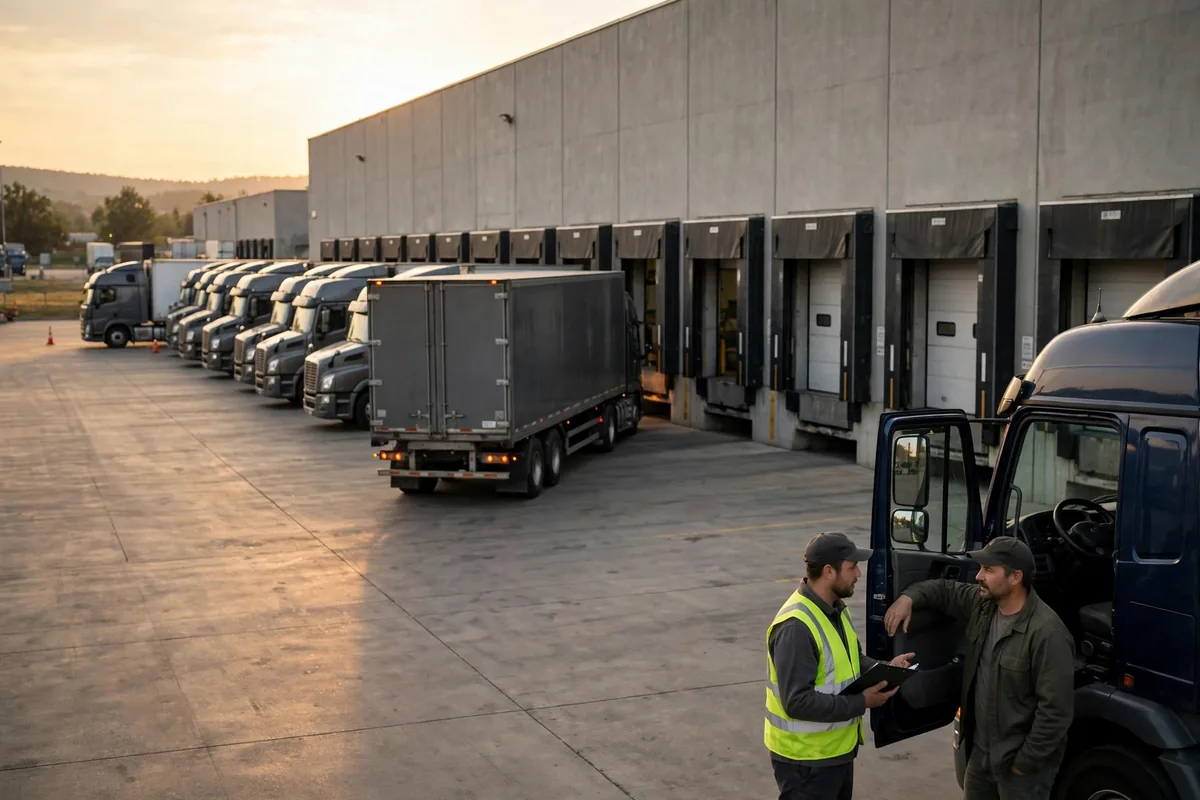
Let me start with a pit I stepped into myself. Illustrative scenario: a frozen-food distribution warehouse in the Midwest, well over a hundred trucks a day in peak season, one dispatcher answering phones until his voice gave out. Management rolled out a voice bot with a single rule: if a slot is open, book it. In the first week, a driver explained on the phone that he was hauling fresh product that needed priority unloading. The bot had no concept of priority, queued him for a late-afternoon slot, and the load sat in the yard for hours. The driver called back a dozen times, got the same polite script, and finally parked across the gate demanding a manager. The machine did nothing wrong. The warehouse simply never had a written priority rule. A human dispatcher had been quietly supplying that judgment for years, and the day the bot took over, the judgment disappeared.
What an AI voice agent dock appointment warehouse can actually handle
The work a voice agent genuinely does well falls into four buckets. First, appointment confirmation: the driver reads out a reference number, the system verifies it, and reads back the time, dock area, and check-in instructions in about thirty seconds. Second, rescheduling: when open capacity exists, the agent offers real alternative slots, the driver picks one, and the booking updates immediately instead of after three rounds of phone tag. Third, broadcasting dock assignments and arrival instructions: how early to arrive, which gate to use, what paperwork to bring, and yard speed rules. Humans forget a line or two on the fiftieth call of the day; the machine never does. Fourth, multilingual answering: a large share of drivers calling U.S. warehouses prefer Spanish, and not every dispatcher speaks it. A bilingual agent quietly solves a problem that has annoyed this industry for decades.
Now the other side of the ledger, because every tool has one. A voice agent cannot negotiate exceptions: damaged freight, paperwork that does not match the load, a reference number that resolves to nothing, or a request to jump the queue all require reading between the lines. It cannot calm people down. A driver who has sat in traffic for five hours does not want to hear a scripted request for understanding; he wants a human who acknowledges the day he has had. And it cannot run complex reassignments. When a dock door breaks down mid-shift or a cooler overflows and loads must be redistributed, that is a dispatcher making judgment calls under pressure, not a phone tree with better diction.
How dock appointment data has to connect to the YMS
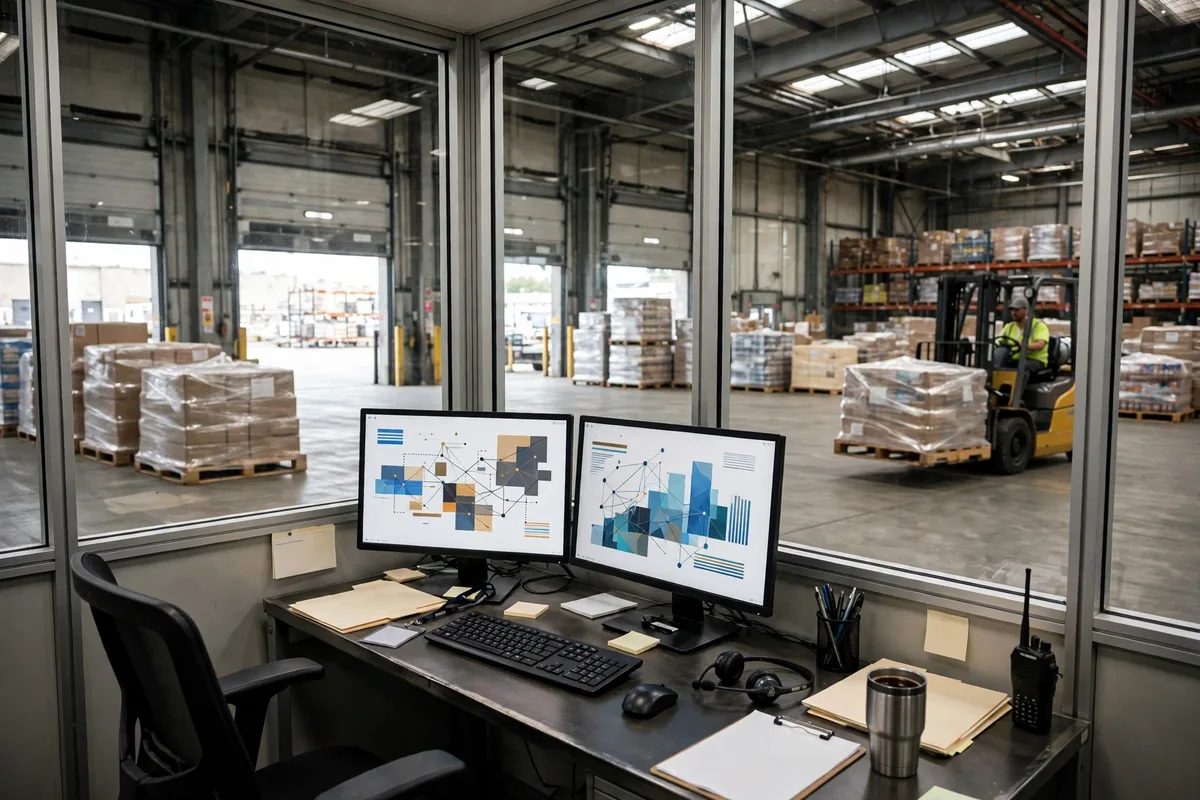
Most failed deployments I have seen did not fail on the conversation. They failed on the plumbing. Every sentence the agent speaks has to be backed by live data from the appointment system and the yard management system, and three checks must be hard-wired. The appointment reference must match exactly one booking; if it matches none, or two, the call goes to a human and the agent never guesses the closest number. The license plate the driver states must be compared with the plate on the booking, and a mismatch must trigger a follow-up question, because gate security and yard safety depend on it. The PO numbers matter just as much: in grocery and retail distribution, one trailer routinely carries several purchase orders, and skipping one verification at booking time means a forklift crew re-checking freight at the dock.
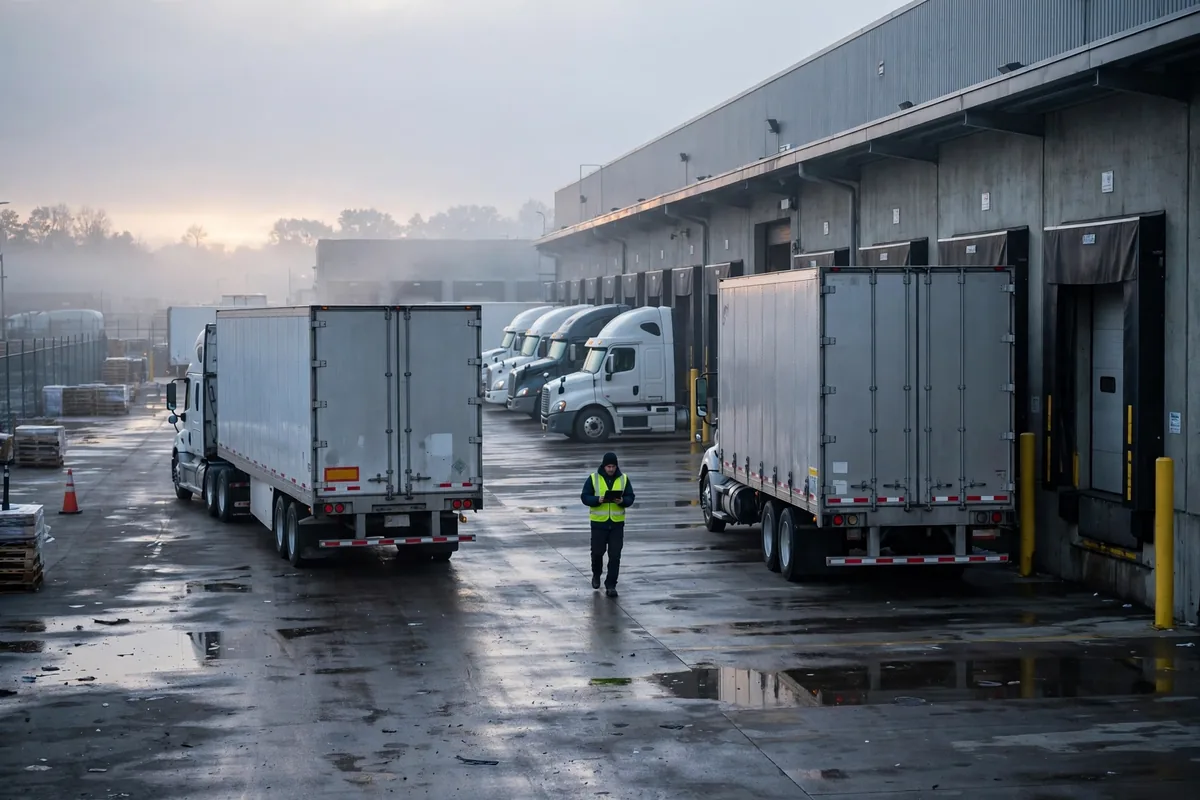
Timing is the detail that once burned a client of mine. The reschedule the agent promises must be written back before the call ends, with the slot locked during the conversation. One warehouse ran a batch sync instead, so a driver finished his call happily rebooked while the system still showed the old picture. Another driver called in, took the same open slot, and two trucks arrived for one door at dawn. Lock first, talk second, release never unless the driver cancels. That sequencing sounds trivial until you have watched the alternative from the dock office window.
Three rules to settle before go-live
Rule one is the human handoff threshold, written as hard triggers rather than vibes. If the agent fails to understand the same answer twice, if the driver asks for a person, if words like damage, accident, or refused appear, or if identity checks fail twice, the call transfers immediately, and everything already verified travels with it so the driver never repeats himself.
Rule two is recording and disclosure. The call must open by stating that it is recorded and that the caller is speaking with an automated assistant. Consent requirements for call recording differ by state, so check the current official rules and your counsel's advice rather than relying on habit, and treat the latest published guidance as the source of truth. Decide retention periods and who may listen, because drivers share phone numbers and plate numbers that deserve the same care as any other personal data.
Rule three is the overnight boundary. An unattended night agent should be allowed to do less, not the same: information playback and next-day booking requests only, no same-night reassignment promises, and no exception handling at all. Anything unusual gets logged with a callback number, and a human returns the call first thing in the morning. Narrowing what an ai voice agent dock appointment warehouse may promise at 2 a.m. looks like doing less. It is actually how you avoid waking up to a yard full of trucks that were promised doors you do not have.
Running the ROI numbers without fooling yourself
The honest calculation compares two piles. On one side, the dispatcher hours previously burned on phone calls. On the other, the new costs the brochure forgets: longer human calls after failed bot attempts, dock idle time from wrongly booked slots, driver detention, and the monthly platform fee. The table below is a hypothetical worked example; the figures illustrate the method only and are not any real warehouse's results.
| Item | Hypothetical example (illustrative) | Note |
|---|---|---|
| Appointment-related calls per day | 120 | Confirmations, changes, directions |
| Average human call length | 3.5 minutes | Including system lookup |
| Share the agent completes alone | 65% | Standard calls only |
| Phone hours saved per month | About 91 hours | 120 × 3.5 × 65% across 20 workdays |
| Cost of higher exception rate | 6 misbooked slots per month | Each idles a door for half a day |
| Net verdict | Savings must beat exception losses plus fees | Otherwise the project loses money |
Second illustrative scenario: a home-goods warehouse in the Southeast taking barely thirty calls a day asked me whether to buy in. We ran the same math and I told them not to. Thirty calls are two hours of human time; the subscription, integration, and upkeep would never pay back. Worse, their booking rules lived entirely in the dispatcher's head, with three different reference formats in circulation. That warehouse needed a month of rule-writing, not a robot.
So ask yourself the only question that matters before signing anything. Is your phone problem a volume problem, or a chaos problem? A voice agent cures the first and multiplies the second. Write the rules down, clean up the data, then let the machine answer the phone. Get the order backwards and no discount on the invoice will save you. Would you let a brand-new hire with no judgment answer your dock line alone on day one? Then do not ask software to do it either.
By Lao Mi, Supply Chain Veteran (20 yrs)