We have a client, a 3PL in Ontario that handles auto parts out of a 60,000-square-foot warehouse. Peak season, they push more than 4,000 orders a day. Last year, during renewal talks, the client asked one question that stopped me cold: how much useless walking are your pickers doing every day? I could not give him a number. He cut our proposed picking rate increase in half. That afternoon taught me something I should have known: in ai pick path optimization warehouse work, the gap between a veteran picker's gut instinct and an algorithm's route is not a rounding error. It is real labor cost, walking out the door one step at a time.
I am not going to explain the math. I sell warehouse services; I do not build algorithms. What I can tell you, from the buyer's side of the table, is how this technology actually saves money, how much it saves, which warehouses should buy it, and how to negotiate the contract so you do not end up paying for a promise.
The afternoon we got caught without a number
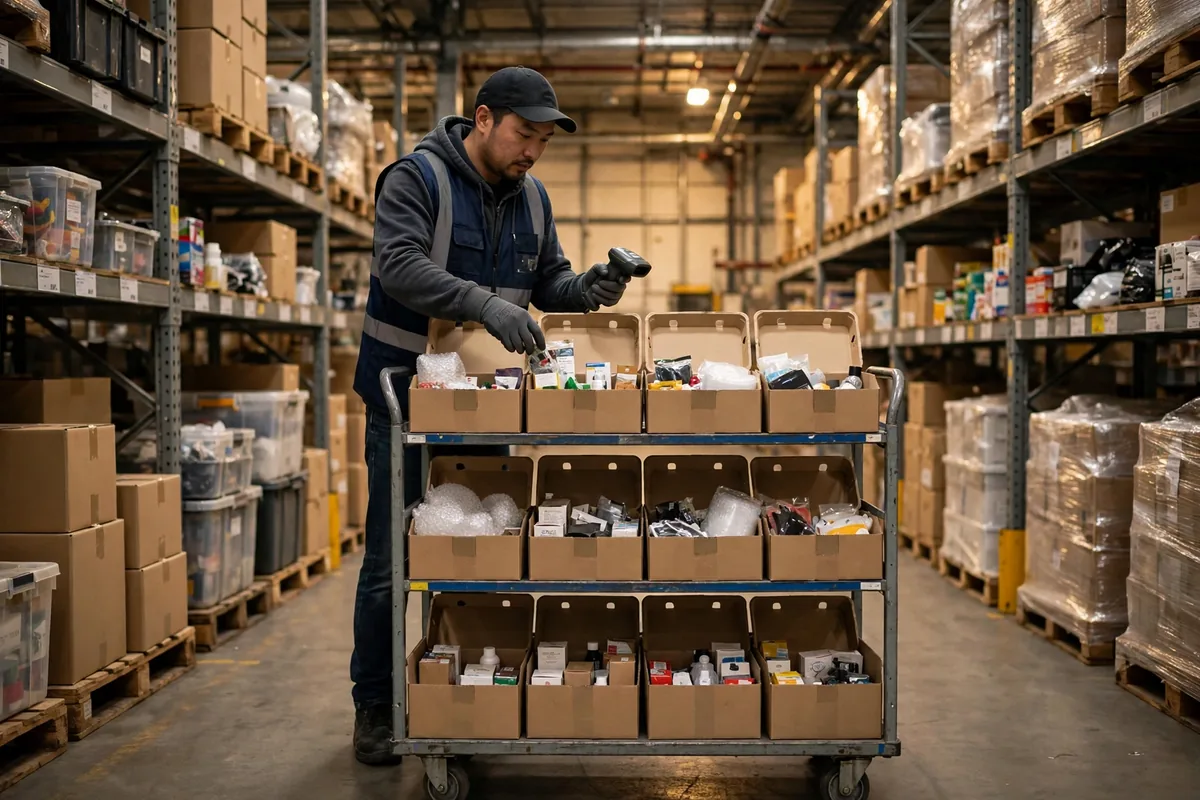
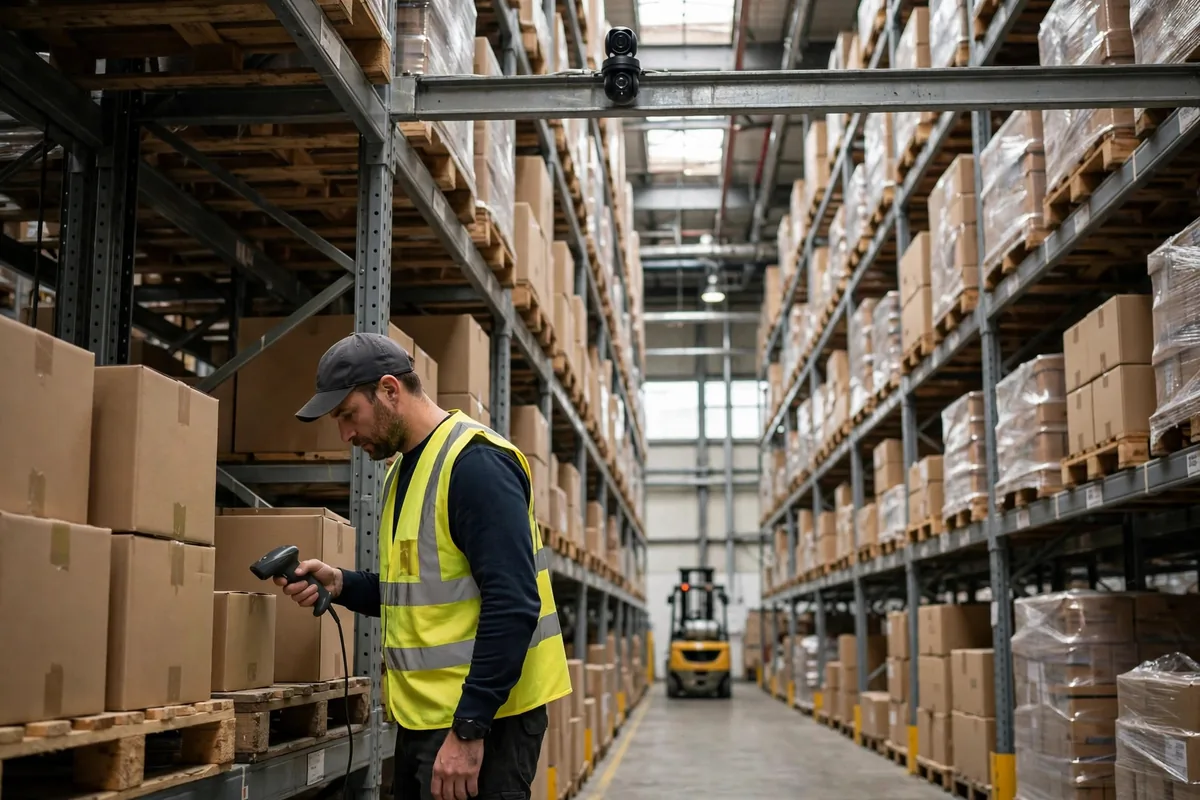
I have visited that Ontario warehouse three times. One picker there, a man in his early thirties with five years on the floor, knew every location by heart. When a wave of orders printed, he picked in the order the lines appeared on the sheet, from top to bottom. I walked one trip with him once. Twelve items, roughly 400 meters of walking, and he passed the same aisle entrance three times without grabbing the item sitting right beside it.
That was not his fault. It was the pick list's fault. Wave orders are sequenced by when customers placed them, not by where the product sits on the shelf. The system tells you what to pick and how many, but it never tells you the smartest order to pick them in. A wave with 40 orders and more than 200 lines is too much for any human brain to sequence well. Veterans save a little from memory. New hires just walk.
We later ran the numbers on a week of their data. The figures below are a hypothetical worked example, scaled to that warehouse's size, not a measured audit: one picker runs eight waves a day and walks an extra 1.2 kilometers per wave, which adds up to nearly 10 kilometers a day. At a loaded labor cost of 25 dollars an hour, that wasted walking is worth more than 30 dollars per picker per day. Across a 20-person picking team, that is over 10,000 dollars a month spent on walking to nowhere. The client's question was fair. The money was being wasted.
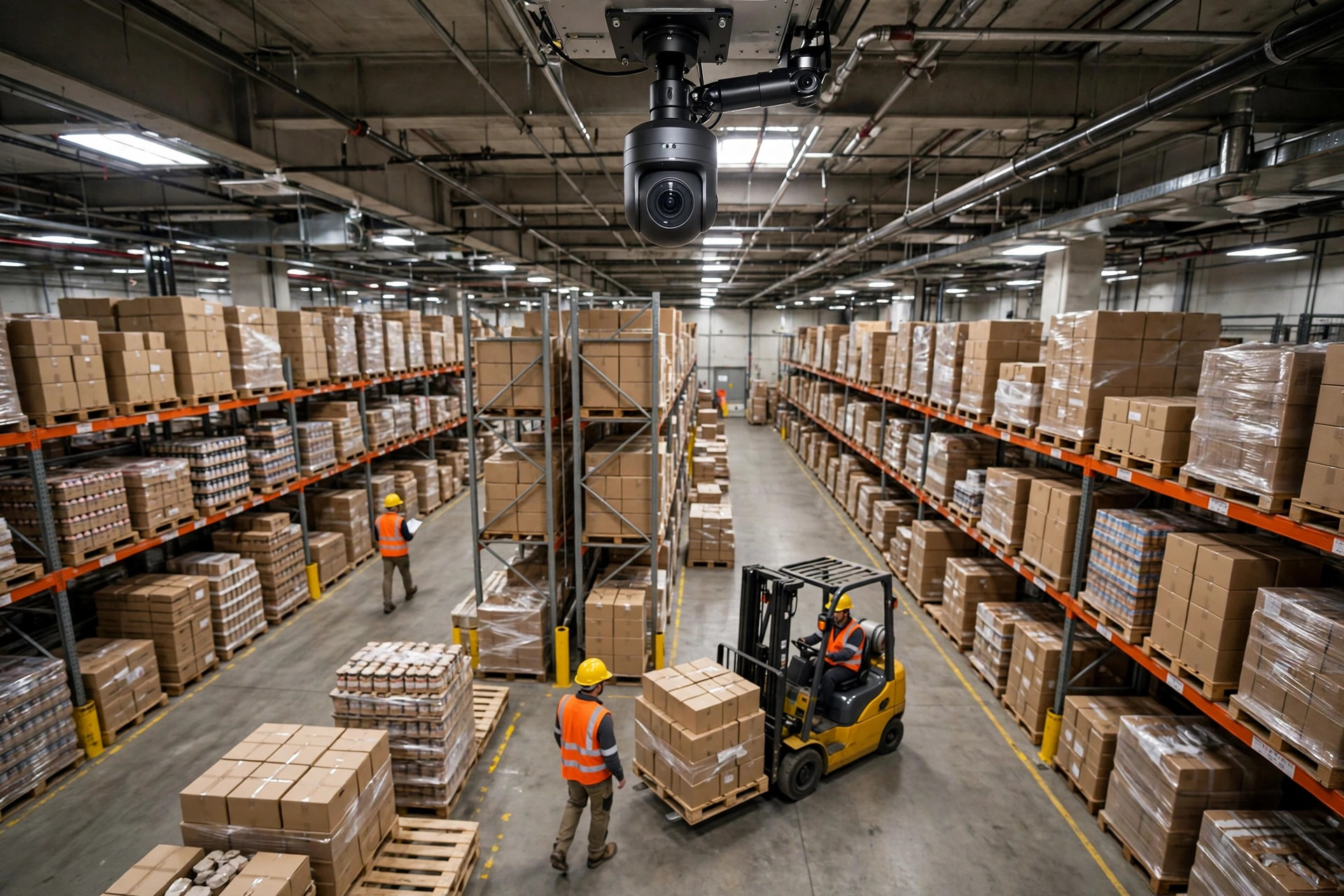
A second client made the point differently. This one is a 3PL in Ohio handling general merchandise. They had done ABC classification properly, with fast movers parked closest to packing. The problem was that fast movers change with the seasons. Sunscreen sells in summer and sits dead in winter, but nobody moved the locations. The value of an algorithm is not that it sequences a route once. It re-sequences every wave as the order mix changes. People re-slot locations once a quarter. An algorithm re-plans every wave. That is the gap.
What AI pick path optimization actually calculates
Here is something vendors rarely volunteer: when they demo ai pick path optimization warehouse software, they love to show you a heat map. The red lines are where pickers used to walk, the green lines are the optimized route, and the red is dramatically longer. It looks convincing. Always ask one question before you applaud: where did that data come from? Real orders from a real warehouse, or a standard test dataset designed to make the demo look good?
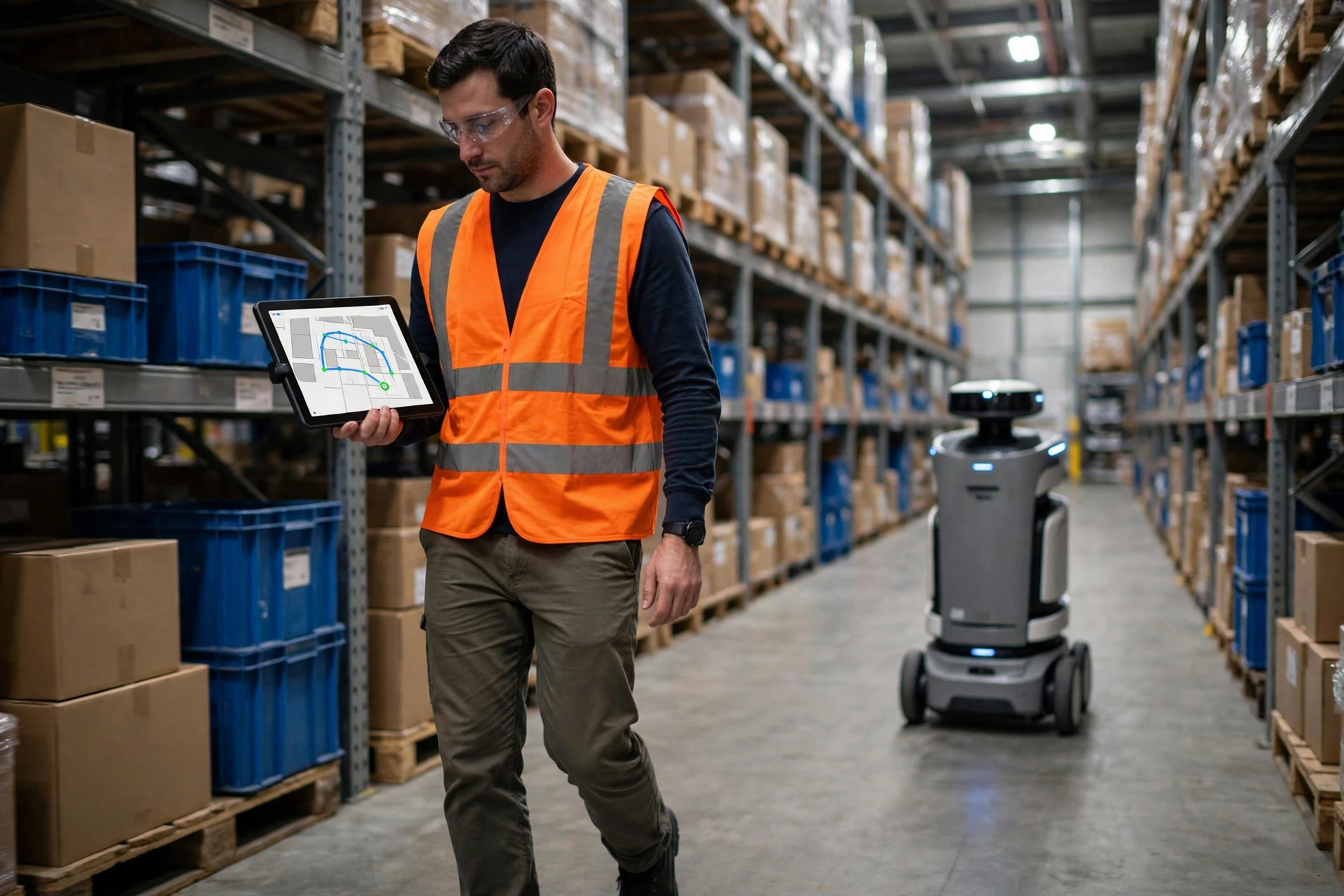
A real pick path optimizer calculates three things. First, the coordinates of every location to be visited, which is fixed data from the system. Second, the pick time and weight of each item, because heavy items should be picked last so the cart does not get heavier with every stop. Third, the aisle rules: one-way or two-way, whether two people can pass in a narrow aisle. If those constraints are not in the algorithm, the shortest path it calculates is a path nobody can actually walk.
Here is the counterintuitive part: the shortest path is not always the fastest pick. One client installed a first-generation optimizer, picker steps fell by about 20 percent, and throughput dropped. Why? To save steps, the algorithm grouped all the high-bay picks together, so a picker had to climb for a high location three times in one trip, pausing for half a minute each time. Every step saved was paid back on the ladder. They changed the logic to spread high picks across the trip. Steps went up 5 percent, and throughput recovered. Remember this when a vendor pitches you: any vendor who only talks about steps saved is selling you half the truth.
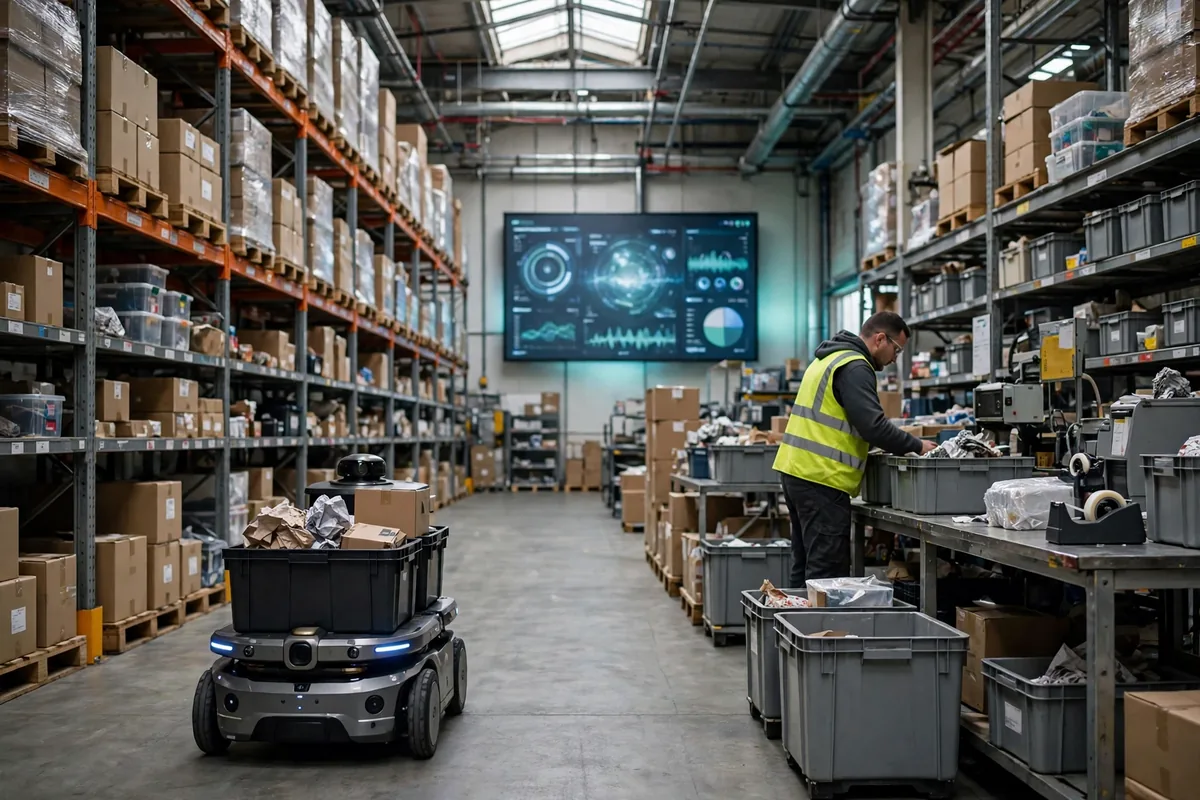
You also need to know what you are buying. There are three tiers, and the price jumps sharply between them. Tier one is a path sequencing module inside the WMS that reorders pick lines within each wave. No new hardware. It fits warehouses under 50,000 square feet doing fewer than 2,000 orders a day. Tier two adds dynamic slotting advice, telling you weekly which products should move locations. That fits warehouses with more than 5,000 SKUs and an order mix that changes fast. Tier three ties ai pick path optimization warehouse software to AMRs or voice picking, so the plan directs machines and people together. It costs the most and only makes sense above 10,000 orders a day.
| Warehouse size | Tier worth buying | Number to check first |
|---|---|---|
| Under 2,000 orders a day | Tier one: reorder lines within the wave | Extra distance each picker walks daily |
| 2,000 to 10,000 orders a day | Tier two: add dynamic slotting advice | How long fast movers have sat in stale locations |
| Over 10,000 orders a day | Tier three: link to AMRs or voice picking | How often pickers queue waiting for an aisle |
Take that table into your next vendor meeting. It will save you from an hour of jargon.
Which warehouses should buy AI pick path optimization, and which should wait
Buy it when a wave has many lines spread across many aisles, when SKUs exceed 3,000, when fast movers are less than a third of the mix, and when the order mix changes daily. Also buy it when picker turnover is high. If half your pickers are new, veteran knowledge never gets passed on. An algorithm is veteran knowledge that does not quit.
Wait, in three cases. First, a warehouse so small it runs two or three waves a day, where pickers already know the route by heart. The steps saved will not cover the annual software fee. Second, a warehouse where the system locations do not match physical reality. An algorithm planning routes off wrong coordinates plans the wrong route more precisely. Fix your locations first. Third, a warehouse with one-way narrow aisles shared by forklifts and pickers, where the calculated route cannot be walked in practice.
The worst deal I ever saw was a fashion 3PL whose contract promised a "20 percent picking efficiency improvement" without defining how it would be measured, who would measure it, or what happened if it missed. Three months after go-live, the vendor said steps were down 22 percent, so the target was met. The client said throughput was up only 3 percent, so it was not. They argued for two months and settled on six months of free service.
Next time you negotiate, ask these three questions
First: how is the step saving measured, which week of real orders was used for the comparison, and can I audit the test data myself? Second: how does the algorithm handle high-bay picks, overweight items, and narrow aisles, and has it been tested in my warehouse, not just in a demo? Third: if the promised efficiency is missed, how is the service fee reduced, monthly or quarterly, and which clause of the contract says so?
Ask those three, and a serious vendor will talk details. A weak vendor will talk vision. Vision is free. Details are what you are paying for.
One last honest thought. Ai pick path optimization warehouse technology is not magic. It takes the knowledge in a veteran picker's head — pick this first, that second, grab the one on the way back — and turns it into a rule that can be recalculated every wave. Veterans retire, take leave, and change jobs. Rules do not. In the 3PL business, the winner is whoever turns invisible experience into visible cost advantage.
By Susan, 3PL Sales Director