Here's my verdict up front: letting AI draft your warehouse SOPs can cut a two-day writing job down to half a day. But I've also watched someone print AI-generated SOPs straight to the floor, only to discover a torque spec in there that the equipment manual never mentioned. The biggest risk with AI-written SOPs isn't that they're slow. It's that they're confidently wrong.
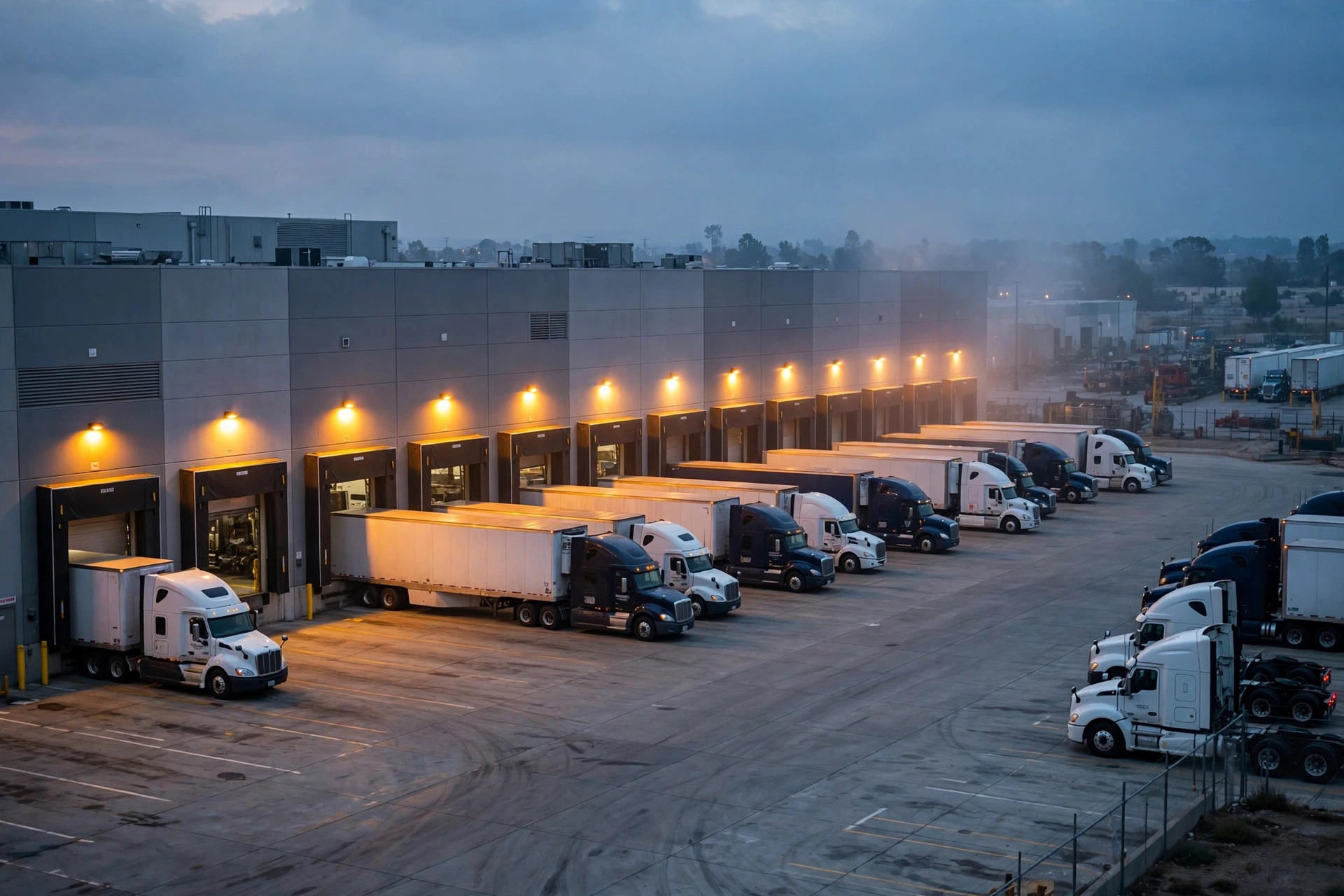
Earlier this year, a 3PL in Fontana brought me in to review their processes. Their safety manager was proud — AI had produced 12 SOPs in a week. I spot-checked three. Two were usable. The third covered ventilation requirements for the forklift charging area, and it specified "forced exhaust ventilation with 6 air changes per hour." It read like gospel. Problem: no standard I could find — not NFPA, not the equipment manual — actually requires that. The manager went pale. That SOP was already laminated and posted on the charging-area wall, where the crew read it every day.
So my position is simple: AI is a great drafting tool for SOPs, but every draft goes through three reviews. Skip one, and you're planting a landmine.
First, draw the line on what AI is good at. It's good at structure and language: turning rough steps into clean procedures, listing precautions completely, condensing a 5-page equipment manual into a one-page job aid, organizing a veteran operator's spoken know-how into line items. It's faster than most people at this, and tidier.
It's bad at three things. First, site-specific details: whether your dock is 4 feet or 4.5 feet high, how many times a day your cooler door opens — AI doesn't know, so it fills in a "typical value." Second, numbers and standards: torque values, temperatures, air-change rates, regulation clause numbers. It invents them with total confidence, and they look real. Third, accountability: who signs, who double-checks, who to call when something goes wrong. That's your management design, not general knowledge — all AI can offer is "the supervisor is responsible."
My workflow: humans build the frame, AI fills the content, humans review. Don't reverse the order — start with an outline and source materials from someone who knows the floor, let AI draft, then review. Expecting AI to produce a floor-ready SOP from zero is wishful thinking.
The three reviews: what, who, and how deep
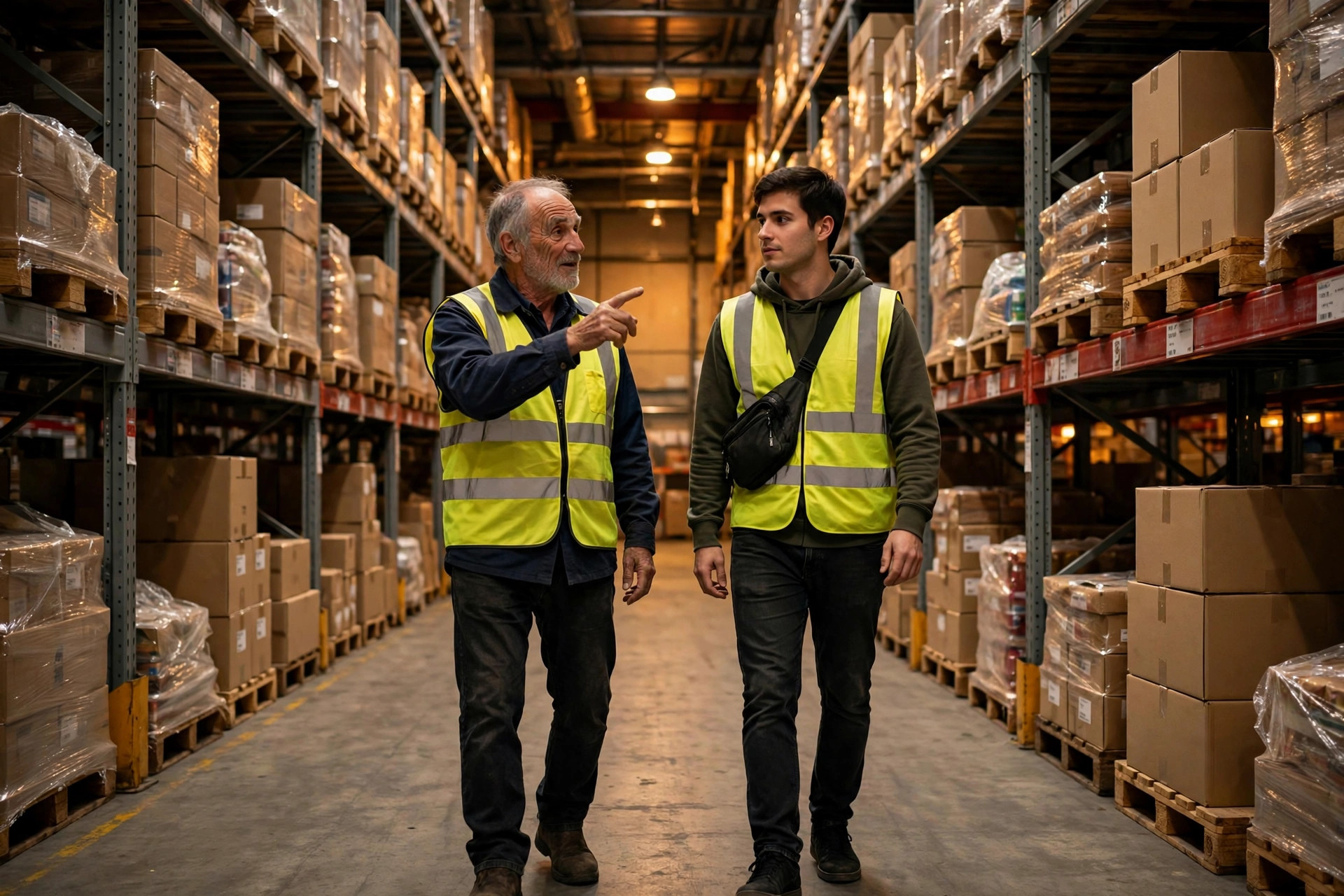
Review one: facts. The reviewer must be a veteran operator or the equipment owner, and the job is singular — pull out every number and every "must" / "never" in the document and ask, "Is this actually how we do it?" Torque, temperature, frequency, standard numbers, one by one. Anything that doesn't match reality gets flagged red and sent back. No "close enough." This is the dullest review and the most critical — 90% of SOP landmines are number landmines.
Review two: the floor walk. Take the draft and walk it, physically, on the floor. The SOP says "the picker walks from Zone A to Zone B for empty cartons" — go look at whether a forklift main aisle sits between those zones. If it does, the SOP is fiction, and people will cut across the aisle to save time. The only question that matters: can a new hire actually do this as written? And will they skip a step to keep up — especially the safety step?
Review three: compliance. Anything touching safety, hazmat, food, or labor gets an EHS or compliance review. AI has a special talent for well-meaning compliance mistakes: turning "recommended" into "required," or softening a regulatory mandate into a "suggestion." How tight or loose the wording is determines whether that SOP protects you or buries you when something goes wrong. Lawyers read SOPs differently than you do.
All three reviews take about 1.5x the drafting time. Don't begrudge it: the SOP is the first document pulled out after an incident, and it's OSHA's and the insurer's favorite reading material.
Input quality decides output quality
One thing most people miss: how good an AI-written SOP turns out depends about 70% on what you feed it. Give it "write me a receiving SOP" and you get generic filler that would work in any industry — which is the same as writing nothing.
Feed it a transcript of your receiving process on video, the receiving exception codes from your WMS, last month's three receiving-error incident reports, and ten floor photos (flow paths, equipment, signage, exception scenarios), and the draft gets dramatically more specific. My standard input kit is four things: process records, key equipment-manual pages, recent exception logs, and floor photos. With that, first-draft usability jumps from maybe 50% to 80%, and review workload gets cut in half.
AI won't replace the people who write SOPs. But people who write SOPs with AI will replace the ones who don't. On one condition: all three reviews, no exceptions. The review you skip will come back to you as an incident report.