I followed a pilot project for three months.
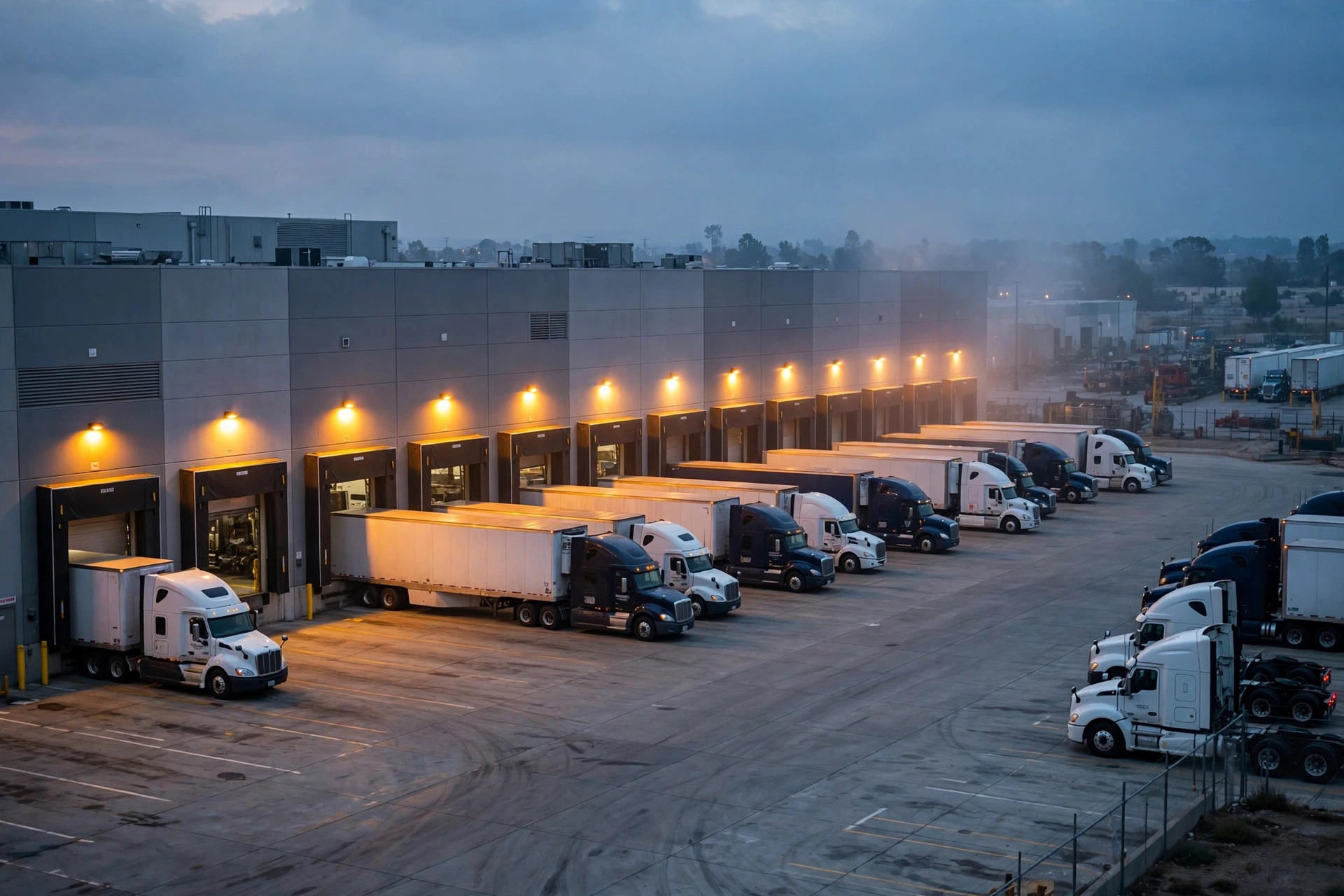
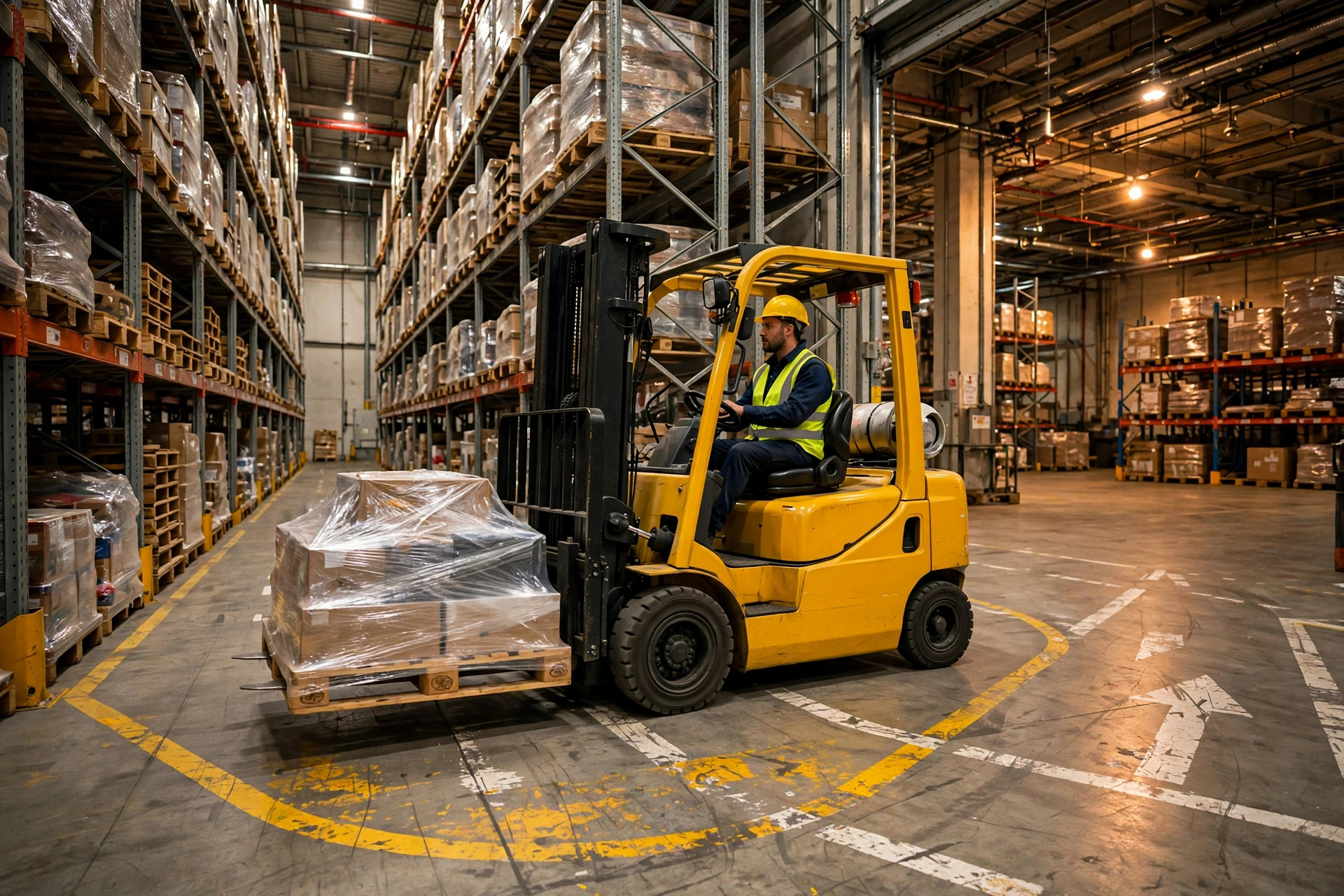
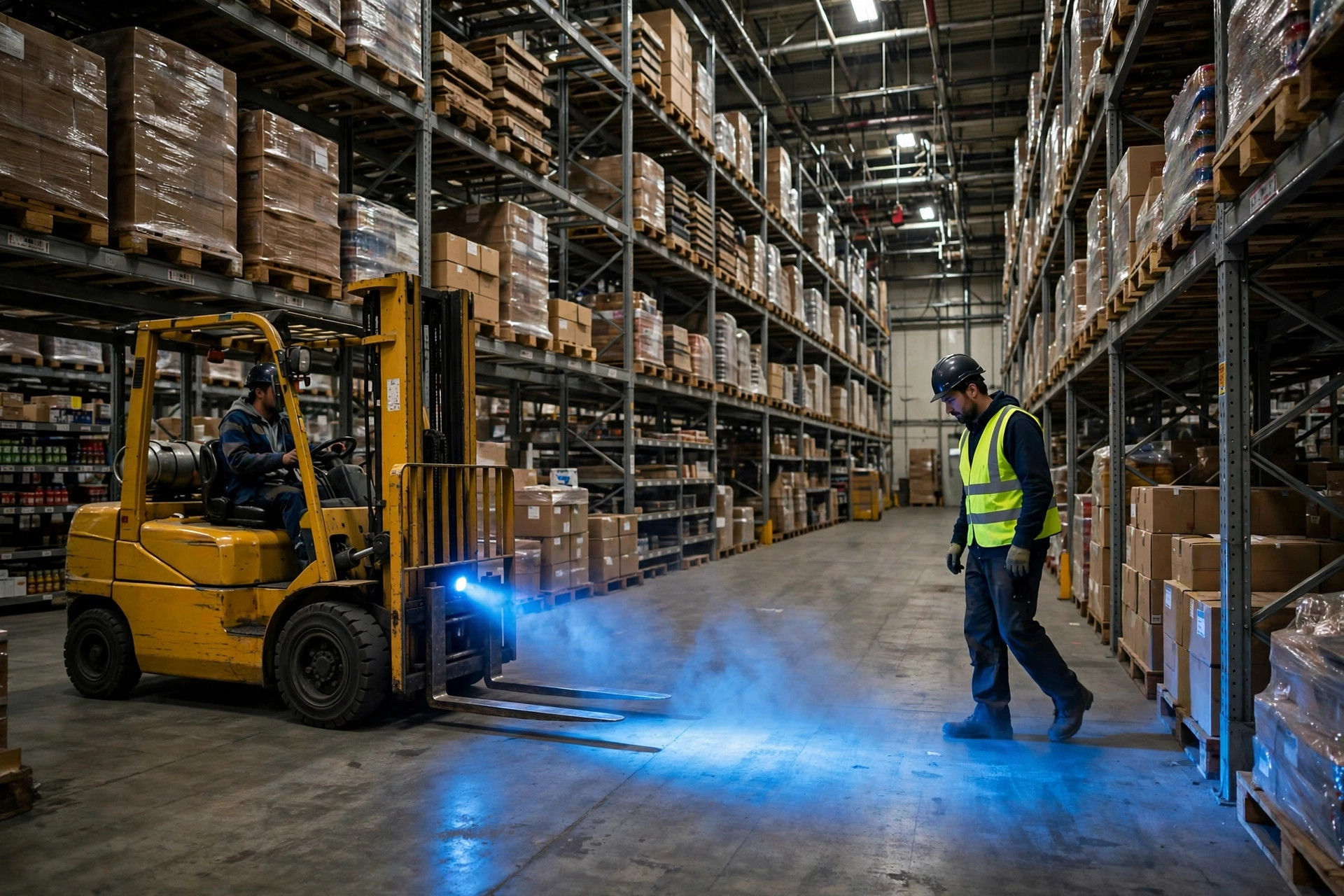
The warehouse sits in Chino, California — a 3PL doing e-commerce fulfillment, a little over 90,000 square feet, twelve forklifts, two shifts with nights running to 2 a.m. Last fall, a forklift nearly clipped a night-shift packer at the dock door. Nobody was hurt, but the packer wrote a complaint email that got forwarded straight to the client. The client was a big seller. A twelve-page safety questionnaire came back, and the owner finally decided: let's try AI video analytics, pointed specifically at forklift-pedestrian near-misses.
The pilot ran May through August 2026. Here's half the verdict up front: it works — but not in the way you'd expect.
Where to point the cameras
The first mistake is blanketing the building. The software bills per camera position, so full coverage gets expensive fast — and it's unnecessary. Near-misses cluster. Find the clusters.
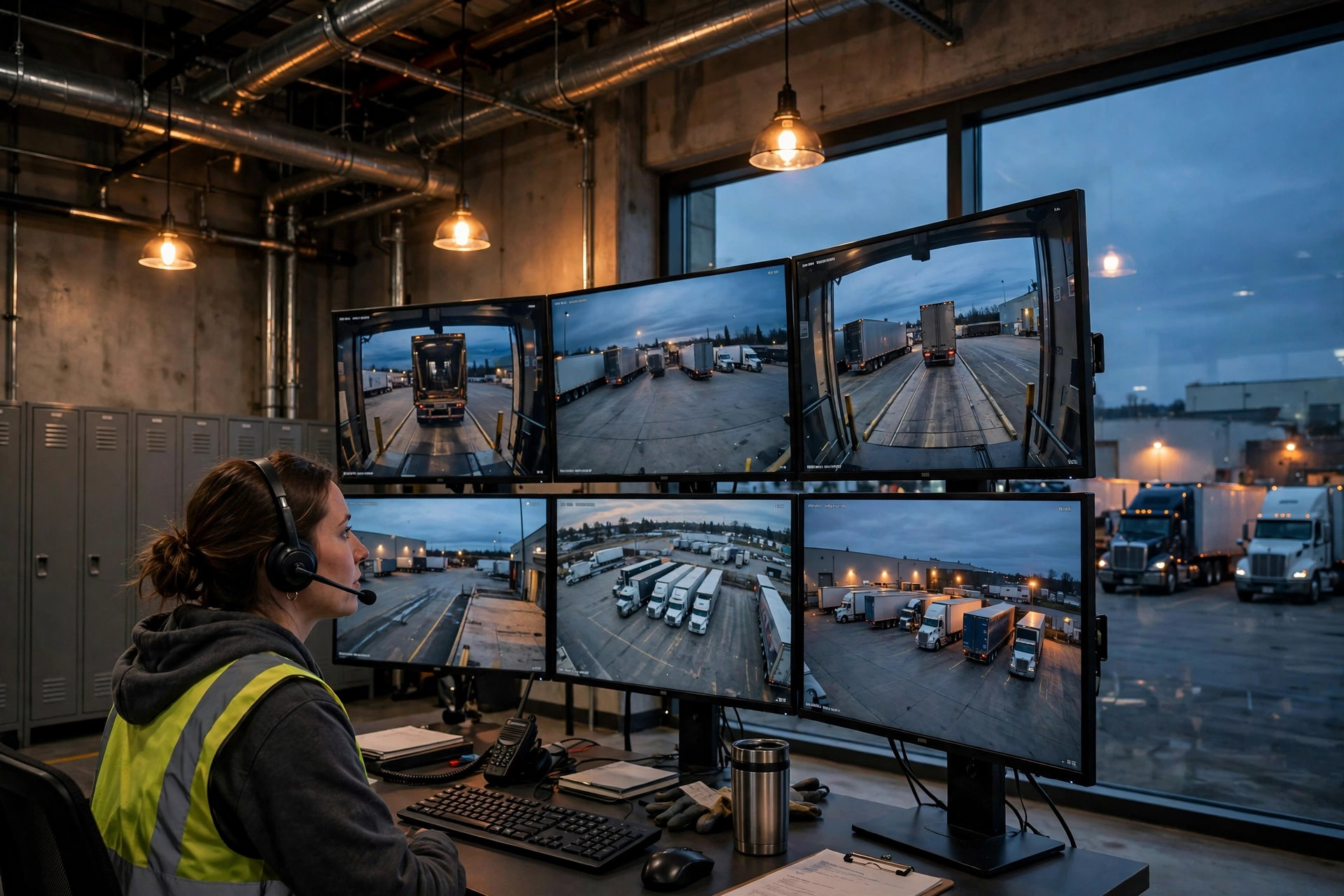
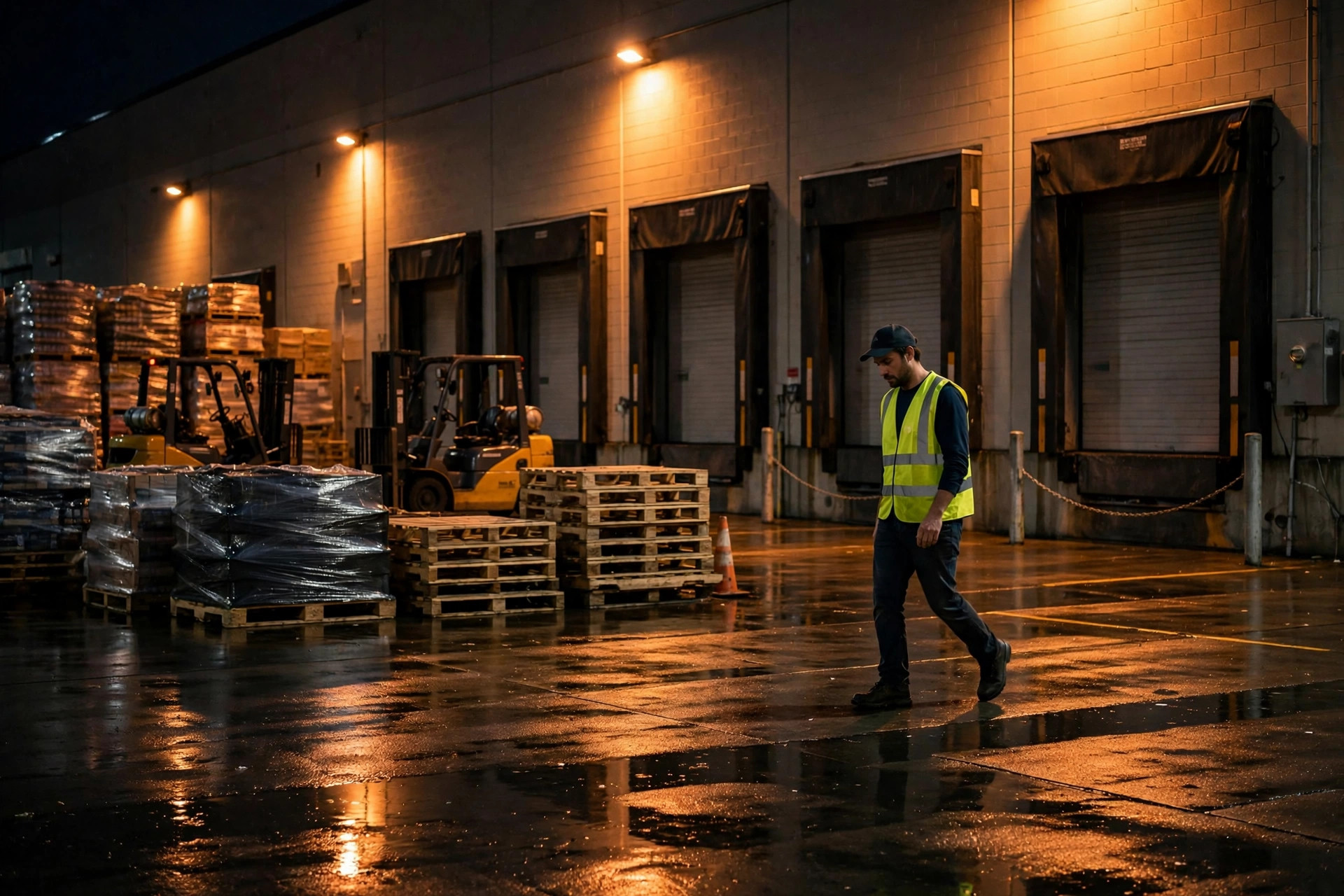
Our twelve positions: entrances and turnstiles, where people and trucks must cross; the battery charging area, where forklifts are constantly turning around; staging-to-main-aisle intersections; the dock doors, where an opening door kills all visibility; and the blind ends of rack aisles. Those five spot types accounted for more than eighty percent of the near-misses caught in three months.
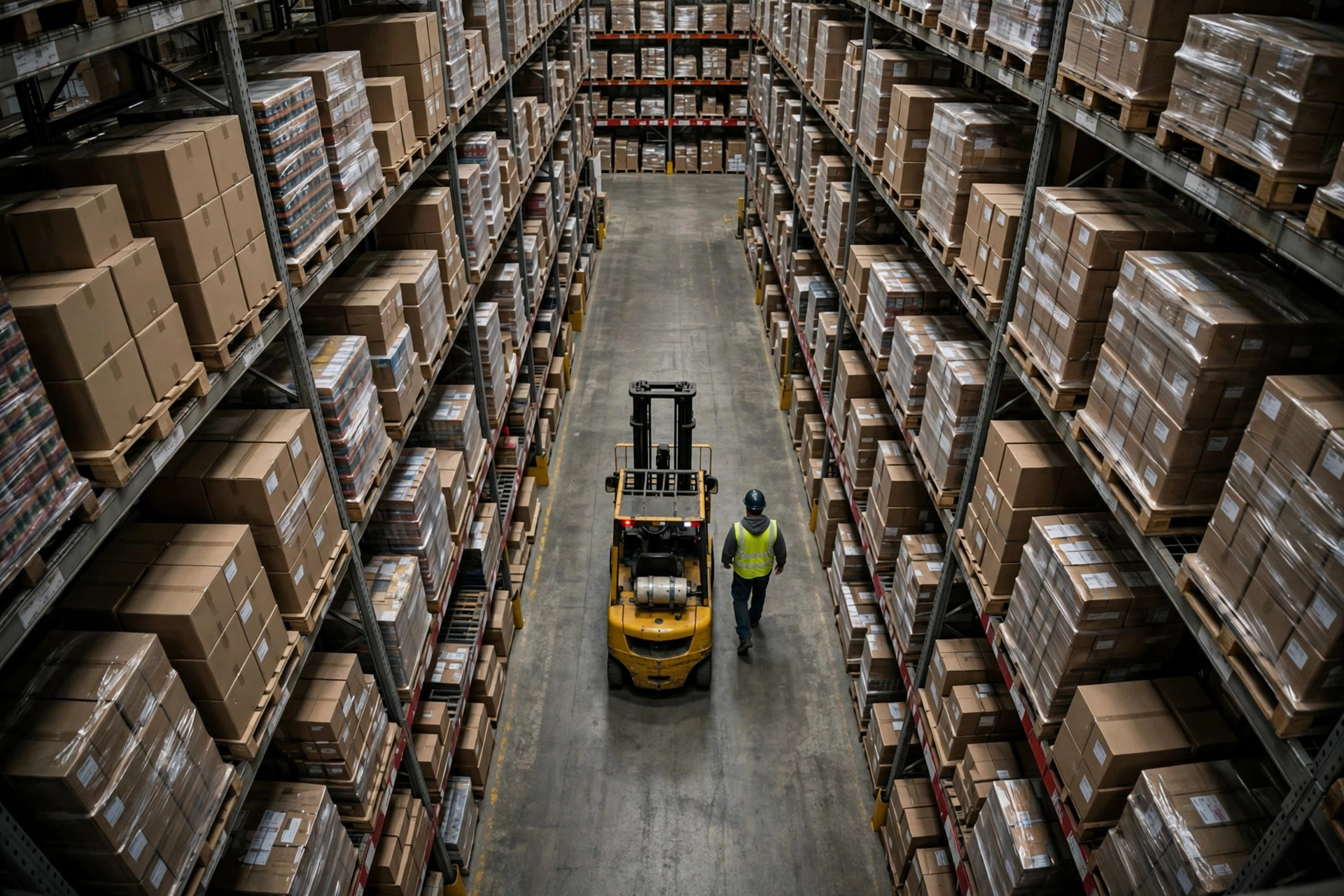
Height was a lesson. The first mounts went at twenty-eight feet, dead overhead, the way a security installer thinks. The algorithm couldn't see people at all — a pedestrian was a few dozen pixels. We dropped to eighteen to twenty feet, angled down the aisle at fifteen to twenty-five degrees. Suddenly the AI had enough pixels to work with, and false alarms dropped with it.
One more detail: don't aim the camera straight at oncoming forklifts. At the dock door, the first version faced the door head-on, and daytime backlight washed the whole frame white. Angled thirty degrees to the side, problem solved. With these systems it's seventy percent picture, thirty percent algorithm — garbage picture, garbage results.
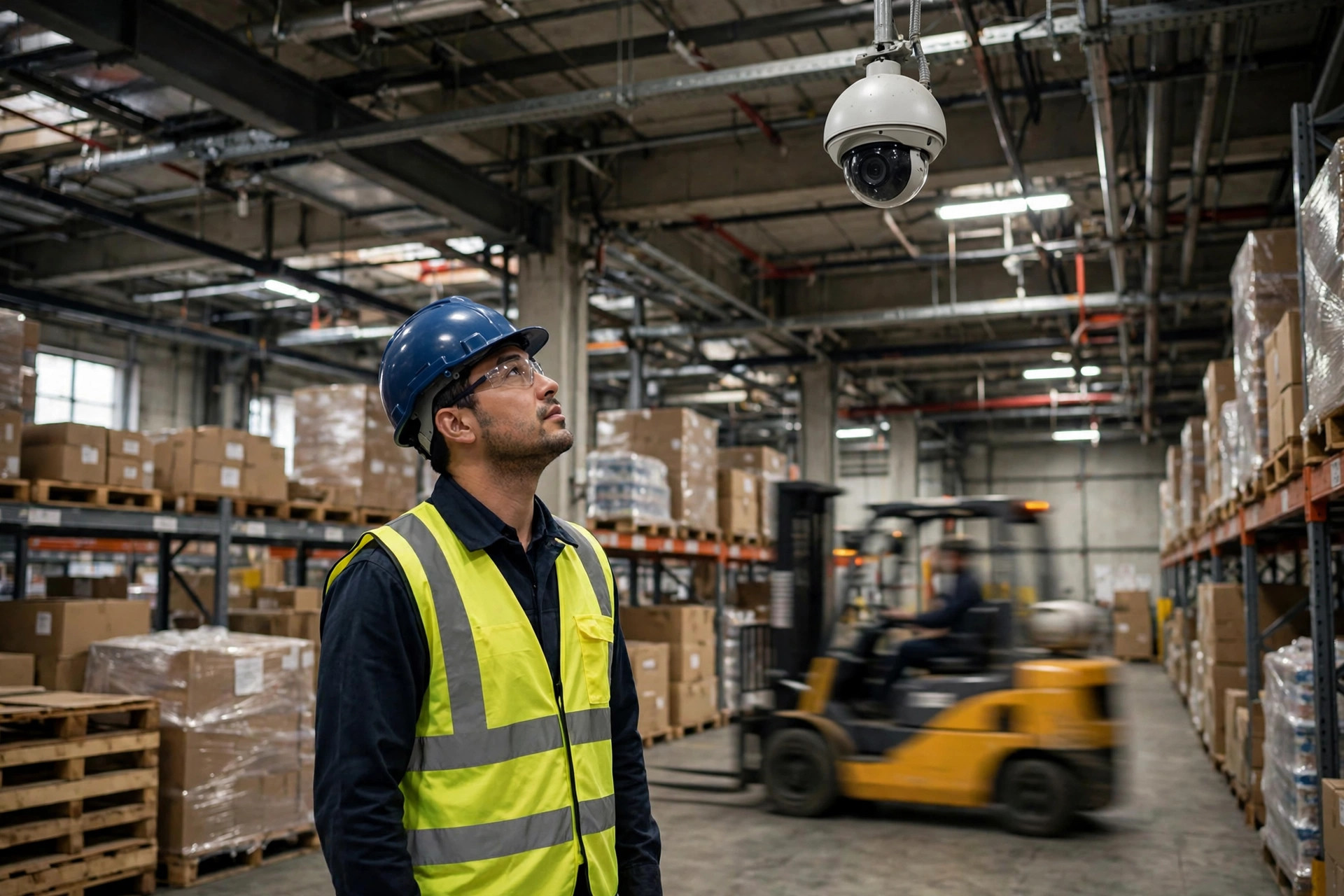
And a money-saver: nine of the twelve positions reused the warehouse's existing dome cameras; only three were new. But a security picture and an AI picture are two different things. Before reusing anything, pull a full night of recordings and check for backlight, vibration, and blocked views. If any of them are bad, don't cheap out on that camera.
How to fix the false alarms
Week one, the system pushed more than forty alerts a day. By day two the safety manager wanted to switch the whole thing off. That's the number-one killer of these projects: false alarms.
Three fixes, all earned the hard way.
First, write the event definition in stone. Person-vehicle distance under three meters, forklift speed above roughly eight kilometers per hour, and the two converging or crossing — all three conditions at once, or it doesn't count as a near-miss. Distance alone doesn't count: next to a pack station, people and forklifts work close together all day. That's not a near-miss, that's the job.
Second, draw exclusion zones. Pack stations, charging areas, anywhere close contact is legitimate — box it out of the frame and don't count it. We drew six exclusion zones and false alarms got cut in half overnight.
Third, tier the alerts. Only high-speed close calls go to the safety manager's phone. Slow pass-bys go into a weekly report for the statistics. Don't numb people — cry wolf three times and nobody looks up the fourth time, when it's real.
Another class of false alarms came from empty forklifts running fast. Small, quick, easy for the model to misjudge against a distant pedestrian. The fix was a speed ceiling: anything over fifteen kilometers per hour gets logged as speeding — a separate problem — and stays out of the near-miss stats. Don't mix the two.
After three months: five to eight genuine near-misses pushed per day, false alarms down to about twenty percent. An honest word here: the ninety-five percent accuracy on vendor slides is a lab number. In the field, eighty percent is a well-tuned system. Everything above is measured in our pilot, not in a demo room.
The night shift brought its own trap. To save power, the warehouse killed half the aisle lights at night, and false alarms doubled in night-vision mode. Four extra aisle lights fixed it — cheaper and faster than a better algorithm.
Doing the math
Costs first, plainly. Per-position software subscription for twelve positions, one edge-compute box in the server room, three new domes plus install labor. First-year spend landed in the thirty-to-fifty-thousand-dollar range — a pilot-measured approximation, not a quote. Get your own numbers from vendors.
Payback came in three parts.
One: the value of a single avoided accident. OSHA estimates roughly 85 forklift-related deaths and 34,900 serious injuries a year in the US. The number that matters for your math is this: in a pedestrian strike, direct medical and legal costs are the small part. Downtime, investigation, OSHA fines, client audits, insurance hikes — the indirect costs run several times the direct ones. Prevent one moderate injury over three years and the system pays for itself.
Two: insurance. At renewal we handed the carrier our near-miss trend line, and the premium came down about eight percent — pilot-measured, your carrier may differ, but data beats a handshake.
Three: training. Safety training used to be slides. Now it's the warehouse's own near-miss clips. New hires watch real footage from the exact aisle they'll walk every day. You can't put a precise ROI on it, but the safety manager says the difference in attention is visible.
Three months, 230-plus near-misses caught — more than ten times what got reported by hand in the entire previous year. The warehouse didn't get more dangerous. It was always this dangerous; nobody was reporting.
So don't measure "accidents avoided." Measure "hazards fixed and closed." In three months we closed seventeen: two convex mirrors, one converted one-way aisle, three relocated staging zones, the rest small stuff like speed signs and reflective vests. Small stuff matters — the whole value of near-miss analytics lives in the closed loop.
Worth it? Yes — but not because the AI is brilliant. Because for the first time, near-misses became countable, replayable, fixable data. Before this system, they lived only in veterans' stories, remembered after something actually happened.
Where to start, in one sentence: don't buy software yet — spend two weeks mining a year of incident and complaint logs, mark your top three hot spots, put three cameras there for a month, and expand only if the footage tells a story.