It was 4:30 in the morning, the night shift had not handed over yet, and the WMS threw up another thirty-odd location discrepancies. I will be honest with you: at that moment I was half sold and half suspicious about ai drone cycle count warehouse inventory programs. The vendor pitch sounds clean. The drone flies after lights-out, and by morning the data is done. Anyone who has run a floor knows counting was never hard because of scanning. It is hard because labels cannot be read, stock cannot be seen, and somebody still has to go up there and look.
So we tested one zone first. Not the whole building. The high-bay pallet area that gave us the most grief. What follows is what I would tell another manager over coffee, not what goes in a sales deck.
What ai drone cycle count warehouse inventory handles, and what it does not
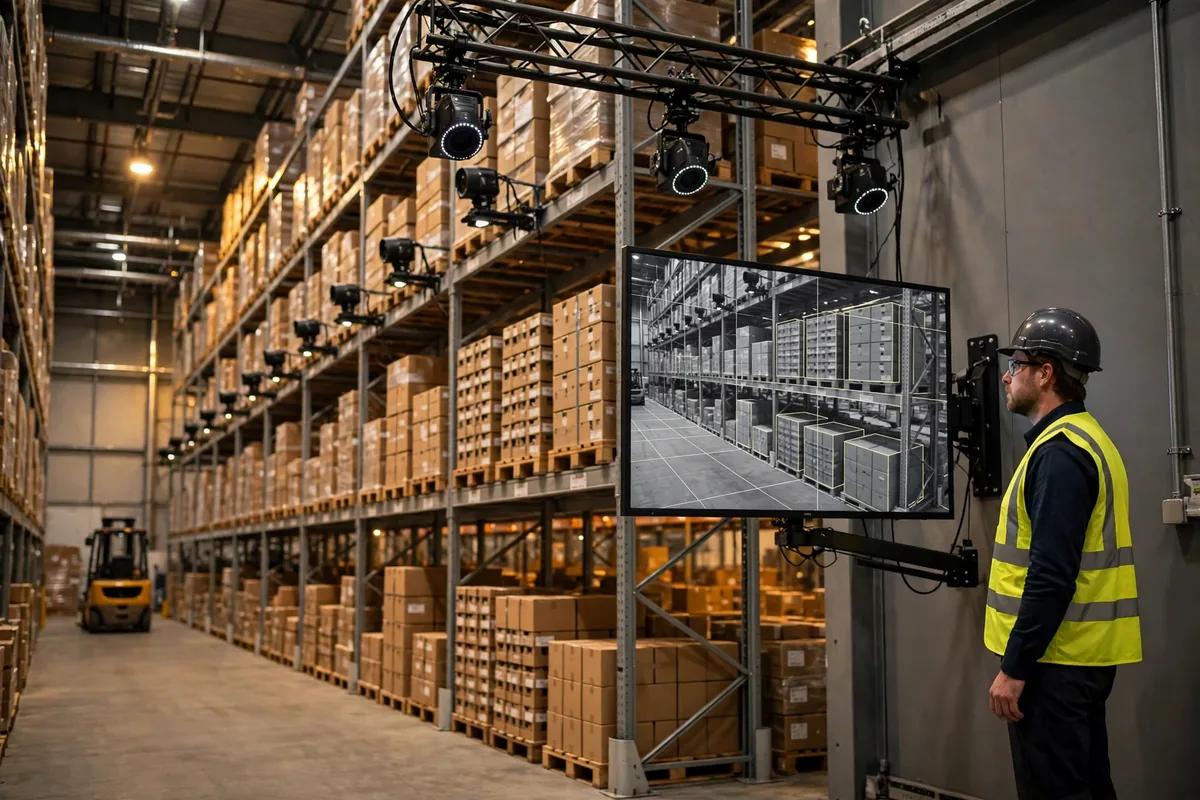
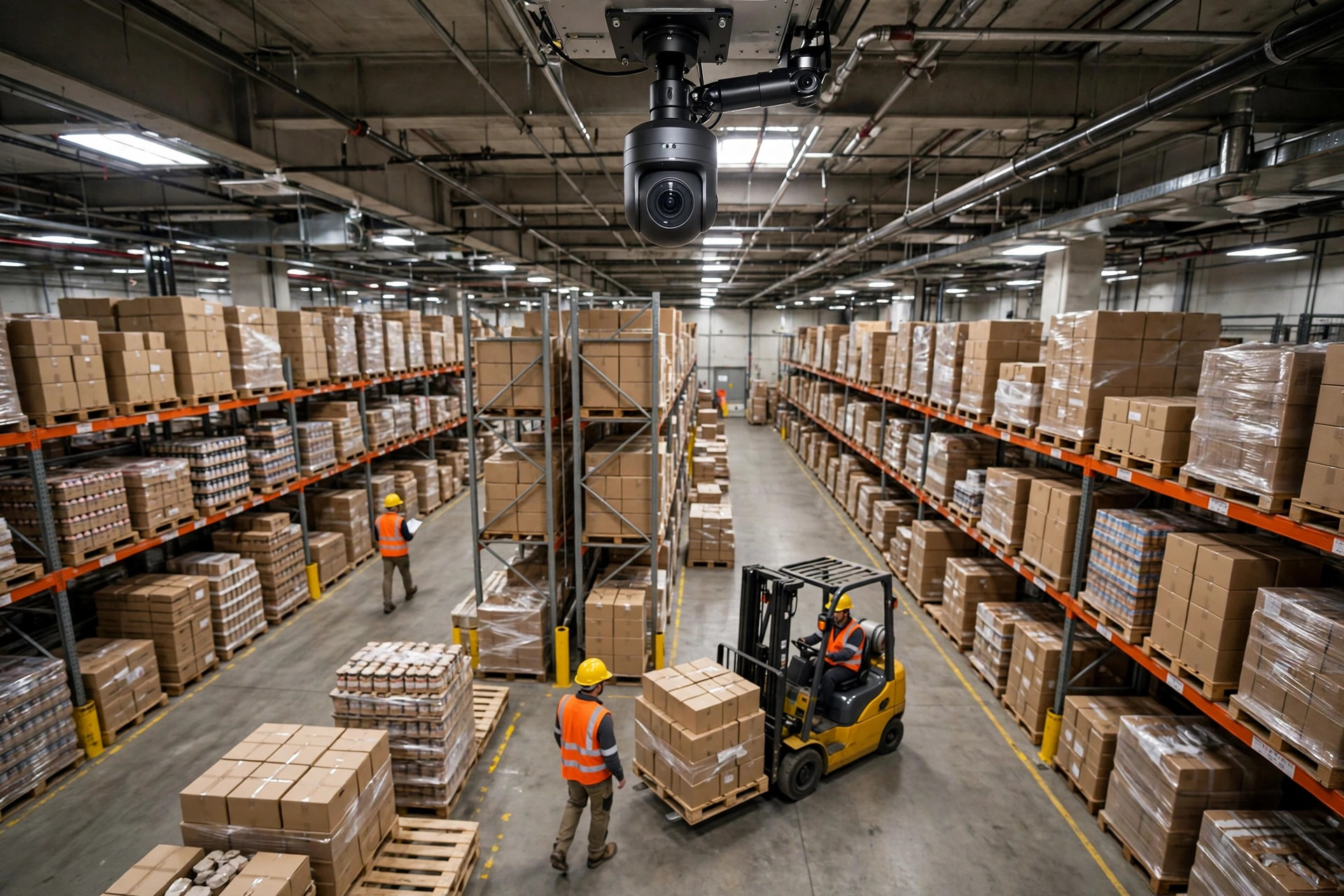
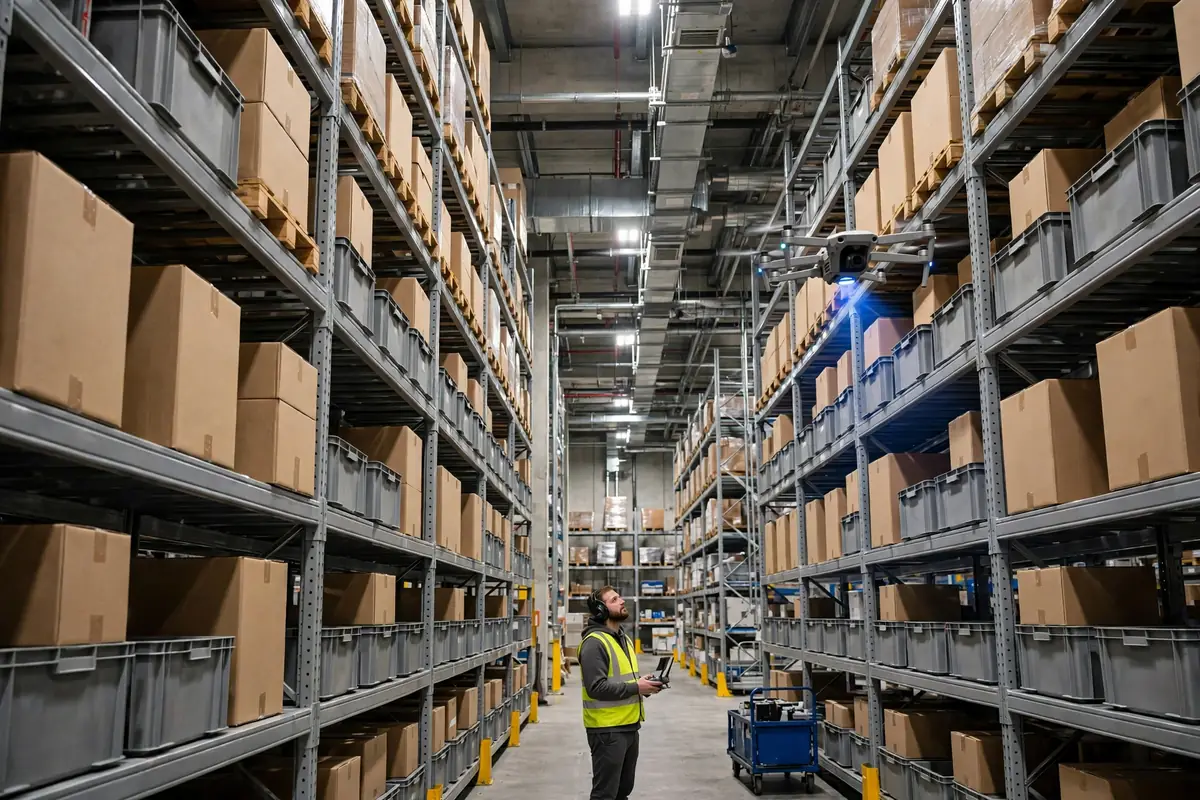
Start with what it does well. High-bay racking, full-pallet storage, labels placed on the outward face of the pallet toward the aisle. That work is steadier by machine than by person. A man-up truck, an operator with a handheld, one pallet at a time, an aisle blocked off — a crew covers limited ground in a night. A drone moves down the aisle, photographs the location plate and the pallet label together, and the software matches what it sees against the book inventory. If your locations are fixed and your labeling is disciplined, that segment is genuinely faster.
Now what it cannot do. First, it cannot see inside a sealed carton. Two units short inside a box looks like a full box, a hundred flights in a row. Second, labels killed by stretch-wrap glare, dust, or placement on the far side of the pallet fail fast. Third, do not send it into piece-pick areas. Bins half open, SKUs rotating daily, labels facing every direction — that is manual cycle count territory, and the drone will hand you a pile of unreadable images.
In the winter of 2024 I visited a regional auto-parts warehouse, mid-sized, mostly full-pallet storage. Before flying anything, they spent two weeks on boring work: every pallet label moved to the same height, same side, damaged ones reprinted. Only after that did read rates settle down. Remember this, guys: drone counting is seventy percent label and location discipline, thirty percent aircraft. If your labels are stuck anywhere today, do not buy a drone first. Fix the labels first.
One more boundary vendors skip. The drone verifies that the right pallet sits in the right location. It does not judge condition. Crushed cartons, leaking liquids, short-dated stock — a camera several feet away cannot call those. Anything that needs a human eye still needs a human.
Safety, battery, and how we actually schedule it
Safety worried me more than it worried the vendor. Our building has people at night: picking, replenishment, cleaning. An indoor drone is small, but it is still spinning blades in the air. Hitting a person or clipping a rack and dropping is not a minor event.
What we settled on is time windows and zones. The drone flies one defined area in one defined window. Before it flies, that aisle is cleared and locked out in the system. No forklifts enter. We do not fly in busy daytime hours and we do not mix it with foot traffic to save time. I killed that idea the first time someone suggested it. The minutes saved are not worth the risk you are betting against.
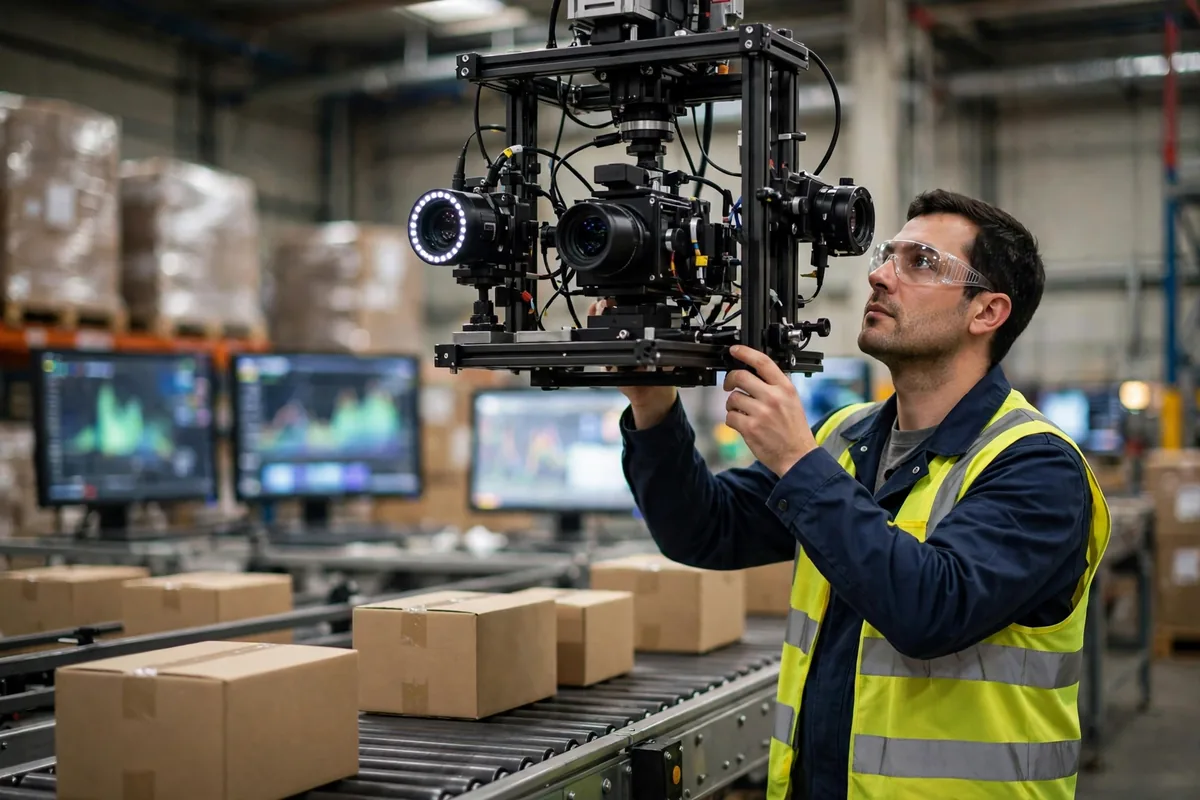
Battery deserves cold water too. An indoor unit carrying a camera and lighting gets working time measured in tens of minutes, not hours, before it swaps or charges. So forget the one-flight-covers-the-warehouse story. Real scheduling is segments: fly a section, return, swap, upload, repeat. A large building can roll through its priority zones in a night, which fits the cycle count idea — a portion every day — not a year-end wall-to-wall count in one pass.
Noise matters more than the brochures admit. Night crews are already tired. A drone buzzing overhead wears people down. We compressed flights into the cleared window in the first half of the night shift, then stopped. The second half of the night is quiet and people get their work done. Technology only survives on a floor if the crew is willing to work with it.
A second story, and this one is a warning. Last year a peer told me his site parked its drone after three months. The reason was embarrassingly basic: the top levels had double-deep positions, and the rear pallet labels were fully blocked by the front pallets. From the aisle, no angle could see them. Nobody had walked the rack before purchase and checked label visibility level by level. The demo, of course, flew the one row that scanned beautifully. You can test this for free: stand in the aisle with your phone and photograph every level. Whatever your phone cannot see, the drone cannot see either.
The math against manual crews, and where the ROI line sits
The numbers below are an illustrative example, built on typical magnitudes for a mid-sized pallet warehouse. They are not any vendor's quote. Run your own building's numbers before deciding.
| Factor | Manual high-bay count | Drone cycle count |
|---|---|---|
| Method | Truck plus two-person crew, aisle blocked | Automated flights in cleared windows, system matching |
| Strength | Open-carton checks, condition judgment, fixes on the spot | Repetitive scanning of high, well-labeled pallets |
| Main cost | Labor hours, truck time, blocked-aisle loss | Equipment and software fees, label cleanup, upkeep |
| Hidden cost | Night overtime, work-at-height risk | Human review time for failed reads |
Assume a few thousand high-bay pallet positions and a daily need to roll through part of them. A manual crew's nightly output is capped, and it ties up a truck. The drone carries upfront cost, but each extra nightly pass costs mostly power and upkeep. The dividing line is not the price of the aircraft. It is how often your high-bay pallet zone truly needs counting. Count it once a month, and a manual crew gritting through it beats a drone sitting in a cabinet. Count it daily, with discrepancies clustering up high, and the drone starts paying by taking people out of repetitive climbing work.
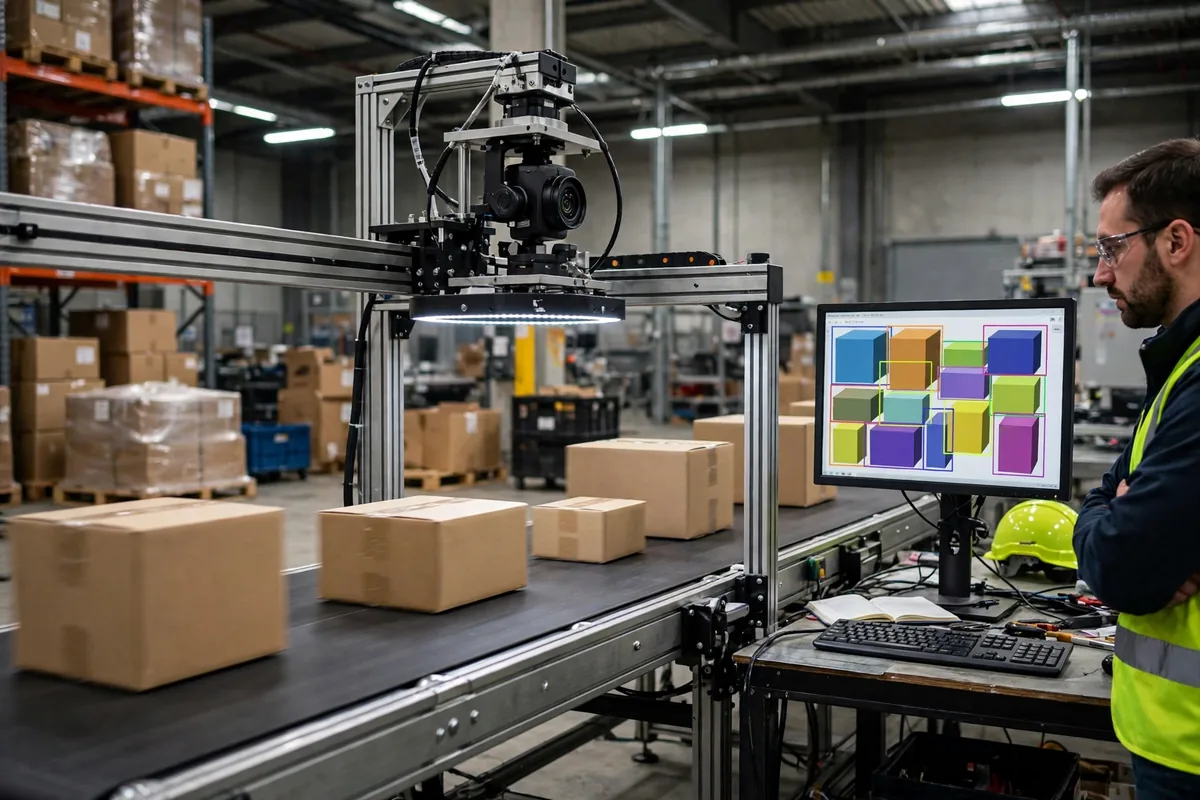
Here is the counterintuitive part. Drone counting does not eliminate the counter's job. It eliminates blocked aisles and work at height. Your counters shift from holding a scanner to working the exception list the drone sends back: opening cartons, verifying stock, hunting the reason for a discrepancy. That work needs more experience, not less. After our pilot, night counting headcount stayed the same. The freed hours went into root-cause work, and repeat discrepancies dropped noticeably over the following two months. Accuracy is not scanned into existence. It appears when discrepancies get investigated and the process that caused them gets fixed.
Do not forget the review load either. Reads are never perfect. A share of images comes back unclear and needs human review. Ask any vendor for the review rate measured with labels in your condition, not in their demo warehouse. A high review rate eats the labor saving, and the ROI flips fast.
My conclusion is one sentence. If your building is mostly full pallets, your high-bay zone is large, you are willing to do the label cleanup, and you count often, ai drone cycle count warehouse inventory deserves a serious pilot — one zone, one full peak season, then decide on expansion. If your operation is piece-pick heavy, labels are chaos, and counting is infrequent, tighten your manual cycle count process and your labeling rules first. It pays back faster and costs far less.
One action you can take tomorrow: on tonight's shift, take your phone to the tallest rack row you have and photograph the labels from the aisle, level by level. The share you can read clearly is exactly how far your warehouse is from drone counting. That test costs nothing. Run it first.
By Chen Feng, Warehouse Operations Manager