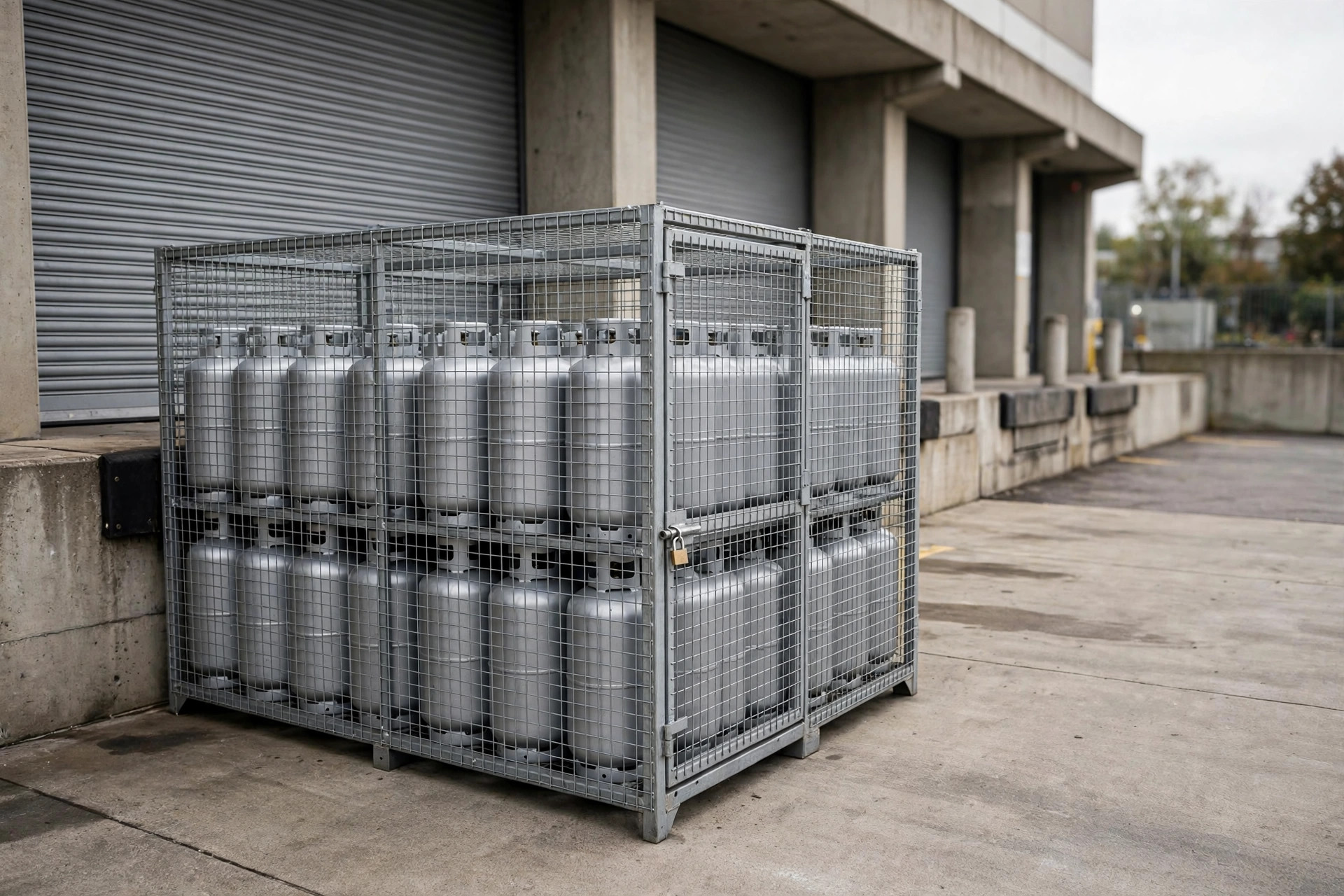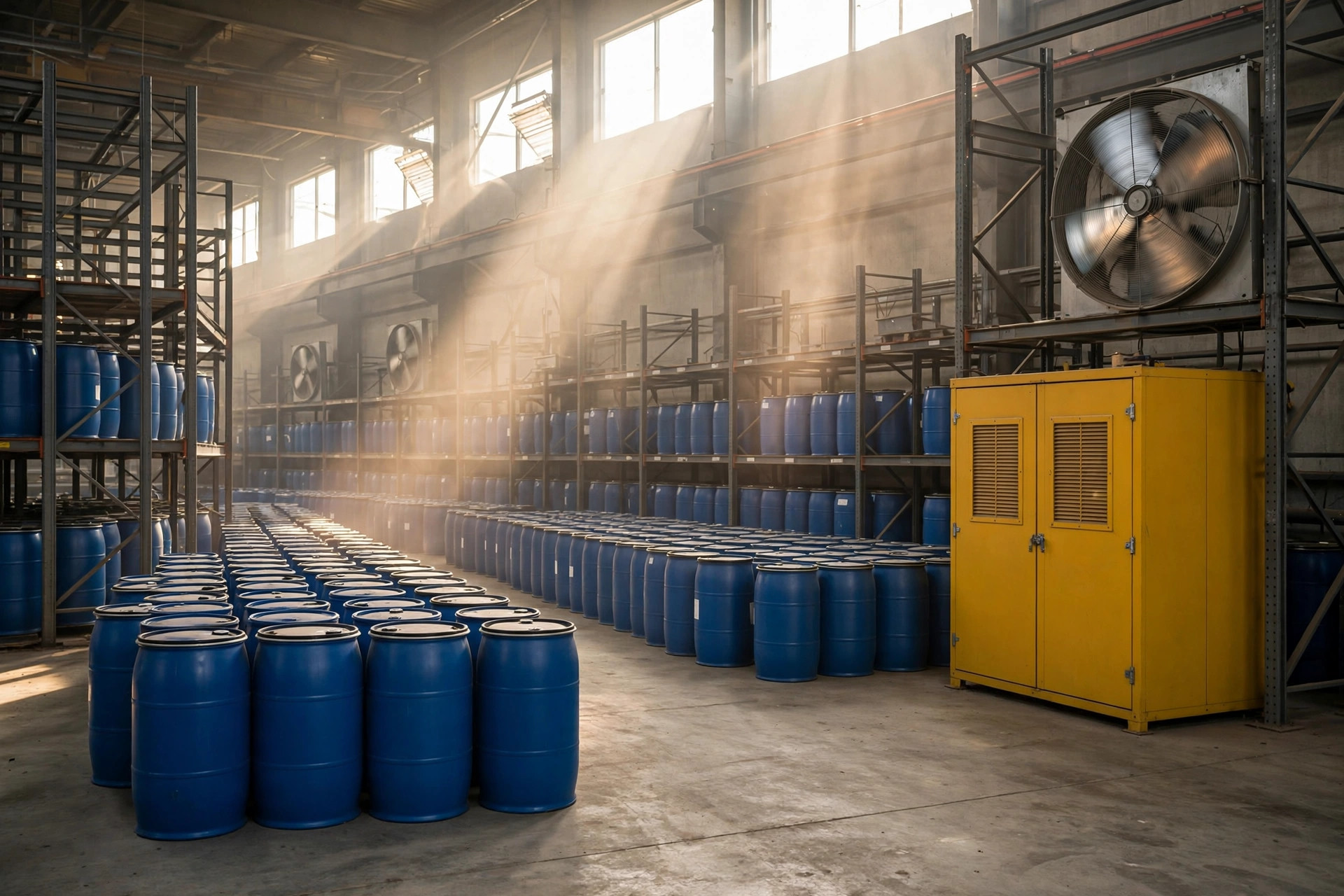
I'll tell you something. After all these years on the road, the first time a warehouse ever turned me away at the dock, it was over a truckload of hairspray and bug spray.
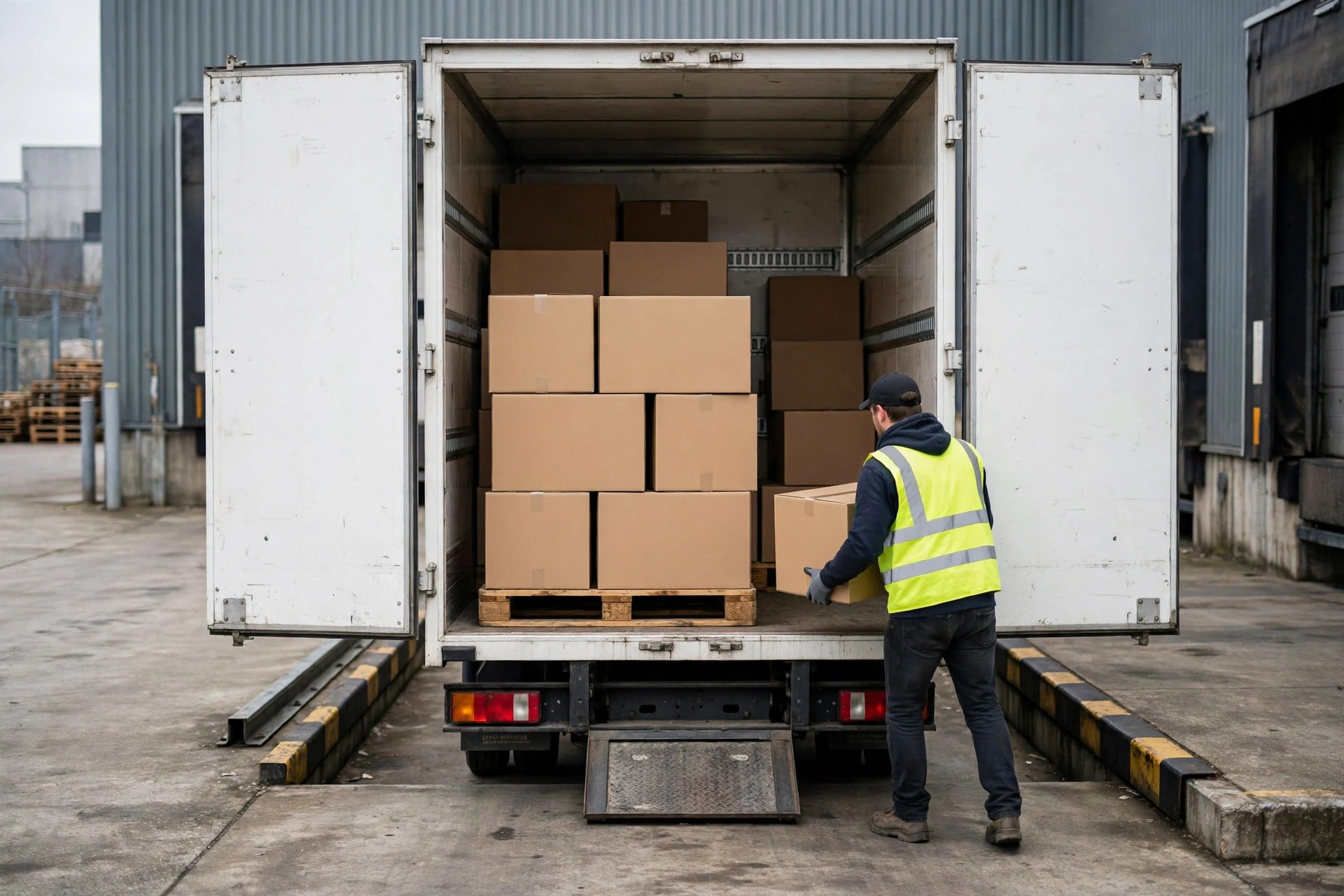
This was back in the summer of 2024, a 3PL warehouse out in Ontario. My appointment was 2 p.m. The trailer was packed wall to wall with aerosols — hairspray, insecticide, spray paint. When I cracked the doors, all I could smell was lemon. Light freight, clean freight, easy unload — or so I thought. The receiving guy walked around my truck once and asked, "Where's the SDS?" I said, "The what?" Then he asked, "These are aerosols, right? Did your shipper book a hazmat-capable warehouse?" I told him the appointment was confirmed. He shook his head. "We don't take aerosols here. You need a warehouse certified for this stuff."
The truck sat at the gate for three hours while the shipper panicked over the phone. In the end I hauled the whole load back where it came from — deadhead miles, diesel, and time, all down the drain. Fifteen years behind the wheel, and that day taught me a lesson I won't forget: ask what the freight really is before you roll, not when you get to the dock. Aerosols look like household goods, but they're flammable products at heart. Those metal cans are pressurized with propellants — usually propane, butane, or something in that family. Stack them in a regular warehouse like they're shampoo bottles, and you've basically buried a pile of little bombs.
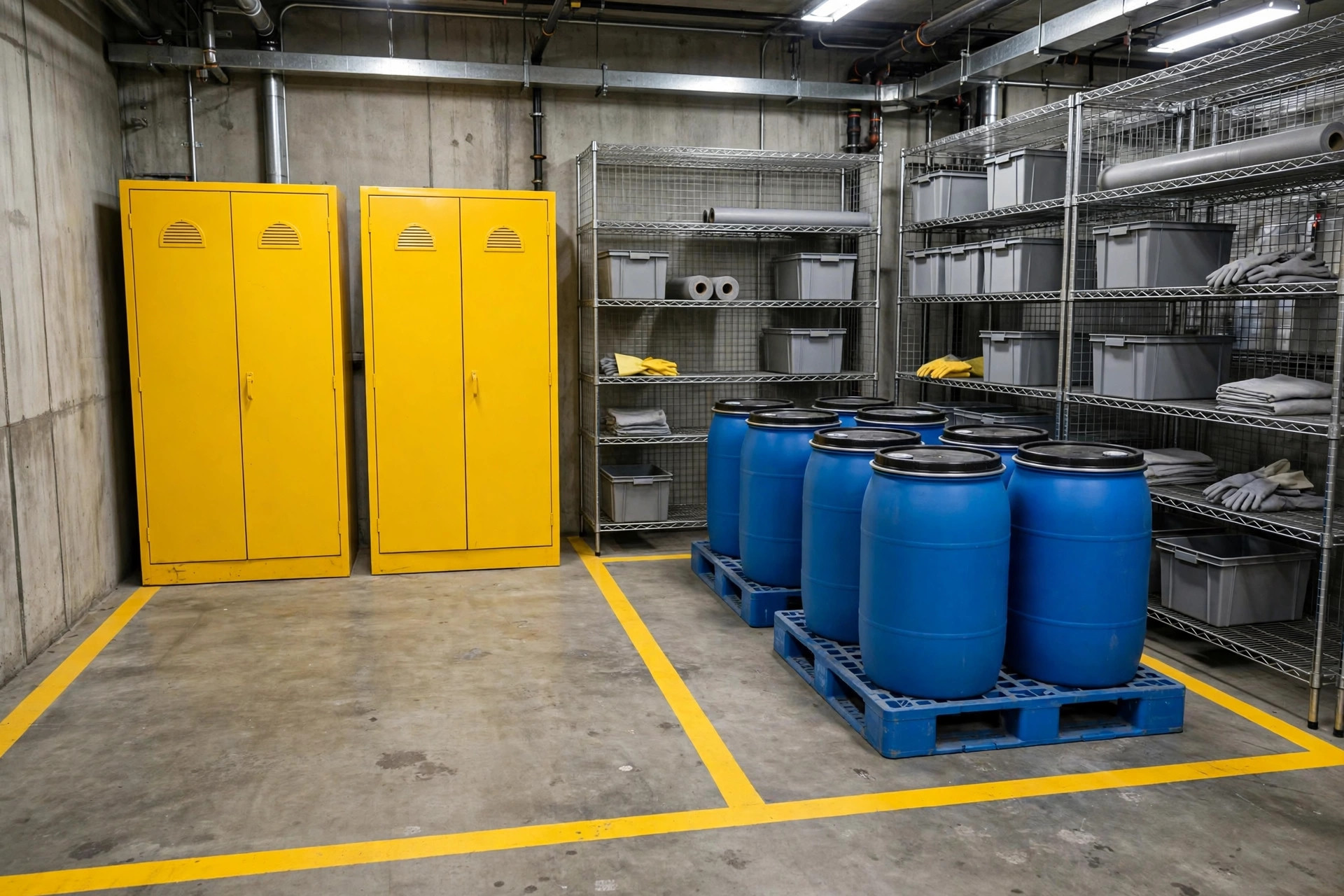
I've also seen warehouses that do this right. In the fall of 2024, I delivered a similar load to a cosmetics fulfillment warehouse in Fontana. Totally different experience. They asked for the product name when I booked the appointment. When I arrived, they checked the SDS first, then the carton markings, then sent my truck straight to a separate hazmat receiving area. Done in ten minutes. I asked their manager about it later, and he said, "This whole procedure was paid for with one fine." See — the folks who know, learned it the hard way.
What warehouses are really afraid of
I've talked to enough warehouse managers over the years that I can tell you exactly why they won't touch aerosols. It's not them being difficult. It's that they can't afford the risk.
First, fire. A heated aerosol can bursts, and the flammable contents it throws off can set off everything next to it. Forklifts are running around all day, bumps happen, and one careless fork through a case is all it takes. In the U.S. there's a dedicated standard for this — NFPA 30B, the code for storage of aerosol products. It spells out how high you can stack, how far apart the piles have to be, and what kind of sprinkler protection you need. I won't recite the numbers to you here — the standard gets updated, and your warehouse's fire protection engineer should be working off the latest edition of NFPA 30B. That's their job, not mine.
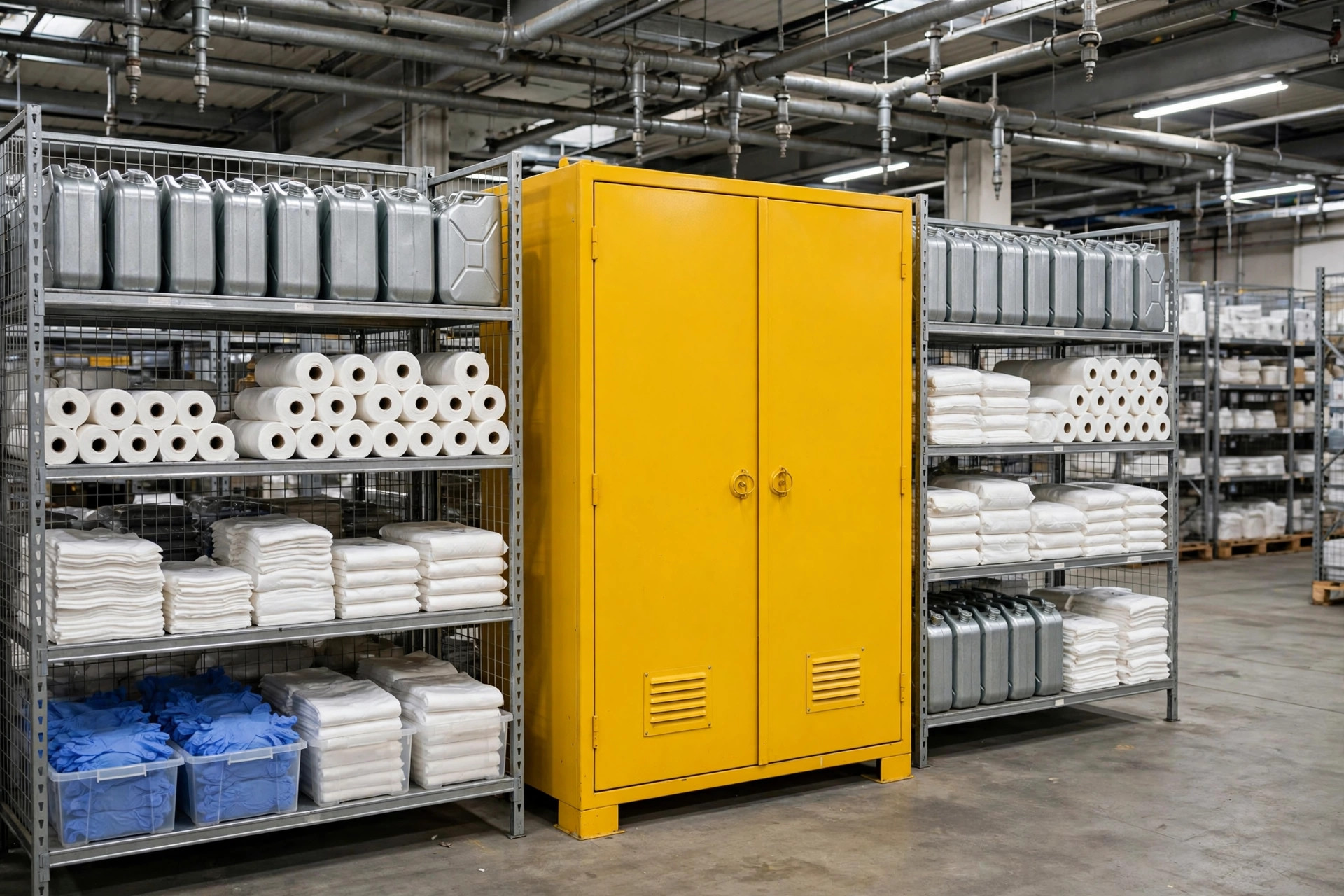
Second, mixed storage. A lot of small warehouses try to save space by putting aerosols right next to paper towels and cardboard boxes. To a compliance manager at a big operation, that's a ticking time bomb. Back in 2023 I saw a small warehouse in Nevada where a case of spray paint fell from height. Cans leaked, and the whole place reeked. They were lucky there was no open flame nearby — a charging forklift or a worker sneaking a cigarette, and it could have been a very different story. The fire marshal showed up, wrote them up, and they were shut down for two days of corrective work. The owner told me he didn't sleep a wink those two nights.
Third, nobody knows how to handle a leak. A worker's first instinct when aerosols leak is to grab a mop. Wrong move. With flammable gas leaking, the first steps are ventilate, kill the power, don't touch any switches — and if it's bad, get out and call 911. A warehouse needs a written emergency procedure, and people who have actually practiced it. Plenty of warehouses don't have either. Taking in aerosols without that is taking in a problem they can't solve.
I've smelled that smell on the road myself. One summer on I-10, a weird odor started coming from my trailer. I pulled over and found a case of insecticide had busted open from the bouncing. First thing I did was open every trailer door to ventilate, parked in an open area, stood upwind, and called the shipper to send someone out. The shipper later told me I did the right thing — if I'd kept driving with that stuff sealed up in the heat, I could have lost the whole truck. After this many years, sometimes a good nose beats any piece of equipment.
The real lesson here
Here's the interesting thing about aerosols: they look completely harmless.
Ship a truckload of sulfuric acid and everybody — the shipper, the driver, the warehouse — is on high alert. SDS ready in advance, gloves and goggles on at unloading. But aerosols? You see them on supermarket shelves every day. There's a can in your bathroom at home. The shipper themselves think, "these are just household goods," and don't even think to send the SDS. The most dangerous hazmat is often the one that looks the least like hazmat. A warehouse manager once told me something I still remember: "I'm not afraid of you telling me it's dangerous. I'm afraid of you not telling me."
It's a trade-off, plain and simple. The shipper thinks preparing the SDS and finding a certified warehouse is a hassle that costs money. But when something goes wrong — or when your truck gets rejected at the dock like mine did — it costs a whole lot more. Hauling a load back and finding another warehouse doubles the freight cost and blows the delivery schedule. I've seen too many people in this business save a penny and lose a dollar.
Before you ship: get these done first
Story's over. Here's the practical part. Whether you're a shipper or a warehouse, walk through this checklist and you won't get burned.
| Check | What to do | Who owns it |
|---|---|---|
| SDS in advance | Send the Safety Data Sheet to the warehouse and the carrier before shipping — not when the truck arrives | Shipper |
| Confirm warehouse certification | Ask whether the warehouse is certified and fire-permitted for aerosols and flammables; if not, find another one | Shipper |
| Packaging and labeling | Mark cartons with flammable-product labels and orientation arrows; don't load damaged cases | Shipper |
| Separate storage | Store in a dedicated area away from heat sources, charging stations, and general merchandise — never mixed | Warehouse |
| Compliant stacking | Stack height, spacing, and sprinklers per the latest NFPA 30B — not by gut feeling | Warehouse |
| Spill response plan | Keep absorbent materials and non-sparking tools on hand; staff should know the three steps: ventilate, kill power, evacuate | Warehouse |
A couple of words for my fellow drivers: hauling aerosols in summer, never leave the trailer baking in the sun for hours — pressure builds up inside those cans and that's no joke. Before unloading, take a walk around the trailer and sniff. If something smells off, don't open the doors yet — let it air out first. And when you unload, handle it gently. Don't throw cases around to save time. What you're carrying burns a lot scarier than it looks.
One more piece of dock wisdom: when you book the appointment, say the word "aerosols" out loud. Don't mumble something vague like "household goods." If you're upfront, the warehouse can plan for it. If you hide it and get rejected at the gate, it's your own time you're wasting. And if you do get turned away, don't fight with the receiving guy — he's just following the rules. Call the shipper and get them to find a hazmat-capable warehouse for a transfer. Win the argument or lose it, the diesel doesn't come back.
There's an old saying: a careful driver goes a million miles. Fifteen years with my hands on the wheel, and the biggest thing I've learned is this — I'm not afraid of hard freight, I'm afraid of not knowing what I'm hauling. Once you know, even the "dangerous" stuff is just another load that gets delivered on time.
By Shifu Zhao, Trucking Veteran (15 yrs)