India BIS certification has moved, over the past several years, from a peripheral concern of export departments to a gating item for Chinese manufacturers of electronics and equipment. The reason is structural. India has steadily widened the range of products subject to compulsory certification, bringing consumer electronics, power-related products, and parts of the industrial equipment catalogue into scope. For products on that list, certification status determines whether goods may lawfully be sold in India at all. It is therefore more accurate to treat India BIS certification as a market-entry qualification than as a customs procedure, and its effects on stocking rhythms and overseas warehouse planning are deeper than its effects on any single shipment.
A persistent misconception deserves attention. Some exporters still regard certification as paperwork that can be completed after arrival. For listed products, the opposite is true: certification attaches to a specific factory and specific models, and the required marking must appear on the product and packaging in the prescribed form. Certification has to precede shipment. Enterprises that treat it as a remedial step typically discover, on their first consignment, that the time cost of that assumption exceeds the cost of certification itself by a wide margin.
Two routes through India BIS certification: identify the scheme first
Two mechanisms account for most cases involving Chinese exporters, and classifying the product correctly is the starting point for everything else. The first is the Compulsory Registration Scheme, generally known as CRS, which covers electronics and information-technology products such as power adapters, batteries and cells, luminaires, and a range of consumer electronics. This route centres on sample testing and registration, ordinarily without a factory inspection; once granted, products carry the standard mark with a registration number. The second is the ISI mark scheme, known as Scheme I, which reaches further into electrical equipment, industrial products, and certain materials. It requires both factory inspection and sample testing, products bear the ISI mark with a licence number, and the licence carries continuing surveillance obligations.
The practical differences can be summarised as follows:
| Dimension | CRS registration | ISI mark (Scheme I) |
|---|---|---|
| Typical scope | Electronics, IT, power, batteries, lighting | Electrical and industrial products, some materials |
| Factory inspection | Generally not required | Required, covering quality systems and test capability |
| Sample testing | At a BIS-recognised laboratory | Samples drawn at inspection, tested at a recognised laboratory |
| Marking | Standard mark with registration number | ISI mark with licence number |
| After grant | Renewal and model maintenance | Ongoing surveillance and mark-use obligations |
Two qualifications matter. First, the compulsory list is revised over time: categories are added, standards updated, and implementation dates shift. Any judgement based on an outdated list carries a timeliness risk, and exporters should verify each product against the current catalogue published by BIS and the relevant Indian authorities before committing to a launch plan. Second, a foreign manufacturer normally needs an authorised Indian representative for communication, filings, and continuing compliance. This is not a nominal appointment; an unstable or unresponsive representative converts routine events — renewal, variation, surveillance — into substantive risks.
Factory inspection and testing: a small quality audit
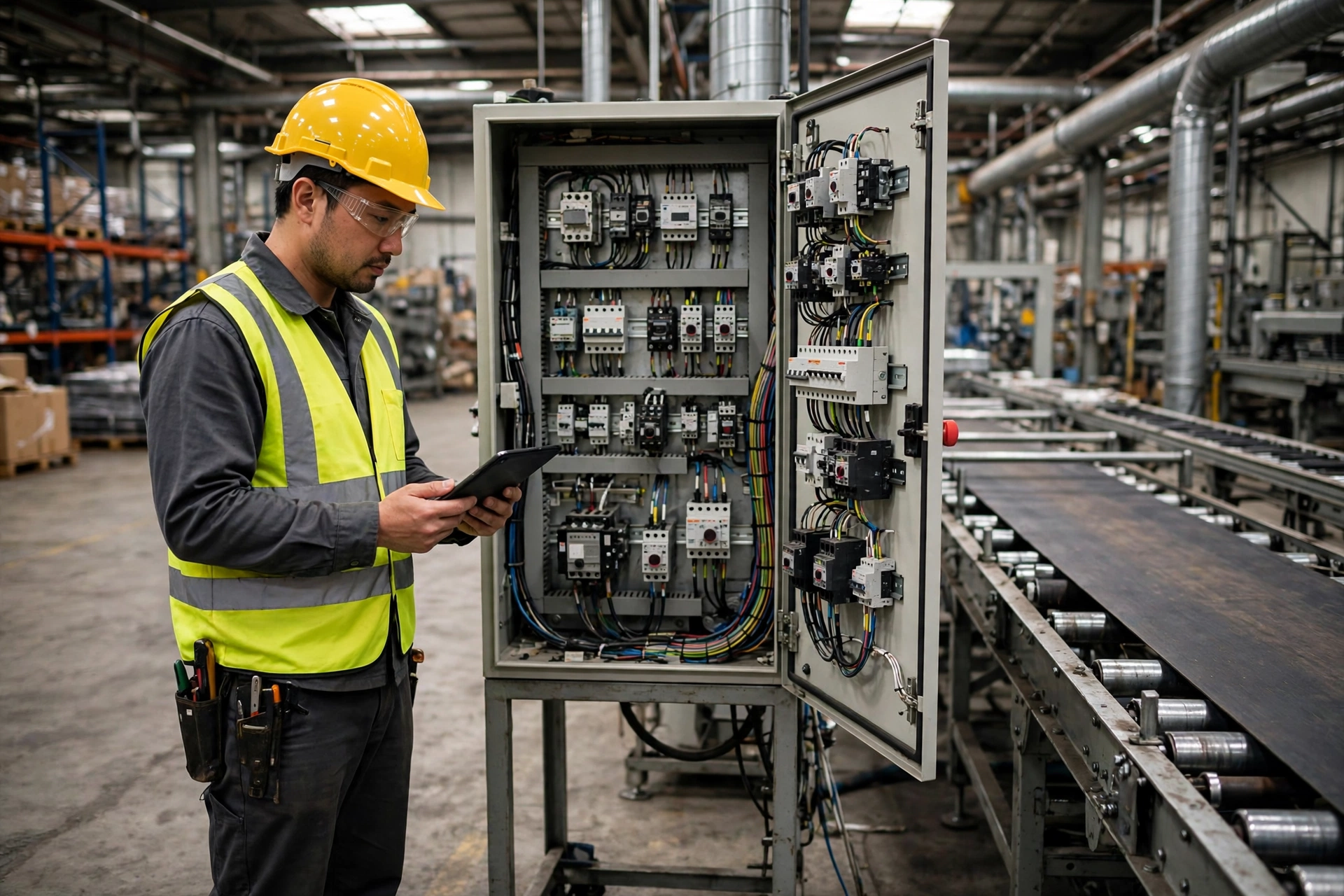
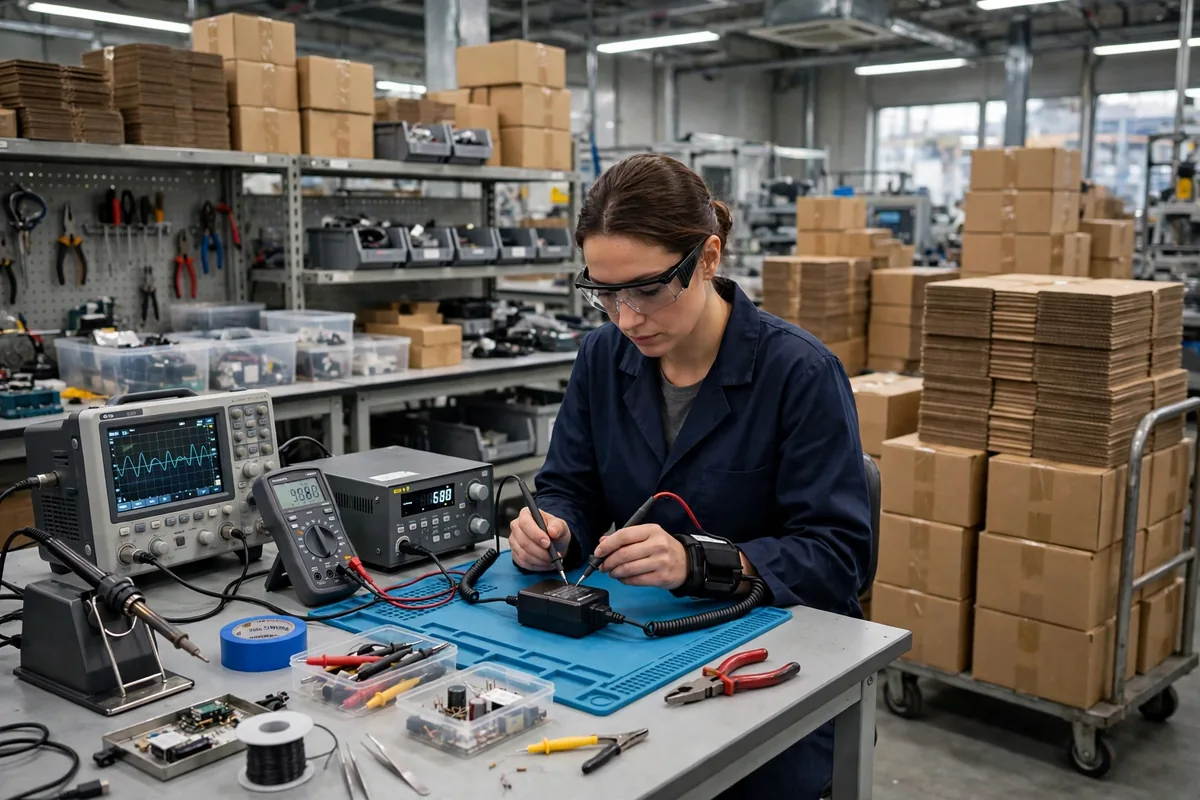
Under the ISI route, the sequence runs from application and document review, through factory inspection and sample drawing, to testing, grant of licence, and post-grant surveillance. Documentation covers factory information, production and test equipment lists, quality files, and trademark authorisations. During inspection, BIS officers examine production processes and the factory's capacity to test incoming materials and finished goods, and draw and seal samples on site. Testing must be performed at a BIS-recognised laboratory against the applicable Indian standard. Those standards are often close to their international counterparts, but localised differences in parameters, marking, and rating declarations are precisely where otherwise compliant products fail.
Two cases illustrate where the process actually binds. A Guangdong manufacturer of small power-supply equipment had a product that passed testing against international standards in full, yet was asked to rectify marking and rating items after submission in India, adding months to its timeline; the root cause was not product quality but the absence of a clause-by-clause comparison against the Indian standard. In a second case, a Jiangsu manufacturer of automation control equipment was asked to supplement calibration records for its factory test instruments, and incomplete files delayed the inspection stage. The common pattern is instructive: the binding constraint is rarely whether the product is well made, and far more often whether documentation and systems are complete.
This supports a judgement that runs against intuition. The speed of BIS certification depends less on technical sophistication than on whether the enterprise performed a standards gap analysis and documentation self-audit before filing. Factories with automated lines hold an underappreciated asset here: the process records, test data, and traceability files that automation generates are exactly the evidence needed to demonstrate production consistency, and organising them in advance is far more credible than reconstructing them on the eve of an inspection.
How certification timelines propagate into stocking and warehouse planning
The transmission mechanism from certification to supply chain is a short chain. Until certification is complete, the product cannot lawfully be shipped for sale; delayed shipment disrupts replenishment of the Indian warehouse; disrupted replenishment forces higher safety stock and ties up more working capital. Actual timelines vary considerably by category, route, and rectification rounds, and enterprises should rely on the latest official information and observed cases in their own category rather than on any single quoted figure. The directional conclusion, however, is robust: certification belongs in the launch plan as a front-loaded milestone, not as a parallel errand alongside production scheduling.
Two structural responses recur among exporters that manage this well. The first is model convergence. Because certification attaches to models and factories, every additional model adds certification and maintenance cost; some firms therefore plan a deliberately narrow model range for India, certify a small set of lead products, establish the channel, and expand in stages. The second is staggered timing: while certification is in progress, only already-certified models are produced and shipped for the Indian warehouse, avoiding inventory stranded in an unsellable state.
An observable case comes from a Shenzhen smart-lighting maker that entered India around 2023 with six models planned for simultaneous launch, then revised the plan so that two lead models completed CRS registration first and entered local warehousing and distribution, with the rest following in batches. The first products reached the market on schedule, later registrations were paced against actual channel sell-through, and inventory turnover compared favourably with peers that had stocked the full range at once.
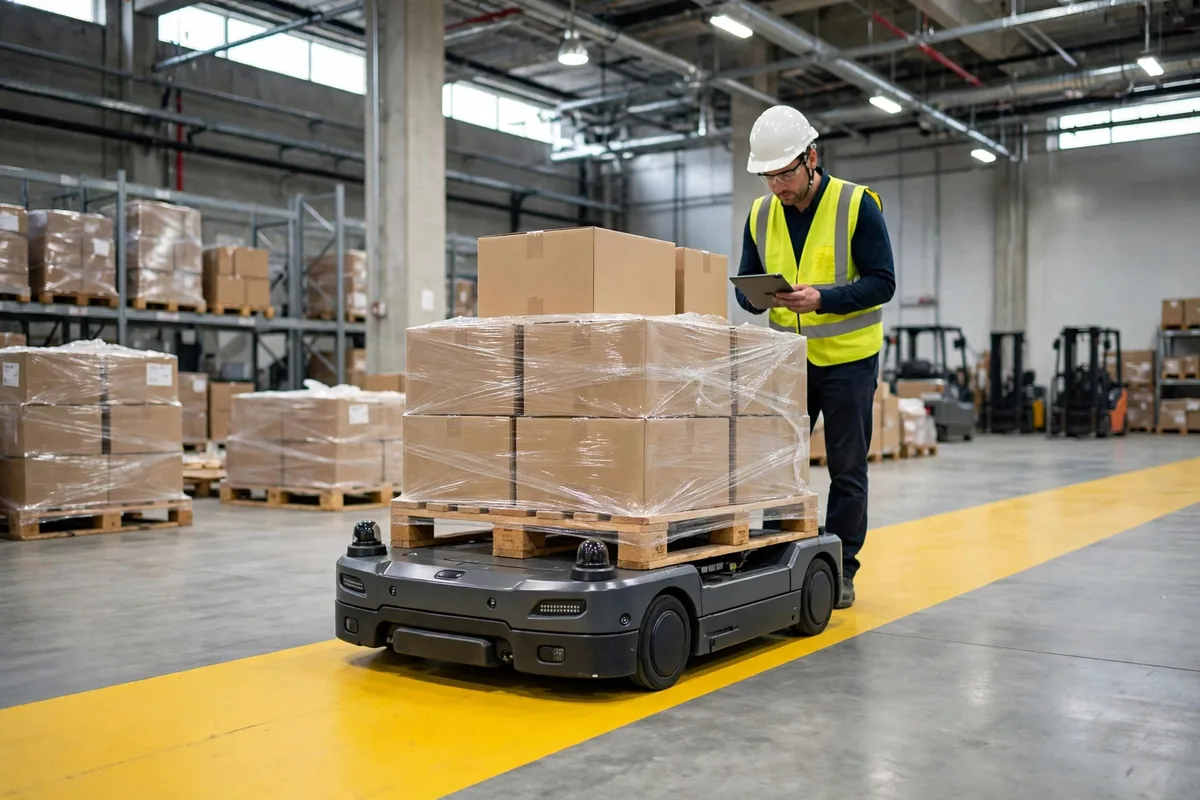
At the warehouse level, certification status also disciplines assortment. An Indian warehouse may only sell products that are certified and correctly marked; uncertified stock is physically present but commercially inert. Inventory systems should therefore distinguish stock by certification status, and receiving should check that status at inbound — a control that warehouse automation handles cheaply as a master-data field, and that is far more expensive to reconstruct afterwards by manual inspection.
Unmarked goods in an Indian warehouse
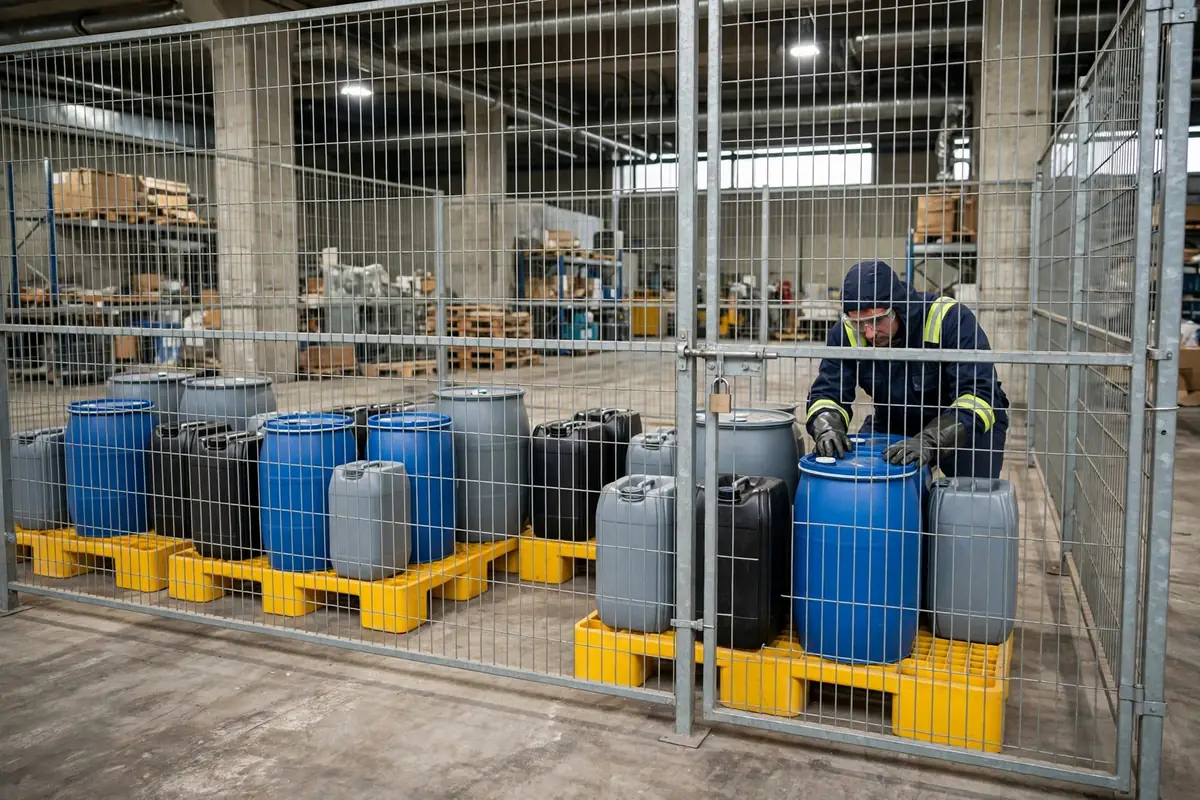
For products inside the compulsory catalogue, goods shipped without valid certification and compliant marking face consequences at three levels. At the border, customs may detain the consignment and require re-export or destruction, leaving the exporter with the loss of the goods plus port and handling charges. In the market, regulators may penalise the sale of uncertified products and order withdrawal, while distributors and platforms routinely make certification a precondition of doing business, so a violation record can impair channel access beyond the immediate incident. Inside the warehouse, stranded stock accrues rent and management cost while being neither sellable nor straightforwardly returnable, so every week of indecision enlarges the sunk cost.
The risk profile is worth stating precisely: low probability, high severity, and almost no scope for retrospective repair, since certification cannot be granted retroactively to a batch already shipped. The rational response is therefore not to estimate the probability of inspection but to install certification status as a hard gate in order review and dispatch approval. Checking before shipment is measured in person-days; remediation afterwards is measured in the value of the goods. The two figures are not of the same order.
Looking further ahead, the direction of Indian policy — expanding compulsory coverage, revising standards, and tightening market surveillance — appears durable rather than episodic. BIS certification is evolving from a certificate obtained once into a standing operational capability: firms that integrate certification, stocking, and warehouse rhythms into one stable routine are simply less exposed to any single compliance event. Whether that capability is best built as an internal compliance team or sustained through external specialists presumably depends on the depth of each firm's commitment to the Indian market — and on that question, the evidence does not yet support a single answer.
By Dr. Chen, Supply Chain Researcher